
The question of when a child should start talking has traditionally been the domain of pediatricians and worried parents, measured by the simplistic metric of “first words” occurring around the twelve-month mark. However, in the current technological era, the definition of “talking” and the methods we use to track language acquisition are undergoing a massive digital transformation. We are no longer solely reliant on manual observation; instead, we are entering an age where AI-driven diagnostics, assistive speech technology, and interactive software are redefining the linguistic developmental curve.
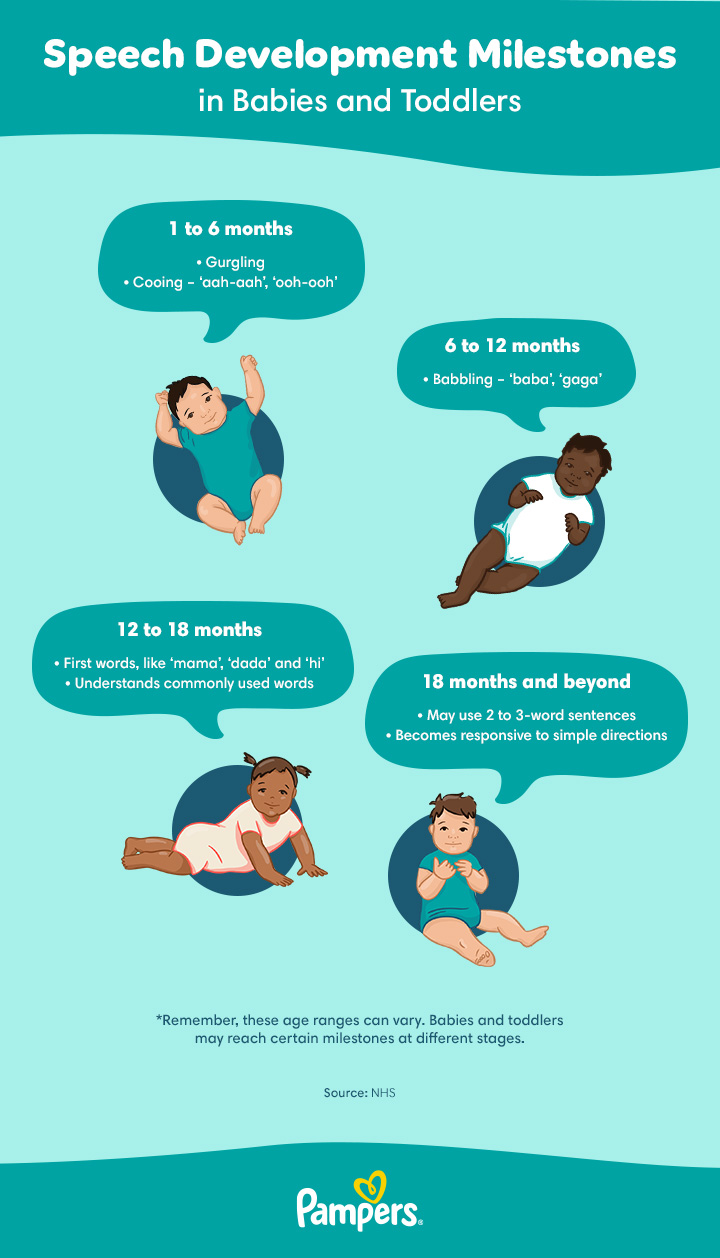
The New Language Frontier: Digital Tools and Early Speech Milestones
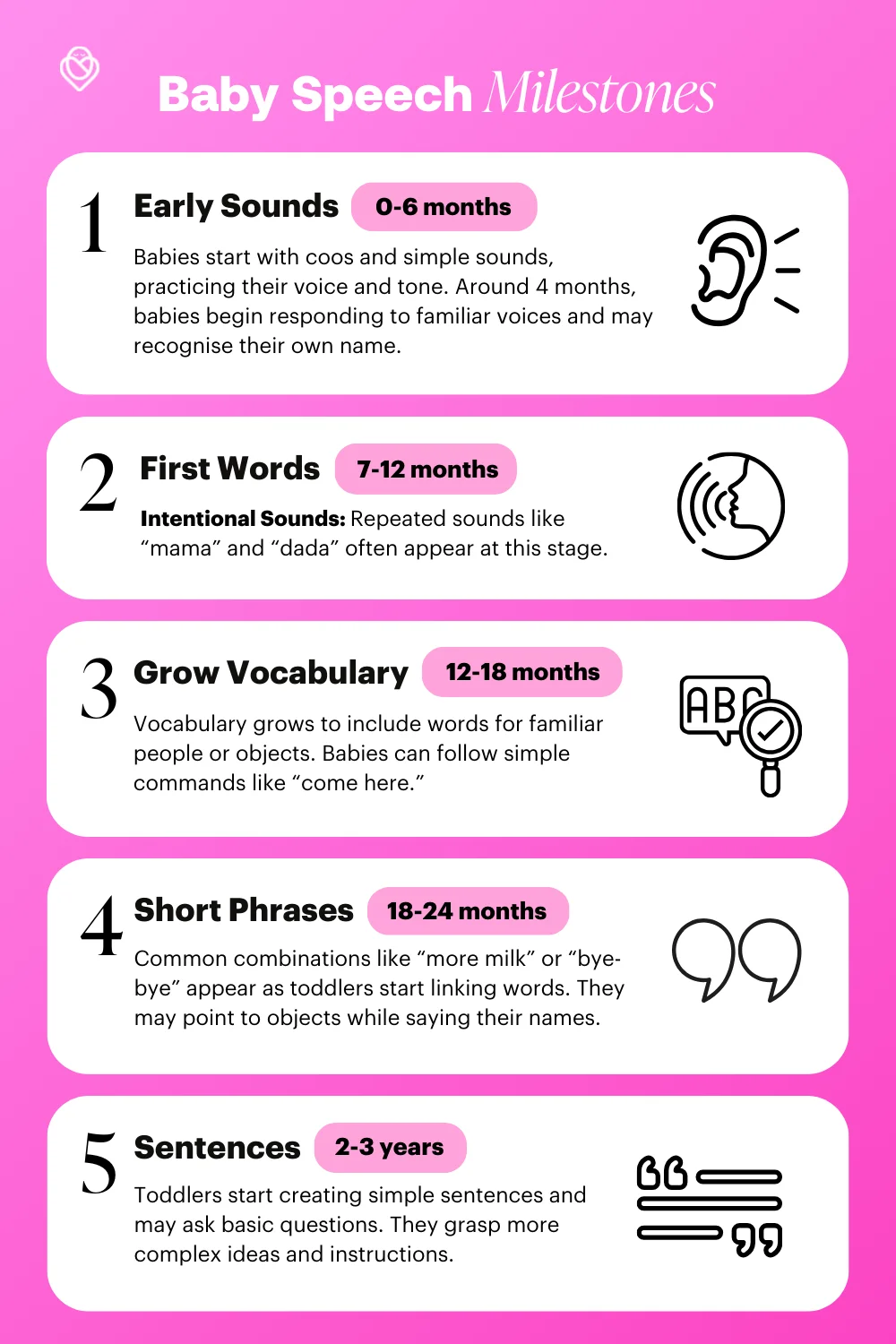
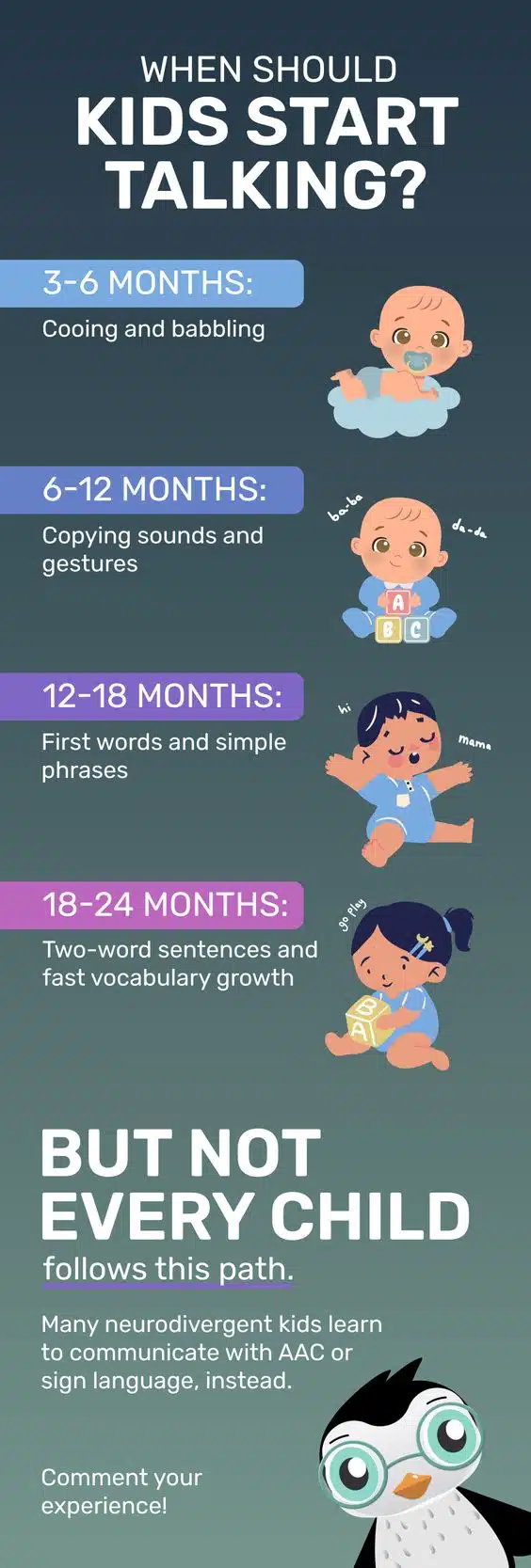
In the traditional developmental timeline, a child is expected to begin babbling at six months and saying simple words like “mama” or “dads” by their first birthday. While these biological milestones remain the gold standard, the integration of technology has introduced new variables into how we measure and encourage these breakthroughs.
AI-Driven Developmental Tracking
The rise of “FemTech” and “BabyTech” has birthed a new generation of applications designed to monitor vocalizations with mathematical precision. Unlike a parent who might miss the nuance of a specific phoneme, AI-driven apps use machine learning algorithms to analyze the frequency, pitch, and variety of a transition from cooing to intentional speech. These tools provide a data-driven answer to the question of progress, offering parents a dashboard that compares their child’s vocal output against massive datasets of “typical” developmental markers. By quantifying “pre-speech” patterns, technology is allowing for earlier identification of potential delays than was ever possible through traditional clinical visits alone.
Interactive Apps vs. Passive Screen Time
One of the most significant debates in the tech world regarding early childhood is the distinction between passive consumption and interactive engagement. While “passive” screen time—such as a toddler watching a video—is often criticized for delaying speech, “active” tech tools are showing promise. Speech-recognition software specifically designed for toddlers can now engage in “contingent interaction.” This means the software responds only when the child makes a sound, mimicking the “serve-and-return” pattern of human conversation. This technological intervention turns a tablet from a passive observer into a linguistic sparring partner, potentially accelerating the age at which a child feels confident experimenting with complex sounds.
The Role of Wearable Tech in Linguistic Environments
New wearable devices for toddlers, often referred to as “word counters,” are changing the way we look at the environment necessary for speech. These gadgets do not record private conversations but rather track the number of words spoken to a child throughout the day. Tech-forward parents are using these metrics to ensure their child is exposed to the 21,000 words per day recommended by experts to optimize brain development. By gamifying the linguistic environment, technology ensures that the “input” side of the talking equation is maximized, directly influencing the “output” age.
Speech Tech and Assistive Communication: Breaking the Silence
For many children, the question isn’t just “when” they will talk, but “how” they will communicate if traditional vocalization is delayed by physiological or neurological factors. This is where the intersection of software and hardware has made the most profound impact.
Augmentative and Alternative Communication (AAC) Devices
The evolution of AAC technology has been a game-changer for children with speech-language pathologies. In the past, a child who did not speak by age three might have been labeled “non-verbal” with few options. Today, sophisticated tablet-based software like Proloquo2Go or TouchChat allows children to communicate using symbols that the device translates into clear, synthesized speech. This tech suggests that “talking” can start the moment a child can point to a screen. By lowering the frustration of being misunderstood, these digital tools often act as a bridge, eventually encouraging the child to attempt vocal speech because they have already mastered the logic of communication.
Voice Recognition and Phonetic Gamification
Modern speech therapy has been revolutionized by software that uses “visual phonics.” For a child struggling to produce specific sounds—such as the “r” or “s” sound—tech tools can now provide real-time visual feedback. When a child speaks into a microphone, the software displays a visual representation of the sound wave. If the sound is correct, a character on the screen might jump a hurdle or collect a coin. This use of “gamification” in speech technology keeps children engaged in repetitive phonetic exercises that would otherwise be tedious, often shortening the window of time it takes for a child to move from single words to full sentences.
The Impact of Natural Language Processing (NLP)
As Natural Language Processing (NLP) becomes more sophisticated, we are seeing the emergence of “smart” nurseries. Devices equipped with NLP can differentiate between a child’s cry of hunger and their first attempts at labeling objects. For children who are “late talkers,” NLP can act as a translator for parents, identifying consistent patterns in “proto-words” that a human ear might dismiss as gibberish. This early validation of a child’s intent to communicate can be a powerful catalyst for further speech development.
The Role of AI in Early Diagnosis of Language Delays
When a child hasn’t started talking by the expected age, the biggest hurdle is often the “wait and see” approach of traditional medicine. Technology is aggressively moving to eliminate this lag time through predictive analytics and remote screening.
Machine Learning Algorithms in Pediatric Screening
Researchers are now using machine learning to analyze home videos of children to look for the subtle signs of speech delay or Autism Spectrum Disorder (ASD). By analyzing eye contact, gesture, and vocalization simultaneously, these AI tools can flag potential issues as early as 18 months—well before many children are traditionally diagnosed. This “tech-first” diagnostic approach ensures that interventions begin during the most critical periods of brain plasticity, potentially altering the child’s entire developmental trajectory.
Telehealth and Remote Speech Therapy
The digital transformation of the healthcare sector has made speech therapy more accessible than ever. Telehealth platforms specifically optimized for speech-language pathology allow therapists to use interactive digital whiteboards and shared screen games to conduct sessions. This technology removes the geographical and financial barriers that often prevent children from getting the help they need to start talking. Furthermore, these platforms often include “parent-coaching” modules, using video feedback to teach parents how to use tech-augmented techniques at home to stimulate language.
Big Data and the Standardization of Milestones
By aggregating anonymized data from millions of users of developmental apps, tech companies are creating the most comprehensive map of human language acquisition ever known. This “Big Data” approach is helping to refine the answer to “what age should a child start talking” by acknowledging a wider range of “normal” based on socio-economic, linguistic, and regional factors. It allows for a more personalized tech-driven roadmap for each child, rather than a one-size-fits-all medical chart.
Ethics and the Digital Environment: Balancing Tech and Human Interaction
While technology provides incredible tools for speech development, the “Tech” niche must also grapple with the consequences of an increasingly digital childhood. The goal is to use technology as a scaffold, not a substitute.
Data Privacy for the Youngest Users
As we use more AI to monitor children’s speech, the question of data privacy becomes paramount. Voice data is a biometric identifier. Tech companies in the developmental space are under increasing pressure to ensure that the recordings of a child’s first words are not stored on insecure servers or used for advertising profiles. Ethical tech development in this niche requires “Privacy by Design,” ensuring that developmental data remains in the hands of parents and clinicians, not data brokers.
The “Digital Divide” in Language Development
There is a growing concern in the tech community about the “digital divide” and its impact on speech. If the most effective speech-acceleration tools are locked behind expensive hardware and subscription paywalls, we risk a future where “tech-augmented” children hit linguistic milestones significantly faster than those without access. Solving this requires a push for open-source developmental software and the integration of these tools into public education and healthcare systems.
Maintaining the Human Element in a Tech-Driven World
The most critical insight from the intersection of technology and speech is that no app can replace human-to-human “joint attention.” The most successful technologies are those that facilitate interaction between a child and their caregiver. For example, “smart books” that prompt a parent to ask the child a question create a digital-human hybrid environment that is far more effective than a standalone app. The future of speech technology lies in “augmentation”—using tools to enhance the natural human drive to communicate, ensuring that when a child does start talking, they have a world (both digital and physical) ready to listen.
aViewFromTheCave is a participant in the Amazon Services LLC Associates Program, an affiliate advertising program designed to provide a means for sites to earn advertising fees by advertising and linking to Amazon.com. Amazon, the Amazon logo, AmazonSupply, and the AmazonSupply logo are trademarks of Amazon.com, Inc. or its affiliates. As an Amazon Associate we earn affiliate commissions from qualifying purchases.