
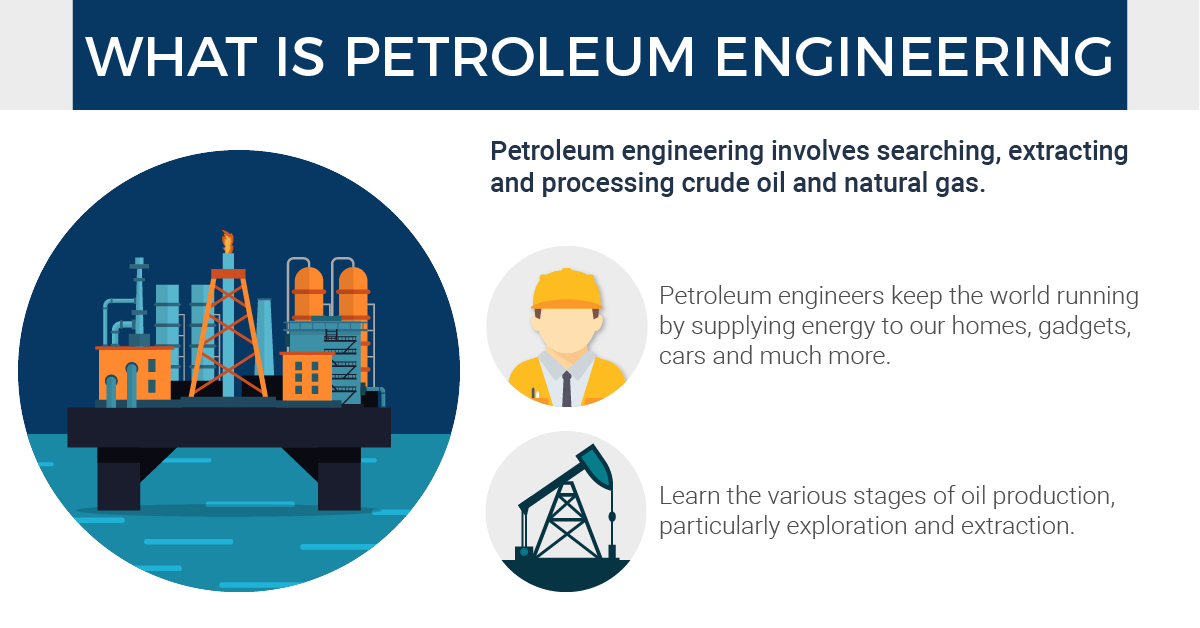
Petroleum engineering is one of the most high-stakes, technically complex, and financially lucrative fields in the global energy sector. At its core, a petroleum engineer’s primary objective is to maximize the recovery of oil and gas from subsurface reservoirs while maintaining the highest standards of safety, environmental responsibility, and economic efficiency. Far from being a relic of the industrial age, the profession has evolved into a high-tech discipline that relies heavily on advanced computational modeling, robotics, and precise geological data.
The Intersection of Earth Science and Advanced Engineering
Petroleum engineering is essentially the art of managing energy assets hidden kilometers beneath the Earth’s surface. It requires a synthesis of fluid mechanics, thermodynamics, and geological interpretation to solve the fundamental problem: how to reach, extract, and refine hydrocarbons that are trapped within porous rock formations.
Reservoir Characterization and Simulation
Before a single drill bit touches the earth, engineers must understand exactly where the oil and gas are located. This process, known as reservoir characterization, involves analyzing seismic data, core samples, and wireline logs to build a 3D digital model of the subsurface.
Engineers use specialized reservoir simulation software to predict how fluids will behave under various pressure and temperature conditions. By running these digital simulations, they can forecast the lifespan of a well and determine the optimal placement for production wells to ensure the highest possible recovery rate. This is where the intersection of data science and physics becomes critical; a miscalculation here can lead to millions of dollars in wasted exploration costs.
Drilling and Completion Operations
Once a reservoir is identified, the focus shifts to the physical extraction process. Drilling engineers are responsible for designing the systems that bore through miles of rock. This is a massive engineering challenge that involves balancing hydrostatic pressure, managing rock stress, and utilizing directional drilling technology—a process that allows a well to turn at extreme angles to reach pockets of oil that were previously inaccessible.
Completion engineers then take over to “finish” the well. This involves installing casing, cement, and tubing to ensure the wellbore is secure and ready to produce. They also utilize advanced stimulation techniques, such as hydraulic fracturing or acidizing, to enhance the permeability of the rock, allowing hydrocarbons to flow more freely into the wellbore.
The Role of Data and Automation in Modern Extraction
The modern petroleum engineer rarely works with just a wrench and a blueprint; they are increasingly working with real-time data streams and automated control systems. The industry has shifted toward “Smart Fields” or “Digital Oilfields,” where technology drives operational efficiency and safety.
AI and Predictive Analytics
In the current landscape, AI tools are used to process terabytes of sensor data coming from the drill bit or the reservoir sensors. Predictive analytics allow engineers to anticipate equipment failure before it happens, a concept known as “condition-based maintenance.” If a high-pressure pump is showing anomalous vibration patterns, AI models alert the engineering team, allowing for a proactive shutdown rather than a catastrophic, costly equipment failure.

Furthermore, machine learning algorithms are now being utilized to refine geological mapping. By cross-referencing decades of historic drilling data with new seismic inputs, engineers can identify subtle patterns in rock formations that were invisible to the human eye, significantly increasing the probability of striking a productive zone.
Automation and Robotics
Remote-operated vehicles (ROVs) and autonomous drilling rigs are becoming standard, particularly in offshore environments where human presence is risky. These robots can navigate the ocean floor to inspect pipelines or perform delicate maintenance on subsea wellheads. For the petroleum engineer, this means shifting from a hands-on manual role to an oversight role—monitoring the performance of these machines through sophisticated dashboards and command centers located hundreds of miles away from the physical site.
Economic and Financial Stewardship
A petroleum engineer is as much a financial manager as they are a technical expert. Every project, from the initial exploratory well to the final decommissioning of a field, is evaluated through a strict cost-benefit analysis.
Asset Management and Capital Expenditure (CAPEX)
The capital required to establish an oil or gas operation is immense. A deep-water offshore platform can cost billions of dollars to construct and operate. Consequently, the engineer’s role is to ensure that the “Expected Monetary Value” (EMV) of a project remains positive. They must balance the cost of drilling against the fluctuating market price of commodities.
Engineers are constantly tasked with optimizing production rates. If the price of oil drops, they must adjust their extraction strategies to reduce operational expenditure (OPEX). This might involve adjusting flow rates, automating more processes to save on labor, or implementing enhanced oil recovery (EOR) techniques—such as injecting carbon dioxide or steam into a reservoir—to extract more value from an existing asset without the need for new, expensive drilling.
Regulatory and Environmental Compliance
Financial success in the modern energy sector is tied directly to regulatory compliance. Petroleum engineers must ensure their operations meet rigorous environmental standards regarding water usage, emissions, and waste management. In many jurisdictions, they are responsible for designing “carbon capture and storage” (CCS) systems, integrating the industry’s expertise in subsurface geology with the global demand for lower-carbon industrial footprints. They are essentially the architects of energy transition, applying their skills in fluid injection and reservoir management to help sequester carbon emissions safely underground.
The Future Trajectory of the Profession
As the world navigates the transition toward renewable energy, the role of the petroleum engineer is not disappearing; rather, it is transforming. The fundamental skill sets of this profession—fluid mechanics, subsurface modeling, and high-pressure system management—are highly transferable to emerging sectors like geothermal energy development and large-scale hydrogen storage.
Geothermal Energy
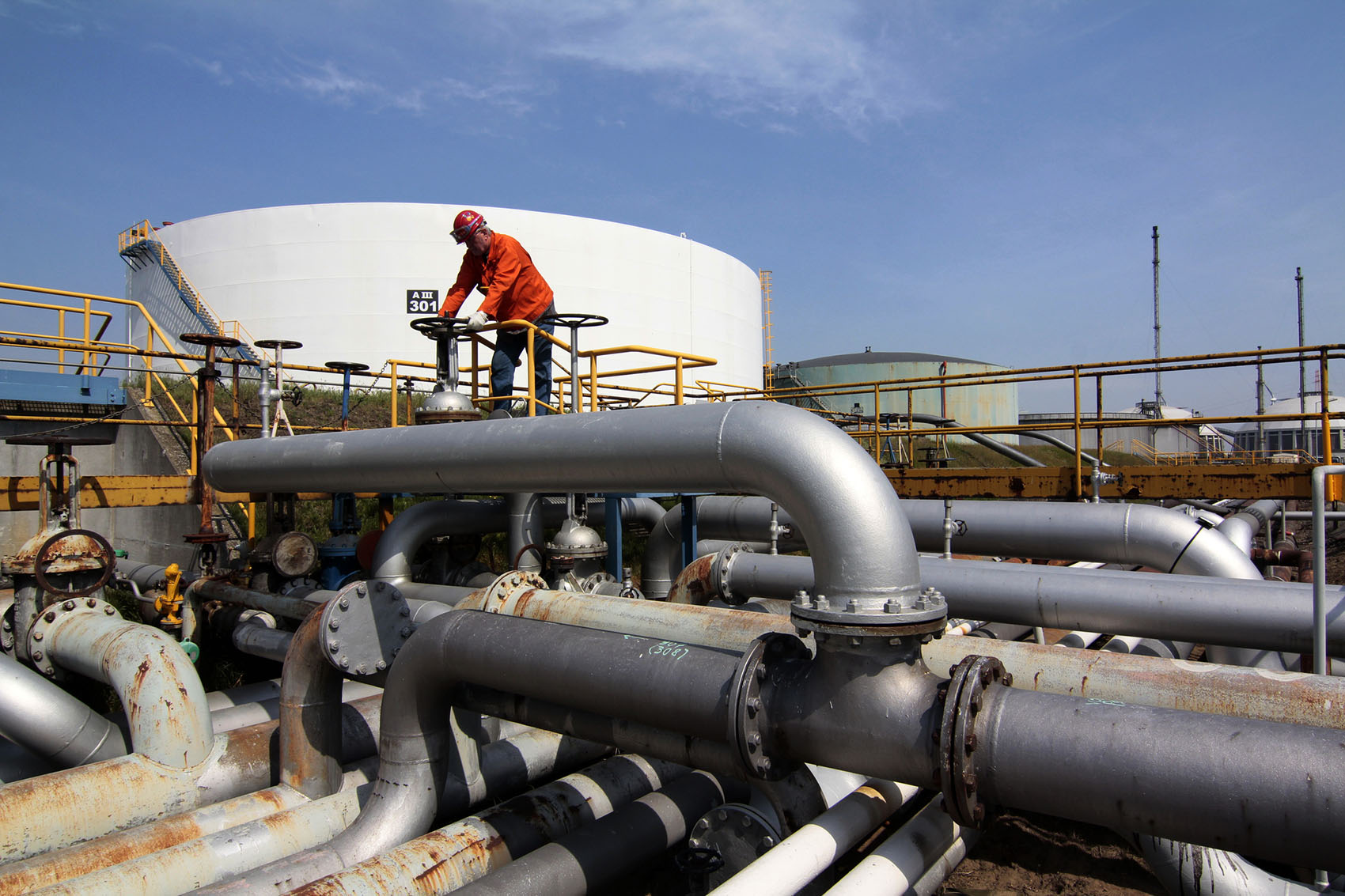
Geothermal power relies on the same drilling technologies used in the oil and gas industry. Petroleum engineers are uniquely positioned to lead the shift in geothermal development, as they are already experts in drilling deep, hot wells and managing fluid flow through porous rock layers. By repurposing existing oilfield technology, they are helping to make geothermal a more viable, baseload power source for the electrical grid.
Sustainable Stewardship
The modern petroleum engineer is focused on minimizing the “energy intensity” of every barrel produced. This means implementing leak-detection technologies to prevent methane emissions, designing closed-loop systems to recycle water, and utilizing renewable power sources to operate drilling rigs. The focus has moved away from simple extraction to “lifecycle management.” They are now responsible for the entire journey of an energy asset—from the initial discovery and production to the ultimate, safe, and permanent sealing of the wellbore, ensuring that sites are returned to their natural state or converted for future energy needs.
The career of a petroleum engineer today is defined by a unique blend of high-tech proficiency and strategic economic oversight. It is a field that demands a rigorous understanding of physical laws combined with the ability to navigate the complex financial and environmental realities of a global energy market. As they continue to innovate through automation, AI-driven simulation, and sustainable engineering practices, petroleum engineers remain central to the infrastructure that keeps the modern world running.
aViewFromTheCave is a participant in the Amazon Services LLC Associates Program, an affiliate advertising program designed to provide a means for sites to earn advertising fees by advertising and linking to Amazon.com. Amazon, the Amazon logo, AmazonSupply, and the AmazonSupply logo are trademarks of Amazon.com, Inc. or its affiliates. As an Amazon Associate we earn affiliate commissions from qualifying purchases.