
The rapid evolution of the tech industry, while exciting and transformative, also presents a unique set of challenges and potential hazards that extend beyond the realm of purely digital risks. As innovation drives us towards increasingly complex hardware, advanced manufacturing processes, and the development of cutting-edge technologies, the importance of ensuring the physical safety of individuals working within this sector cannot be overstated. This is where Personal Protective Equipment (PPE) plays a crucial, yet often overlooked, role. Far from being a mere bureaucratic checkbox, PPE is a vital component of a robust safety culture, safeguarding engineers, technicians, researchers, and even office-based personnel from a variety of potential dangers.
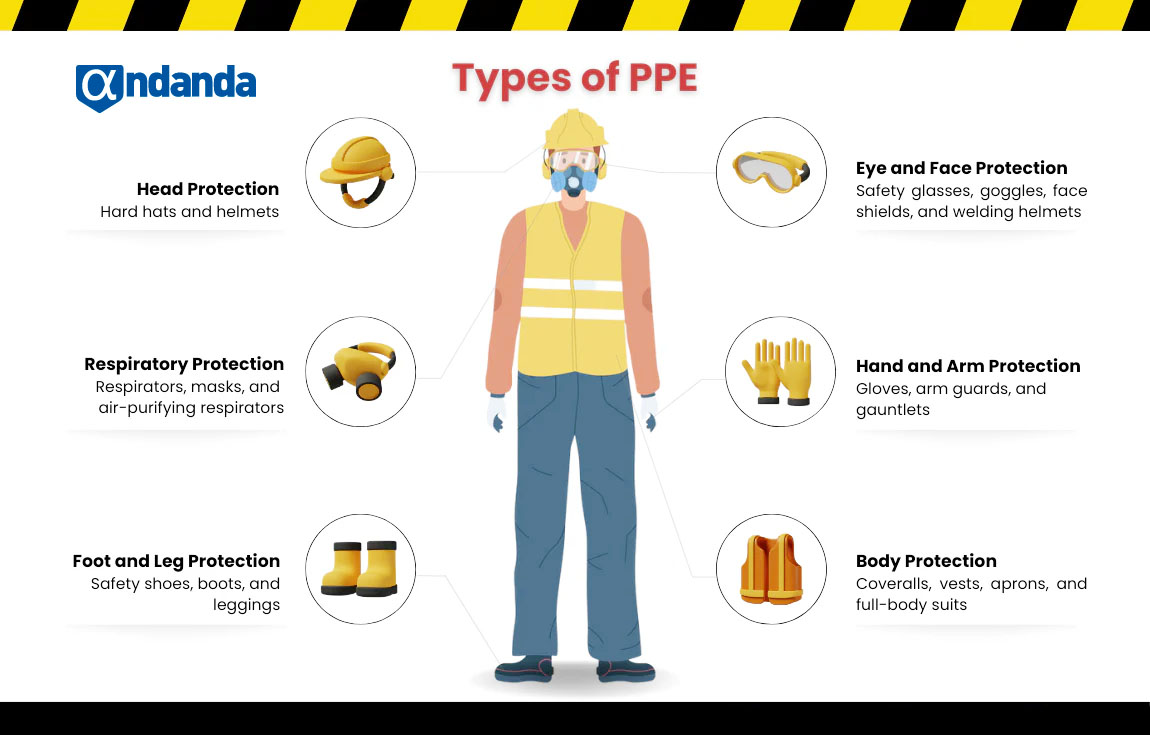
The misconception that PPE is solely for heavy industrial settings like construction or manufacturing is a pervasive one. While those sectors certainly have a high demand for robust protection, the tech industry, with its specialized environments and intricate processes, necessitates a nuanced understanding of what constitutes essential PPE. From the microscopic precision of semiconductor fabrication to the physical demands of server room maintenance, the spectrum of potential risks demands tailored solutions. This article will delve into the critical types of PPE that are indispensable in the tech industry, explore the factors influencing their selection, and highlight the overarching importance of a comprehensive PPE strategy in fostering a safe and productive technological landscape.
Understanding the Spectrum of Risks in the Tech Environment
While the image of a tech worker might conjure up visions of a dimly lit office or a cleanroom bathed in sterile light, the reality is far more varied. The development, manufacturing, testing, and deployment of technology involve a diverse array of environments and activities, each carrying its own set of potential risks. Recognizing and categorizing these risks is the foundational step in determining the appropriate PPE.
Electrical Hazards: The Invisible Danger
The very essence of technology is built upon electricity, and with it comes an inherent risk of electrical shock and burns. This is particularly prevalent in areas involving hardware development, prototyping, circuit board assembly, and the installation or maintenance of electrical infrastructure.
- Static Discharge (ESD): While not always leading to immediate physical injury, electrostatic discharge can silently destroy sensitive electronic components, leading to costly equipment failure. More importantly, in environments with flammable materials, a significant ESD event could potentially ignite a fire.
- Arc Flash and Blast: These are perhaps the most severe electrical hazards. An arc flash is a sudden release of energy caused by an electrical current traveling through the air. It can generate intense heat, light, and a concussive blast, capable of causing severe burns, blindness, hearing damage, and even death. This is a significant concern during high-voltage electrical work, maintenance of power distribution systems, and in data centers where power is abundant and complex.
- Direct Contact with Live Circuits: Accidental contact with exposed live wires or components during assembly, repair, or testing can result in electrical shock, leading to muscle contractions, respiratory arrest, cardiac arrest, and severe burns.
Chemical Exposures: The Unseen Threats
The creation of advanced electronics and the manufacturing of components often involve the use of various chemicals, solvents, cleaning agents, and soldering materials. While often used in controlled environments, improper handling or ventilation can lead to significant health risks.
- Solvents and Cleaning Agents: Many common solvents used in cleaning electronic components can be irritants to the skin and respiratory system. Prolonged or repeated exposure can lead to dermatitis, respiratory distress, and in some cases, more serious long-term health issues.
- Soldering Fumes: Solder, particularly leaded solder historically used, releases fumes containing potentially harmful substances like lead, tin, and flux. Inhaling these fumes can cause respiratory irritation, headaches, and nausea. While lead-free solders have become more common, they still release flux fumes that require protection.
- Epoxy Resins and Adhesives: Many advanced tech applications utilize epoxies and adhesives for bonding components. These substances can be skin sensitizers and irritants, and their fumes can also pose respiratory risks if not handled with adequate ventilation and protective gear.
Physical and Mechanical Hazards: The Tangible Dangers
Beyond electricity and chemicals, the physical nature of technology development and manufacturing presents a distinct set of dangers that require appropriate protective measures.
- Sharp Objects and Debris: Working with intricate components, sharp tools, and potentially fragile materials like glass or ceramics can lead to cuts, punctures, and abrasions. This is common in assembly lines, prototyping labs, and during the handling of various electronic devices.
- Heavy Lifting and Ergonomic Strain: The installation, movement, and maintenance of server racks, large machinery, and even bulky prototypes can lead to musculoskeletal injuries. Repetitive motions in assembly can also cause strain.
- Falling Objects: In environments where equipment is suspended or being moved, there’s a risk of objects falling and causing injury to those below.
- Machine Hazards: In manufacturing facilities for electronics, machinery like CNC machines, laser cutters, and automated assembly lines present risks of entanglement, crushing, and impact if safety guards are bypassed or not properly utilized.
Essential Personal Protective Equipment for Tech Professionals
Based on the diverse risks identified, a comprehensive approach to PPE selection is paramount. It’s not about a one-size-fits-all solution, but rather about understanding the specific task, environment, and potential hazards to determine the most effective protective measures.
Eye and Face Protection: Safeguarding Vision
Given the prevalence of electrical hazards, potential for flying debris, and exposure to chemicals, eye and face protection is non-negotiable in many tech roles.
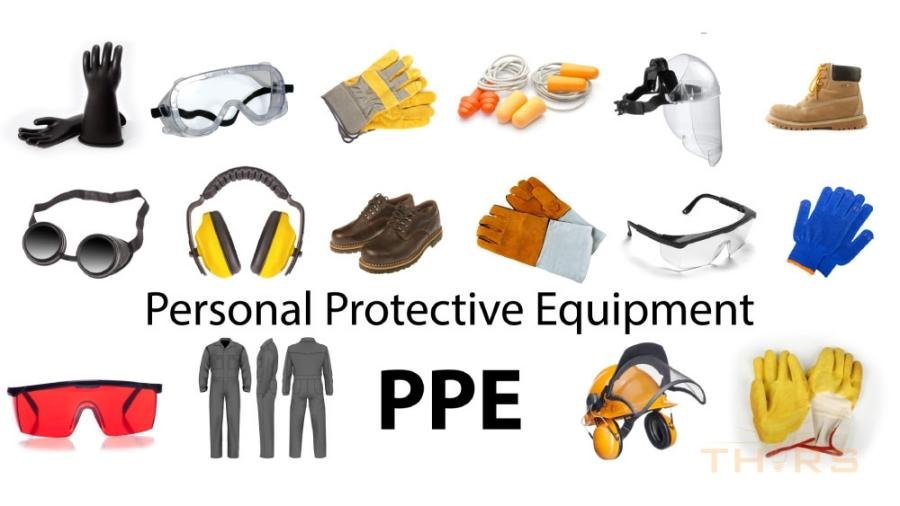
- Safety Glasses: These are the most basic form of eye protection, designed to shield the eyes from impact from flying particles, dust, and light debris. They are essential for almost any hands-on work involving components, assembly, or maintenance. Look for glasses that meet ANSI Z87.1 standards for impact resistance.
- Goggles: Offering a more secure fit and often a wider field of vision, goggles provide superior protection against splashes, airborne particles, and fine dust. They are particularly important when working with chemicals or in dusty environments. Chemical splash goggles, specifically designed for chemical resistance, are vital for tasks involving solvents or cleaning agents.
- Face Shields: For maximum protection against arc flash, high-impact debris, or significant chemical splashes, face shields are indispensable. Often worn in conjunction with safety glasses or goggles, they cover the entire face, offering a critical barrier against severe injury. When working with high-voltage electrical systems, arc-rated (AR) face shields are a necessity.
Hand Protection: Dexterity Meets Defense
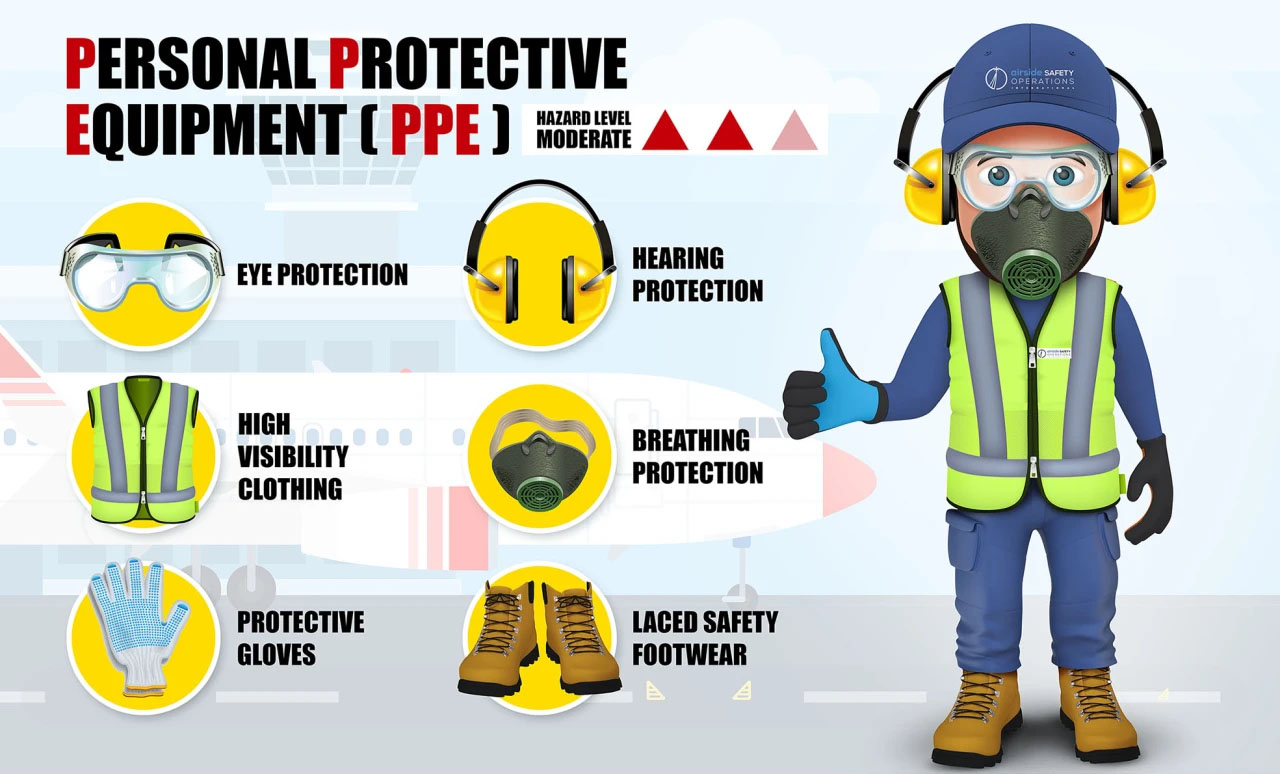
Hands are the primary tools of many tech professionals, and protecting them is crucial for both immediate safety and long-term dexterity.
- Anti-Static Gloves: Essential for handling sensitive electronic components, these gloves dissipate static electricity, preventing damage to delicate circuitry. They are thin enough to allow for fine motor control, a critical requirement in electronics assembly.
- Cut-Resistant Gloves: When working with sharp tools, glass, or metal components, cut-resistant gloves provide a vital layer of protection against lacerations. Materials like Kevlar or Dyneema are commonly used to provide this resistance.
- Chemical-Resistant Gloves: For tasks involving solvents, cleaning agents, or other chemicals, gloves made from materials like nitrile, neoprene, or butyl rubber are necessary. The specific material choice depends on the type of chemical being handled, as some materials offer better resistance to certain substances than others.
- General Purpose Work Gloves: For tasks involving manual handling of equipment, lifting, or in environments with minor abrasion risks, durable work gloves offer a good balance of protection and comfort.
Respiratory Protection: Clearing the Air
The inhalation of harmful fumes, dust, or aerosols can have immediate and long-term health consequences. Appropriate respiratory protection is therefore vital in specific tech scenarios.
- Dust Masks (N95 Respirators): These are effective for filtering out fine dust particles, which can be generated during sanding, grinding, or when working in older facilities. An N95 respirator is designed to filter at least 95% of airborne particles.
- Half-Face or Full-Face Respirators with Cartridges: For protection against chemical fumes, vapors, or gases, respirators equipped with specific cartridges are necessary. The type of cartridge will depend on the specific chemical hazard present. For example, organic vapor cartridges are used for solvents, while acid gas cartridges are for certain types of fumes.
- Supplied-Air Respirators (SARs): In environments with extremely high concentrations of hazardous substances or in confined spaces where oxygen levels may be low, supplied-air respirators provide a continuous supply of breathable air from an external source. These are typically used in highly specialized manufacturing or maintenance scenarios.
Body Protection: Shielding the Core
While not as universally required as eye or hand protection, certain tasks and environments within the tech industry demand robust body protection.
- Anti-Static Clothing: Similar to anti-static gloves, anti-static clothing helps prevent the buildup of static electricity, which can damage sensitive electronics and pose ignition risks in certain environments. This is common in cleanroom settings and during sensitive component handling.
- Flame-Resistant (FR) Clothing: This is absolutely critical for anyone working in proximity to potential arc flash hazards, such as electricians working on high-voltage equipment or technicians maintaining power infrastructure in data centers. FR clothing is designed to self-extinguish and prevent flames from spreading, significantly reducing the severity of burn injuries.
- Chemical-Resistant Aprons and Suits: When dealing with larger quantities of chemicals, or when there’s a risk of significant splashes, chemical-resistant aprons or full suits provide essential protection for the torso and limbs.
- Ergonomic Aids and Support Gear: While not strictly PPE, items like back support belts can be considered protective gear when performing tasks that involve heavy lifting or prolonged periods of strain.
Selection, Training, and Culture: The Pillars of Effective PPE
Simply providing PPE is only the first step. For it to be truly effective, a comprehensive strategy encompassing proper selection, rigorous training, and the fostering of a strong safety culture is essential.
The Process of PPE Selection
Selecting the right PPE requires a systematic approach that considers the specific hazards of the job.
- Hazard Assessment: This is the cornerstone of PPE selection. It involves identifying all potential risks associated with a particular task, environment, or piece of equipment. This should be a detailed and ongoing process.
- Task Analysis: Breaking down each task into its individual components allows for a granular understanding of the exposures and risks involved at each stage.
- Material Compatibility: For chemical and electrical hazards, ensuring that the PPE materials are compatible with the substances or energy levels involved is critical.
- Fit and Comfort: PPE must fit properly to be effective and comfortable enough to be worn consistently. Ill-fitting PPE can be a hazard in itself.
- Regulatory Standards: Always ensure that the selected PPE meets relevant industry standards and regulations (e.g., ANSI, OSHA, EN).
The Indispensable Role of Training
Even the most advanced PPE is ineffective if individuals do not know how to use it correctly. Comprehensive training is therefore a non-negotiable aspect of a robust PPE program.
- Proper Donning and Doffing: Training should cover the correct way to put on and take off PPE to ensure maximum protection and prevent contamination.
- Inspection and Maintenance: Users must be trained to inspect their PPE for damage or wear before each use and understand proper cleaning and maintenance procedures to prolong its lifespan and effectiveness.
- Limitations of PPE: It’s crucial for individuals to understand the limitations of their PPE. No single piece of PPE can protect against all hazards, and users must be aware of when additional precautions are necessary.
- Emergency Procedures: Training should also include protocols for what to do in case of a PPE failure or an incident where PPE is compromised.
Fostering a Safety Culture
Ultimately, the effective use of PPE is deeply intertwined with the overall safety culture of an organization.
- Management Commitment: Strong leadership commitment to safety, including the provision of adequate resources for PPE and safety training, is paramount.
- Employee Involvement: Encouraging employees to report hazards, provide feedback on PPE, and participate in safety committees fosters a sense of ownership and responsibility.
- Continuous Improvement: Regularly reviewing safety procedures, incident reports, and PPE effectiveness allows for ongoing refinement and improvement of the safety program.
- Accountability: Establishing clear expectations and accountability for the correct use of PPE reinforces its importance.
In conclusion, while the tech industry is synonymous with digital innovation, the physical well-being of its workforce is equally critical. Personal Protective Equipment, often seen as a secondary consideration, is in fact a frontline defense against a range of electrical, chemical, and physical hazards inherent in the development and manufacturing of technology. By understanding the diverse risks, diligently selecting the appropriate PPE, and investing in comprehensive training within a strong safety culture, the tech industry can continue to innovate and thrive while ensuring the safety and health of its most valuable asset: its people.
aViewFromTheCave is a participant in the Amazon Services LLC Associates Program, an affiliate advertising program designed to provide a means for sites to earn advertising fees by advertising and linking to Amazon.com. Amazon, the Amazon logo, AmazonSupply, and the AmazonSupply logo are trademarks of Amazon.com, Inc. or its affiliates. As an Amazon Associate we earn affiliate commissions from qualifying purchases.