
Navigating the complexities of personal finance often feels like a delicate balancing act, and few decisions carry as much weight as determining how much of your hard-earned income should be allocated to housing. Rent, for many, represents the single largest monthly expenditure, and getting this figure right is paramount to building a stable financial foundation, achieving savings goals, and enjoying a comfortable lifestyle. It’s a question that doesn’t have a universal answer, but rather a spectrum of guidelines and personal considerations designed to empower you to make an informed choice. This article delves into the established financial rules, the myriad factors that can sway your ideal percentage, and actionable strategies to ensure your housing costs align with your broader financial aspirations.

Understanding the Golden Rules of Rent Allocation
Financial experts and planners have long offered conventional wisdom in the form of simple rules of thumb to guide individuals in budgeting for rent. While these are excellent starting points, it’s crucial to understand their origins and limitations before applying them strictly to your unique circumstances.
The 30% Rule: A Timeless Guideline
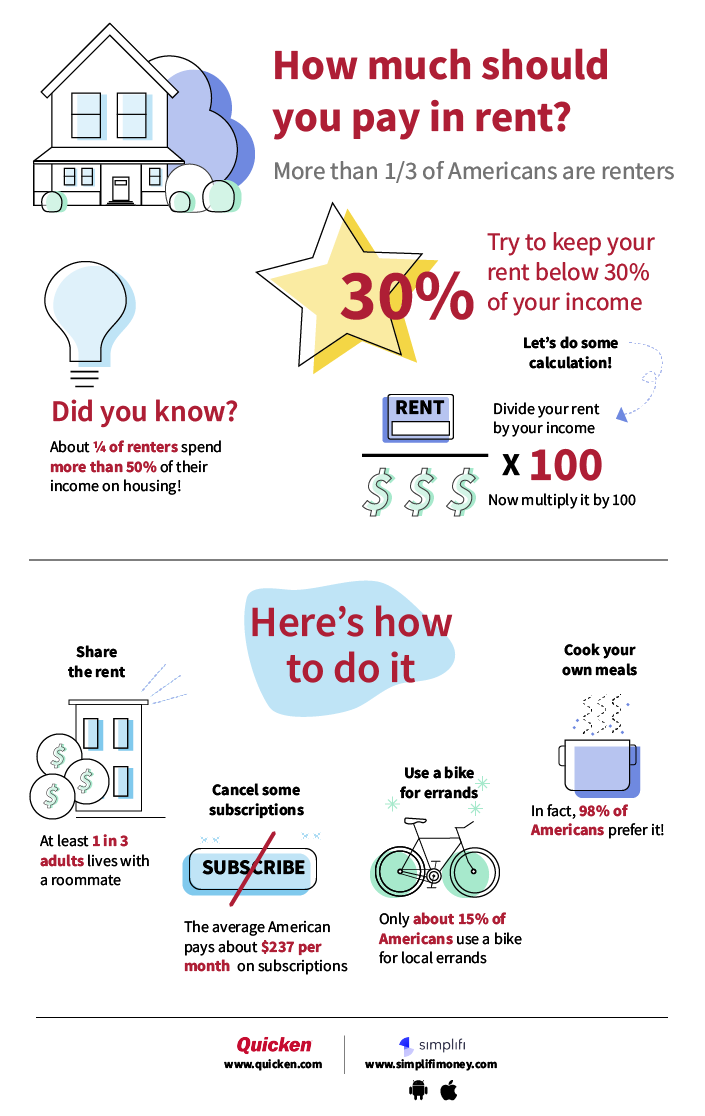
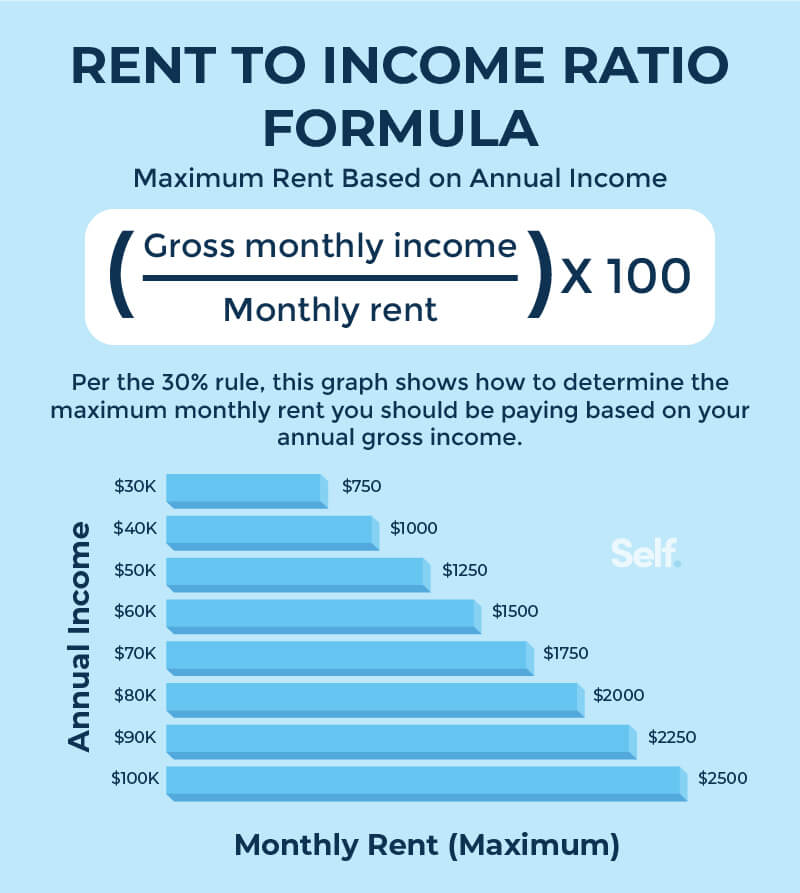
Perhaps the most widely cited rule in personal finance concerning housing is the “30% rule.” This guideline suggests that you should allocate no more than 30% of your gross monthly income (your income before taxes and deductions) to rent. The origins of this rule can be traced back to the 1969 Brooke Amendment to the U.S. Housing Act, which capped public housing rent at 25% of a tenant’s income, later raised to 30% in the 1980s. Its simplicity has made it enduringly popular. The appeal of the 30% rule lies in its straightforwardness: it provides a quick benchmark to assess whether a particular rental property is financially feasible. If your gross monthly income is $5,000, for example, the 30% rule suggests your rent should ideally be no more than $1,500. Adhering to this rule is often seen as a sign of good financial health, leaving ample room for other essential expenses, savings, and discretionary spending.
The 50/30/20 Rule: A Holistic Approach
While the 30% rule focuses solely on housing, the 50/30/20 rule offers a more comprehensive framework for budgeting your entire paycheck. Popularized by Senator Elizabeth Warren in her book “All Your Worth: The Ultimate Lifetime Money Plan,” this rule advocates for dividing your net income (after-tax income) into three main categories:
- 50% for Needs: This category encompasses all essential expenses, including housing (rent/mortgage), utilities, groceries, transportation, insurance, and minimum loan payments.
- 30% for Wants: This covers discretionary spending like dining out, entertainment, hobbies, vacations, and shopping for non-essentials.
- 20% for Savings & Debt Repayment: This portion is dedicated to building an emergency fund, saving for retirement, making additional payments on high-interest debt (beyond minimums), and investing.
Under the 50/30/20 rule, your rent would be just one component of the 50% allocated to needs. This means that if you live in a high-cost-of-living area where rent might naturally consume a larger slice of your income, you would need to adjust other “needs” (like grocery spending or transportation) to stay within that 50% cap. This rule is particularly insightful as it encourages a more balanced financial life, ensuring that savings and debt reduction are prioritized alongside essential living expenses.
The 25% Rule for Savers: A More Aggressive Strategy
For those with aggressive savings goals, higher incomes, or who reside in more affordable areas, a more stringent guideline sometimes comes into play: the 25% rule. This recommendation suggests allocating no more than 25% of your net monthly income to housing. By keeping housing costs lower, this approach frees up a larger portion of your income for accelerated debt repayment, substantial investments, or faster progress towards major financial milestones like early retirement or purchasing a home outright. While more challenging to implement in expensive urban centers, the 25% rule represents a powerful strategy for optimizing long-term wealth creation.
Factors Influencing Your Ideal Rent Percentage
While rules of thumb provide valuable benchmarks, they are not one-size-fits-all solutions. Your ideal rent percentage is profoundly shaped by a confluence of personal and external factors. Understanding these nuances is key to customizing a housing budget that genuinely works for you.
Geographic Location and Cost of Living
Perhaps the most significant determinant of housing costs is your geographic location. Rent prices in major metropolitan areas like New York City, San Francisco, or London are astronomically higher than in smaller towns or rural areas. In high-cost-of-living (HCOL) cities, strictly adhering to the 30% rule might be an unrealistic or even impossible feat, especially for entry-level or median-income earners. Conversely, in low-cost-of-living (LCOL) regions, you might find it relatively easy to stay well below the 30% threshold, allowing for greater savings or discretionary spending. Your location dictates not only rent but also the cost of groceries, transportation, and other services, all of which influence your overall budget flexibility.
Income Level and Stability
Your income level plays a critical role in how flexible you can be with your rent percentage. For individuals with higher incomes, exceeding the 30% rule slightly might be manageable because the remaining 70% still provides a substantial amount for other expenses and savings. A $2,000 rent payment for someone earning $10,000 gross per month (20%) is far more sustainable than for someone earning $4,000 gross (50%). Income stability is also crucial. If your income is irregular or prone to fluctuations (e.g., freelance work, commission-based sales), it’s prudent to err on the side of caution with lower fixed housing costs to weather potential lean periods.
Debt-to-Income Ratio
Your existing debt obligations heavily influence how much you can comfortably allocate to rent. High student loan payments, car loans, or significant credit card debt will reduce the portion of your income available for housing. Lenders often consider your debt-to-income (DTI) ratio when assessing your financial health. A high DTI indicates that a large portion of your income is already committed to debt payments, leaving less room for discretionary spending or even for a significant rent payment. It’s often wiser to prioritize reducing high-interest debt before committing to an expensive rental, as the interest payments can rapidly erode your financial stability.
Lifestyle Preferences and Commute
Your desired lifestyle and daily commute are not just personal choices; they have direct financial implications. Do you prioritize living in a vibrant city center, close to work and entertainment, even if it means higher rent and potentially a smaller living space? Or are you willing to endure a longer commute from a more affordable suburb in exchange for more space or lower housing costs? The trade-off between convenience, amenities, and cost is a personal one. The financial implications of a longer commute (gas, public transport fares, vehicle maintenance) must also be factored into your overall housing budget, as they are intrinsically linked.
Long-Term Financial Goals (Savings, Homeownership)
Ultimately, your long-term financial goals should steer your housing decisions. If saving for a down payment on a home, early retirement, or funding a child’s education is a top priority, then intentionally choosing more affordable housing will significantly accelerate your progress. A lower rent percentage directly translates to a higher savings rate. Conversely, if immediate comfort and living in a specific neighborhood are paramount, you might consciously choose to stretch your housing budget, understanding that it could impact other financial goals or necessitate cuts elsewhere. It’s about aligning your daily spending with your future aspirations.
Beyond the Rent: The True Cost of Housing
Focusing solely on the advertised rent price provides an incomplete picture of your total housing expenditure. A holistic financial plan for housing must account for several additional costs that often surprise first-time renters or those relocating.
Utilities and Monthly Bills
Beyond the base rent, you’ll almost certainly be responsible for utilities. These can include electricity, gas (for heating/cooking), water, sewage, internet, and sometimes trash collection. These costs vary significantly based on location, apartment size, seasonality, and personal consumption habits. It’s crucial to inquire about average utility costs for a specific unit before signing a lease. A seemingly affordable rent can quickly become burdensome if utility bills are excessively high. For instance, an older apartment with poor insulation might have lower rent but significantly higher heating/cooling costs.
Renter’s Insurance: Essential Protection
Often overlooked but critically important, renter’s insurance protects your personal belongings from theft, fire, and other perils. It also typically includes liability coverage, protecting you financially if someone is injured in your rental unit. While generally affordable (often less than $20-30 per month), many landlords now require it as a condition of the lease. Consider it a non-negotiable part of your housing budget, providing invaluable peace of mind for a modest cost.
Furnishing and Setup Costs
Moving into a new place often involves one-time or recurring setup costs. If you’re furnishing an apartment from scratch, the expenses for furniture, appliances (if not included), kitchenware, and decor can quickly add up. Even if you already own furniture, you might face moving expenses, connection fees for utilities and internet, and security deposits (typically one to two months’ rent, though often refundable). While deposits are not a recurring monthly cost, they represent a significant upfront outlay that needs to be budgeted for.
Maintenance and Unexpected Expenses
While landlords are typically responsible for major repairs, renters might still incur minor maintenance costs or face unexpected expenses related to their living situation. This could include replacing light bulbs, minor repairs, or even cleaning supplies specific to the apartment. More importantly, maintaining a small emergency fund specifically for housing-related contingencies (e.g., needing to replace a lost key, professional cleaning fees upon move-out) is a wise financial practice.
Strategies for Managing Housing Costs and Maximizing Savings
Once you understand the rules and factors, the next step is to implement practical strategies to optimize your housing budget, ensuring it supports, rather than hinders, your broader financial goals.
Finding Affordable Housing Options (Roommates, Location Alternatives)
One of the most direct ways to reduce your housing burden is to explore more affordable options. Consider sharing an apartment or house with roommates. Splitting rent, utilities, and other shared costs can significantly lower individual expenses, often allowing you to live in a more desirable area than you could afford alone. Another strategy is to look at housing in adjacent neighborhoods or suburbs. A slight increase in commute time might unlock substantial savings in rent, especially if public transportation is available. Don’t be afraid to broaden your search parameters beyond your initial preferences.
Negotiating Rent and Lease Terms
Many renters are unaware that rent prices, particularly in a competitive or softening market, can be negotiable. It never hurts to ask a landlord or property manager if there’s any flexibility in the monthly rent, especially if you’re a good tenant with a strong credit history, willing to sign a longer lease, or moving during an off-peak season. You might also negotiate on other terms, such as a reduced security deposit, free parking, or specific utility inclusions. Presenting yourself as a reliable, long-term tenant can be a powerful bargaining chip.
Boosting Your Income: Side Hustles and Career Growth
If your rent percentage feels uncomfortably high despite your best efforts to cut costs, the other side of the equation is increasing your income. Explore opportunities for side hustles, freelance work, or part-time employment to supplement your primary income. Dedicate time to skill development and networking to advance your career, which can lead to promotions and salary increases. Even a modest increase in income can significantly reduce your effective rent percentage and improve your overall financial flexibility.
Optimizing Your Overall Budget
Housing costs are intertwined with your entire budget. If your rent is slightly above the recommended percentage, scrutinize other areas of your spending. Are there opportunities to reduce discretionary “wants” (dining out, subscriptions, entertainment) or even some “needs” (cheaper groceries, more efficient transportation)? Using budgeting apps or spreadsheets to track your income and expenses can provide invaluable insights into where your money is actually going and identify areas for adjustment. A holistic approach ensures that any strain from housing is offset by savings elsewhere, maintaining your overall financial health.
Leveraging Financial Tools and Apps
Modern technology offers a plethora of tools to help manage your finances. Budgeting apps like Mint, YNAB (You Need A Budget), or Personal Capital can categorize your spending, track your net worth, and set financial goals, including housing targets. Many of these tools can also alert you if you’re approaching budget limits for specific categories, helping you stay accountable and make informed spending decisions in real-time. Automating savings transfers immediately after getting paid is another powerful strategy to ensure you’re consistently putting money towards your goals, even if your housing costs are a stretch.
Revisiting Your Housing Budget: When and Why
Your financial life is dynamic, and what works today might not work tomorrow. It’s crucial to periodically reassess your housing budget to ensure it remains aligned with your current circumstances and future goals.
Life Changes: New Job, Relationship Status, Family Growth
Major life events are natural triggers for re-evaluating your housing situation. A new job with a higher salary might open up options for a more comfortable living space or allow you to significantly boost your savings. Conversely, a job loss or reduction in income might necessitate downsizing or seeking more affordable housing. Changes in relationship status, like moving in with a partner, getting married, or having children, will drastically alter your household income and expenses, requiring a complete recalibration of your housing budget.
Market Fluctuations and Rent Increases
The rental market itself is constantly in flux. Landlords typically increase rent upon lease renewal, and these increases can sometimes be substantial. If you’re facing a significant rent hike, it’s an opportune moment to analyze whether your current apartment still offers the best value. Research comparable units in your area and weigh the costs of moving versus accepting the increased rent. Sometimes, even a modest market increase can push your rent percentage beyond comfortable limits, signaling it’s time to explore new options.
Achieving New Financial Milestones
As you progress towards your financial goals, your housing strategy might need to evolve. If you’ve diligently saved and are now nearing a down payment for a home, you might temporarily tolerate a higher rent percentage to maximize your savings for that goal. Conversely, if you’ve eliminated high-interest debt, you might choose to redirect those former debt payments into a more comfortable living situation or aggressive investment strategy. Your housing budget is not static; it’s a flexible component of your financial plan designed to support your journey.
In conclusion, determining the “right” percentage of your paycheck for rent is a highly personal decision influenced by a multitude of factors. While rules like the 30% guideline offer a valuable starting point, a comprehensive approach considers your unique income, location, debt, lifestyle, and financial aspirations. By accounting for the true cost of housing, proactively seeking affordable options, and regularly reviewing your budget, you can ensure your housing expenses are a cornerstone of your financial stability, not a source of constant stress.
aViewFromTheCave is a participant in the Amazon Services LLC Associates Program, an affiliate advertising program designed to provide a means for sites to earn advertising fees by advertising and linking to Amazon.com. Amazon, the Amazon logo, AmazonSupply, and the AmazonSupply logo are trademarks of Amazon.com, Inc. or its affiliates. As an Amazon Associate we earn affiliate commissions from qualifying purchases.