
The digital age has profoundly reshaped the landscape of adolescent life, with social media platforms becoming an almost inseparable extension of the teenage experience. Far from being a niche activity, using social media is now a near-universal practice among teens, representing one of the most significant technology trends of the past two decades. Understanding the sheer scale of this engagement requires a deep dive into the technological underpinnings, the platforms themselves, and the evolving digital ecosystems that define modern adolescence. This article will explore the ubiquity, infrastructure, implications, and future trajectory of teen social media usage through a strictly technological lens.
The Ubiquity of Digital Connectivity Among Adolescents
The question of “what percentage of teens use social media” no longer seeks a simple statistic, but rather probes into the near-complete technological saturation of this demographic. Studies consistently show that the vast majority of teenagers are not just aware of social media, but actively participate in its various forms, making it a defining characteristic of their generation’s technological engagement.
A Near-Universal Adoption Rate
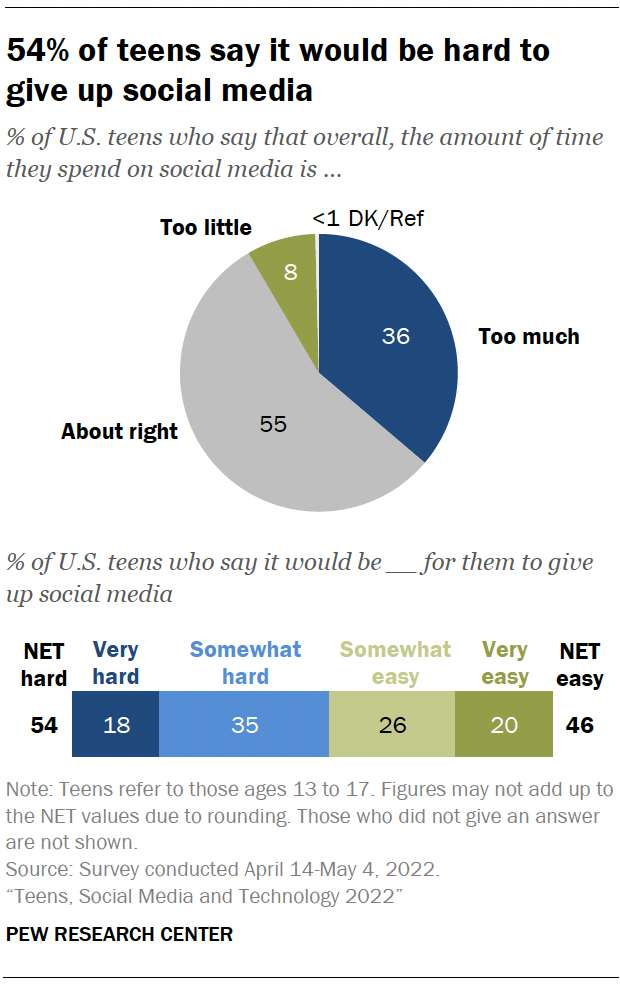
Recent data from organizations like the Pew Research Center consistently report that upwards of 95% of teenagers aged 13-17 in the United States use social media platforms. This staggering figure is not an anomaly but a persistent trend, indicating that social media is no longer an optional digital accessory but a fundamental component of the contemporary teen’s technological environment. This high adoption rate signifies a technological tipping point where online interaction has become a primary, if not the primary, mode of peer connection and information consumption. It reflects a generation that has grown up with pervasive internet access and sophisticated mobile devices, integrating these tools into their daily routines from an early age. The technological barrier to entry is minimal, and the social incentive to participate is immense, creating a self-reinforcing cycle of adoption.
The Smartphone as the Primary Gateway
The exponential rise in teen social media usage is inextricably linked to the widespread availability and sophistication of the smartphone. This compact, powerful computing device serves as the primary gateway for adolescents to access the internet and, by extension, social media platforms. With advanced cameras, high-resolution screens, powerful processors, and ubiquitous mobile data or Wi-Fi connectivity, smartphones offer an unparalleled mobile computing experience optimized for social interaction. They enable instant content creation, sharing, and consumption from virtually anywhere, at any time. The smartphone has democratized access to the digital world, transforming social media from a desktop-centric activity into a constant, always-on presence, profoundly influencing the patterns and intensity of teen engagement.
Evolving Platform Preferences
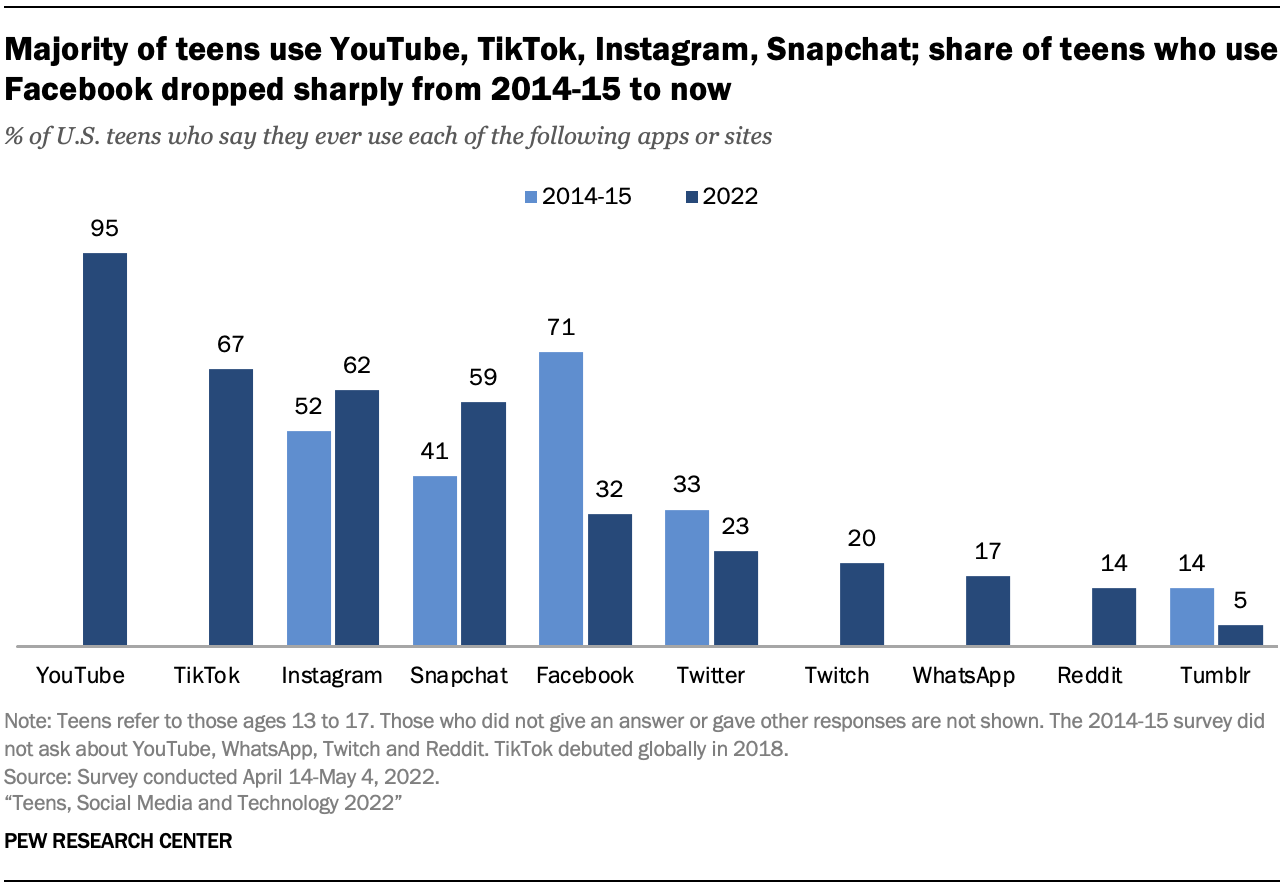
While the overall percentage of teens using social media remains exceptionally high, the specific platforms they favor are in constant flux, representing dynamic shifts in technology trends and user experience preferences. Older platforms like Facebook, once dominant, have seen significant declines in teen engagement as newer, more visually driven, and algorithmically sophisticated applications emerge. Currently, platforms like TikTok, Instagram, and Snapchat tend to capture the lion’s share of teen attention. TikTok, with its short-form video format and highly personalized AI-driven recommendation engine, exemplifies a platform designed for rapid, engaging content consumption and creation. Instagram’s focus on aesthetics and visual storytelling, coupled with features like Stories and Reels, appeals to teens’ desire for curated self-expression. Snapchat pioneered ephemeral messaging and augmented reality (AR) filters, offering a more playful and transient form of communication. These shifts highlight a continuous evolution in platform design, features, and underlying technology, with teens often acting as early adopters and drivers of these trends.
The Technological Infrastructure of Teen Social Media Engagement
Beyond the statistics of usage, it’s crucial to understand how social media platforms are technologically engineered to capture and maintain the attention of teenagers. These platforms are not merely passive conduits for communication; they are complex ecosystems built on sophisticated algorithms, interactive features, and meticulously designed user interfaces, all operating at immense scale.
Algorithms and Personalization
At the heart of modern social media platforms lies advanced algorithmic technology, often powered by artificial intelligence and machine learning. These algorithms continuously analyze vast amounts of user data—what content teens engage with, who they follow, what they search for, and even how long they linger on a post—to create highly personalized feeds. For teens, this means an endless stream of content tailored precisely to their perceived interests, ensuring a higher likelihood of engagement. This personalization can foster a sense of belonging and discovery, connecting teens with niche communities and relevant content. However, it also raises technological questions around filter bubbles, echo chambers, and the potential for algorithmic manipulation, where the tech itself curates their reality, sometimes limiting exposure to diverse viewpoints or amplifying specific types of content. The efficacy of these algorithms in delivering engaging content is a key factor in the high usage rates among teens.
Interactive Features and Rich Media
The technological evolution of social media has moved far beyond simple text-based posts. Today’s platforms are rich media environments, packed with interactive features designed to enhance user engagement. Short-form video, pioneered by platforms like Vine and perfected by TikTok, has become a dominant content format, driven by advancements in mobile video capture and streaming technology. Augmented reality (AR) filters, which overlay digital elements onto real-world images or videos, allow for creative self-expression and playful interactions, a core feature of apps like Snapchat and Instagram. Live streaming capabilities enable real-time interaction with followers, fostering a sense of immediacy and connection. Interactive polls, quizzes, and collaborative content creation tools further transform passive consumption into active participation. These features leverage sophisticated graphics processing, real-time data transfer, and intuitive user interfaces to make content creation and interaction seamless and highly appealing to a digitally native generation.
The Role of Notifications and Gamification
Social media platforms employ intricate notification systems and gamified elements, meticulously engineered to maximize user engagement and retention. Push notifications, delivered directly to a teen’s smartphone, serve as constant digital nudges, alerting them to new content, likes, comments, or messages. These alerts leverage psychological principles to create a sense of urgency and fear of missing out (FOMO), drawing users back into the app repeatedly. Beyond notifications, many platforms incorporate gamified features: “streaks” in Snapchat encourage daily interaction, “likes” and “followers” provide quantifiable metrics of social validation, and leaderboards or achievement badges (though less common directly for teens) reward specific behaviors. These design choices are deeply rooted in behavioral psychology and utilize technological mechanisms to create addictive feedback loops, making it difficult for teens to disengage. From a tech perspective, this involves robust backend systems to track user metrics, real-time data processing for immediate feedback, and sophisticated front-end design to present these elements in an appealing and compelling manner.
Navigating the Digital Landscape: Opportunities and Challenges for Teens (from a Tech lens)
The pervasive technological presence of social media in teen lives presents a dual landscape of opportunities for connection and learning, alongside significant challenges related to digital literacy, security, and well-being. Examining these through a technological lens helps understand the skills and awareness required to navigate this complex environment.
Digital Literacy and Cybersecurity Concerns
With nearly all teens using social media, the need for robust digital literacy skills is paramount. From a technology standpoint, this involves understanding how platforms collect and use personal data, how to manage privacy settings effectively, and how to identify and avoid cybersecurity threats like phishing, malware, or online scams. Teens must learn to critically evaluate information presented online, distinguishing credible sources from misinformation, a challenge exacerbated by the speed and volume of content. The rapid evolution of AI-generated content and deepfakes further complicates this, requiring advanced critical thinking and digital authentication skills. Platforms themselves offer various privacy controls and reporting mechanisms, but their effective use depends entirely on the user’s understanding of their technological capabilities and limitations. Educating teens on these technical aspects of online safety and responsible digital citizenship is crucial for their well-being in an interconnected world.
The Development of Online Communities and Digital Identities
Technology has fundamentally altered the way teens form communities and develop their identities. Social media platforms provide unprecedented opportunities for teens to connect with peers who share niche interests, regardless of geographical boundaries. These online communities, facilitated by forum features, group chats, and shared content, can offer a sense of belonging, support, and validation that might not always be available in their immediate offline environments. Technologically, this involves sophisticated networking capabilities, content tagging systems, and search functions that enable discovery and connection. Concurrently, teens are engaged in the ongoing construction of their “digital identity”—a curated online persona shaped by the content they share, their interactions, and the communities they participate in. This process of digital self-presentation involves navigating privacy settings, understanding algorithmic impacts on visibility, and managing personal branding in a public digital sphere. The tools provided by platforms allow for a dynamic and often fluid expression of self, unique to the digital age.
The Digital Divide and Access
While high percentages of teens use social media, it’s vital to acknowledge that a digital divide, rooted in technological access, still exists. Disparities in access to reliable internet connectivity and up-to-date devices can limit participation, even if the desire to engage is universal. Teens from lower-income households or rural areas may face challenges with slow internet speeds, data caps, or older, less capable devices. This can impact their ability to fully participate in online social life, access educational resources, or develop advanced digital skills. From a technology perspective, this highlights the ongoing challenge of equitable infrastructure development and affordability, ensuring that all adolescents have the necessary tools to navigate and benefit from the increasingly digital world. While the percentage of usage is high, the quality and equity of that usage can still vary significantly based on underlying technological access.
The Future of Teen Social Media: Emerging Technologies and Trends
The landscape of teen social media is anything but static. Driven by rapid technological advancements, the future promises even more immersive, intelligent, and integrated experiences. Understanding these emerging trends is key to anticipating how future generations of teens will interact with the digital world.
The Metaverse and Immersive Experiences
One of the most significant technological shifts on the horizon is the emergence of the metaverse – a persistent, interconnected set of virtual spaces that blends physical and digital realities. For teens, this could mean social interactions moving beyond 2D screens into 3D immersive environments accessed via virtual reality (VR) and augmented reality (AR) headsets. Platforms like Meta’s Horizon Worlds or Roblox (which already has a strong teen user base) offer early glimpses into this future, allowing teens to create avatars, build virtual worlds, and engage in shared experiences. This technology promises a deeper sense of presence and immersion, but also presents new challenges regarding digital safety, data privacy in virtual spaces, and the potential for increased screen time within even more captivating digital realms. The hardware and software advancements required for a truly pervasive metaverse will redefine what “social media” means for future generations.
AI-Powered Content Creation and Curation
Artificial intelligence is already deeply embedded in social media algorithms, but its role is rapidly expanding into content creation itself. Future teens will likely leverage AI tools to generate images, videos, music, and even text for their social media posts, democratizing creative expression regardless of artistic skill. AI-powered editing tools will make professional-grade content accessible to everyone, further blurring the lines between amateur and professional creators. Beyond creation, AI will continue to refine content curation, not just recommending existing content but potentially synthesizing new experiences tailored to individual users in real-time. This could lead to even more personalized and potentially hyper-addictive feeds, raising questions about authenticity, originality, and the impact of entirely algorithm-generated realities on teen development. The interface between human creativity and AI augmentation will be a defining feature of future social platforms.
Shifting Paradigms in Digital Well-being Tools
As awareness grows regarding the potential negative impacts of excessive social media use, there’s a corresponding technological push towards developing more sophisticated digital well-being tools. Current features like screen time limits, app timers, and “do not disturb” modes are relatively basic. The future could see AI-powered well-being assistants that learn a teen’s usage patterns, suggest optimal break times, or even provide personalized insights into their digital habits. Platforms might integrate more advanced features for self-regulation, such as “mindful scrolling” modes or AI-driven nudges that encourage diverse content consumption. The development of ethical AI frameworks will be crucial in designing these tools, ensuring they genuinely support well-being rather than merely optimizing for engagement. This represents a technological shift towards designing platforms not just for maximum usage, but for healthier, more balanced interaction with the digital world.

Conclusion
The overwhelming majority of teenagers today are active participants in the social media ecosystem, a testament to the pervasive integration of technology into their lives. This near-universal adoption rate is driven by the ubiquitous smartphone, sophisticated algorithms, and a constant evolution of interactive, rich media features. From a technological perspective, social media platforms are complex, ever-evolving digital environments, offering both immense opportunities for connection and creative expression, as well as significant challenges related to digital literacy, cybersecurity, and the potential for over-engagement. As we look to the future, emerging technologies like the metaverse, advanced AI for content creation, and more intelligent well-being tools promise to further reshape this landscape. Understanding “what percentage of teens use social media” is merely the starting point; the real insight comes from analyzing the technological forces at play, their continuous evolution, and their profound impact on the digital lives of adolescents worldwide. The digital future for teens will be one of increasing technological immersion, demanding ongoing adaptation and critical engagement with the tools that define their generation.
aViewFromTheCave is a participant in the Amazon Services LLC Associates Program, an affiliate advertising program designed to provide a means for sites to earn advertising fees by advertising and linking to Amazon.com. Amazon, the Amazon logo, AmazonSupply, and the AmazonSupply logo are trademarks of Amazon.com, Inc. or its affiliates. As an Amazon Associate we earn affiliate commissions from qualifying purchases.