
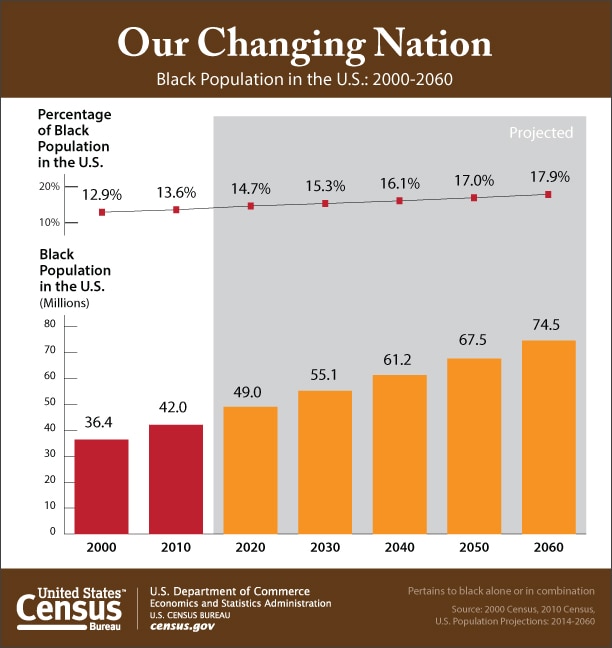
Understanding the demographic fabric of the United States is fundamental to comprehending its social, economic, and cultural landscape. The question “what percentage of people are Black in America?” delves into a core aspect of this national composition, providing a snapshot of diversity that shapes policy, market strategies, and technological innovation. According to the most recent data from the U.S. Census Bureau, the Black or African American population constitutes a significant and dynamic segment of the nation. As of the 2020 Census, individuals identifying as Black or African American alone made up approximately 13.6% of the U.S. population. When considering those who identify as Black or African American in combination with one or more other races, this figure rises slightly. This statistic is more than just a number; it represents a vibrant community with profound historical roots, immense cultural contributions, and an evolving influence across all sectors of American life, particularly within the realms of technology, branding, and finance.

Unpacking the Demographics: Beyond Just a Number
To truly grasp the significance of the Black population percentage in America, it’s essential to look beyond the immediate figure and explore the nuances of demographic data, historical context, and its implications for the future. Demographics are powerful tools that inform everything from political representation to business investment, making accurate and detailed understanding critical.
The Current Landscape and Historical Context
The 13.6% figure for the Black or African American population alone, or the slightly higher percentage when including multiracial identification, reflects a complex demographic journey. Historically, the Black population in America has experienced periods of significant migration, both forced (through slavery) and voluntary (such as the Great Migration of the 20th century). These movements have shaped the geographical distribution of the population, with a notable concentration in the Southern states, as well as in major urban centers across the country. Today, states like Georgia, Maryland, and Mississippi have some of the highest percentages of Black residents, showcasing pockets of deep cultural and community strength.
The relatively stable percentage over recent decades, while the overall U.S. population has diversified through immigration from other global regions, underscores the enduring presence and distinct identity of the Black community. It’s important to note that these figures are collected through self-identification processes, which can evolve over time and across generations, especially with increasing rates of multiracial identification. The U.S. Census Bureau continuously refines its methods to capture the nation’s diversity more accurately, ensuring that these vital statistics reflect the lived realities of Americans.
The Importance of Accurate Data
Accurate demographic data, particularly concerning racial and ethnic groups, is indispensable for a multitude of reasons. For policymakers, it informs decisions on resource allocation for education, healthcare, and infrastructure, ensuring equitable distribution and addressing specific community needs. In the business world, understanding the Black consumer base—its size, purchasing power, and cultural preferences—is crucial for effective market segmentation, product development, and advertising strategies. Beyond economics and policy, these statistics play a vital role in fostering a more inclusive society by highlighting areas where representation might be lacking or where specific challenges need to be addressed. From civil rights advocacy to urban planning, reliable demographic insights empower stakeholders to work towards a more just and equitable future for all Americans.
Tech and the Black Community: Bridging Divides and Fostering Innovation
The intersection of technology and the Black community presents a landscape of both challenges and immense opportunities. While issues of access and representation have historically been prevalent, there’s a growing movement towards leveraging technology to empower, connect, and innovate within the Black population, impacting everything from digital literacy to entrepreneurial ventures.
Digital Inclusion and Access
A foundational concern in the tech sphere is the digital divide—the gap in access to technology, particularly broadband internet, and digital literacy skills among different socioeconomic and racial groups. While this gap has narrowed over time, disparities persist within the Black community, especially in rural areas and lower-income urban neighborhoods. Lack of reliable internet access can hinder educational opportunities, job searching, access to telehealth services, and participation in the digital economy.
However, significant efforts are underway to bridge this divide. Government initiatives, non-profit organizations, and community programs are working to provide affordable internet options, distribute devices, and offer digital literacy training. These programs are vital for ensuring that the Black community can fully participate in and benefit from an increasingly digitized world, transforming technology from a potential barrier into a tool for advancement.
Representation and Entrepreneurship in Tech
Beyond access, representation within the tech industry itself is a critical area of focus. Historically, Black professionals have been underrepresented in STEM fields, particularly in leadership roles at major tech companies and in venture capital-backed startups. This lack of representation can lead to a monoculture within tech development, potentially overlooking diverse user needs and perpetuating biases in algorithms and product design.
Fortunately, there’s a growing push for diversity, equity, and inclusion (DEI) within the tech sector. Organizations are actively working to recruit, retain, and promote Black talent, fostering more inclusive workplaces. Simultaneously, Black entrepreneurship in tech is flourishing. Black founders are launching innovative startups, addressing market gaps, and building solutions tailored to diverse communities. These entrepreneurs often face unique challenges in securing venture capital, but dedicated funds and accelerators are emerging to support and amplify their ventures, contributing to a more diverse and dynamic tech ecosystem. The rise of AI also presents both opportunities and risks; ensuring diverse representation in AI development is crucial to mitigate algorithmic bias and create truly equitable technological solutions.
Leveraging Tech for Community Empowerment
Technology is increasingly becoming a powerful tool for community empowerment within the Black population. Apps and digital platforms are being developed to support Black-owned businesses, connect professionals, and facilitate educational initiatives. From e-commerce platforms dedicated to Black entrepreneurs to social networks focused on Black cultural exchange, technology is enabling greater economic solidarity and community building.
Moreover, technology plays a crucial role in social justice advocacy. Platforms like social media have become indispensable for organizing movements, sharing information, and raising awareness about issues affecting the Black community. Productivity tools, digital security solutions, and educational apps are also empowering Black professionals and students to enhance their skills, protect their digital presence, and pursue new opportunities, fundamentally transforming how individuals and communities engage with the modern world.
Branding and Identity: Shaping Narratives and Economic Power
In an increasingly interconnected world, branding extends far beyond corporate logos; it encompasses the narratives we build, the identities we project, and the perceptions we cultivate. For the Black community, branding is a powerful mechanism for cultural expression, economic empowerment, and the shaping of authentic narratives that challenge stereotypes and celebrate heritage.
Personal Branding in a Diverse World
The rise of digital platforms has democratized personal branding, allowing individuals to curate their online presence and establish themselves as thought leaders, artists, entrepreneurs, or advocates. For Black professionals and creatives, personal branding is particularly vital. It offers a unique opportunity to control one’s narrative, showcase expertise, and connect with audiences globally. From influencers on social media platforms to entrepreneurs building their personal brand around their business, the ability to authentically represent oneself can open doors to new collaborations, career opportunities, and community impact.
Navigating authenticity and representation is a continuous journey, as individuals balance personal expression with professional aspirations. Effective personal branding for Black individuals often involves highlighting unique cultural perspectives, resilience, and contributions, thereby enriching the broader digital landscape and inspiring others.
Corporate Branding and Diversity
For corporations, understanding and authentically engaging with the Black consumer market is not just a matter of social responsibility but a strategic imperative. The Black community wields significant purchasing power, and brands that genuinely resonate with its values, culture, and aspirations stand to gain immense loyalty and market share. This requires more than superficial marketing; it demands a deep understanding of cultural nuances, a commitment to diverse representation in advertising, and a demonstrated dedication to equity within the company’s operations and leadership.
Case studies of successful corporate branding initiatives often reveal companies that have moved beyond tokenism, embracing diversity in their internal structures and partnering with Black creators, entrepreneurs, and community organizations. Brand strategy must be culturally sensitive, avoiding stereotypes and genuinely reflecting the diversity of the target audience. Building a strong brand reputation in the Black community hinges on authenticity, consistent messaging, and a commitment to shared values, whether through product design, marketing campaigns, or corporate social responsibility efforts.
Building and Protecting Black-Owned Brands
Black entrepreneurs face unique challenges in establishing and growing their brands, from securing adequate funding to combating marketplace biases. However, the landscape for Black-owned businesses is evolving, with increased awareness and support from consumers and investors. Building a successful Black-owned brand requires a robust brand strategy that defines its unique value proposition, target audience, and market positioning.
Marketing and design play crucial roles in this process, ensuring that the brand identity is visually appealing, memorable, and culturally relevant. Furthermore, reputation management is paramount. In a digital age, customer reviews, social media discourse, and public perception can make or break a brand. Black entrepreneurs often leverage storytelling, community engagement, and digital marketing tools to build strong, resilient brands that not only achieve commercial success but also contribute to economic empowerment and cultural pride within their communities.
Money and Wealth: Pathways to Economic Equity
The economic realities of the Black community in America are marked by both persistent disparities and a powerful drive towards financial empowerment and wealth creation. Understanding the historical context and current challenges is crucial for identifying pathways to greater economic equity and stability.
Understanding the Wealth Gap
One of the most enduring and significant challenges facing the Black community is the persistent wealth gap. Rooted in centuries of systemic oppression, discriminatory policies (such as redlining, unequal access to education, and employment discrimination), and economic disadvantage, this gap is evident in disparities in income, homeownership rates, and overall net worth compared to other racial groups. Data consistently shows that Black households have significantly less wealth on average, making them more vulnerable to economic shocks and limiting opportunities for intergenerational wealth transfer.
Addressing the wealth gap requires a multi-faceted approach, including policy reforms, targeted investment in Black communities, and initiatives aimed at improving financial literacy and access to capital. Recognizing these historical and structural barriers is the first step towards formulating effective strategies for economic justice.
Financial Empowerment and Investment Strategies
Despite systemic challenges, there is a powerful movement within the Black community towards financial empowerment. This includes a growing emphasis on personal finance education—budgeting, saving, debt management, and understanding credit. Financial tools and apps, often powered by technology, are playing an increasingly important role in helping individuals manage their money effectively.
Investment strategies are also gaining traction, with more Black Americans exploring options like stock market investing, real estate acquisition, and even emerging asset classes like cryptocurrency. Overcoming historical exclusion from financial markets, many are seeking to build portfolios that can generate passive income and contribute to long-term wealth. Community-based financial literacy programs, mentorship initiatives, and accessible financial planning services are vital in equipping individuals with the knowledge and tools needed to make informed investment decisions and build financial resilience.
Entrepreneurship, Online Income, and Building Generational Wealth
Entrepreneurship has historically been a cornerstone of economic advancement for the Black community, and this trend continues to thrive in the digital age. Black-owned businesses are a critical engine for job creation and wealth accumulation within their communities. The rise of online income opportunities and side hustles, facilitated by e-commerce platforms and the gig economy, has lowered barriers to entry for many aspiring Black entrepreneurs. From selling handcrafted goods online to providing consulting services or creating digital content, individuals are leveraging technology to generate income and build independent ventures.
Access to capital remains a significant hurdle for many Black-owned businesses, but the landscape is slowly improving with the emergence of diverse funding sources, including community development financial institutions (CDFIs), angel investors, and venture capital firms specifically focused on underrepresented founders. The ultimate goal for many is to build generational wealth—assets, investments, and businesses that can be passed down to future generations, providing a foundation for economic security and upward mobility that helps to counteract historical disadvantages.
Conclusion
The question “what percentage of people are Black in America?” provides a vital numerical starting point for understanding the nation’s demographics. At approximately 13.6% (or slightly higher when including multiracial identification), the Black population represents a cornerstone of American society, rich in history, culture, and influence. This percentage is not merely a statistic; it is a living indicator of a community that is dynamically shaping and being shaped by the interconnected forces of technology, branding, and money.
From bridging the digital divide and fostering innovation in tech, to crafting authentic narratives through branding, and relentlessly pursuing economic equity through entrepreneurship and savvy financial strategies, the Black community demonstrates profound resilience and ambition. The ongoing efforts to address historical disparities and cultivate opportunities in these critical sectors are essential for achieving a more equitable, prosperous, and truly inclusive America. Recognizing and supporting the vibrant contributions of the Black population is not just a moral imperative, but a strategic necessity for the nation’s continued growth and success across all its diverse facets.
aViewFromTheCave is a participant in the Amazon Services LLC Associates Program, an affiliate advertising program designed to provide a means for sites to earn advertising fees by advertising and linking to Amazon.com. Amazon, the Amazon logo, AmazonSupply, and the AmazonSupply logo are trademarks of Amazon.com, Inc. or its affiliates. As an Amazon Associate we earn affiliate commissions from qualifying purchases.