
To understand the financial trajectory of the United States, one must first understand the composition of its workforce and consumer base. Currently, immigrants represent approximately 13.7% to 13.9% of the total U.S. population, according to recent American Community Survey data. While this figure is often discussed through a sociological lens, its true significance lies in the realm of “Money”—specifically, how this 45-million-strong demographic functions as a primary driver of GDP growth, tax revenue, and entrepreneurial innovation.
From a personal finance and macroeconomic perspective, the percentage of immigrants in the U.S. is more than just a census statistic; it is a vital indicator of the nation’s fiscal health. This article explores the deep financial implications of these demographics, focusing on labor market dynamics, tax contributions, and the massive purchasing power that fuels the American economy.

The Macroeconomic Landscape: Immigration as a Growth Catalyst
The relationship between population growth and economic prosperity is direct. In an era where domestic birth rates are declining, the percentage of immigrants in the U.S. serves as a critical buffer against economic stagnation. Without the steady influx of foreign-born workers, the U.S. labor force would eventually shrink, leading to a contraction in productive capacity.
Immigration and GDP Expansion
Economists generally agree that immigration increases the total output of the economy. By expanding the labor force, immigrants allow for increased production of goods and services. According to the Congressional Budget Office (CBO), the recent surge in immigration is projected to boost the U.S. GDP by about $7 trillion over the next decade. This growth isn’t just a result of more people spending money; it’s a result of increased labor supply meeting the demands of a growing digital and physical infrastructure. For investors, this represents a broader market and more opportunities for capital appreciation in domestic equities.
Countering the Demographic Cliff
The U.S., like many developed nations, is facing a “demographic cliff”—an aging population that threatens the sustainability of social safety nets. The immigrant population is, on average, younger than the native-born population. This age distribution is financially advantageous. A younger workforce means a higher ratio of workers to retirees, which is essential for the solvency of systems like Social Security and Medicare. By maintaining a robust percentage of working-age immigrants, the U.S. effectively imports “human capital” that has already been raised and educated elsewhere, providing an immediate fiscal net positive to the American economy.
Labor Market Dynamics and Human Capital Investment
When we look at the financial tools and business finance sectors, the role of immigrants is foundational. Immigrants are not a monolithic group; they occupy critical roles across the entire economic spectrum, from high-tech engineering to essential service industries.
Bridging the High-Value Skills Gap
In the sectors of technology and finance—areas where the U.S. maintains a global competitive advantage—immigrants play a disproportionate role. A significant percentage of H-1B visa holders work in specialized fields such as software development, data science, and quantitative analysis. These individuals contribute to “knowledge clusters” that attract venture capital and drive stock market valuations. For a business to scale in the modern economy, it requires access to global talent. The ability of the U.S. to attract these high-earners ensures that the “Money” remains within the domestic ecosystem.
The Entrepreneurial Spirit and Job Creation
One of the most compelling financial arguments for a healthy immigrant population is their propensity for entrepreneurship. Immigrants are nearly twice as likely to start a business as native-born citizens. According to data from the National Foundation for American Policy, more than half (55%) of America’s billion-dollar startup companies (unicorns) were founded by immigrants. These companies create thousands of jobs, generate billions in payroll, and provide lucrative opportunities for institutional and retail investors alike. From a business finance perspective, the “immigrant premium” in entrepreneurship is a primary driver of American innovation and wealth creation.
Fiscal Contributions and Social Safety Net Sustainability
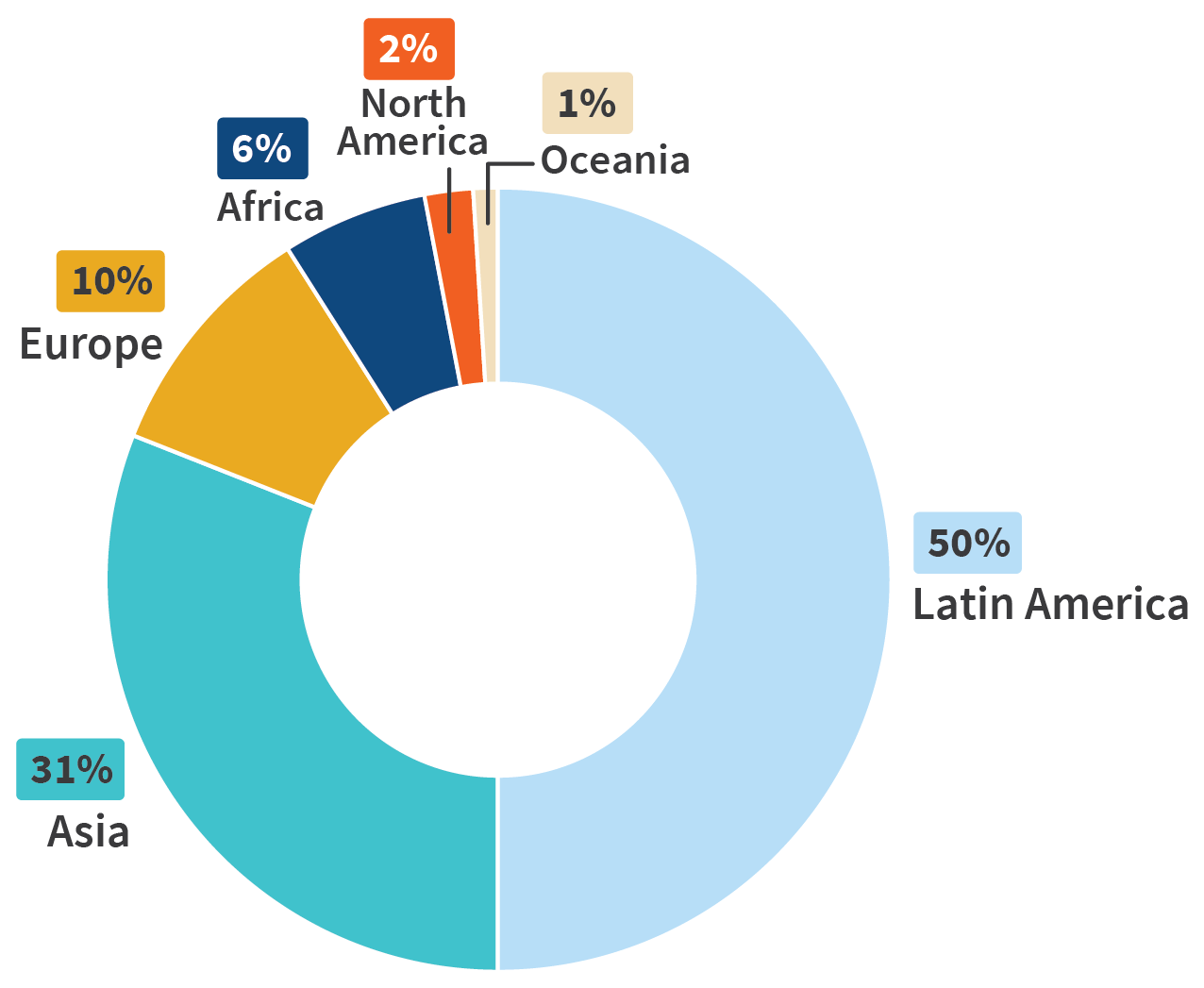
A common question in personal finance circles is whether the tax contributions of immigrants outweigh the cost of public services. When analyzed through a purely fiscal lens, the data suggests a strong positive correlation between immigration and net tax revenue.
Tax Revenue and Net Fiscal Impact
Immigrants, regardless of their legal status, contribute significantly to federal, state, and local coffers. According to the Institute on Taxation and Economic Policy (ITEP), undocumented immigrants alone pay billions in taxes annually, including sales, excise, and property taxes. For those with legal work authorization, the contributions to federal income tax and payroll taxes are even more substantial. Because many immigrants are in their peak earning years, they contribute more to the system in taxes than they consume in services, which are often weighted toward the very young and the very old.
Bolstering Social Security and Medicare
From a long-term financial planning perspective, the solvency of the Social Security Trust Fund is a major concern for all Americans. Immigrants are a net positive for this fund. Many immigrants pay into the system through payroll deductions but may never claim benefits, or they will claim them much later. This creates a “fiscal dividend” that helps keep the system liquid for all beneficiaries. In essence, the 13.7% of the population that is foreign-born provides a critical subsidy to the financial security of the aging native-born population.
Investment Opportunities and Emerging Consumer Markets
For businesses and personal investors, the immigrant demographic represents one of the fastest-growing consumer markets in the United States. Understanding the “Money” behind this demographic is key to successful market positioning and portfolio management.
The Trillion-Dollar Purchasing Power
The collective purchasing power of immigrant households is a massive economic force. Research by the American Immigration Council indicates that immigrant households hold over $1.3 trillion in combined spending power. This capital flows into the real estate market, the automotive industry, and the retail sector. For companies looking to expand their revenue base, tailoring services to the multicultural and immigrant market is no longer optional—it is a financial necessity.
Real Estate and Urban Development Trends
In many parts of the U.S., immigration has been the primary factor preventing urban decay and falling property values. Immigrants are significant participants in the real estate market, often revitalizing neighborhoods that have seen domestic out-migration. For real estate investors (REITs) and individual landlords, this creates a steady demand for housing. Furthermore, the high rate of immigrant homeownership contributes to local property tax bases, which in turn funds local infrastructure and education, creating a virtuous cycle of economic development and increased asset values.
Strategic Financial Implications for the Future
As the U.S. navigates an increasingly complex global economy, the percentage of the population that is foreign-born will remain a cornerstone of its financial strategy. Whether it is through filling labor shortages in the healthcare sector or driving the next wave of AI innovation in Silicon Valley, the financial impact of immigrants is pervasive and profound.
Managing Wealth in a Globalized Economy
For the individual investor or the corporate treasurer, understanding these demographic shifts is crucial for risk management and opportunity identification. The sectors that benefit most from immigration—technology, healthcare, construction, and services—are often the same sectors that provide the most consistent returns in a diversified portfolio. Keeping an eye on immigration policy is not just a matter of following the news; it is a matter of fundamental analysis for anyone concerned with the long-term health of the U.S. dollar and the domestic economy.
Conclusion: The Bottom Line on Immigrant Demographics
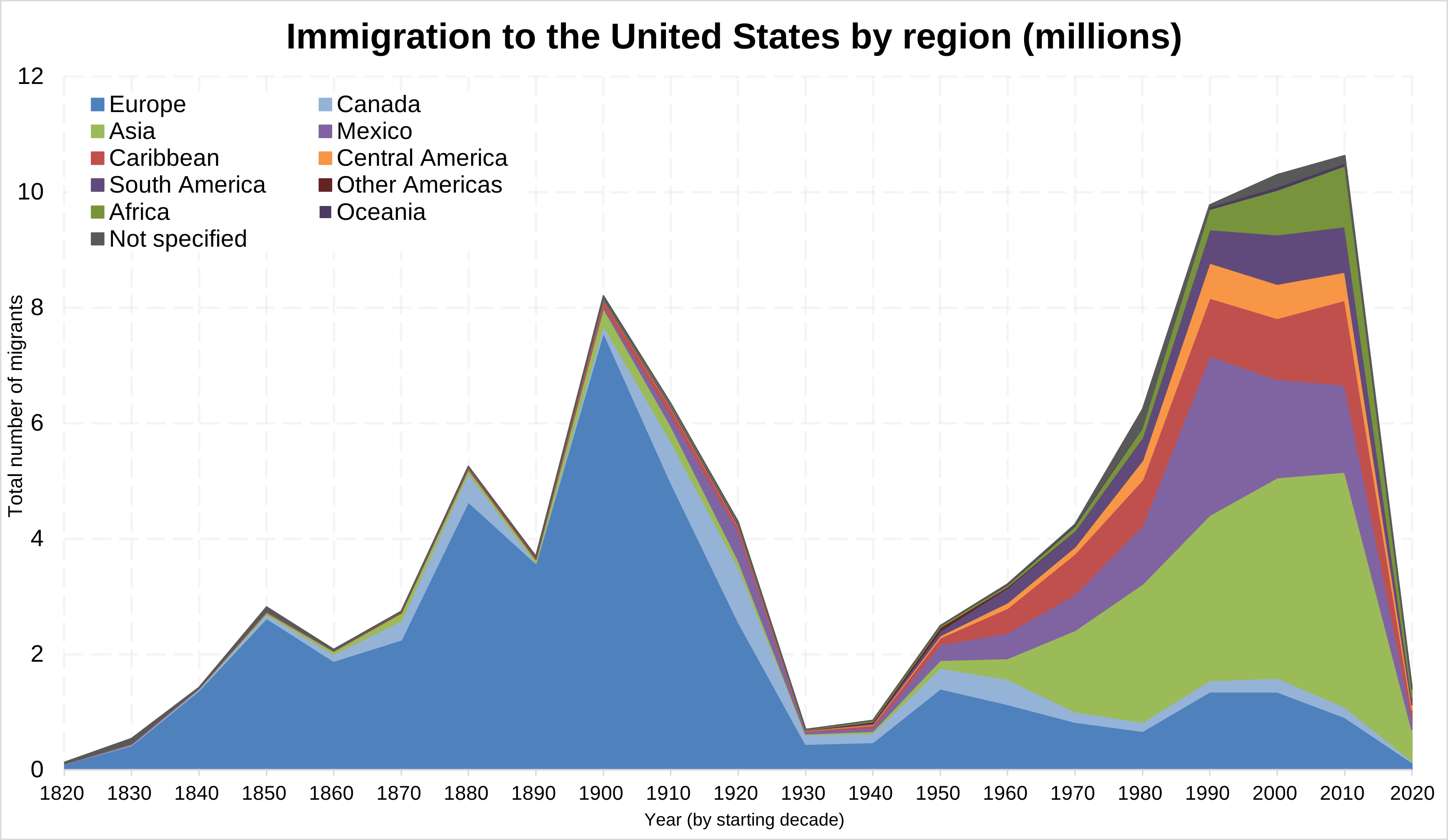
While the question “what percent of the US are immigrants” may seem like a simple data point, it is actually the key to a complex financial puzzle. At roughly 14%, this group is a powerhouse of economic activity. They are the entrepreneurs starting the next generation of blue-chip companies, the workers sustaining our national retirement funds, and the consumers driving trillion-dollar markets.
From the perspective of “Money,” immigration is an investment in the future of the American economy. It provides the human capital necessary for innovation, the tax revenue required for infrastructure, and the demographic balance needed for long-term fiscal stability. As we look toward the mid-21st century, the financial vitality of the United States will remain inextricably linked to its ability to integrate and leverage the talents of its immigrant population. For those focused on finance, investing, and business growth, the data is clear: the immigrant contribution is not just a part of the economy—it is the engine that keeps it moving forward.
aViewFromTheCave is a participant in the Amazon Services LLC Associates Program, an affiliate advertising program designed to provide a means for sites to earn advertising fees by advertising and linking to Amazon.com. Amazon, the Amazon logo, AmazonSupply, and the AmazonSupply logo are trademarks of Amazon.com, Inc. or its affiliates. As an Amazon Associate we earn affiliate commissions from qualifying purchases.