
In the rapidly evolving landscape of digital culture, phrases often transcend their literal meanings to become powerful semiotic markers. The recent explosion of the “I’m just a girl” trend across platforms like TikTok and Instagram is a prime example. While on the surface it appears to be a whimsical, self-deprecating caption used by Gen Z and Millennials, for brand strategists and marketers, it represents a significant shift in consumer psychology and identity-based marketing. Understanding what “I’m just a girl” means in a professional context requires a deep dive into the mechanics of micro-trends, the evolution of the “relatability” economy, and the strategic pivot from the “Girlboss” era to “Soft Branding.”

The Anatomy of a Viral Identity: Decoding the “I’m Just a Girl” Phenomenon
To understand the branding implications, one must first decode the cultural resonance of the phrase. “I’m just a girl” is a rhetorical tool used to excuse minor inconveniences, justify indulgent purchases (often linked to “Girl Math”), or simply celebrate a state of being that prioritizes leisure and aesthetic pleasure over the high-pressure demands of traditional success.
From Subculture to Mainstream: The Lifecycle of Digital Slang
The lifecycle of a digital trend like “I’m just a girl” follows a predictable but accelerating path. It begins in niche digital subcultures, gains momentum through algorithmic repetition, and eventually peaks when it enters the lexicon of corporate social media managers. For a brand, the challenge lies in identifying the “inflection point”—the moment when a trend is popular enough to be recognizable but not yet so overused that it becomes “cringe.”
The phrase functions as a shibboleth; it signals to an audience that a brand understands the current emotional climate. In a post-pandemic world characterized by burnout, the shift away from the “hustle culture” of the 2010s toward a more forgiving, whimsical identity is a powerful narrative for brands to tap into.
The Hyper-Feminine Pivot in Digital Identity
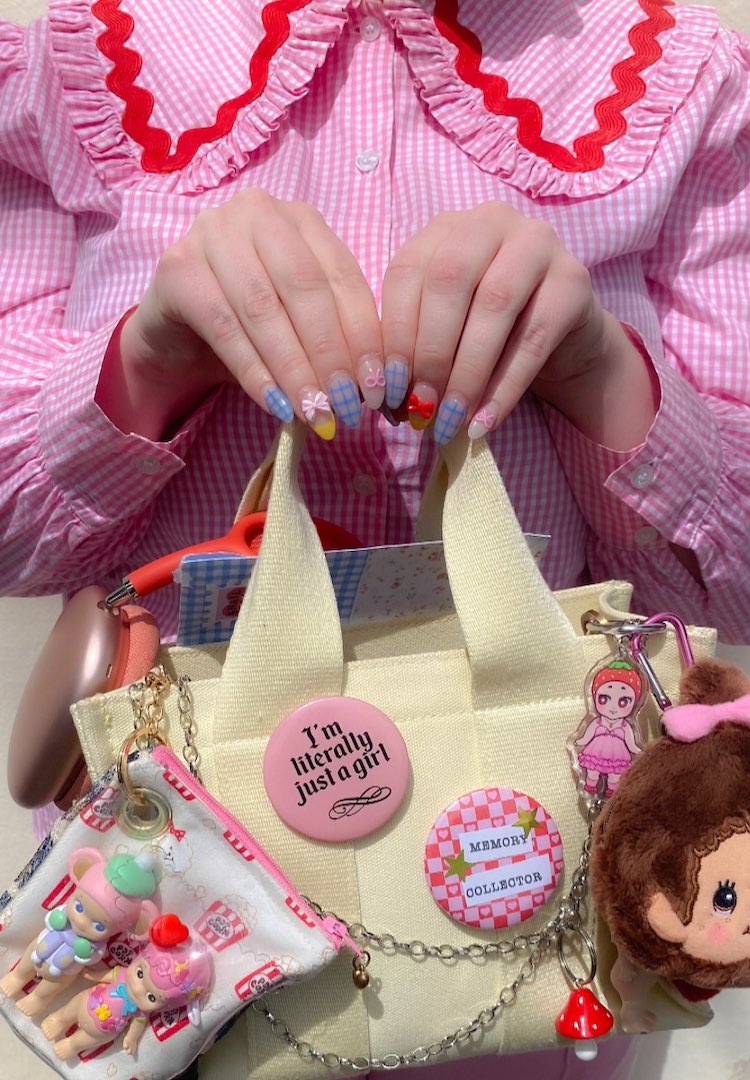
The trend also marks a return to hyper-femininity, often referred to as “Coquette” or “Girlcore” aesthetics. Unlike the power-suit feminism of previous decades, “I’m just a girl” embraces vulnerability and “softness” as a form of rebellion against corporate stoicism. For brands in the beauty, fashion, and lifestyle sectors, this means a shift in visual storytelling. Marketing materials are moving away from the “high-achiever” imagery toward candid, low-fidelity, and emotionally resonant content that mirrors the “just a girl” ethos.
The Commercialization of Vulnerability: Why Brands are Listening
In contemporary brand strategy, vulnerability is a high-value currency. Consumers, particularly Gen Z, have developed a sophisticated “authenticity radar.” They are increasingly repelled by polished, corporate perfection and are instead drawn to brands that can “vibe” with them. The “I’m just a girl” trend provides a template for this type of engagement.
The “Relatability” Currency in 2024
The phrase acts as a bridge between the consumer’s personal life and the brand’s commercial goals. When a brand uses this trend, it is essentially saying, “We see your daily struggles, your small joys, and your irrational decisions, and we are right there with you.” This builds brand equity by humanizing the corporate entity.
However, the “relatability” currency is volatile. If a financial institution uses “I’m just a girl” to excuse a lack of transparency, it fails. But if a beverage brand uses it to describe the need for a “mid-day treat” despite having work to do, it succeeds. The strategy lies in matching the trend to a low-stakes consumer pain point.
Case Studies in High-Friction vs. Low-Friction Brand Adoption
Looking at successful brand adoptions, we see a pattern of “low-friction” integration. For example, beauty brands like Sephora or Ulta have successfully leveraged this sentiment to validate “treat culture.” By framing a luxury skincare purchase not as a necessity, but as a “just a girl” whim, they remove the friction of consumer guilt.
Conversely, “high-friction” adoption occurs when a brand tries to force the trend into a serious context. A luxury car manufacturer or a high-end B2B software firm using “I’m just a girl” would likely face backlash for being patronizing or out of touch. The lesson for brand managers is that the trend must align with the brand’s established “voice” and the consumer’s expectations of that brand’s role in their life.
Strategic Implementation: Leveraging Meme Culture Without Losing Brand Equity

For a brand to successfully navigate the “I’m just a girl” trend, it must move beyond mere mimicry. It requires a strategic framework that balances trend participation with long-term brand identity.
Avoiding the “How Do You Do, Fellow Kids?” Trap
The greatest risk in leveraging viral trends is appearing inauthentic. This is often referred to in marketing circles as the “Steve Buscemi effect,” where a brand’s attempt to be “hip” only serves to highlight its distance from the target demographic. To avoid this, brands must ensure that their participation in the “I’m just a girl” trend is native to the platform they are using. This means using the right sounds, the right visual filters, and, most importantly, the right self-aware tone.
Brand managers should ask: Does this trend participation solve a creative problem, or are we just checking a box? If the participation doesn’t feel like a natural extension of the brand’s personality, it is better to sit the trend out.
Balancing Trend Participation with Core Values
While “I’m just a girl” is a playful trend, brands must be careful not to accidentally undermine their core values. For companies that have spent years building a reputation for empowering women, adopting a trend that leans into “helplessness” requires a delicate touch. The key is to treat it as a humorous acknowledgment of the human condition rather than a literal statement of capability.
Strategic implementation involves “the pivot”: starting with the trend but ending with the brand’s value proposition. For instance: “I’m just a girl (trying to survive Monday), but this coffee actually makes me a functional human.” This acknowledges the meme while refocusing the narrative on the product’s utility.
The Psychology of “Girlhood” as a Marketing Demographic
The “I’m just a girl” trend is part of a broader marketing shift toward “Girlhood” as an inclusive, cross-generational state of mind rather than a literal age bracket. This has profound implications for how brands segment their audiences.
The Shift from Empowerment to Whimsical Acceptance
For decades, marketing to women was centered on “Empowerment”—the idea that products could help women “have it all.” The “I’m just a girl” trend suggests a fatigue with this narrative. Today’s consumers are increasingly interested in “Whimsical Acceptance”—the idea that it is okay to be messy, to be tired, and to prioritize self-care over self-improvement.
Brands that can pivot their messaging from “This product will make you a CEO” to “This product will make your afternoon a little better” are finding greater resonance. This is the core of the “I’m just a girl” meaning in a brand context: it is a permission slip for the consumer to lower their guard.
Consumer Behavior and the “Treat Culture” Ecosystem
The “I’m just a girl” sentiment is the psychological engine behind “Treat Culture.” In a fluctuating economy, consumers may forego large purchases like homes or cars but will indulge in “micro-luxuries”—a $7 latte, a new lip gloss, or a scented candle.
Brand strategy must now account for these “emotional transactions.” By positioning products within the “I’m just a girl” ecosystem, brands are not selling a utility; they are selling a moment of emotional regulation. Understanding this allows brands to optimize their digital storefronts, packaging, and social media presence to cater to the “treat” impulse.
Conclusion: The Future of Identity-Driven Branding
The “I’m just a girl” trend is more than a passing TikTok fad; it is a symptom of a larger shift in how consumers interact with brands. It highlights a move away from aspirational, “perfect” branding toward a model that is communal, humorous, and deeply human.
For brand strategists, the takeaway is clear: the modern consumer does not want to be sold a dream of perfection; they want to be seen in their reality. Whether it is through “Girl Math,” “I’m just a girl,” or whatever the next viral phrase may be, the brands that win will be those that can speak the language of the cultural moment with irony, empathy, and strategic precision. In the end, “I’m just a girl” is a masterclass in modern brand positioning—reminding us that sometimes, the most effective way to connect with an audience is to stop trying so hard to be a “brand” and start trying a little harder to be a “person.”
aViewFromTheCave is a participant in the Amazon Services LLC Associates Program, an affiliate advertising program designed to provide a means for sites to earn advertising fees by advertising and linking to Amazon.com. Amazon, the Amazon logo, AmazonSupply, and the AmazonSupply logo are trademarks of Amazon.com, Inc. or its affiliates. As an Amazon Associate we earn affiliate commissions from qualifying purchases.