
When discussing the prevalence of Alcohol Use Disorder (AUD)—the clinical term for what is commonly referred to as alcoholism—the conversation often centers on public health and social welfare. However, from the perspective of personal finance, corporate strategy, and macroeconomic stability, the “percentage” of the population struggling with alcohol is a vital economic indicator. Understanding what percent of people are alcoholics is not just a medical inquiry; it is a fundamental deep dive into the hidden costs of modern business and the erosion of individual wealth.
Understanding the Numbers: Prevalence and the Macroeconomic Burden
To understand the financial weight of alcohol misuse, one must first look at the raw data regarding its prevalence. According to the National Survey on Drug Use and Health (NSDUH), approximately 10% to 11% of adults in the United States aged 18 and older meet the criteria for Alcohol Use Disorder in any given year. Globally, the World Health Organization (WHO) estimates that alcohol-related issues affect roughly 5% to 8% of the adult population, with significantly higher concentrations in high-income, industrialized nations.
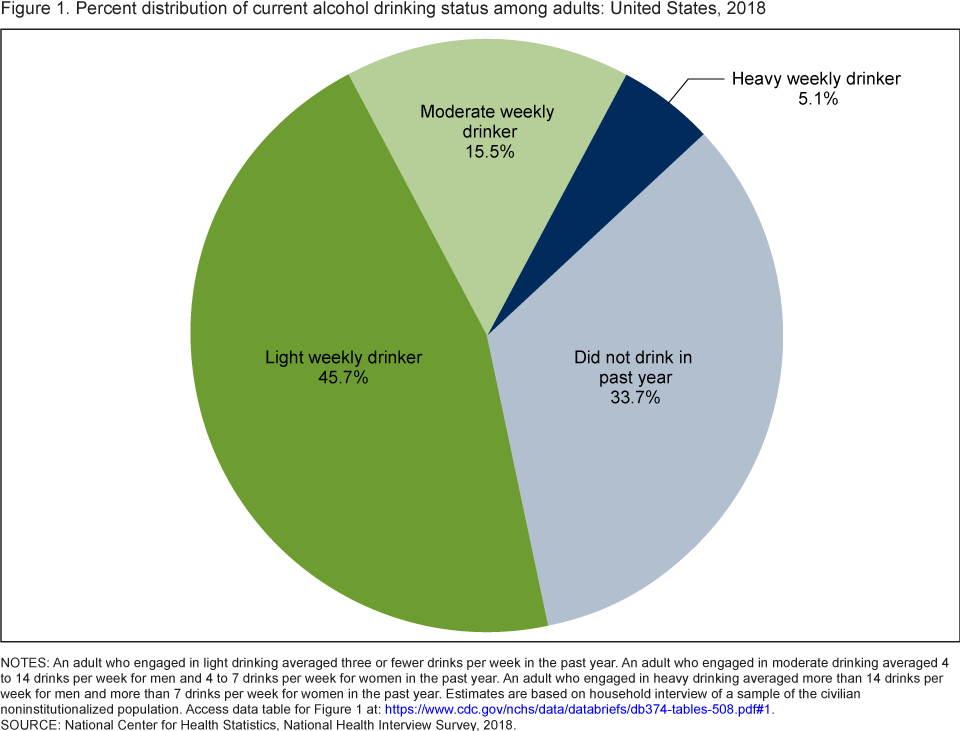
Global and National Percentages
While the 10% figure provides a baseline for the United States, the nuances of these statistics reveal a more complex financial picture. High-functioning AUD often goes unreported, meaning the actual percentage of the workforce impacted may be higher than official clinical diagnoses suggest. When we move beyond the “alcoholic” label and look at “heavy drinkers”—defined by the CDC as 15 or more drinks per week for men—the percentage climbs, directly correlating with a higher risk of financial instability and professional decline.
The Trillion-Dollar Drain
From a macroeconomic standpoint, these percentages translate into a staggering fiscal burden. In the United States alone, the cost of excessive alcohol consumption is estimated at nearly $250 billion annually. When expanded to a global scale, the drain on GDP is measured in trillions. These costs are not evenly distributed; they are comprised of lost productivity, increased healthcare spending, legal and criminal justice costs, and property damage. For economists and policy analysts, the “10%” represents a systemic leakage of capital that could otherwise be diverted toward innovation, infrastructure, and sustainable investment.
The Workplace Ledger: How Addiction Impacts Corporate Bottom Lines
The workplace is the primary arena where the financial implications of AUD are felt most acutely. Since the vast majority of people with alcohol-related struggles are part of the active labor force, businesses bear the brunt of the fiscal fallout. A 10% prevalence rate means that in a company of 1,000 employees, approximately 100 individuals are likely navigating some stage of AUD, impacting team dynamics and the company’s P&L statement.
Absenteeism vs. Presenteeism
The most visible financial hit to a corporation is absenteeism—days missed due to hangovers, illness, or alcohol-related legal issues. However, “presenteeism” is often more expensive. This occurs when an employee is physically at their desk but cognitively impaired or experiencing withdrawal symptoms. Studies indicate that presenteeism among employees with AUD can lead to a 30% to 50% reduction in individual productivity. For a high-salary professional, this represents a significant loss of “human capital ROI” for the employer.
Workplace Safety and Liability
In sectors such as manufacturing, logistics, and construction, the financial risks escalate from lost time to massive liability. Alcohol is a factor in a significant percentage of workplace accidents. The legal fees, workers’ compensation claims, and increases in insurance premiums following an alcohol-related incident can cripple a small to mid-sized enterprise. Furthermore, the cost of turnover—recruiting, onboarding, and training a replacement for an employee terminated due to alcohol-related performance issues—typically costs a business 1.5 to 2 times that employee’s annual salary.
The Microeconomic Impact: Personal Finance and Individual Wealth Erosion
On an individual level, the percentage of a person’s income diverted toward alcohol can be the difference between a comfortable retirement and financial ruin. Alcoholism is an “aggressive expense” that attacks both the liquid assets and the long-term earning potential of an individual.

The Direct Cost of Consumption
For an individual with AUD, the daily expenditure on alcohol is only the tip of the iceberg. A modest estimate of $20 per day on alcohol amounts to $7,300 per year. If that same amount were invested in a diversified index fund with a 7% average annual return, it would grow to over $100,000 in ten years and nearly $300,000 in twenty years. This “opportunity cost” is a silent killer of personal wealth, often unnoticed until a financial crisis occurs.
Healthcare and Legal Liabilities
The secondary financial impacts of AUD are often catastrophic. Individuals struggling with chronic alcohol use face significantly higher health insurance premiums and out-of-pocket medical expenses due to liver disease, cardiovascular issues, and weakened immune systems.
From a legal perspective, the financial hit of a single Driving Under the Influence (DUI) conviction can range from $10,000 to $25,000 when factoring in fines, legal fees, mandatory education programs, and the inevitable spike in auto insurance rates. For many in the middle class, these sudden, high-magnitude expenses lead to high-interest credit card debt or the liquidation of retirement accounts, setting their financial timeline back by a decade or more.
Strategic Mitigation: The Financial Case for Employer-Funded Recovery
Given that roughly one in ten people in the workforce may be dealing with AUD, forward-thinking organizations are beginning to view recovery support not as a charitable endeavor, but as a strategic financial investment.
ROI on Employee Assistance Programs (EAPs)
Data from the Department of Labor suggests that for every dollar invested in an Employee Assistance Program (EAP) or workplace wellness initiative that addresses substance use, employers see a return of $3 to $5. This ROI is realized through improved retention, lower healthcare utilization, and restored productivity. By retaining an experienced employee through recovery rather than firing them, a company preserves its intellectual property and avoids the exorbitant costs of the modern “war for talent.”
Insurance and the Sober Economy
We are also witnessing the rise of the “Sober Economy”—a burgeoning market of alcohol-free beverages, digital recovery tools, and sobriety-focused financial apps. This shift is being driven by a younger generation of professionals (Millennials and Gen Z) who are increasingly “sober curious” and cognizant of the link between sobriety and financial performance.
Insurance companies are also taking note. Some life and health insurance providers are beginning to offer lower premiums or wellness incentives for individuals who can demonstrate a lifestyle free from high-risk alcohol consumption. In the world of personal finance, being “sober” is increasingly categorized alongside “non-smoker” as a credential for lower-risk financial profiling.

The Fiscal Outlook: Prevention as a Wealth Strategy
The question of what percent of people are alcoholics ultimately leads us to a broader economic conclusion: addiction is a primary driver of income inequality and stalled economic mobility. When 10% of a population is hindered by a manageable but destructive disorder, the cumulative loss of creative and financial output is immeasurable.
For the individual investor, sobriety or moderate consumption is a high-yield financial strategy. It protects the primary engine of wealth—the ability to work and think clearly—while eliminating a recurring, non-productive expense. For the corporation, fostering a culture that supports recovery is a risk management necessity.
As we look toward the future of work and personal finance, the goal is to lower that 10% through education, better corporate health policies, and a clearer understanding of the massive financial dividends that come with sobriety. In a world of volatile markets and economic uncertainty, the most reliable “sure bet” for financial growth remains the preservation of one’s own health and cognitive function. The percentage of the population currently categorized as “alcoholic” represents not just a health crisis, but a massive reservoir of untapped economic potential waiting to be recovered.
aViewFromTheCave is a participant in the Amazon Services LLC Associates Program, an affiliate advertising program designed to provide a means for sites to earn advertising fees by advertising and linking to Amazon.com. Amazon, the Amazon logo, AmazonSupply, and the AmazonSupply logo are trademarks of Amazon.com, Inc. or its affiliates. As an Amazon Associate we earn affiliate commissions from qualifying purchases.