
Texas, a state renowned for its vast landscapes and diverse climate, also holds the distinction of being part of “Tornado Alley.” While the entire state is susceptible to tornadic activity, certain regions experience a significantly higher frequency, posing unique financial challenges and considerations for residents, businesses, and investors. Understanding these hotspots is not just a matter of meteorology, but a critical component of sound financial planning, risk management, and long-term economic resilience.
Identifying Texas’s Tornado Alley: A Financial Risk Assessment
Pinpointing the exact “part” of Texas with the most tornadoes requires an analysis of historical data, which consistently highlights specific geographical concentrations. For those considering real estate, business operations, or personal residency in the Lone Star State, these regions represent elevated financial risk in terms of property damage, insurance costs, and potential economic disruption.
The Geographical Hotbed: North Central and North Texas
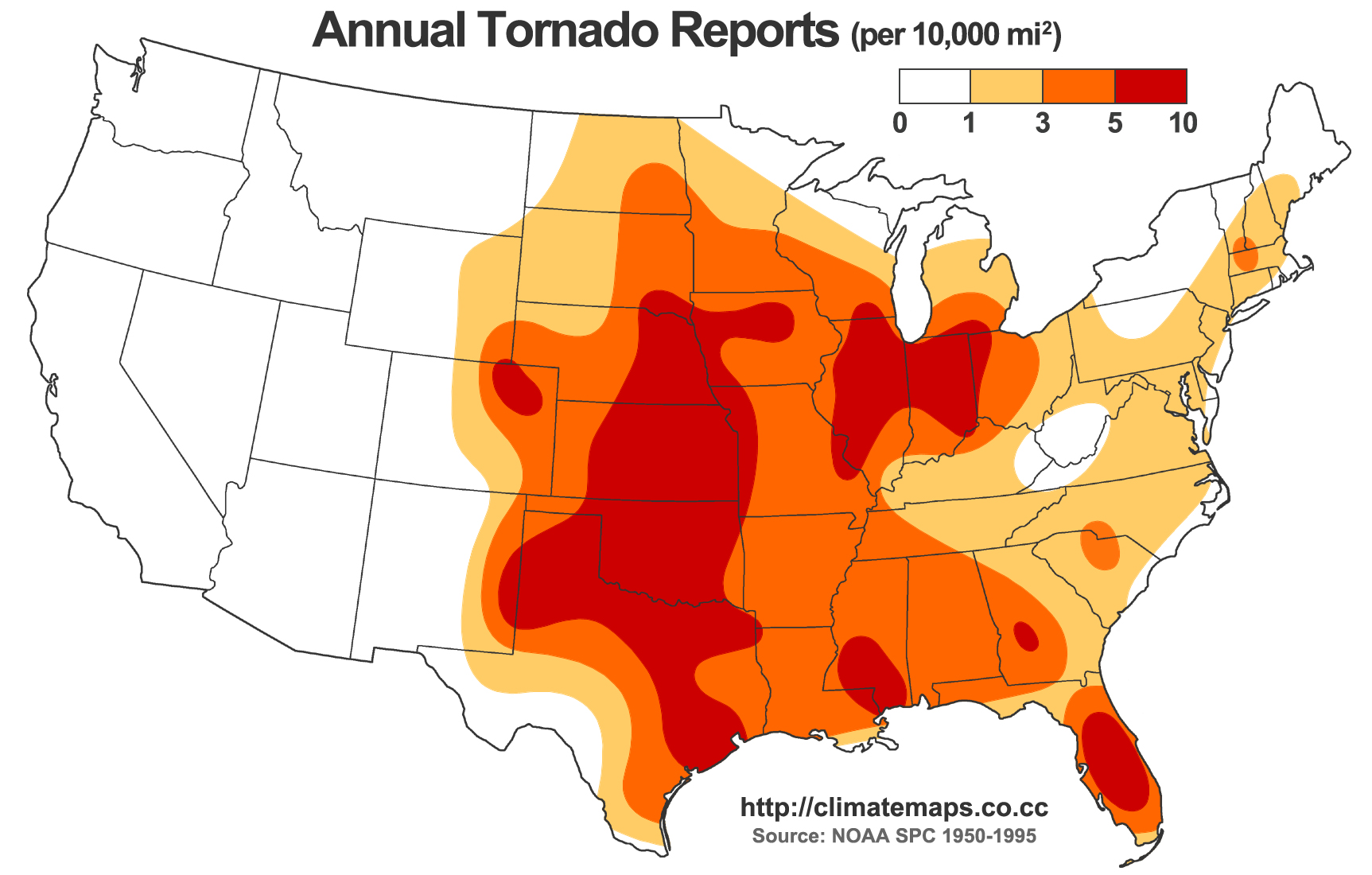
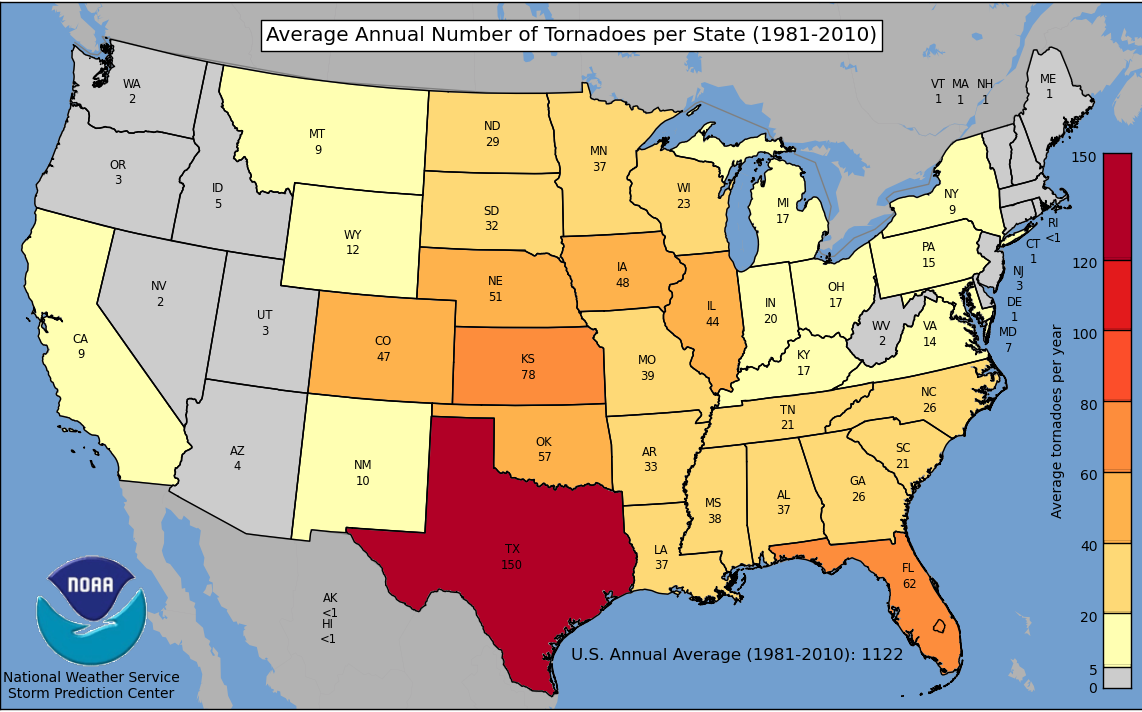
Historically, the highest concentration of tornado activity in Texas occurs in the north-central part of the state, stretching northward into Oklahoma. This region, often considered the heart of “Tornado Alley” within Texas, includes major metropolitan areas like Dallas-Fort Worth and surrounding communities. Counties within this zone, such as Tarrant, Dallas, Denton, Collin, and Grayson, consistently report a greater number of tornadic events.
The financial implications here are substantial. Homeowners in these areas face higher premiums for windstorm and hail insurance, and the availability of certain types of coverage might be more limited or come with higher deductibles. Businesses must factor in potential operational disruptions, inventory loss, and the costs associated with implementing robust disaster recovery plans. Real estate investors need to carefully assess property vulnerabilities, construction standards, and the long-term financial viability of assets in areas prone to frequent severe weather events. The sheer density of population and infrastructure in these metroplexes means that even moderate tornadoes can incur catastrophic financial losses totaling hundreds of millions, or even billions, of dollars, impacting local economies and state budgets alike.
Beyond the Traditional Alley: South Central and East Texas Vulnerabilities
While North Central Texas often grabs headlines for tornado activity, other parts of the state also experience significant risks, albeit with different frequencies or intensities. South Central Texas, particularly areas along the I-35 corridor including cities like Austin, San Antonio, and Waco, also sees considerable tornadic activity. This region’s unique geography, where dry western air meets moist Gulf air, creates conditions conducive to severe storms.
East Texas, bordering Louisiana and Arkansas, is another area of concern. While perhaps not experiencing the sheer volume of events seen in the Dallas-Fort Worth metroplex, tornadoes in East Texas can sometimes be more destructive due to higher moisture content and often occur within wooded areas, leading to significant tree damage that exacerbates property loss and complicates recovery efforts.
For financial planners and property owners, this broader understanding means that vigilance and comprehensive insurance coverage are paramount across a wider swath of the state than commonly perceived. The nuances of regional climatology directly translate into varying financial risk profiles, influencing everything from mortgage rates to municipal bond ratings for cities burdened by repeated disaster recovery costs.
The Financial Imperative: Navigating Insurance and Property Values
The heightened risk of tornadoes in specific parts of Texas directly translates into tangible financial impacts, particularly concerning insurance coverage and the valuation of real estate. These are critical considerations for anyone with financial stakes in the region.
Understanding Homeowners Insurance in High-Risk Zones
For residents in Texas’s tornado-prone areas, standard homeowners insurance policies often fall short of providing comprehensive protection against windstorm and hail damage. Many insurers may offer policies that exclude these perils or require separate endorsements or policies from the Texas Windstorm Insurance Association (TWIA) in coastal counties, though inland areas rely more on private carriers. The key distinction lies in understanding deductibles, which can be significantly higher for wind and hail damage, often calculated as a percentage (e.g., 1% to 5%) of the dwelling’s insured value rather than a flat dollar amount.
Financial planning in these areas must therefore prioritize a thorough review of insurance policies, understanding what is covered, what exclusions exist, and the financial implications of high deductibles. This involves budgeting for potentially higher annual premiums and maintaining sufficient emergency savings to cover deductibles in the event of a claim. Businesses, too, face complex commercial property insurance landscapes, requiring specialized brokers to navigate coverage options for physical assets, business interruption, and supply chain disruptions. The cost of insurance is not merely an expense; it’s a mandatory investment in financial solvency for those operating in high-risk zones.
The Impact on Property Valuation and Real Estate Investment
Tornado risk undeniably influences property values and real estate investment strategies in affected regions. While demand in major metropolitan areas like Dallas-Fort Worth remains strong despite the risk, the recurring nature of severe weather can introduce an element of volatility. Properties built to higher resilience standards, utilizing specific construction materials or techniques, may command a premium or suffer less depreciation post-event. Conversely, properties with a history of damage or located in particularly vulnerable micro-climates might see slower appreciation or even depreciation after significant events.
For real estate investors, a granular understanding of local meteorological patterns and building codes is crucial. This includes assessing the age and construction quality of properties, the availability and cost of suitable insurance, and the local government’s investment in resilient infrastructure. The long-term financial viability of real estate investments in tornado-prone areas is intrinsically linked to robust risk assessment and the ability to absorb potential repair costs, manage insurance claims, and mitigate business interruption. This level of due diligence goes beyond typical market analysis, incorporating climatological risk into financial models.

Building Economic Resilience: Business Finance and Local Investment
The localized, yet often devastating, impact of tornadoes requires a proactive approach to business finance and strategic local investment to foster economic resilience in high-risk Texas communities.
Strategies for Small Businesses in Tornado-Prone Areas
Small businesses, often the backbone of local economies, are particularly vulnerable to the financial shocks of natural disasters. A direct hit can mean total loss of inventory, property, and the temporary, or even permanent, cessation of operations. Effective financial strategies for these businesses include:
- Comprehensive Insurance Coverage: Beyond property, this includes business interruption insurance, which provides income when a business cannot operate due to covered damage.
- Emergency Fund Allocation: Dedicated savings to cover immediate operational costs, employee wages, and unforeseen expenses during the initial recovery phase.
- Disaster Recovery Planning: Detailed financial plans for sourcing capital quickly (e.g., pre-approved lines of credit, small business disaster loans) and managing cash flow during extended periods of recovery.
- Supply Chain Diversification: Reducing reliance on single suppliers or geographically concentrated supply chains to minimize disruption from local events.
- Digitalization and Cloud Solutions: Protecting critical financial records, customer data, and operational software through secure, off-site cloud storage to ensure continuity even if physical premises are destroyed.
These proactive financial measures are not merely protective; they are investments in sustained profitability and community stability.
Public-Private Partnerships for Disaster Preparedness and Recovery
The scale of financial recovery post-tornado often overwhelms individual resources, necessitating broader cooperation. Public-private partnerships (PPPs) play a vital role in building regional economic resilience. Municipalities and counties in high-risk areas often collaborate with private sector entities, including insurance companies, construction firms, and financial institutions, to:
- Fund Infrastructure Upgrades: Investing in stronger building codes, resilient utility grids, and effective early warning systems.
- Develop Financial Aid Programs: Establishing local grants, low-interest loans, and rapid assistance programs to help residents and businesses recover more quickly.
- Facilitate Data Sharing: Combining meteorological data with economic impact models to better predict financial risks and allocate resources efficiently.
- Promote Community Education: Empowering residents and businesses with financial literacy regarding disaster preparedness, insurance choices, and recovery processes.
Such collaborations reduce the financial burden on any single entity, distribute risk, and accelerate the overall economic recovery of affected regions, showcasing the power of collective financial stewardship.
Personal Finance in the Face of Adversity: Preparedness and Recovery
For individuals and families living in Texas’s tornado hotspots, the threat of severe weather translates into a clear need for robust personal finance strategies centered on preparedness and resilient recovery.
Emergency Funds and Disaster Savings
A cornerstone of personal finance, an emergency fund becomes an even more critical asset in tornado-prone areas. This dedicated savings account should ideally cover three to six months of living expenses, but for those in high-risk zones, it’s prudent to consider adding an allocation specifically for potential disaster-related out-of-pocket costs. This could include:
- Insurance Deductibles: As noted, wind/hail deductibles can be substantial.
- Temporary Housing: If a home becomes uninhabitable.
- Immediate Necessities: Food, water, fuel, and supplies if infrastructure is disrupted.
- Uninsured Losses: Covering items not fully replaced by insurance, or the gap between actual cash value and replacement cost.
Automating contributions to this “disaster savings” component ensures consistent growth, providing a vital financial cushion against the unexpected.
Leveraging Financial Tools for Post-Disaster Recovery
Beyond cash savings, modern financial tools can significantly aid recovery.
- Digital Record Keeping: Storing critical financial documents (insurance policies, property deeds, bank account info, inventory lists with photos/videos) in secure cloud storage or encrypted external drives ensures access even if physical documents are lost.
- Credit Cards and Lines of Credit: While not ideal for long-term financing, credit cards with available limits or pre-approved personal lines of credit can provide immediate liquidity for emergency purchases before insurance claims are processed or other aid becomes available. Responsible use and a clear repayment plan are essential.
- Government Aid Programs: Understanding how to apply for federal and state disaster relief programs (e.g., FEMA assistance, Small Business Administration (SBA) disaster loans for homeowners and renters) is crucial. These programs often require specific documentation and adherence to deadlines.
- Financial Advisement: Consulting with a financial advisor specializing in risk management can help individuals structure their finances, review insurance adequacy, and create a comprehensive disaster preparedness plan tailored to their specific circumstances and risk tolerance.
Long-Term Financial Planning for Texas Residents
Living in a tornado-prone area necessitates a long-term financial perspective that integrates meteorological risk into broader wealth management and investment strategies.
Diversifying Assets and Geographic Considerations
For individuals with significant real estate holdings or business investments concentrated in high-risk regions of Texas, considering geographic diversification of assets can be a prudent strategy. This doesn’t necessarily mean divesting from Texas, but perhaps spreading investments across different regions, or even different states, to mitigate the financial impact of localized natural disasters. For example, an investor might balance real estate in a tornado-prone area with investments in areas less susceptible to such events, or diversify into other asset classes less directly impacted by regional weather (e.g., equities, bonds). Financial advisors can help construct portfolios that balance risk and return, taking into account specific regional vulnerabilities.
The Role of Financial Advisors in Disaster Preparedness
A knowledgeable financial advisor can be an invaluable resource for Texans navigating the complexities of living in tornado-prone areas. They can assist with:
- Insurance Review: Helping clients understand their current coverage, identify gaps, and recommend appropriate policies.
- Emergency Fund Sizing: Guiding clients on how much to save and where to keep their emergency funds for optimal accessibility and security.
- Investment Strategy Adjustment: Incorporating disaster risk into long-term investment goals and portfolio diversification.
- Estate Planning: Ensuring that wills, trusts, and other estate documents are securely stored and accessible, and that beneficiaries are clear, especially in the event of a catastrophic loss.
- Succession Planning (for business owners): Developing contingency plans for business continuity and leadership in the aftermath of a disaster.
By integrating meteorology with personal and business finance, Texans can build more resilient financial futures, even when residing in parts of the state frequently visited by severe weather. Proactive planning and a clear understanding of the financial landscape are the most powerful tools against the unpredictable force of nature.
aViewFromTheCave is a participant in the Amazon Services LLC Associates Program, an affiliate advertising program designed to provide a means for sites to earn advertising fees by advertising and linking to Amazon.com. Amazon, the Amazon logo, AmazonSupply, and the AmazonSupply logo are trademarks of Amazon.com, Inc. or its affiliates. As an Amazon Associate we earn affiliate commissions from qualifying purchases.