
Navigating the process of renewing a passport can often feel like deciphering a complex legal document. The anticipation of upcoming travel is frequently tempered by the daunting prospect of gathering the correct paperwork, ensuring every form is filled out accurately, and understanding the specific requirements. This guide aims to demystify the passport renewal process, focusing on the essential documentation you’ll need to secure your renewed travel document with confidence and efficiency. Whether you’re a seasoned traveler or embarking on your first international adventure, understanding the necessary paperwork is the cornerstone of a smooth renewal experience.
Understanding Your Passport Renewal Eligibility and Requirements
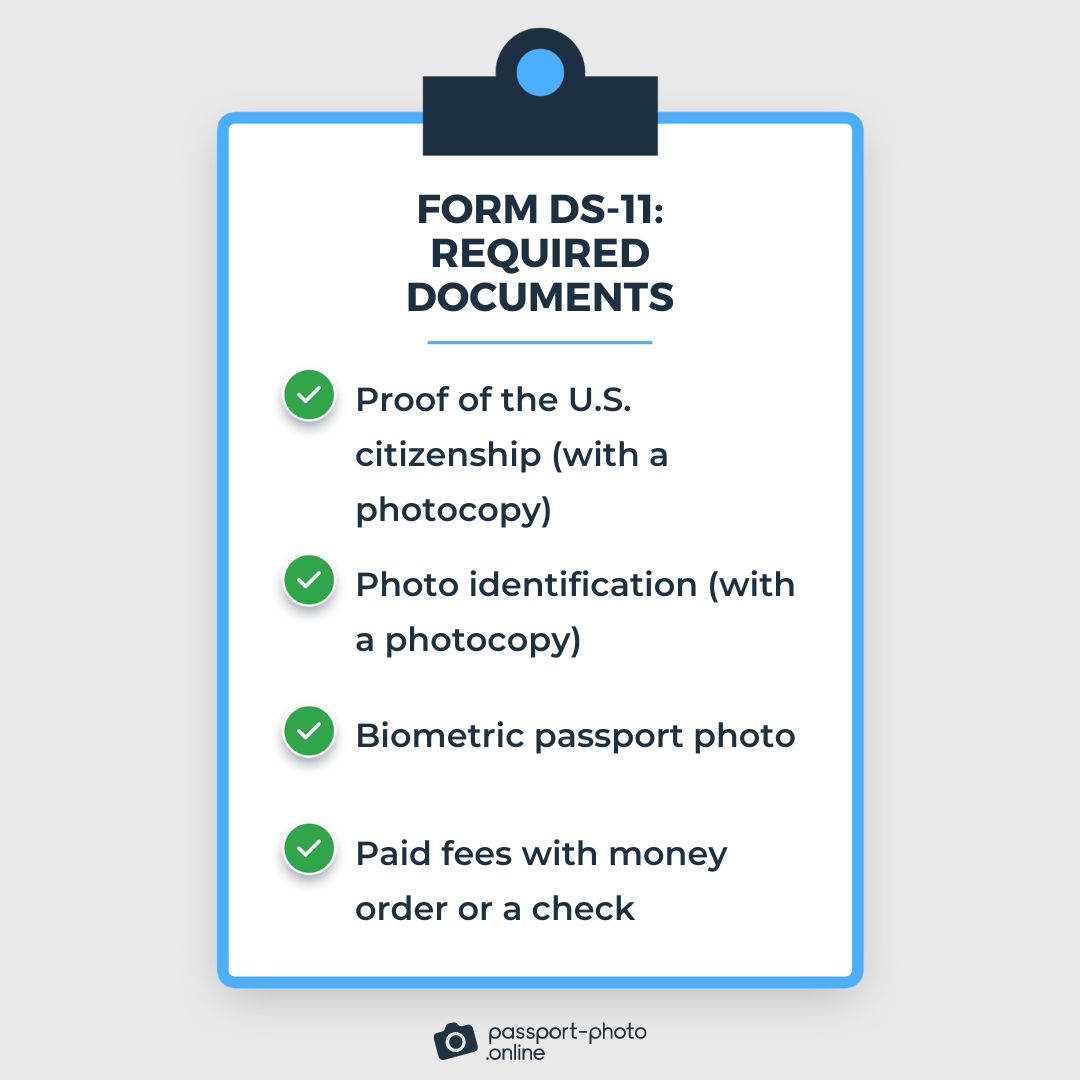
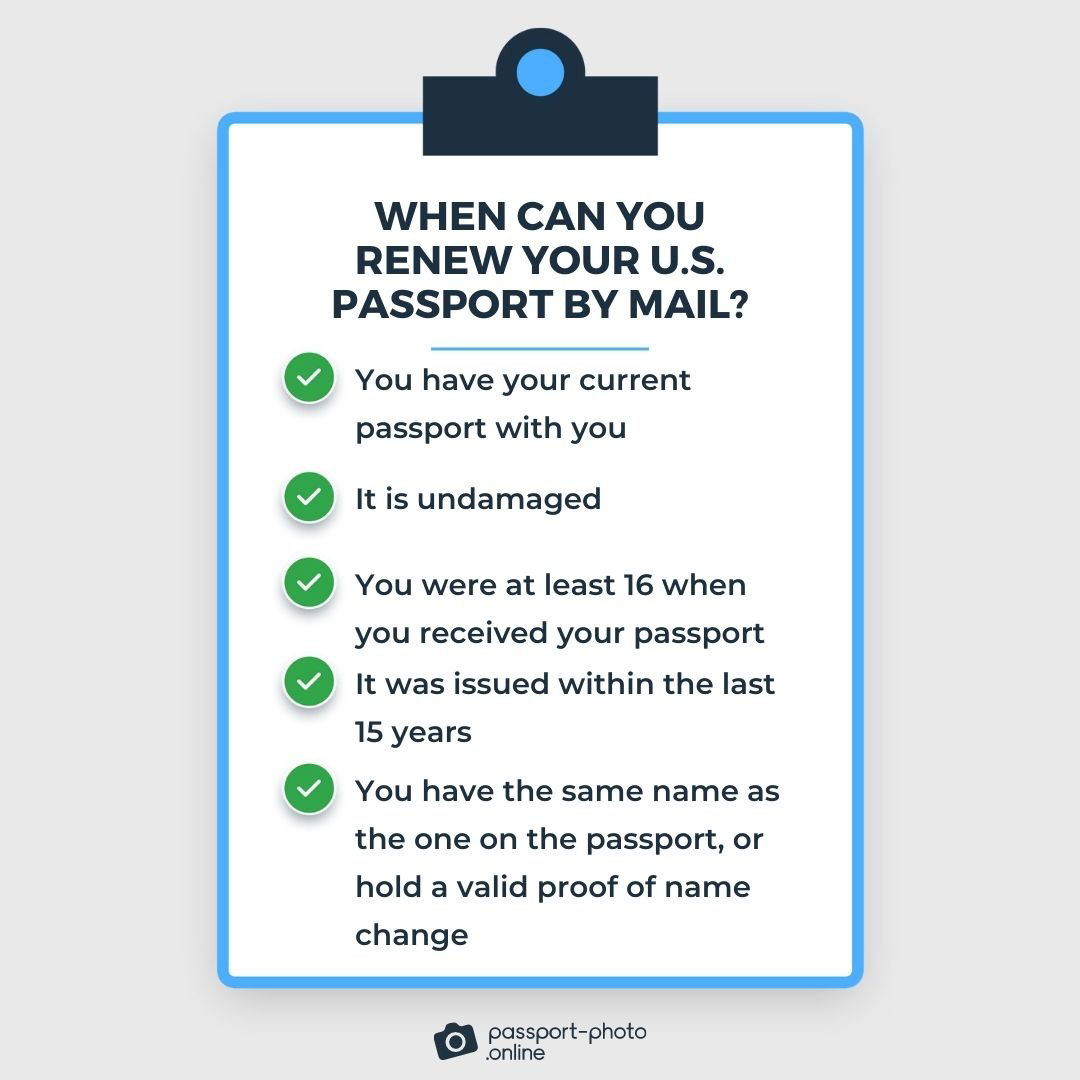
Before you even begin to gather documents, it’s crucial to determine if you are eligible for the standard passport renewal process. This usually applies if your previous passport is still in your possession, was issued when you were 16 or older, was issued within the last 15 years, and is in good condition (not significantly damaged). If any of these conditions are not met, you may need to apply for a new passport, which involves a slightly different set of documentation.
Identifying Your Passport Status: In-Status vs. New Application
The first step in the paperwork puzzle is to ascertain your current passport’s status. If your passport meets the criteria for renewal, you’re likely on the simpler track. This typically means you’ll be using Form DS-82, the Application for a U.S. Passport by Mail. This form is designed for individuals who are renewing an existing, undamaged passport.
However, if your passport has been lost, stolen, or significantly damaged, or if it was issued before you turned 16, you will need to apply for a new passport using Form DS-11, Application for a U.S. Passport. This form requires you to apply in person at an acceptance facility, as your identity needs to be verified. The paperwork for a new passport is more extensive, often requiring original birth certificates and proof of parental relationship for minors, and proof of citizenship and identity for adults. Understanding this distinction upfront will save you time and prevent frustration later in the process.
Gathering Proof of Citizenship: The Foundation of Your Application
Regardless of whether you’re renewing or applying for a new passport, proof of citizenship is paramount. For a renewal, your previous passport itself often serves as primary proof of citizenship. However, if you’re applying for a new passport or if your previous passport has been lost or is no longer considered valid proof, you’ll need alternative documentation.
Acceptable documents for proof of citizenship include:
- Original or Certified Copy of Your Birth Certificate: This must be issued by the city, county, or state of birth and list your full name, date of birth, and place of birth. It must also have a seal, be signed by the registrar, and list the date filed with the registrar’s office (usually within one year of birth). Hospital birth certificates are generally not acceptable.
- Previous, Undamaged U.S. Passport: If you are renewing, your current passport is usually sufficient. If it’s expired but you’re applying for a new passport, it may still be accepted as proof of citizenship depending on its issuance date and condition.
- Consular Report of Birth Abroad or Certification of Birth: If you were born abroad to U.S. citizen parents, these documents serve as proof of citizenship.
- Certificate of Citizenship: This document is issued by the U.S. Citizenship and Immigration Services (USCIS).
- Certificate of Naturalization: This document is issued by USCIS for individuals who have become U.S. citizens through naturalization.
It is crucial to provide an original or a certified copy of these documents. Photocopies or notarized copies are typically not accepted. You will also need to submit these documents with your application, and they will be returned to you, usually separately from your new passport.
Establishing Your Identity: Proving You Are Who You Say You Are
Alongside proof of citizenship, you must provide verifiable proof of your identity. This demonstrates that the person applying for the passport is indeed the individual named on the proof of citizenship documents.
The most common forms of identification accepted for passport applications include:
- Valid Driver’s License: This is the most frequently used form of identification. It must be current and not expired.
- State-Issued Identification Card: Similar to a driver’s license, this must be valid and issued by a state government.
- U.S. Military or U.S. Government ID: These are also widely accepted forms of identification.
- Valid Foreign Passport: If you are a U.S. citizen with a valid foreign passport, it can be used as identification.
- Certificate of Naturalization or Citizenship: These documents, which also serve as proof of citizenship, can sometimes be used as proof of identity.
Important Considerations for Identification:
- Primary vs. Secondary Identification: For in-person applications (Form DS-11), you will typically need to present a primary form of identification. If your primary ID is not a U.S. passport and was issued less than a year ago, you may also need to present secondary identification.
- Out-of-State Identification: If you are applying for a passport in a state different from where your primary identification was issued, you may need to present an additional form of ID.
- Minors: For minors applying for a passport, the identity of the parents or guardians must be established. This typically involves the parent(s) presenting their own valid identification.
Completing the Application Forms Accurately
The application form is the central document for your passport renewal or application. Accuracy and completeness are non-negotiable to avoid delays or rejections.
Form DS-82: The Standard Renewal Application
As mentioned, Form DS-82 is used for most passport renewals. This form is designed to be filled out online and then printed. It’s crucial to follow the instructions meticulously.
Key sections of Form DS-82 to pay close attention to include:
- Personal Information: Ensure your name, date of birth, place of birth, and social security number are entered exactly as they appear on your proof of citizenship documents.
- Previous Passport Information: You’ll need to provide details from your most recent passport, including its number, issuance date, and expiration date.
- Address: Provide your current mailing address where you wish to receive your new passport.
- Signature and Date: Sign and date the form in the designated areas.
Important Tips for Form DS-82:
- Do NOT Sign Until Instructed: For mail-in renewals, you typically do not sign the application until you are about to mail it, or in some cases, you might be instructed to sign it. Always refer to the official instructions provided with the form.
- Use Black Ink: If you are filling out any part of the form by hand (though online completion is preferred), use black ink.
- Avoid Errors: Mistakes can lead to delays. Double-check all entries for typos or inaccuracies. If you make a mistake, it’s often best to print a new form and start over rather than trying to correct it.
Form DS-11: The In-Person Application
If you are applying for a new passport, changing your name on a passport, or if your previous passport doesn’t meet the renewal criteria, you will use Form DS-11. This form must be filled out, but not signed, before you go to your appointment at a passport acceptance facility.
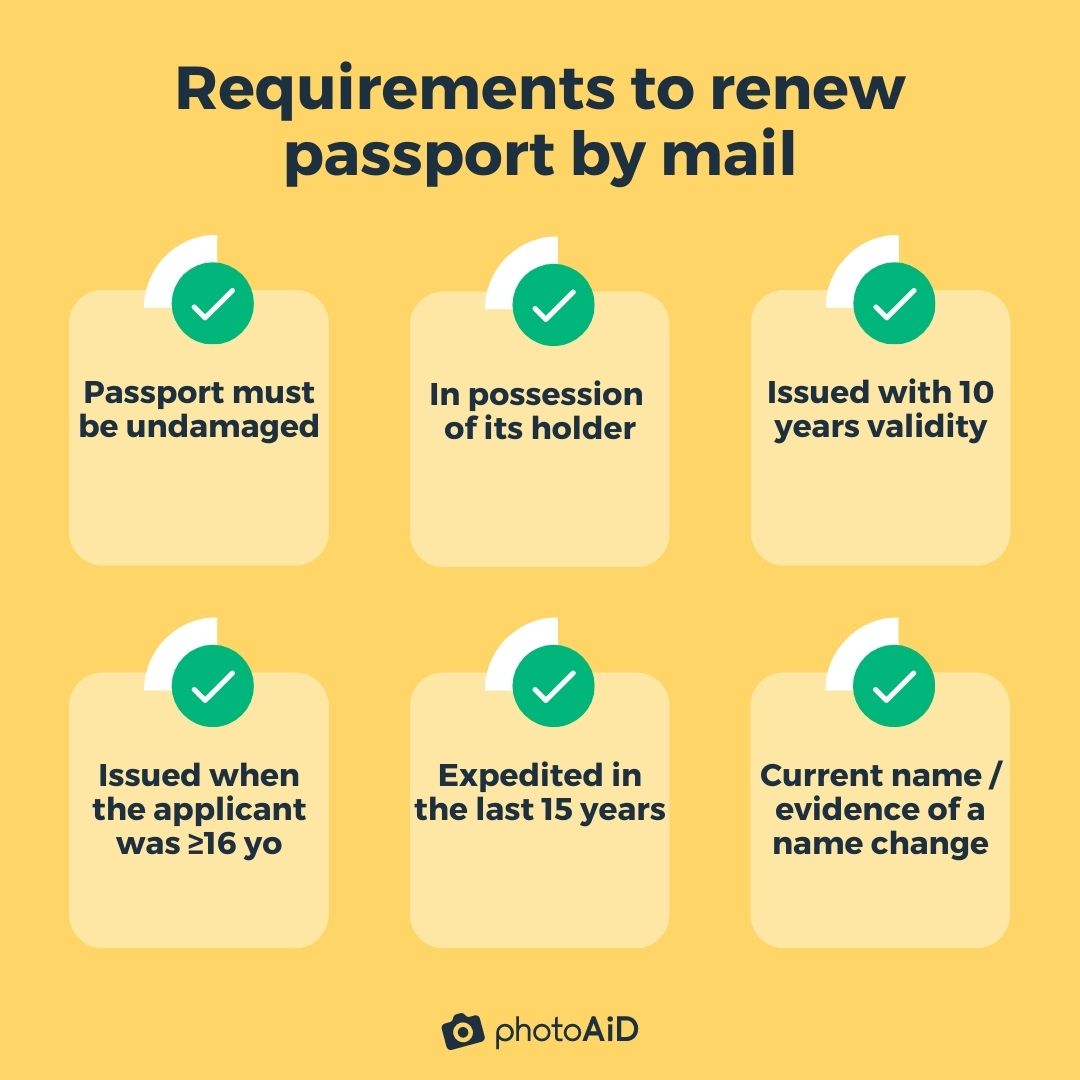
When filling out Form DS-11, you will need:
- To present yourself in person: The application process requires you to appear before a passport acceptance agent.
- To sign the form in front of the agent: This is a mandatory step.
- To provide supporting documents: As discussed earlier, this includes proof of citizenship and proof of identity.
- To have a passport photo: This must meet specific requirements.
Passport Photos: A Specific Set of Requirements
Passport photos are a critical component of your application. Failing to meet the strict guidelines will result in your application being returned.
General requirements for passport photos include:
- Color Photo: Must be in color.
- Recent: Taken within the last six months to reflect your current appearance.
- Size: 2×2 inches.
- Background: Plain white or off-white.
- Face: You must face the camera directly with a neutral expression or a natural smile. Your eyes should be open.
- Head Position: Your head should be centered and not tilted.
- Clothing: Wear normal street attire. Do not wear uniforms, except for religious or medical attire that you wear daily.
- Headwear: Generally not allowed, except for religious or medical reasons, provided they do not obscure your face.
- Eyeglasses: Generally not permitted, unless medically necessary (with a doctor’s note).
It is highly recommended to get your passport photo taken by a professional at a photo studio, pharmacy, or a designated passport photo service to ensure it meets all the necessary specifications.
Additional Required Documents and Fees
Beyond the core application forms and identification, there are a few other essential elements to consider for a complete passport application.
Fees: Understanding the Costs Involved
Passport services are not free. There are two main fees associated with obtaining a U.S. passport:
- Application Fee: This fee is paid to the U.S. Department of State and varies depending on whether you are applying for a passport book, a passport card, or both.
- Execution Fee: This fee is paid to the acceptance facility where you apply in person (for Form DS-11 applications). This fee is not required for mail-in renewals (Form DS-82).
The specific amounts for these fees are subject to change, so it’s essential to check the official U.S. Department of State website for the most current fee schedule. You will typically need to pay these fees via check or money order. Credit cards are usually not accepted for the application fee paid to the Department of State.
Name Change Documentation: If Applicable
If you are renewing your passport and your name has legally changed since your last passport was issued (due to marriage, divorce, or court order), you will need to provide official documentation to support this change.
This typically includes:
- Original or Certified Copy of Your Marriage Certificate: If your name change is due to marriage.
- Original or Certified Copy of Divorce Decree: If your name change is due to a divorce, and the decree specifically restores your former name.
- Original or Certified Copy of a Court Order: For any other legally recognized name change.
If your name has changed, you will likely need to apply using Form DS-11 and appear in person at an acceptance facility, even if you would otherwise be eligible for mail-in renewal. This is because a name change requires a new passport to be issued rather than a simple renewal.
Social Security Number: A Mandatory Requirement
Your Social Security number (SSN) is a mandatory field on both Form DS-82 and Form DS-11. You are required by law to provide your SSN to the Department of State. If you do not have an SSN, you must submit a signed statement under penalty of perjury attesting to this fact.
Submission and Processing: What Happens Next?
Once you have meticulously gathered all the required paperwork, it’s time to submit your application and understand the processing timeline.
Mailing Your Application (Form DS-82)
For mail-in renewals, you will send your completed Form DS-82, your most recent passport, the passport photo, and the application fee payment to the address specified on the form. It is highly recommended to use a trackable mailing service for security and peace of mind.
Applying in Person (Form DS-11)
If you are using Form DS-11, you will need to schedule an appointment at a designated passport acceptance facility. These are often located at post offices, libraries, or county clerk offices. Bring all your completed forms, original supporting documents, passport photo, and payment for the fees. The acceptance agent will review your documents, administer the oath, and witness your signature before submitting your application for processing.
Processing Times and Expedited Services
Passport processing times can vary significantly depending on the volume of applications received by the Department of State. Routine processing can take several weeks, while expedited services are available for an additional fee if you have urgent travel plans. It’s always wise to start the renewal process well in advance of your intended travel date to avoid any last-minute stress. You can check the current processing times on the U.S. Department of State’s Bureau of Consular Affairs website.
By understanding the specific paperwork required for your situation and meticulously following the application guidelines, you can ensure a smooth and efficient passport renewal process. This preparedness will allow you to focus on the exciting aspects of your upcoming travels rather than the administrative hurdles.
aViewFromTheCave is a participant in the Amazon Services LLC Associates Program, an affiliate advertising program designed to provide a means for sites to earn advertising fees by advertising and linking to Amazon.com. Amazon, the Amazon logo, AmazonSupply, and the AmazonSupply logo are trademarks of Amazon.com, Inc. or its affiliates. As an Amazon Associate we earn affiliate commissions from qualifying purchases.