
In the traditional sense, the field of orthopedics is defined by the study and treatment of the musculoskeletal system. For decades, the image of the orthopedic surgeon was one of a skilled craftsman—utilizing drills, saws, and manual expertise to repair fractures, replace joints, and realign the human frame. However, in the modern era, the question of “what orthopedics do” is increasingly answered through the lens of high-end technology.
The integration of software, robotics, and artificial intelligence has transformed the discipline from a purely mechanical surgical field into a data-driven technological powerhouse. Today, an orthopedic specialist is as much a pilot of advanced machinery and an analyst of digital data as they are a surgical practitioner. This evolution is reshaping patient outcomes, reducing recovery times, and pushing the boundaries of what is biologically possible.
1. Robotics and Precision Surgery: The New Standard of Care
The most visible shift in what orthopedic surgeons do involves the adoption of robotic-assisted surgery. While surgeons are still the primary decision-makers, the introduction of haptic-guided systems and semi-autonomous tools has reached a level of precision that the human hand alone cannot replicate.
The Rise of Semi-Autonomous Assistants
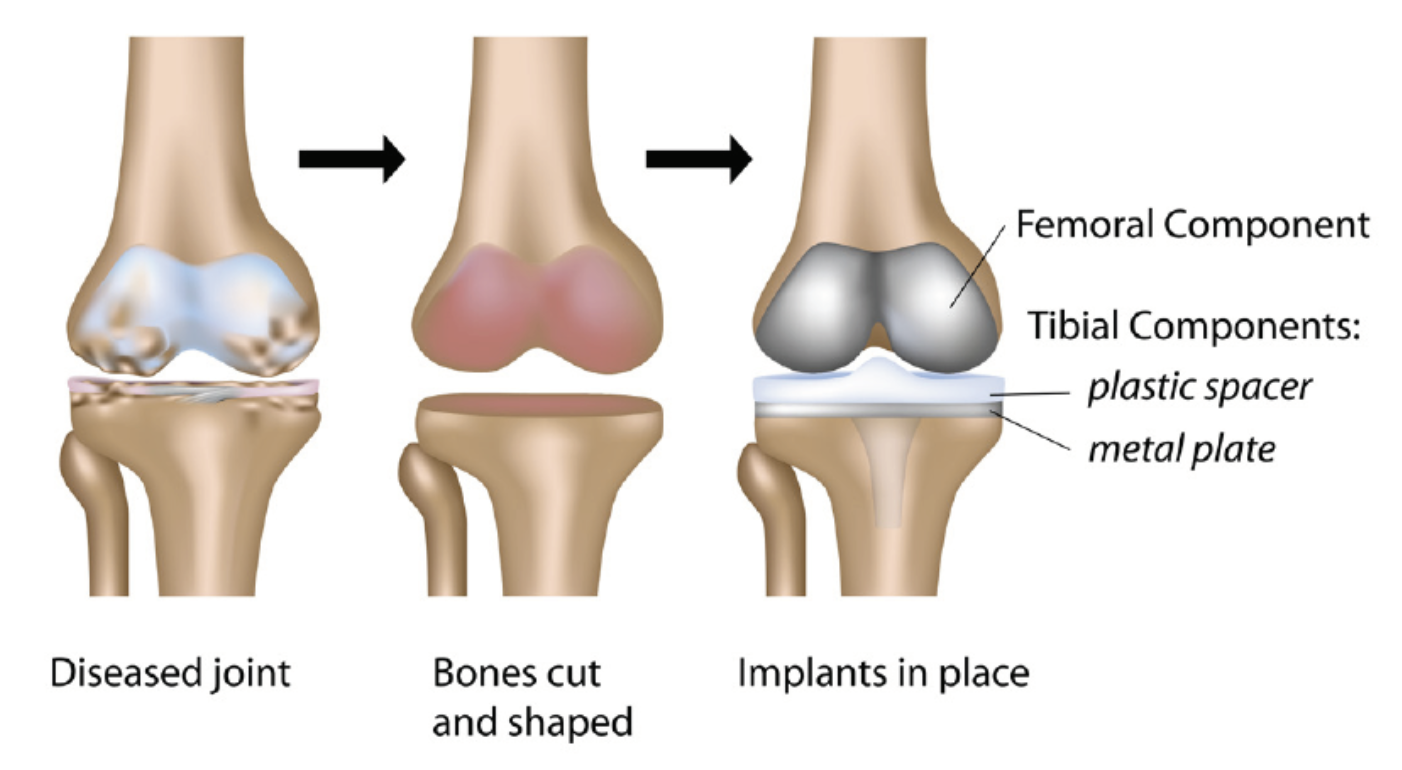
Robotic systems such as the Mako SmartRobotics or the ROSA Knee System have become staples in modern surgical suites. These tools allow surgeons to create a 3D virtual map of the patient’s unique anatomy before the first incision is ever made. During the procedure, the software provides real-time haptic feedback, preventing the surgeon from straying outside the pre-planned boundaries. This technology ensures that bone cuts are precise to within a fraction of a millimeter, which is critical for the longevity of a joint replacement.
3D Printing and Patient-Specific Implants
Beyond the surgery itself, the “tech” of orthopedics includes the manufacturing of the hardware used to stabilize the body. In the past, surgeons chose from a limited range of standardized implant sizes. Today, CAD (Computer-Aided Design) software and industrial 3D printing allow for the creation of patient-specific implants. By utilizing a patient’s CT scan data, engineers can print a titanium joint or spinal cage that perfectly matches the individual’s bone structure, leading to better integration and a more natural feel for the patient.
Augmented Reality (AR) in the Operating Room
Orthopedic surgeons are now utilizing Augmented Reality headsets to provide a “X-ray vision” experience during surgery. By overlaying digital reconstructions of the patient’s internal anatomy directly onto their field of view, surgeons can navigate complex spinal surgeries or pelvic reconstructions with unprecedented accuracy. This minimizes the need for repeated intraoperative X-rays, reducing radiation exposure for both the patient and the surgical team.
2. AI and Machine Learning in Musculoskeletal Diagnostics
The “what” of orthopedics extends far beyond the operating room into the realm of diagnostic software. Artificial Intelligence (AI) and Machine Learning (ML) are currently revolutionizing how musculoskeletal conditions are identified and managed, often catching issues before they require invasive intervention.
Computer Vision in Radiography and MRI Analysis
One of the most significant tech trends in orthopedics is the use of computer vision algorithms to analyze imaging. AI models trained on millions of data points can now identify stress fractures, ligament tears, and early-stage osteoarthritis with a higher degree of consistency than human radiologists alone. These AI tools serve as a second set of eyes, flagging subtle abnormalities in bone density or soft tissue integrity that might be overlooked during a routine clinical review.
Predictive Analytics for Injury Prevention
In sports medicine—a major sub-niche of orthopedics—tech is used to prevent injuries before they happen. Wearable sensors and high-speed motion capture software analyze an athlete’s biomechanics in real-time. By feeding this data into predictive models, orthopedic technologists can identify “asymmetric loading” or “mechanical fatigue” patterns. This allow specialists to prescribe specific corrective exercises, effectively using data science to keep patients off the operating table.
Virtual Triage and Digital Health Assistants
The initial interaction between a patient and the orthopedic system is also becoming digitized. AI-driven triage apps can now guide patients through a series of symptomatic questions and range-of-motion tests via their smartphone cameras. These tools use machine learning to categorize the severity of an injury, directing the patient to either home-based physical therapy or an urgent specialist consultation, thereby streamlining the delivery of care.
3. Tele-Rehabilitation and the Internet of Medical Things (IoMT)
What orthopedics do also encompasses the long road of recovery. The “Internet of Medical Things” (IoMT) has enabled surgeons to monitor their patients’ progress remotely, ensuring that the technological success of a surgery isn’t lost during the rehabilitation phase.
Smart Braces and Biofeedback Sensors
Post-operative care has moved from the clinic to the cloud. Modern orthopedic recovery often involves “smart” braces equipped with integrated sensors. These devices track the range of motion, the number of repetitions in physical therapy exercises, and even the swelling or temperature of the limb. This data is transmitted directly to a software dashboard viewed by the orthopedic team, allowing for “remote therapeutic monitoring.” If a patient is not meeting their milestones, the software alerts the doctor to intervene.
Virtual Reality (VR) in Post-Operative Recovery
Virtual Reality is being deployed as a powerful tool for both pain management and physical therapy. By immersing patients in a controlled digital environment, VR can “distract” the brain from pain signals during difficult rehabilitation movements. Furthermore, gamified VR exercises encourage patients to complete their physical therapy routines by turning boring repetitions into interactive challenges, significantly increasing compliance and improving outcomes.
The Role of Big Data in Outcome Optimization
By collecting massive amounts of anonymized data from thousands of orthopedic surgeries and recoveries, the industry is creating “benchmarks” for success. Algorithms can now predict which patients are at the highest risk for post-surgical complications based on their digital health records. This allows for a personalized tech-based approach where “high-risk” patients receive more intensive digital monitoring, while “low-risk” patients can enjoy a more streamlined, tech-assisted home recovery.
4. Orthobiologics and the Future of Regenerative Tech
The final frontier of what orthopedics do lies in the intersection of biology and technology, known as orthobiologics. This niche focuses on using technology to stimulate the body’s own healing mechanisms, potentially making traditional “metal and plastic” surgery a thing of the past for certain conditions.
Lab-Grown Cartilage and Bio-Printing
One of the most exciting developments in the tech space is the ability to “bio-print” living tissue. Researchers are working on systems that take a patient’s own cells and, using a specialized 3D printer, create a biological patch for damaged cartilage. This technology aims to treat joint degradation at the cellular level, using software-guided precision to place cells exactly where they are needed to regenerate healthy tissue.
Data-Driven Stem Cell Therapy
While stem cell treatments have been around for a while, the tech revolution is bringing a new level of rigor to the field. Advanced centrifugation systems and digital cell-counting software allow orthopedic specialists to ensure the potency and quality of the biologics they are injecting. By tracking the genomic profile of these cells and correlating them with patient outcomes in a centralized database, orthopedics is moving toward a highly customized “molecular surgery” model.
Smart Implants and “Living” Hardware
The next generation of orthopedic tech involves “smart implants” embedded with microchips. These devices will be able to monitor local inflammation, detect the presence of bacteria (preventing infection before it becomes systemic), and even measure the strain being put on a new joint. This data can be synced to a smartphone, providing a lifetime of “diagnostic telemetry” for the patient’s musculoskeletal health.

Conclusion: The Orthopedic Specialist as a Tech Lead
In conclusion, “what orthopedics do” has evolved into a sophisticated blend of surgical mastery and technological innovation. The field is no longer defined solely by the physical tools used to mend bone and muscle, but by the software that plans the surgery, the robots that execute it, the AI that diagnoses the condition, and the wearables that monitor the recovery.
As we look toward the future, the trend toward a more digital, data-driven discipline is only accelerating. For the patient, this means safer procedures, faster recoveries, and more personalized care. For the practitioner, it means embracing the role of a technologist—leveraging AI, robotics, and the IoMT to push the limits of human mobility and health. In the world of modern medicine, orthopedics is a shining example of how technology does not replace the human touch, but rather gives it a level of precision and insight that was previously unimaginable.
aViewFromTheCave is a participant in the Amazon Services LLC Associates Program, an affiliate advertising program designed to provide a means for sites to earn advertising fees by advertising and linking to Amazon.com. Amazon, the Amazon logo, AmazonSupply, and the AmazonSupply logo are trademarks of Amazon.com, Inc. or its affiliates. As an Amazon Associate we earn affiliate commissions from qualifying purchases.