
In the modern marketplace, communication is not merely the act of exchanging information; it is the fundamental architecture upon which all successful brand strategy is built. Whether a company is navigating a corporate rebranding, refining its market positioning, or attempting to foster a deeper connection with its audience, the efficacy of its communication dictates its survival. A brand is, at its core, a promise kept through consistent messaging. When that communication breaks down, the brand equity erodes. Understanding the multifaceted importance of communication—from internal culture to external public relations—is essential for any organization seeking long-term relevance.

The Role of Communication in Defining Brand Identity
Brand identity is not defined solely by a logo or a color palette. It is defined by the narrative a company tells and, more importantly, how that narrative is perceived by the target market. Communication acts as the primary vehicle for this perception.
Establishing a Cohesive Brand Voice
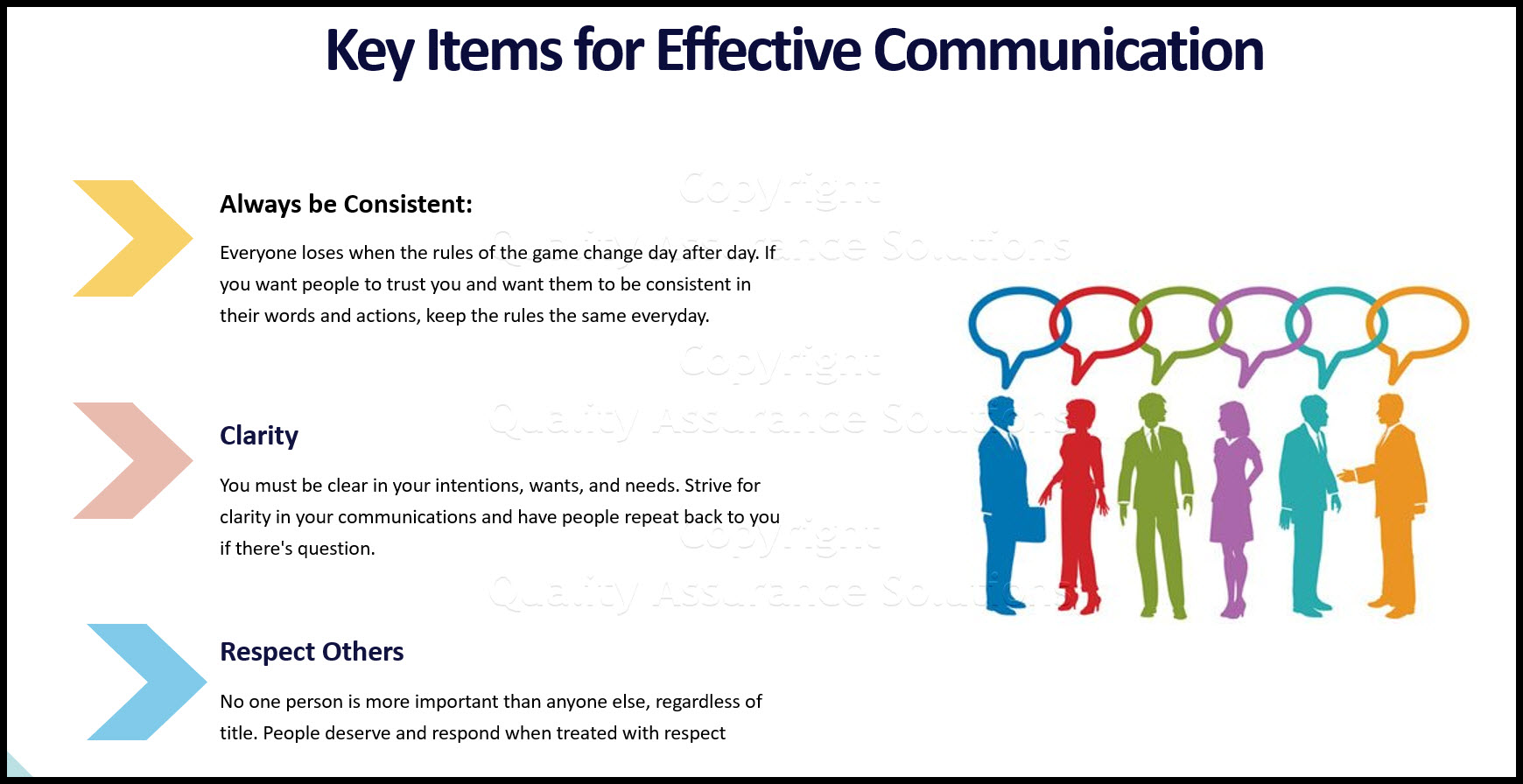
Consistency is the cornerstone of trust. If a brand uses a formal, authoritative tone in its whitepapers but adopts a chaotic, irreverent style on social media without a clear strategy, it confuses the audience. Communication creates the “voice” of the entity. By aligning messaging across all channels—email marketing, website copy, advertising, and direct customer interaction—a company ensures that its brand identity remains unmistakable. This coherence builds brand recognition, which in turn fosters consumer confidence. When customers know exactly what to expect from a brand, they are more likely to convert into long-term advocates.
Shaping Market Perception and Positioning
Strategic communication allows a brand to dictate the terms of its own narrative. In a saturated market, silence is a liability. By articulating a clear value proposition, a brand can carve out a unique position in the minds of its consumers. Effective communication highlights why a brand is the superior choice, not by comparing features alone, but by articulating the philosophy behind the products. This is how brands move from being mere commodities to becoming essential partners in their customers’ lives. When a brand communicates its “why,” it effectively moves the focus from price to value.
Communication as a Pillar of Internal Corporate Culture
While external branding is the outward-facing component of communication, internal communication is the circulatory system of a business. A brand cannot authentically communicate its value to the public if its employees are not aligned with the vision.
Aligning Strategy with Execution
Internal communication ensures that every member of the organization, from the C-suite to the front-line staff, understands the brand strategy. When leadership clearly communicates the “why” behind organizational decisions, employees feel a sense of purpose. This alignment prevents the “silo effect,” where departments operate with conflicting objectives. When the design team, the marketing department, and the customer service representatives all operate from a unified communication playbook, the customer experience becomes seamless.
Fostering Brand Advocacy from Within
Your employees are your first and most impactful brand ambassadors. When internal communication is transparent and consistent, employees become emotionally invested in the brand’s success. They are no longer just workers; they are stakeholders who intuitively understand how to represent the company. This creates a cultural consistency that shines through in every customer touchpoint. Authentic employee testimonials and consistent company behavior are often more convincing than any paid advertising campaign.

Communication in Crisis Management and Reputation Repair
No brand is immune to challenges. Whether it is a product defect, a PR scandal, or a shift in consumer sentiment, the difference between a minor setback and a catastrophic failure lies entirely in communication.
The Power of Transparency and Timeliness
In the digital age, news travels instantly. A brand’s ability to communicate transparently during a crisis is the ultimate test of its integrity. Attempts to obfuscate or delay a response often lead to public outcry. Proactive, honest, and empathetic communication allows a brand to control the narrative during difficult times. By acknowledging mistakes and outlining concrete steps for resolution, a company can actually emerge from a crisis with increased respect, provided the communication is perceived as sincere.
Maintaining Trust Through Consistent Engagement
Crisis management is not just about the response; it is about the baseline of communication that existed before the crisis occurred. Brands that maintain a habit of transparent, value-driven communication build a “reservoir of trust.” When a mistake happens, an audience that already feels respected and understood is far more likely to grant the brand the benefit of the doubt. Continuous communication ensures that the brand remains a constant in the consumer’s life, creating a defensive moat against the inevitable volatility of public opinion.
The Strategic Advantage of Data-Driven Communication
In today’s landscape, communication is no longer a guessing game. It is a data-rich discipline that allows brands to refine their outreach and maximize their impact.
Personalization and Consumer Connection
Communication is most effective when it is relevant. With modern CRM tools and analytics, brands can segment their audiences and deliver personalized messaging that speaks directly to the needs of the individual. This level of communication moves beyond broad-scale marketing and enters the realm of relationship management. By utilizing consumer data to tailor the message, frequency, and medium of communication, brands can increase engagement rates and reduce the “noise” that so often leads to consumer fatigue.
Measuring Sentiment for Continuous Improvement
Communication is a two-way street. Modern brand strategy relies on the feedback loop—listening as intently as one speaks. By monitoring social media sentiment, analyzing survey data, and tracking engagement metrics, a company can gauge how effectively its message is landing. This allows for real-time adjustments. If a specific campaign is failing to resonate, communication analytics tell the team why, enabling a pivot rather than a blind persistence in the wrong direction. The importance of communication, therefore, extends to the ability to listen, interpret, and evolve.
Conclusion: Communication as a Competitive Asset
The importance of communication in the context of branding cannot be overstated. It is the bridge between a company’s internal vision and the public’s perception. It is the difference between a stagnant brand and one that leads its industry. As markets become more competitive and consumers become more discerning, the quality of a brand’s communication will continue to be the primary differentiator.
By prioritizing consistency, transparency, and strategic alignment, brands can build a durable identity that withstands market shifts and crises alike. Effective communication is not a one-time project or a marketing campaign; it is a permanent investment in the soul of the organization. It requires rigorous discipline, a commitment to clarity, and an unwavering focus on the audience. Ultimately, the brands that master the art of communication are the ones that succeed, because they have realized that in the end, it is not just what you sell that defines you, but how well you communicate who you are.
aViewFromTheCave is a participant in the Amazon Services LLC Associates Program, an affiliate advertising program designed to provide a means for sites to earn advertising fees by advertising and linking to Amazon.com. Amazon, the Amazon logo, AmazonSupply, and the AmazonSupply logo are trademarks of Amazon.com, Inc. or its affiliates. As an Amazon Associate we earn affiliate commissions from qualifying purchases.