
In the world of global finance, few developments have triggered as much seismic movement as the rise of GLP-1 receptor agonists, most notably Ozempic and its sibling, Wegovy. While the medical community focuses on the biological impact of semaglutide, the financial world is conducting an autopsy of a different kind. We are witnessing the birth of the “Ozempic Economy”—a phenomenon where a single pharmaceutical breakthrough begins to alter the “organs” of the global market.
From the central “heart” of pharmaceutical valuations to the “digestive system” of the consumer staples industry, the ripple effects of these medications are profound. For investors, business leaders, and financial analysts, understanding which economic sectors—or “organs”—this drug affects is essential for navigating the next decade of market volatility.
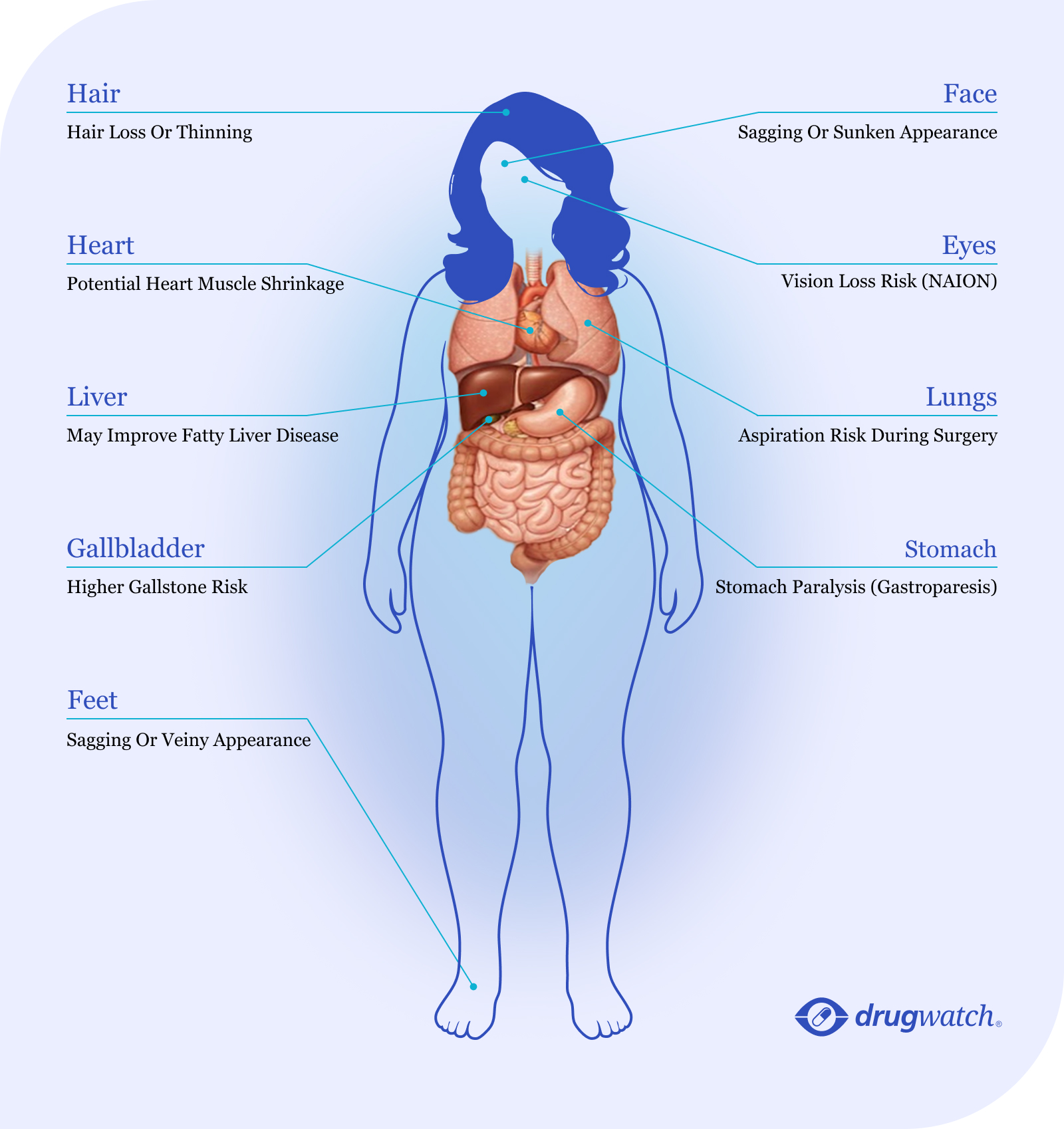
1. The Pharmaceutical Heart: Driving Valuations and R&D Lifeblood
The most immediate “organ” affected by Ozempic is the pharmaceutical sector itself. Just as the heart pumps blood to the rest of the body, Novo Nordisk (the manufacturer of Ozempic) and its rival Eli Lilly have become the primary pumps driving growth in the healthcare indices.
The Rise of the Trillion-Dollar Pharma Titan
Until recently, the pharmaceutical industry was often viewed through the lens of steady, defensive dividends rather than explosive growth. Ozempic changed that narrative. Novo Nordisk’s market capitalization has surged to the point where it exceeded the entire GDP of its home country, Denmark. This isn’t just a stock price increase; it is a fundamental shift in how capital is allocated within the healthcare sector. Investors are no longer just looking for the next blockbuster cancer drug; they are chasing “metabolic gold.”
The “Drain” on Competitor Pipelines
The financial success of GLP-1 drugs has created a vacuum, pulling investment away from other therapeutic areas. When one “organ” consumes too much energy, others may starve. We are seeing a strategic pivot where mid-cap biotech firms are abandoning neurological or cardiovascular projects to pivot toward weight-loss-adjacent therapies. This reallocation of R&D capital determines which companies will survive the next decade and which will face obsolescence.
The Ancillary Healthcare Ecosystem
Beyond the manufacturers, the “circulatory system” of healthcare—pharmacy benefit managers (PBMs) and distributors—is seeing a massive influx of volume. However, this is a double-edged sword. While the volume of prescriptions is high, the high cost of these drugs puts immense pressure on the margins of distributors and the negotiating power of PBMs. The financial health of these entities is being recalibrated as they struggle to manage the sheer scale of Ozempic’s market penetration.
2. The Consumer Staple Gut: Shrinking Margins in the Food and Beverage Industry
If the pharmaceutical sector is the heart, the consumer staples industry—specifically food and beverage—is the “digestive system” of the economy. For decades, companies like PepsiCo, Nestlé, and Mondelez built their financial empires on the “heavy user” consumer. Ozempic is now acting as a direct disruptor to this model by chemically suppressing appetite.
The Caloric Deficit in Corporate Earnings
Walmart was one of the first major retailers to sound the alarm, noting in earnings calls that customers on GLP-1 medications were buying fewer items and opting for lower-calorie options. This is a direct hit to the “unit growth” metric that investors prize. When millions of consumers suddenly reduce their caloric intake by 20% to 30%, the cumulative effect on the bottom line of snack food giants is measurable. We are seeing a “thinning” of the consumer staples sector, forcing these companies to aggressively rebrand and reformulate products to avoid a permanent decline in market share.
The Pivot to “Precision Nutrition”
In response to the “Ozempic effect,” the “financial organs” of the food industry are undergoing a transplant. We are seeing a surge in investment toward “GLP-1 companion products.” This includes high-protein supplements, muscle-mass preservation shakes, and micro-nutrient packs designed for those eating significantly smaller portions. For the savvy investor, the money is moving from the “sugar-heavy” sectors to the “functional nutrition” sectors. This transition requires massive capital expenditure, impacting short-term dividends in favor of long-term survival.
The Restaurant and Hospitality Squeeze
The “Money” aspect of dining out is also shifting. Fast-food chains (QSRs) are built on the “upsize” model. If the core consumer no longer wants the large fries or the sugary soda, the high-margin “add-ons” disappear. Financial analysts are now factoring “GLP-1 risk” into the valuations of restaurant stocks, particularly those reliant on high-volume, low-nutrition menus.
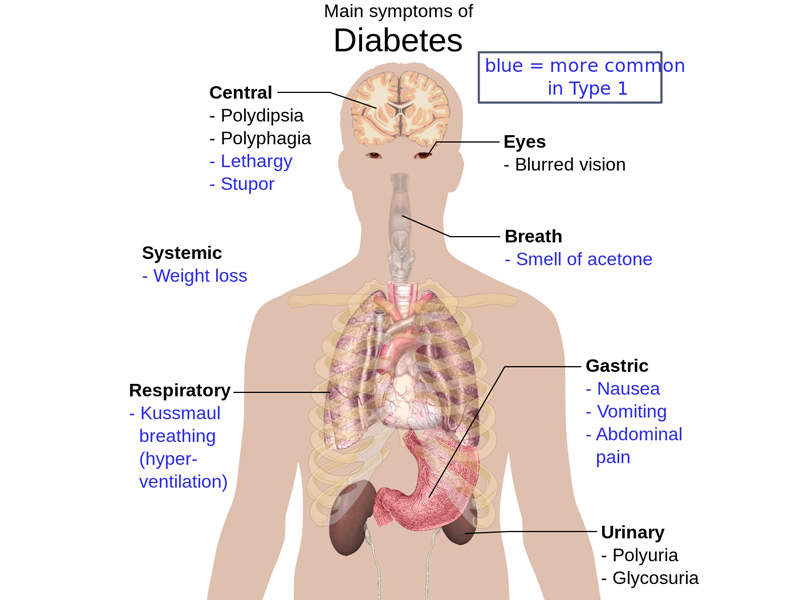
3. The Insurance and Public Finance Lungs: Breathing Under Fiscal Pressure
The “lungs” of our economic system are the public and private insurers that allow the system to breathe. Currently, these “organs” are under immense respiratory distress due to the price tag of Ozempic and its counterparts.
The Budgetary Suffocation of Private Insurers
For personal finance and corporate benefit managers, Ozempic represents a significant line-item crisis. With costs often exceeding $1,000 per month per patient, many employer-sponsored insurance plans are seeing their premiums skyrocket. This creates a “fiscal inflammation” where companies must choose between cutting benefits or reducing their own profit margins. The financial sustainability of the current pricing model is one of the most debated topics in actuarial circles today.
Public Debt and Government Spending
On a macro-financial level, Medicare and Medicaid are facing a “tsunami” of potential costs. If these drugs become a standard of care for the roughly 40% of the U.S. population classified as obese, the fiscal impact could be measured in the hundreds of billions. This affects the “Money” niche at the highest level—government bond yields and national debt projections. If the government can successfully negotiate lower prices, it saves the treasury; if not, it risks a budgetary collapse in healthcare spending.
The Long-Term ROI: Preventive Savings
The “bull case” for the financial lungs of the economy is the long-term saving. By reducing the incidence of diabetes, heart disease, and kidney failure—expensive “organs” to treat in their late stages—Ozempic could theoretically save the financial system trillions over the next twenty years. Investors are currently weighing the “upfront cost” against the “long-term yield” of a healthier, more productive workforce.
4. The Lifestyle and Apparel Muscles: Stretching into New Market Segments
Finally, the “muscle” of the economy—the discretionary spending and retail sectors—is seeing a surge in activity directly related to the physical transformations caused by Ozempic.
The “New Wardrobe” Dividend
When a population loses weight rapidly, the apparel industry experiences a “replacement cycle” boom. This isn’t just about buying a new pair of jeans; it is a total overhaul of the consumer’s closet. Retailers focused on mid-to-high-end fashion are seeing a spike in sales as “newly thin” consumers celebrate their transformations with discretionary purchases. From a money-management perspective, this represents a temporary but powerful tailwind for specialty retail stocks.
The Aesthetics and Wellness Boom
Ozempic is also fueling the “financial organs” of the aesthetics industry. As “Ozempic face” (the loss of facial fat) becomes a documented side effect, the demand for fillers, Botox, and plastic surgery has surged. Med-spa franchises and cosmetic pharmaceutical companies are seeing record-breaking revenues. This is a classic example of “secondary market wealth,” where the solution to one problem (obesity) creates a new market for another solution (aesthetic maintenance).
The Fitness Industry Paradox
The fitness “muscle” is experiencing a complex shift. While gym memberships might traditionally be associated with weight loss, Ozempic changes the motivation. The focus is shifting from “cardio for weight loss” to “strength training for muscle preservation.” This is driving investment into boutique strength-training studios and high-end fitness technology. For personal finance, this means a shift in where “wellness dollars” are spent—away from weight-loss programs like Weight Watchers (which has had to pivot its entire brand strategy to survive) and toward muscle-retention services.

Conclusion: The New Financial Anatomy
To ask “what organs does Ozempic affect” is to look at the blueprint of the modern global economy. It is not merely a medical intervention; it is a fiscal disruptor that is rewriting the rules of investment, corporate strategy, and public finance.
-
The Heart (Pharma) is pumping harder than ever, driven by unprecedented valuations.
-
The Gut (Consumer Staples) is shrinking, forced to evolve or face stagnation.
-
The Lungs (Insurance) are gasping for air under the weight of high costs, waiting for long-term savings to kick in.
-
The Muscles (Retail/Wellness) are flexing in new directions, capturing the discretionary “glow-up” spend.
For the investor, the “Ozempic Economy” represents the ultimate case study in “creative destruction.” As the drug continues to permeate society, it will continue to atrophy old, stagnant industries while providing the “growth hormone” for new, innovative sectors. Keeping a pulse on these financial organs is no longer optional—it is the key to surviving and thriving in this new era of metabolic capitalism.
aViewFromTheCave is a participant in the Amazon Services LLC Associates Program, an affiliate advertising program designed to provide a means for sites to earn advertising fees by advertising and linking to Amazon.com. Amazon, the Amazon logo, AmazonSupply, and the AmazonSupply logo are trademarks of Amazon.com, Inc. or its affiliates. As an Amazon Associate we earn affiliate commissions from qualifying purchases.