
Malaria, a disease that has plagued humanity for millennia, is not caused by a virus, bacterium, or a simple parasite that exists in the environment. Instead, it is a complex parasitic disease transmitted by a specific group of mosquitoes, orchestrated by a formidable protozoan parasite belonging to the genus Plasmodium. Understanding this intricate biological relationship is the first step in appreciating the vast technological landscape that has been developed to combat this global health threat. From sophisticated diagnostic tools to cutting-edge vaccine development and advanced surveillance systems, technology plays an indispensable role in our ongoing battle against malaria.
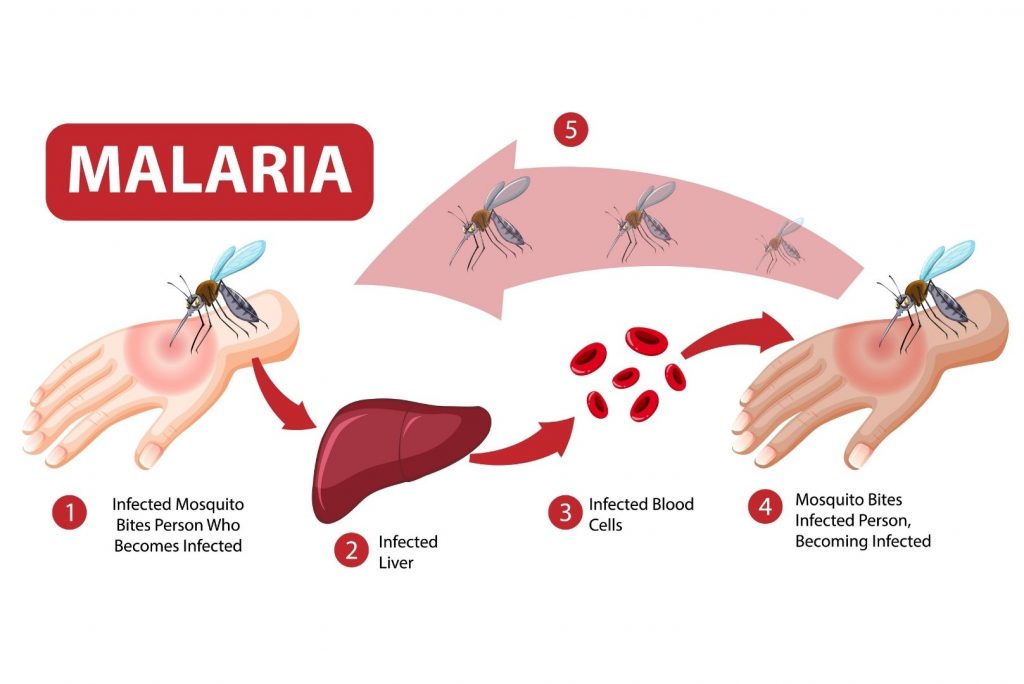
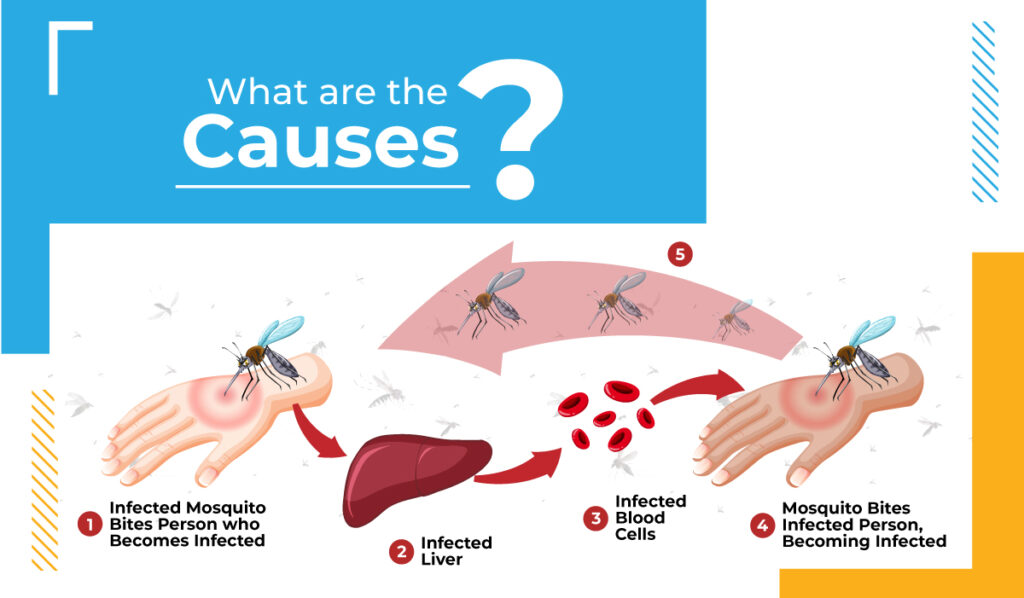
The insidious nature of malaria lies in its life cycle, which intricately links a human host with an Anopheles mosquito vector. The causative organism, Plasmodium, is a single-celled eukaryotic parasite that undergoes a complex development cycle, alternating between the mosquito and human hosts. This biological complexity presents unique challenges and opportunities for technological intervention, driving innovation across diagnostics, treatment, prevention, and control.
Unveiling the Culprit: The Plasmodium Parasite and its Molecular Signatures
At the heart of malaria is the Plasmodium parasite. There are over 200 known species of Plasmodium, but only a handful are pathogenic to humans, with Plasmodium falciparum being the most virulent and responsible for the majority of malaria deaths worldwide. Other significant human malaria parasites include Plasmodium vivax, Plasmodium ovale, Plasmodium malariae, and Plasmodium knowlesi. The subtle yet crucial differences between these species necessitate highly specific diagnostic and therapeutic approaches, underscoring the importance of precise biological identification.
The Microscopic Battlefield: Early Detection Technologies
Historically, the primary method for diagnosing malaria involved microscopic examination of blood smears. While still a cornerstone of malaria diagnosis in resource-limited settings, this technique relies heavily on skilled microscopists and can be time-consuming. However, even this venerable method has seen technological enhancements. Digital microscopy, coupled with advanced image analysis algorithms powered by artificial intelligence (AI), is revolutionizing the field. These systems can capture high-resolution images of blood smears, which are then analyzed by AI to detect and quantify the presence of Plasmodium parasites with remarkable speed and accuracy. This not only improves diagnostic efficiency but also offers potential for remote diagnosis and quality control, extending the reach of expert analysis to underserved areas.
Beyond the Microscope: Rapid Diagnostic Tests (RDTs) and Molecular Detection
The development of Rapid Diagnostic Tests (RDTs) represented a significant leap forward in malaria diagnostics. These tests, often employing lateral flow immunochromatographic principles, detect specific antigens produced by the Plasmodium parasite in a patient’s blood. RDTs are relatively inexpensive, easy to use, and provide results within minutes, making them invaluable tools for point-of-care diagnosis, especially in remote areas where laboratory infrastructure is scarce.
However, RDTs have limitations. They can sometimes exhibit reduced sensitivity for low parasite densities or for detecting mixed infections. To address these shortcomings, molecular diagnostic techniques have emerged as powerful complementary tools. Polymerase Chain Reaction (PCR)-based assays, particularly quantitative PCR (qPCR), offer unparalleled sensitivity and specificity for detecting Plasmodium DNA. These methods can identify different Plasmodium species with high accuracy and even quantify parasite loads, which is crucial for monitoring treatment response and understanding disease progression. The miniaturization and increasing affordability of PCR technology are making it more accessible for research and increasingly for clinical diagnostics in the fight against malaria.
The Mosquito Vector: Tracking and Disrupting Transmission with Technology
While the Plasmodium parasite is the direct cause of malaria, its transmission is entirely dependent on the Anopheles mosquito. Therefore, controlling mosquito populations and preventing their bites are critical components of malaria control strategies. Technology plays a pivotal role in understanding mosquito behavior, tracking their distribution, and developing novel methods for population suppression and sterilization.
Surveillance Systems: Mapping the Threat with Geospatial Technologies
Accurate and real-time surveillance of both malaria cases and mosquito vector populations is essential for effective control programs. Geospatial technologies, including Geographic Information Systems (GIS) and remote sensing, are being used to map malaria endemicity, identify high-risk areas, and predict potential outbreaks. By integrating data on climate, environmental factors, population density, and reported malaria cases, these systems can create dynamic risk maps that inform resource allocation and intervention strategies.
Furthermore, advanced entomological surveillance technologies are being deployed to monitor mosquito populations. This includes the use of various trap designs coupled with molecular techniques to identify mosquito species and detect the presence of Plasmodium sporozoites within them. Drones equipped with sensors are also being explored for their potential to map mosquito breeding sites, allowing for more targeted and efficient insecticide application or environmental modification.
Innovative Vector Control: From Insecticides to Genetic Modification
Traditional vector control methods, such as the use of insecticide-treated nets (ITNs) and indoor residual spraying (IRS), remain highly effective. However, the emergence of insecticide resistance in mosquito populations poses a significant threat. This has spurred technological innovation in insecticide development, including the creation of new chemical classes and the development of synergistic formulations.
Beyond chemical interventions, exciting advancements are being made in genetic approaches to mosquito control. Techniques such as the release of sterile insects (SIT) and genetically modified mosquitoes are showing promise. SIT involves releasing large numbers of sterilized male mosquitoes into the wild, which mate with wild females but produce no offspring, thereby reducing the population over time. Genetically modified mosquitoes, designed to be resistant to the parasite or to produce infertile offspring, represent a more futuristic but potentially transformative approach. These technologies, while complex and requiring careful ethical and environmental consideration, offer novel pathways to disrupt malaria transmission at its source.
The Future of Malaria Eradication: Technological Frontiers in Prevention and Cure
The ultimate goal of malaria control is eradication. Achieving this ambitious objective will undoubtedly rely on continued technological innovation across a spectrum of disciplines, from drug discovery to advanced vaccine platforms.
Pharmaceutical Innovations: Combating Drug Resistance and Improving Treatment
The development of effective antimalarial drugs has been a cornerstone of treatment. However, the parasite’s ability to develop resistance to existing medications is a constant challenge. Technological advancements in drug discovery, including high-throughput screening, computational drug design, and the use of AI to predict drug efficacy and toxicity, are crucial for identifying new drug candidates and understanding resistance mechanisms. Furthermore, innovations in drug delivery systems, such as long-acting formulations, could improve patient adherence and treatment outcomes, particularly in challenging logistical environments.
The Vaccine Revolution: Harnessing Immune Responses with Cutting-Edge Platforms
Vaccines offer the most sustainable and cost-effective long-term solution for disease prevention. While developing an effective malaria vaccine has been a formidable scientific challenge due to the parasite’s complex life cycle and ability to evade the host immune system, significant progress has been made. The recent approval of the RTS,S/AS01 vaccine, and promising results from other vaccine candidates like R21/Matrix-M, represent monumental achievements. These vaccines leverage sophisticated immunological understanding and advanced manufacturing technologies to prime the human immune system against specific Plasmodium antigens. Future vaccine research is exploring novel platform technologies, including mRNA vaccines and viral vector-based vaccines, which have demonstrated remarkable success in other infectious disease contexts, offering hope for even more potent and broadly protective malaria vaccines.

Data-Driven Strategies: The Power of Big Data and Predictive Analytics
The fight against malaria is increasingly data-intensive. The collection and analysis of vast datasets, from genomic information of parasites and vectors to patient-level clinical data and environmental monitoring, are providing unprecedented insights into the dynamics of malaria transmission. The application of big data analytics, machine learning, and predictive modeling allows researchers and public health officials to identify emerging threats, optimize intervention strategies, and forecast future outbreaks with greater accuracy. This data-driven approach, powered by sophisticated computational tools, is transforming how we understand and combat this ancient disease.
In conclusion, while the organism that causes malaria is a microscopic protozoan parasite, Plasmodium, its control and eventual eradication are inextricably linked to the relentless march of technological innovation. From the precise molecular diagnostics that identify the parasite to the sophisticated surveillance systems that track its spread, and the cutting-edge vaccine technologies that offer hope for prevention, technology serves as our most powerful ally in the enduring battle against malaria. The ongoing synergy between biological understanding and technological advancement is our best hope for a malaria-free future.
aViewFromTheCave is a participant in the Amazon Services LLC Associates Program, an affiliate advertising program designed to provide a means for sites to earn advertising fees by advertising and linking to Amazon.com. Amazon, the Amazon logo, AmazonSupply, and the AmazonSupply logo are trademarks of Amazon.com, Inc. or its affiliates. As an Amazon Associate we earn affiliate commissions from qualifying purchases.