
In the traditional medical sense, blood proteins—such as albumin, globulin, and fibrinogen—are the functional workhorses of the human body. They transport hormones, regulate osmotic pressure, and facilitate immune responses. However, in the contemporary landscape of the Silicon Valley-driven “Bio-IT” revolution, blood proteins are being redefined. They are no longer viewed merely as biological components but as complex data points.
As we move toward an era of personalized medicine, the study of blood proteins (proteomics) has merged with high-performance computing, artificial intelligence, and sophisticated sensor technology. This fusion is transforming how we diagnose disease, develop drugs, and monitor human health in real-time.
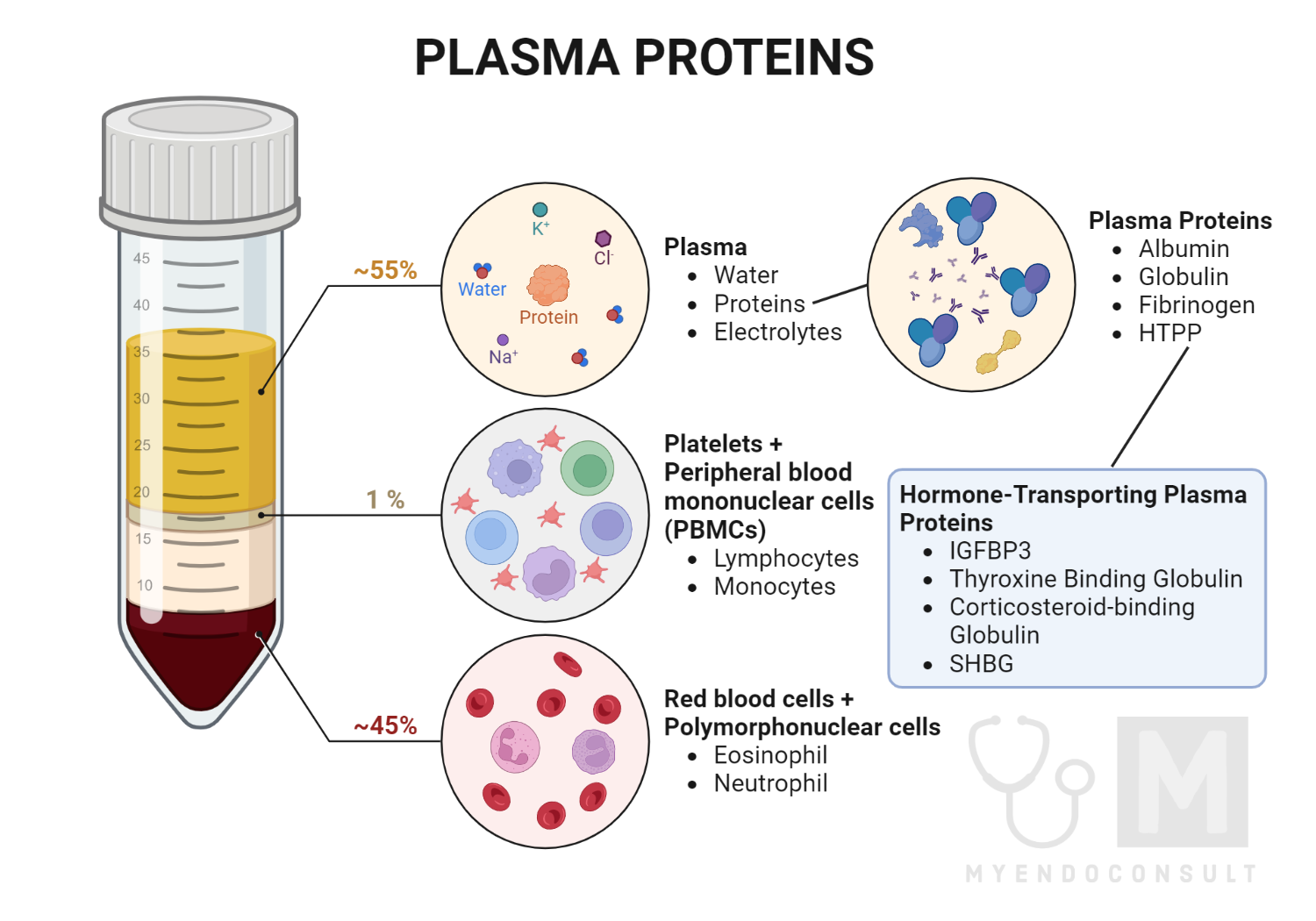
The Convergence of Biology and Big Data: Defining Blood Proteins in the Tech Era
To understand “what are blood proteins” in a modern context, one must look at them through the lens of bioinformatics. While a textbook might define them by their chemical structure, the tech industry defines them as the “software” of the human body.
From Biological Markers to Data Points
In the tech sector, blood proteins are identified as the ultimate biomarkers. Unlike DNA, which provides a static blueprint of what might happen in a body, proteins represent what is happening. Tech platforms now treat the presence, concentration, and folding patterns of these proteins as a stream of real-time data. By digitizing these proteins, researchers can apply the same big-data analytics used in financial markets or social media algorithms to predict a patient’s health trajectory.
The Role of Mass Spectrometry and High-Throughput Screening
The “hardware” behind protein identification has seen a massive upgrade. Modern mass spectrometers, integrated with cloud computing, allow for high-throughput screening. This means instead of testing for one protein at a time, tech-enabled labs can analyze thousands of protein variants simultaneously. This shift from manual lab work to automated, software-driven analysis is the foundation of the multi-billion-dollar proteomics industry.
AI and Machine Learning: The New Microscopes of Proteomics
The sheer volume of data generated by blood proteins is too vast for human clinicians to interpret alone. This is where Artificial Intelligence (AI) and Machine Learning (ML) become the essential tools for decoding the “blood protein code.”
Predictive Analytics in Proteomics
AI models are now being trained on massive datasets of protein profiles. By identifying subtle patterns in blood protein fluctuations that the human eye would miss, these algorithms can predict the onset of chronic diseases—such as Alzheimer’s or various cancers—years before physical symptoms appear. Companies like Google’s DeepMind, with its AlphaFold project, have revolutionized our understanding of protein folding, a breakthrough that relies entirely on neural networks rather than traditional test tubes.
Deep Learning for Early Disease Detection
Deep learning architectures are specifically designed to handle the non-linear complexity of blood proteins. For instance, in liquid biopsy technology, software scans blood samples for “protein signatures” associated with early-stage tumors. This marriage of oncology and algorithmic processing represents a paradigm shift in preventative technology, turning the bloodstream into a searchable database for glitches in the human system.
Wearables and the Rise of Real-Time Protein Monitoring
The next frontier of blood protein technology is moving out of the lab and onto the wrist. The “Internet of Medical Things” (IoMT) is actively working to bridge the gap between static blood tests and continuous molecular monitoring.
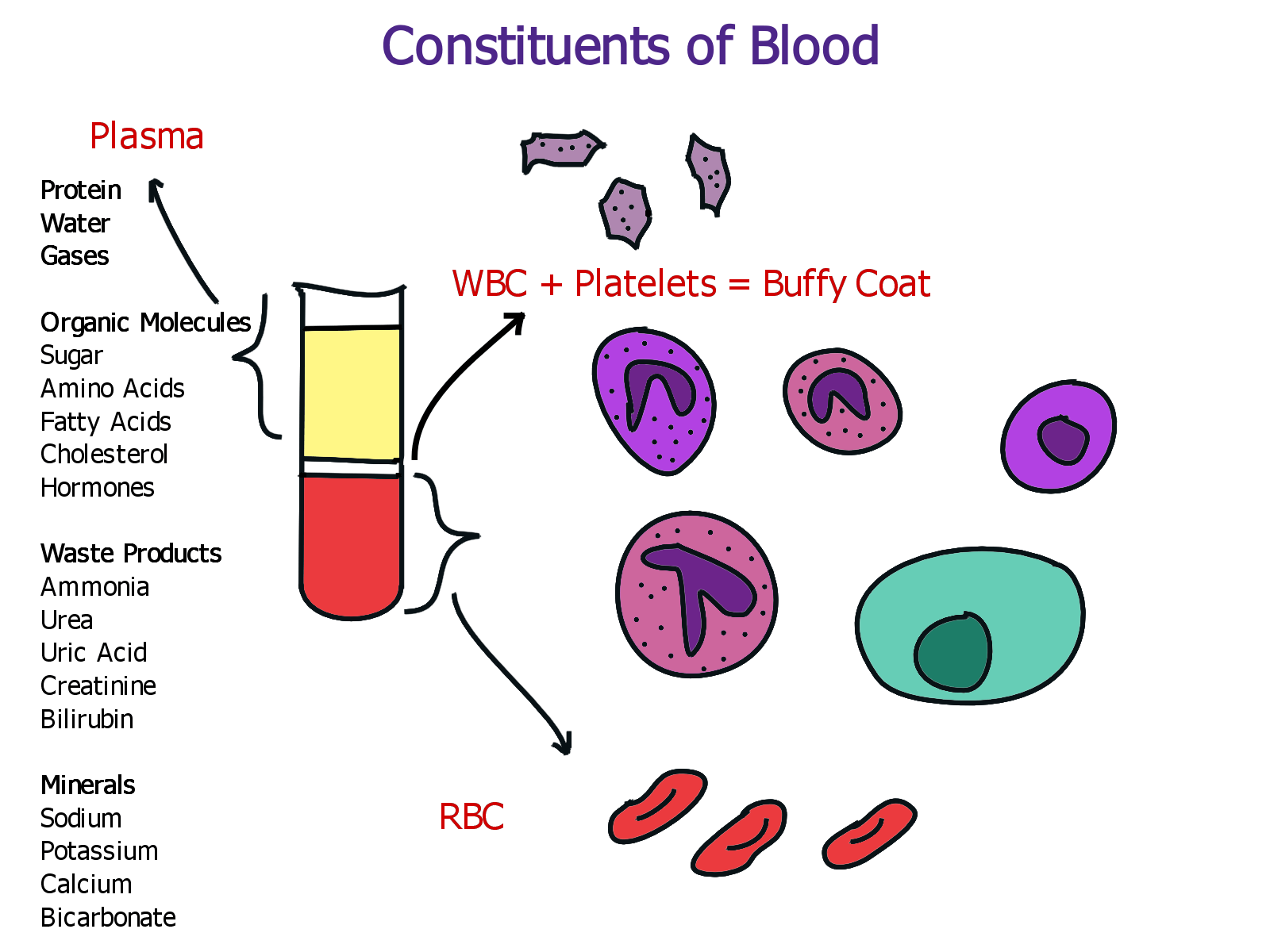
Biosensors and the Internet of Medical Things (IoMT)
While current wearables like the Apple Watch or Oura Ring focus on mechanical data (heart rate, movement), the next generation of gadgets is targeting biochemical data. New CMOS-based biosensors are being developed to detect specific blood proteins through interstitial fluid or micro-needles. This technology allows for the continuous streaming of protein data to a smartphone, providing a dashboard of one’s internal health.
Continuous Molecular Monitoring vs. Point-in-Time Testing
The technological shift from “point-in-time” testing (getting blood drawn once a year) to “continuous monitoring” is profound. By using apps that track protein levels in real-time, users can see how their diet, stress, and sleep affect their immune-regulating proteins (globulins) or inflammatory markers (C-reactive protein). This creates a feedback loop that allows for the “gamification” of health optimization, a core trend in the bio-hacking community.
The Future of Personalized Medicine: Digital Twins and Proteomic Mapping
As we refine our ability to track blood proteins, the tech industry is moving toward the creation of “Digital Twins”—virtual models of individual patients that can be used to simulate medical treatments.
Creating Virtual Models of Human Physiology
A Digital Twin is a software representation of a biological entity. By feeding an individual’s blood protein data into a high-powered simulation, doctors can test how a specific drug might interact with that person’s unique protein profile. This reduces the “trial and error” phase of medicine, using silicon-based simulations to find the perfect dosage or treatment plan before a single pill is swallowed.
Software-Driven Drug Discovery
The traditional pharmaceutical model is being disrupted by “In Silico” drug discovery. Tech startups are using blood protein structures as templates to design new synthetic molecules. By simulating the docking of a drug onto a protein receptor within a virtual environment, the time and cost of bringing life-saving medication to market are being slashed by orders of magnitude.
Security, Ethics, and the Digital Bio-Economy
With the digitization of blood proteins comes a new set of challenges regarding digital security and data privacy. When our biological makeup becomes a digital file, it requires the same level of protection as our banking information.
Protecting Genomic and Proteomic Privacy
As blood protein profiles are uploaded to the cloud for AI analysis, they become targets for cyberattacks. The tech industry is currently debating the standards for “Biological Encryption.” Ensuring that a user’s protein-derived health risks are not leaked to insurance companies or malicious actors is a primary focus for digital security firms specializing in healthcare.
The Blockchain of Bio-Data
Some tech innovators are proposing the use of blockchain technology to give individuals ownership over their protein data. By storing proteomic profiles on a decentralized ledger, patients could theoretically “rent” their data to pharmaceutical researchers for tokens, creating a new economy where the information found in one’s own blood is a valuable, secure, and tradable digital asset.
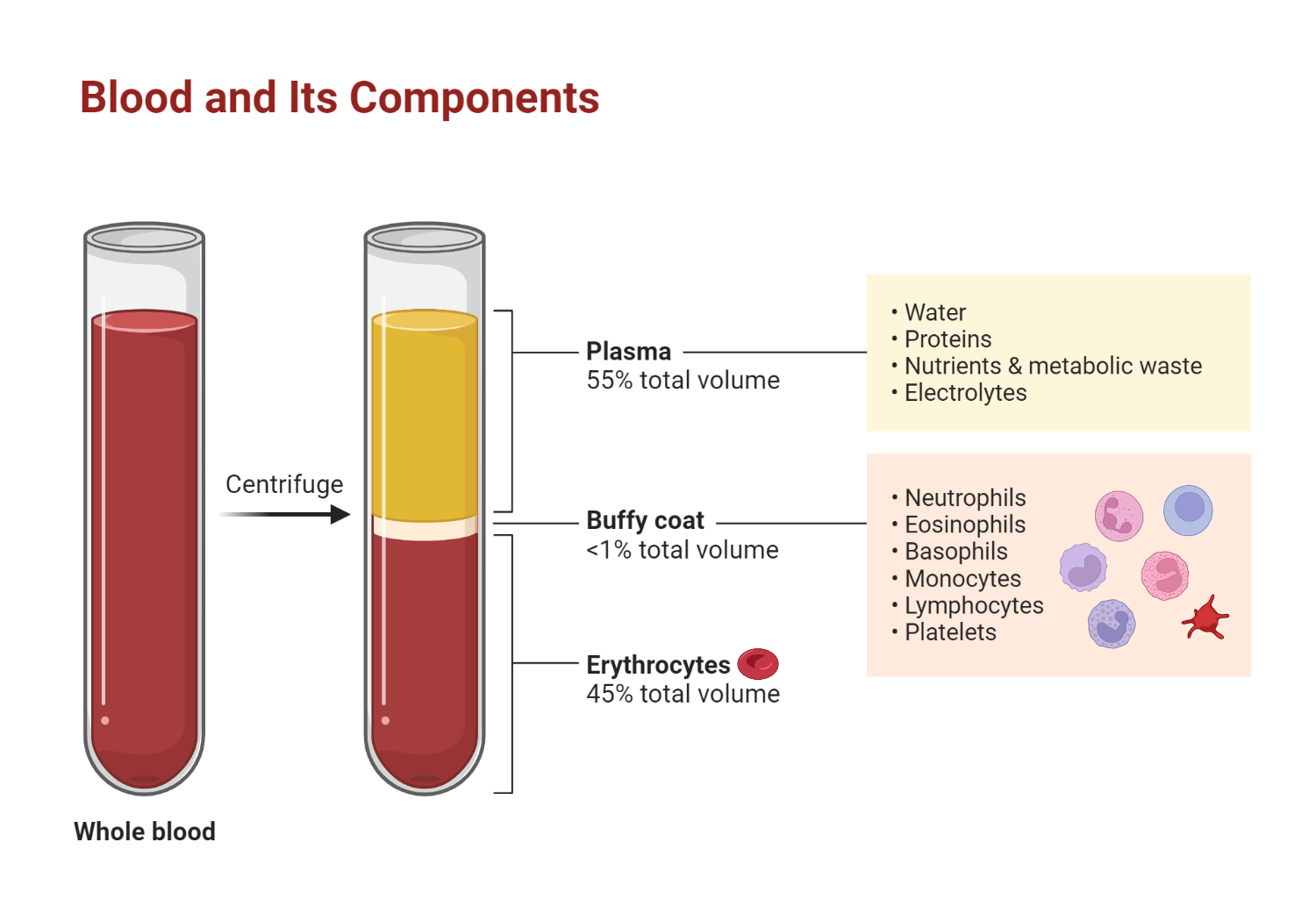
Conclusion: The Siliconization of the Bloodstream
To answer the question “what are blood proteins” in the 21st century is to acknowledge the total integration of biology and technology. We are moving past the era where blood was merely a fluid to be studied under a lens. Today, it is a high-bandwidth signal, a stream of data that—when processed by AI, monitored by wearables, and secured by advanced encryption—holds the key to the future of human longevity.
As the tech industry continues to colonize the medical field, the study of blood proteins will remain at the forefront. The transition from “wet-lab” biology to “dry-lab” computation ensures that the proteins in our veins are the most important software updates we will ever receive. Through the power of AI and digital innovation, we are finally learning how to read the complex, life-sustaining code that has been flowing through us all along.
aViewFromTheCave is a participant in the Amazon Services LLC Associates Program, an affiliate advertising program designed to provide a means for sites to earn advertising fees by advertising and linking to Amazon.com. Amazon, the Amazon logo, AmazonSupply, and the AmazonSupply logo are trademarks of Amazon.com, Inc. or its affiliates. As an Amazon Associate we earn affiliate commissions from qualifying purchases.