
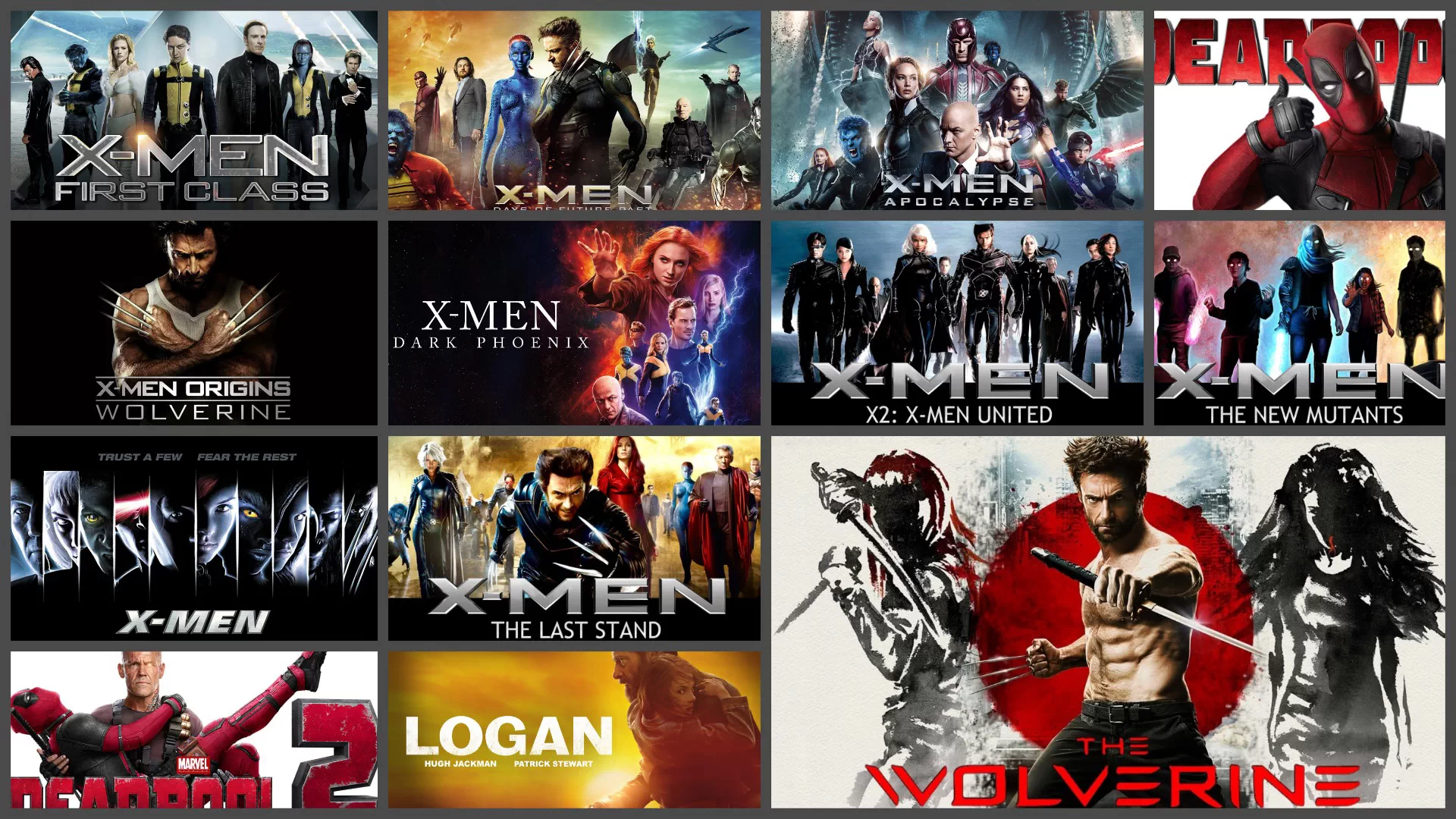
The X-Men film franchise stands as one of the most complex case studies in modern brand management. Spanning over two decades, the series has navigated changing market demographics, shifts in creative leadership, and a monumental corporate acquisition. For the consumer, the question of “what order to watch X-Men” is not merely a matter of sequential entertainment; it is a journey through the evolution of a cinematic brand identity. Understanding the optimal viewing order requires an analysis of how brand architecture influences narrative structure and how a franchise maintains its value while pivoting through multiple “soft reboots.”
Navigating the Complexity of Long-Term Brand Narratives
When a brand persists for twenty years, its primary challenge is maintaining relevance without alienating its core audience. The X-Men franchise, originally under the 20th Century Fox banner, pioneered the modern superhero genre. However, unlike the meticulously planned Marvel Cinematic Universe (MCU), the X-Men brand evolved through a series of reactionary strategic shifts. This created a fractured timeline that necessitates different viewing strategies depending on the consumer’s goals: historical context or narrative fluidity.
The Original Release Order: Establishing the Foundation
For those analyzing the brand from a historical perspective, the Release Order remains the most vital. Starting with X-Men (2000), the brand established a “grounded” aesthetic—black leather suits and philosophical undertones—that distanced it from the campy comic book adaptations of the 1990s. This was a strategic branding move to capture a mature, mainstream audience.
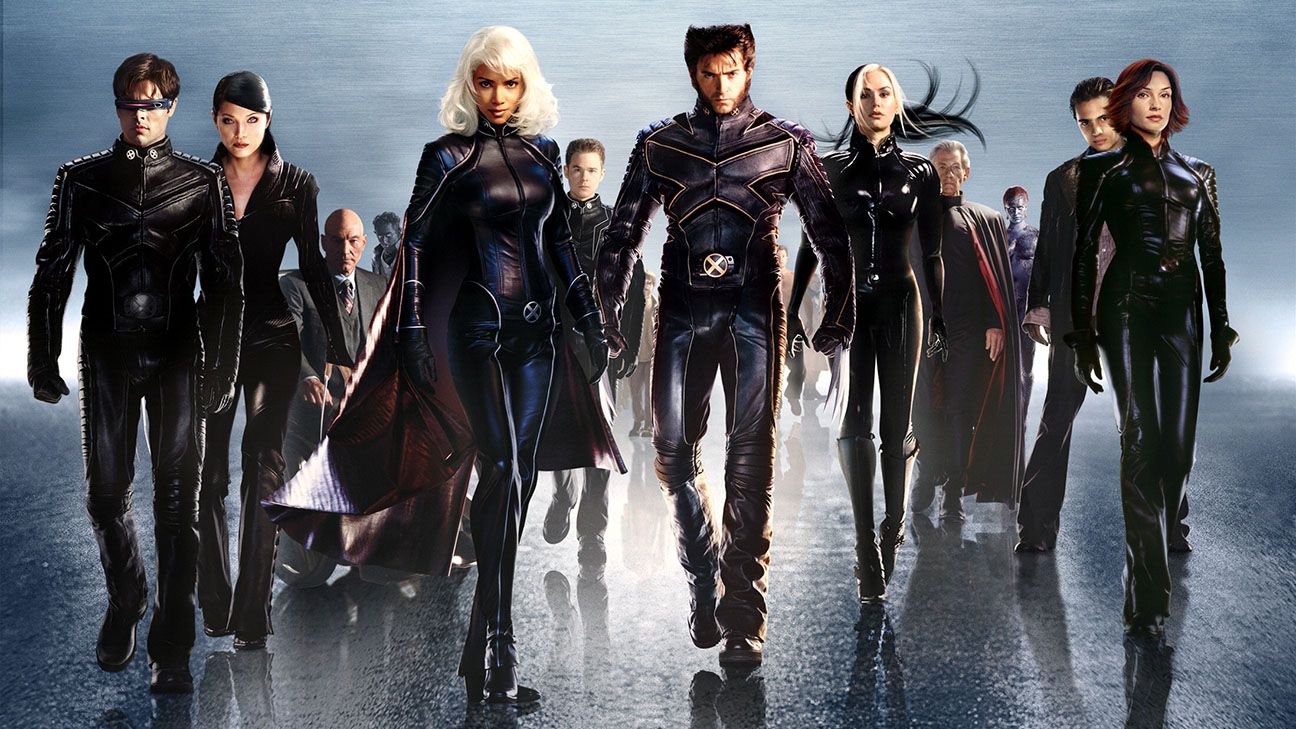
The original trilogy (X-Men, X2: X-Men United, and X-Men: The Last Stand) focused on the core conflict between integration and isolationism. From a brand equity standpoint, these films solidified the “X-Men” name as a powerhouse intellectual property (IP). However, the diminishing critical returns of the third installment necessitated a strategic pivot, leading to the “Origins” sub-brand.
The Challenge of Retroactive Continuity
As the brand expanded, it faced the “prequel trap.” X-Men Origins: Wolverine was an attempt to leverage the brand’s most popular character asset, but it inadvertently created continuity errors that threatened the brand’s integrity. When brand managers and directors ignore established lore for short-term gains, they risk diluting the IP. This phase of the franchise teaches a crucial lesson in brand strategy: diversification must not come at the expense of the core identity’s logic.
The Chronological Strategy: Realigning Brand Identity Across Decades
The alternative viewing order is Chronological, which attempts to piece together the brand’s narrative as a linear history of the mutant race. This order starts with X-Men: First Class (set in 1962) and ends with the dystopian future of Logan (2029). This approach reveals a fascinating shift in brand tone, moving from the vibrant, retro-futurism of the 1960s to the gritty, neo-Western aesthetics of the late 2020s.
Scaling the IP through Prequels
X-Men: First Class (2011) represented a total brand refresh. By moving the timeline back to the Cold War era, the studio was able to recast major roles with younger talent, effectively extending the lifecycle of the brand without a hard reboot. This strategy allowed the franchise to tap into a younger demographic while still capitalizing on the brand recognition established by the original films. It was a masterclass in revitalizing an aging asset by altering its visual language and setting while keeping its thematic core intact.
The Multiverse as a Branding Solution

Perhaps the most ingenious strategic move in the franchise was X-Men: Days of Future Past. This film acted as a bridge between the “Legacy” brand (the original cast) and the “New” brand (the prequel cast). Narratively, it used time travel to “delete” unpopular branding decisions from previous films (specifically the events of The Last Stand). In business terms, this was a strategic audit and correction. It allowed the brand to retain what worked, discard what didn’t, and pave the way for future products within a unified—yet flexible—timeline.
Impact of Corporate Mergers on Brand Architecture
The acquisition of 20th Century Fox by Disney in 2019 marked the most significant turning point in the X-Men brand history. Suddenly, the “X-Men” IP was no longer a standalone entity; it had to be integrated into the Disney/Marvel ecosystem. This transition fundamentally changes how a new viewer should approach the “order” of the films, as the brand is now being repositioned for a new era of cross-pollination.
Transitioning from Fox to the Disney Ecosystem
The late-stage Fox films, such as Deadpool and Logan, pushed the brand into R-rated territory. This was a daring “niche branding” strategy that proved highly profitable. By catering to an adult audience, Fox carved out a space that the more family-friendly MCU had yet to occupy.
However, as the brand moves toward Disney, the strategic focus has shifted toward “Legacy” recognition. The inclusion of characters like Patrick Stewart’s Professor X in Doctor Strange in the Multiverse of Madness or the return of Wolverine in Deadpool & Wolverine shows a shift toward nostalgia-based marketing. The viewing order now must include these external “crossover” appearances, as they are essential to understanding the brand’s current trajectory. The brand is no longer just a series of movies; it is a set of modular assets that can be deployed across a larger cinematic ecosystem.
Niche Branding and the “Logan” Effect
To understand the full spectrum of the X-Men brand, one must look at how it successfully experimented with genre-bending. Logan (2017) is often cited as the pinnacle of the franchise. From a marketing perspective, it was a “prestige” product. It stripped away the traditional superhero tropes—colorful costumes, world-ending stakes, and CGI spectacles—in favor of a character-driven drama.
This move was a calculated risk that paid off by elevating the brand’s critical standing. It proved that a franchise brand could sustain itself by diversifying its output to include “art-house” sensibilities. For the viewer, watching Logan at the end of the chronological order provides a somber, high-quality “exit” from the Fox-era brand, serving as a powerful final statement on the characters that built the franchise.
Future-Proofing the Mutant Brand: Lessons in Consistency
As the X-Men brand prepares for its official “re-introduction” within the Marvel Cinematic Universe, several key takeaways emerge for brand strategists and fans alike.
- Flexibility is Key: The ability to pivot between timelines and genres allowed the X-Men brand to survive several critical failures.
- Character over Continuity: Despite the messy timeline, the brand remained strong because it invested heavily in character identity (specifically Wolverine, Magneto, and Professor X). Fans are often willing to forgive narrative inconsistencies if the brand delivers on its emotional promises.
- Strategic Resets: Periodic “clean-ups,” like Days of Future Past, are necessary for long-term IP health. They prevent the brand from becoming too weighed down by its own history.
The “order” to watch X-Men is ultimately a choice between witnessing the chronological history of a fictional world or observing the strategic evolution of a multi-billion-dollar brand. For the professional analyst, the Release Order provides the clearest view of how the franchise reacted to market pressures and competitor successes. For the enthusiast, the Chronological Order offers a grand, if occasionally bumpy, epic of social struggle and evolution.
Regardless of the chosen path, the X-Men franchise remains a testament to the power of resilient branding. It has survived creative shifts, corporate takeovers, and the changing tides of cinema, proving that even a fractured narrative can maintain a powerful presence in the global market if the core brand values—diversity, struggle, and heroism—remain at the forefront. As the brand enters its next phase under the Disney umbrella, the viewing order will only continue to grow, reflecting a new chapter in one of the most storied brand architectures in entertainment history.
aViewFromTheCave is a participant in the Amazon Services LLC Associates Program, an affiliate advertising program designed to provide a means for sites to earn advertising fees by advertising and linking to Amazon.com. Amazon, the Amazon logo, AmazonSupply, and the AmazonSupply logo are trademarks of Amazon.com, Inc. or its affiliates. As an Amazon Associate we earn affiliate commissions from qualifying purchases.