
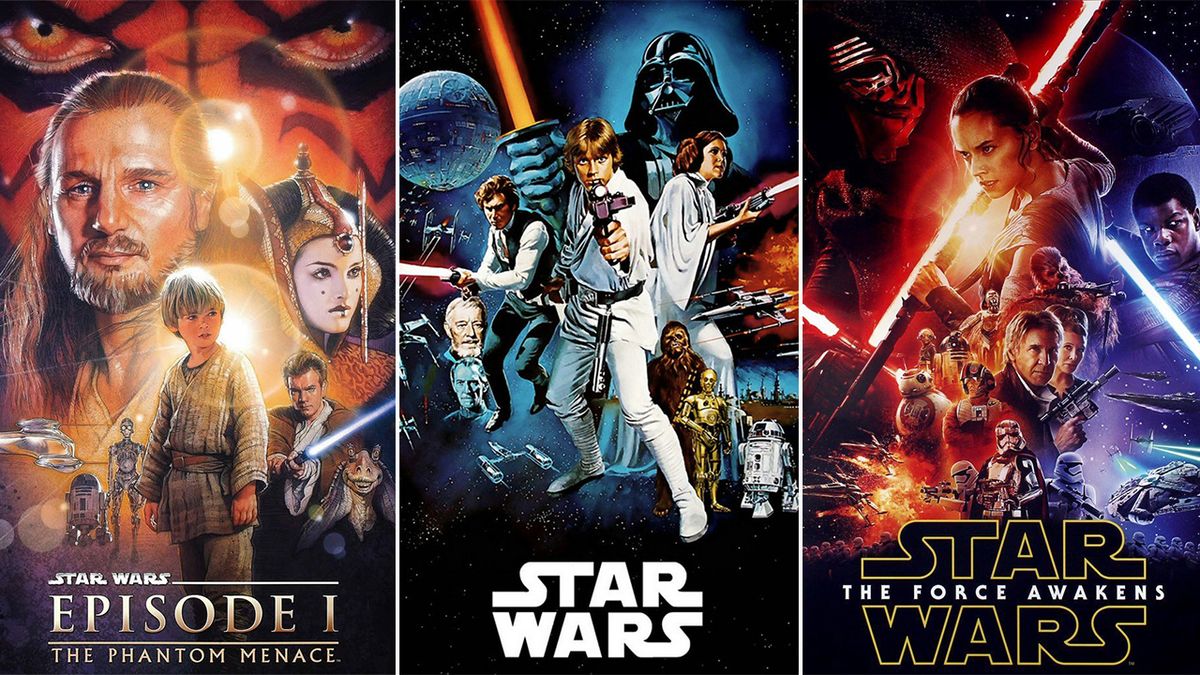
The Star Wars saga represents far more than just a collection of films; it is a sprawling digital empire, an iconic multimedia franchise that has captivated generations. For newcomers, or even seasoned fans looking to revisit the galaxy far, far away, the sheer volume of content can be daunting. From theatrical releases spanning decades to an ever-expanding universe across streaming platforms, determining the optimal viewing sequence is less about simple chronology and more about crafting a personalized, technologically enhanced journey through one of cinema’s most significant achievements. This guide delves into the various viewing orders, framing them as distinct content consumption strategies, and explores the technological considerations that can elevate your Star Wars experience.
The Technological Evolution of a Galaxy Far, Far Away
Before diving into viewing orders, it’s crucial to appreciate how technology has not only shaped the creation of Star Wars but also fundamentally transformed how we consume it. Understanding this evolution provides context for why certain viewing strategies might be preferred.
From Practical Effects to Digital Spectacles: A Brief History
The original Star Wars trilogy (Episodes IV, V, VI) was a groundbreaking triumph of practical effects. Miniatures, matte paintings, puppetry, and stop-motion animation pushed the boundaries of filmmaking technology in the late 1970s and early 1980s. George Lucas’s vision was brought to life by ingenious mechanical designs, elaborate sets, and pioneering optical compositing techniques that created believable alien worlds and thrilling space battles. This era laid the foundation for modern special effects but relied heavily on tangible craftsmanship.
The prequel trilogy (Episodes I, II, III), released two decades later, marked a dramatic pivot towards digital filmmaking. Lucas fully embraced computer-generated imagery (CGI), pushing the nascent technology to its limits. While controversial for its extensive use, the prequels demonstrated the potential of digital environments, motion capture, and intricate CGI character animation. They were a technological leap, showcasing how software and computing power could create entirely new realities, moving away from physical sets and models towards virtual ones.
Today, modern Star Wars productions, including the sequel trilogy (Episodes VII, VIII, IX) and the various Disney+ series like The Mandalorian and Andor, represent a synthesis of these approaches. Advanced CGI seamlessly integrates with practical effects, sophisticated camera technologies, and innovative virtual production techniques like “The Volume.” This real-time LED screen technology creates immersive digital backgrounds that react dynamically to camera movement, blurring the lines between physical and virtual sets, and offering unparalleled creative flexibility for filmmakers. This continuous technological advancement in how the stories are told directly impacts the visual and auditory richness available to the viewer.
The Modern Viewing Landscape: Streaming, 4K, and Immersive Audio
The way we interact with Star Wars content has also been revolutionized by digital distribution and advanced home entertainment technology. Gone are the days of VHS tapes and even DVD box sets as the primary means of consumption.
Streaming Platforms: Disney+, the dedicated streaming service, has become the central digital hub for nearly all Star Wars cinematic and television content. This consolidated access point offers convenience, but also introduces considerations around internet bandwidth, device compatibility, and subscription management. Other digital storefronts like Amazon Prime Video, Google Play, and Apple TV still offer individual digital purchases or rentals, providing alternative access models and digital rights management (DRM) ecosystems.
High-Definition Formats: Modern viewing is synonymous with high-definition. 4K Ultra HD (UHD) resolutions, coupled with High Dynamic Range (HDR) formats like Dolby Vision or HDR10+, deliver unparalleled visual fidelity, offering more vibrant colors, deeper blacks, and finer details than ever before. For a franchise renowned for its visual spectacle, experiencing Star Wars in these formats on a compatible display significantly enhances immersion.
Immersive Audio Systems: Beyond visuals, audio technology plays a crucial role. Dolby Atmos and DTS:X immersive sound formats create a three-dimensional soundscape, placing sounds above and around the viewer. A well-configured home theater system with an Atmos-capable receiver and speakers can transform a living room into the cockpit of the Millennium Falcon or the bustling streets of Coruscant, adding another layer of technological enhancement to the viewing experience.
Navigating the Digital Chronology: Understanding Viewing Orders as Content Strategy
The various suggested viewing orders for Star Wars can be understood as different strategies for navigating a complex digital content library. Each method optimizes for a particular user experience, whether it’s historical purity, narrative coherence, or a curated dramatic impact.
Release Order: The Original Cinematic Journey
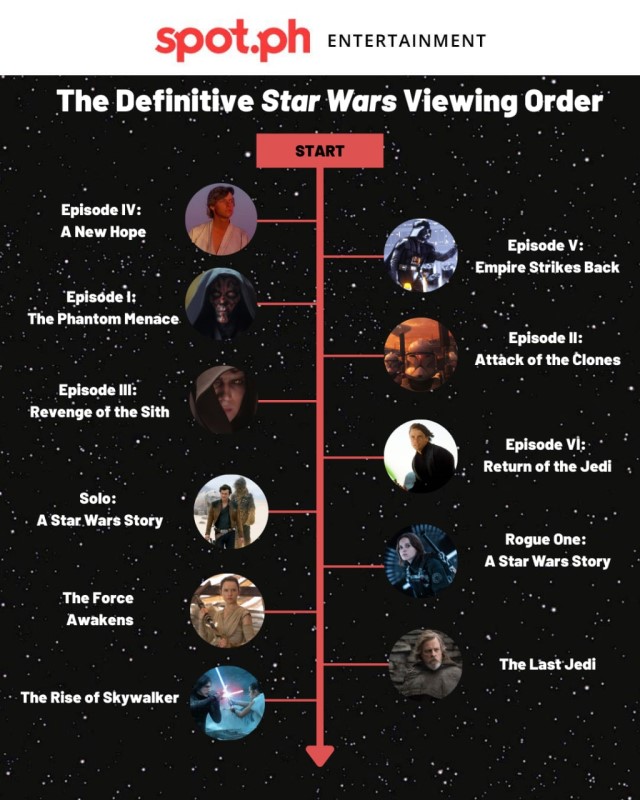
Order: IV, V, VI, I, II, III, VII, Rogue One, VIII, Solo, IX
(Note: This includes the main saga films and the two theatrical “A Star Wars Story” spin-offs in their original release slots.)
This strategy treats the Star Wars saga as a historical archive, consumed in the sequence it was originally presented to the public. It respects the “developer’s intent” in terms of how audiences first encountered plot twists and character developments. For a first-time viewer, this order preserves the iconic reveal in The Empire Strikes Back and allows for appreciation of the evolving filmmaking technologies and narrative techniques across the decades.
Tech Implications: This order highlights the technological leaps and shifts in visual effects from the late 70s to the 2010s. Watching the original trilogy first, then moving to the prequels, showcases the stark contrast in CGI application and directorial style driven by the available technology of each era. It’s an exploration of cinematic history through a technological lens.
Chronological Order: A Streamlined Narrative Database
Order: I, II, III, Solo, Rogue One, IV, V, VI, VII, VIII, IX
(Note: This is strictly chronological by in-universe events for the main films and immediate spin-offs.)
This approach optimizes for a linear story flow, treating the entire saga as a single, continuous narrative database. It’s ideal for viewers who prioritize understanding the full backstory before reaching the original trilogy, providing a clear progression of events without any temporal jumps. New viewers might find this less confusing narratively, as it front-loads the exposition and character origins.
Tech Implications: When consuming content chronologically, the viewer might experience a jarring technological downgrade moving from the modern Revenge of the Sith to the 1977 A New Hope. While both might be presented in modern digital remasters on Disney+, the inherent visual language, special effects, and cinematography of the older films will be evident. This order demands an appreciation for the content over the consistent polish of modern production values.

Machete Order: An Optimized Narrative Algorithm
Order: IV, V, II, III, VI, VII, VIII, IX
(Note: This order omits Episode I and frames the prequels as an extended flashback between Empire Strikes Back and Return of the Jedi. Rogue One and Solo can be inserted before IV or after III/Rogue One respectively, if desired, but are typically excluded from the core “Machete” philosophy.)
Often regarded as an “advanced user strategy” or a “community-developed mod,” the Machete Order aims to optimize the dramatic impact and pacing for a first-time viewer. It prioritizes the reveal of Luke Skywalker’s parentage in The Empire Strikes Back and then uses the prequel films (II and III) as a flashback to provide crucial context for Darth Vader’s transformation before the climactic resolution in Return of the Jedi. Episode I is often omitted as it is deemed less essential to the core Skywalker saga’s dramatic arc.
Tech Implications: This order is an excellent example of how digital content can be re-sequenced and re-contextualized for a new user experience. It leverages the non-linear accessibility of digital media to create a novel narrative flow. The abrupt jump from the original trilogy’s mid-point to the prequels showcases the different technological eras back-to-back, highlighting character motivations through the lens of changing cinematic styles. It’s a testament to the flexibility digital libraries offer for curating a personalized viewing journey.
Essential Tech for Your Star Wars Marathon: Enhancing the Digital Experience
Regardless of the chosen viewing order, the right technological setup can profoundly enhance your Star Wars marathon, transforming passive viewing into an immersive experience.
Choosing Your Platform: Streaming Services vs. Digital Libraries vs. Physical Media
The first step is deciding where and how you’ll access the content, each with its own technological implications:
- Streaming Services (e.g., Disney+): Offers unparalleled convenience and a vast library accessible across numerous devices (smart TVs, phones, tablets, gaming consoles). However, quality is dependent on internet bandwidth, and you don’t “own” the content, relying on continued subscription and platform availability. Disney+ currently offers most Star Wars content in 4K HDR/Dolby Vision and Dolby Atmos, making it the most technologically advanced and comprehensive single access point.
- Digital Libraries (e.g., Apple TV, Amazon Prime Video): Allows for digital purchase and “ownership” of individual titles. This grants more control and often means higher bitrate streams than subscription services, potentially offering superior visual and audio quality if your internet connection is robust. However, it requires managing multiple digital rights management (DRM) ecosystems and devices.
- Physical Media (e.g., 4K UHD Blu-ray): Offers the absolute highest uncompressed audio and video quality, completely independent of internet speed. This is the choice for purists and those with dedicated home theater setups. It requires specific playback hardware (4K UHD Blu-ray player) and storage space for the discs. It represents the pinnacle of stable, high-fidelity digital content delivery.
Display and Audio Setup: Maximizing Immersion
To truly appreciate the visual and auditory spectacle of Star Wars, investing in quality display and audio technology is paramount.
- Display Technology: A 4K HDR television is highly recommended. OLED TVs offer infinite contrast and perfect blacks, ideal for the deep space visuals and lightsaber duels. QLED TVs provide exceptional brightness and vibrant colors. Ensure your TV supports HDR formats like Dolby Vision or HDR10+ for the full spectrum of visual enhancements. Proper calibration of your display can further optimize picture quality, matching cinematic standards.
- Audio Setup: For impactful sound, consider a soundbar with virtual or true surround sound capabilities, or ideally, a full home theater system. A receiver supporting Dolby Atmos or DTS:X, paired with strategically placed speakers (including ceiling or up-firing speakers for height channels), will create an enveloping audio experience. Dialogue clarity is also crucial, so ensure your center channel (or soundbar’s dialogue enhancement features) is properly configured.
Beyond the Core Films: Expanding Your Digital Star Wars Universe
The Star Wars universe extends far beyond the main films, and modern technology facilitates access to this broader content:
- Streaming Series: Disney+ offers a growing library of acclaimed live-action and animated series (e.g., The Mandalorian, Andor, Ahsoka, The Clone Wars). These are seamlessly integrated into the platform, offering continuous high-quality content.
- Video Games: Star Wars gaming experiences range from immersive single-player adventures (e.g., Jedi: Fallen Order, Jedi: Survivor) on high-end PCs and consoles, to mobile games, offering interactive storytelling and fan engagement.
- Virtual Reality (VR): VR experiences (e.g., Vader Immortal) offer unique, first-person immersion into the Star Wars galaxy, pushing the boundaries of interactive digital storytelling. These require dedicated VR headsets and powerful computing platforms.
Optimizing Your Viewing Strategy: Best Practices for Digital Consumption
Beyond choosing an order and setting up your tech, certain digital habits can further enhance your Star Wars journey.
Managing Spoilers in a Connected World
In the age of social media and instant information, avoiding spoilers for a decades-old yet continually expanding franchise is a digital challenge. Strategies include:
- Browser Extensions: Tools like “Spoiler Protection 2.0” or similar extensions can block keywords on websites.
- Social Media Management: Muting relevant hashtags or unfollowing fan accounts temporarily can help.
- Designated Viewing Bubbles: Plan your marathon to minimize exposure to external digital information until your viewing is complete. This is a form of digital information security, safeguarding your viewing experience.
The Role of Companion Apps and Wikis
Digital tools and databases can significantly enhance understanding. The official Star Wars Databank (on StarWars.com), Wookieepedia (a fan-run wiki), and various companion apps offer deep dives into lore, character bios, and technological specifications of ships and weapons. Using a second screen (tablet or phone) while watching can provide instant access to information, enriching the viewing experience and acting as a real-time digital encyclopedia.
Future-Proofing Your Collection: Digital Rights and Accessibility
Consider the long-term implications of your content acquisition strategy. While streaming services offer convenience, digital purchases offer a stronger claim to content access, though they are still subject to platform stability and DRM policies. Physical media remains the most “future-proof” in terms of direct ownership, though it requires specific hardware. Understanding these aspects of digital rights management is crucial for maintaining access to your beloved saga.
In conclusion, navigating the vast Star Wars universe is a highly personal endeavor, with various viewing orders offering distinct narrative journeys. However, regardless of the path you choose, leveraging modern technology—from high-definition displays and immersive audio systems to robust streaming platforms and intelligent digital consumption strategies—is key to optimizing your experience. By consciously considering your technological setup and content access methods, you transform a simple movie marathon into a fully immersive, digitally enhanced odyssey through a galaxy far, far away.
aViewFromTheCave is a participant in the Amazon Services LLC Associates Program, an affiliate advertising program designed to provide a means for sites to earn advertising fees by advertising and linking to Amazon.com. Amazon, the Amazon logo, AmazonSupply, and the AmazonSupply logo are trademarks of Amazon.com, Inc. or its affiliates. As an Amazon Associate we earn affiliate commissions from qualifying purchases.