
The proliferation of streaming services has transformed how we consume entertainment, turning a simple cable subscription into a complex ecosystem of content. Among the leading players, HBO Max has carved out a significant niche, not just for its prestige television and blockbuster movies, but also for its innovative integration of technology and its strategic positioning within the broader media landscape. For the tech-savvy consumer, understanding what HBO Max offers goes beyond just the shows and movies; it involves appreciating the underlying technology, the evolving business model, and how it fits into the digital entertainment journey.
The Technological Backbone of HBO Max: More Than Just Streaming Pixels
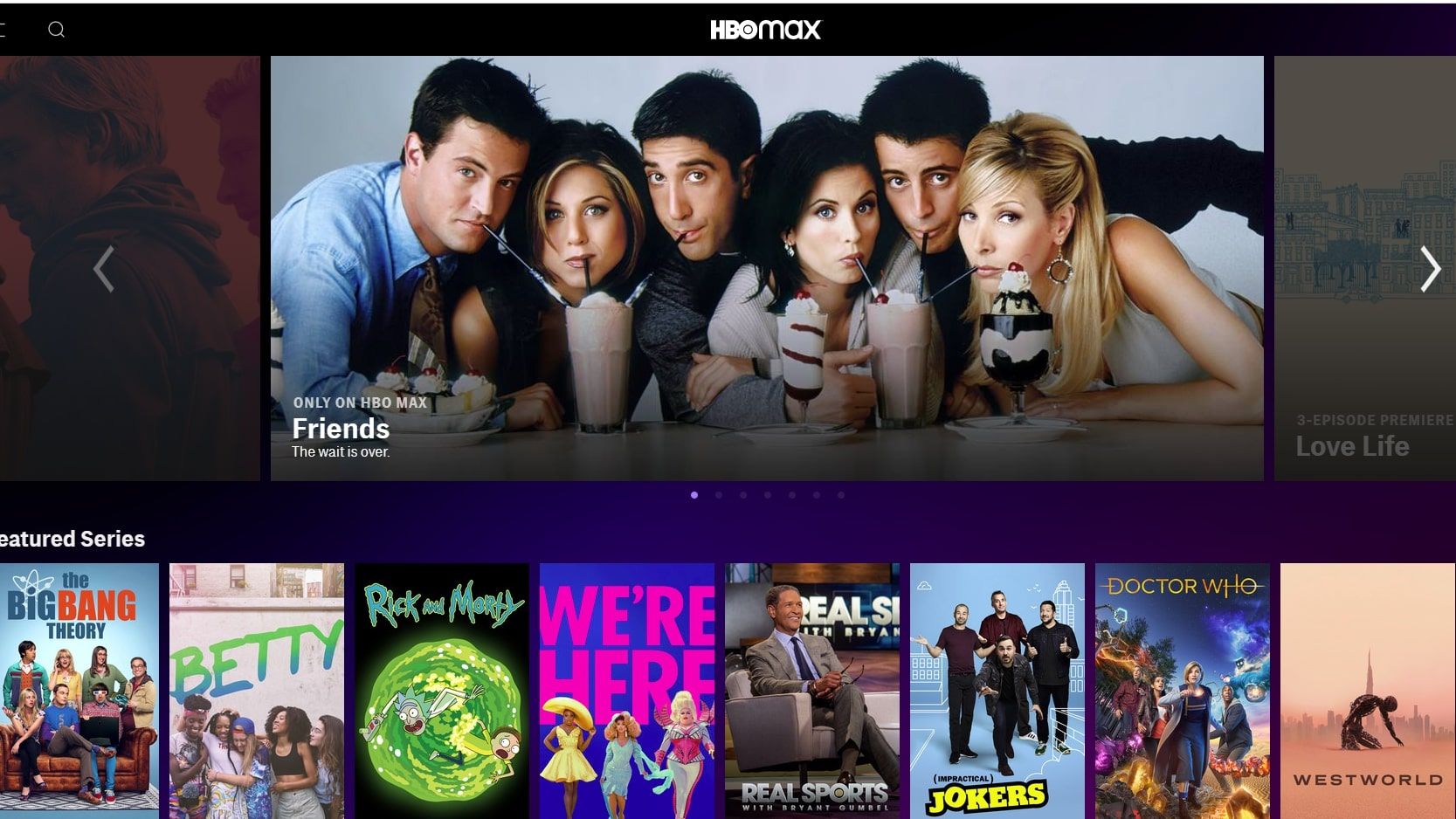
At its core, HBO Max is a sophisticated technological platform designed to deliver a seamless and high-quality viewing experience. Its infrastructure represents a significant investment in modern streaming technology, aiming to provide users with convenience, accessibility, and immersive quality.
A Robust Streaming Infrastructure
The ability to deliver high-definition (and increasingly, 4K UHD) content to millions of devices simultaneously requires a powerful and scalable infrastructure. HBO Max leverages cloud computing technologies, content delivery networks (CDNs), and advanced encoding techniques to ensure smooth playback, minimal buffering, and consistent quality across diverse internet speeds and device types. This involves:
- Adaptive Bitrate Streaming (ABS): This is the foundational technology that allows HBO Max to dynamically adjust the video quality based on the user’s internet connection. As your bandwidth fluctuates, the stream seamlessly transitions to a lower or higher bitrate to maintain playback without interruption. This is crucial for a positive user experience, especially in areas with variable internet reliability.
- Content Delivery Networks (CDNs): To minimize latency and ensure fast loading times, HBO Max utilizes a global network of servers. These servers cache content closer to the end-user, meaning the data travels a shorter distance, resulting in quicker start times and a more responsive viewing experience.
- Advanced Codecs and Compression: Efficiently delivering high-resolution video requires sophisticated compression algorithms. HBO Max employs modern codecs like H.265 (HEVC) and AV1, which offer superior compression efficiency compared to older codecs like H.264. This means higher quality video can be delivered using less bandwidth, a critical factor for both the platform and the consumer who may have data caps.
- Digital Rights Management (DRM): Protecting intellectual property is paramount. HBO Max implements robust DRM solutions to prevent unauthorized copying and distribution of its content. This technology ensures that only legitimate subscribers can access and view the premium content available on the platform, safeguarding the investments of content creators and distributors.
Cross-Platform Accessibility and Device Integration
A key technological achievement for any streaming service is its ability to be accessible across a wide array of devices. HBO Max has been meticulously designed to offer a consistent and user-friendly experience across smart TVs, streaming sticks, game consoles, smartphones, and web browsers.
- Ubiquitous App Development: HBO Max boasts dedicated applications for a vast range of platforms. This includes major operating systems like iOS, Android, tvOS (for Apple TV), Android TV, and operating systems for smart TVs from manufacturers like Samsung, LG, and Vizio. Furthermore, dedicated apps are available for popular streaming devices such as Roku, Amazon Fire TV, and Google Chromecast, alongside game consoles like PlayStation and Xbox.
- Web Player Functionality: For users who prefer to watch on their computers, the HBO Max web player offers a full-featured experience, mirroring the functionality and content library available on dedicated apps. This ensures that users can access their subscriptions from virtually any internet-connected computer.
- Interoperability and Smart Home Integration: As smart home ecosystems become more prevalent, HBO Max’s integration with platforms like Google Assistant and Amazon Alexa further enhances user convenience. Voice commands can be used to search for content, play shows, and control playback, creating a more integrated and hands-free viewing experience for the tech-forward household.
Future-Proofing: 4K, HDR, and Immersive Audio Technologies
The drive for higher fidelity and more immersive entertainment is a constant in the tech industry. HBO Max is actively investing in and deploying technologies that bring the cinematic experience into the home.
- 4K Ultra HD and HDR Support: While not every title is available in the highest resolutions, HBO Max is steadily increasing its library of content offered in 4K Ultra HD. This resolution provides four times the detail of Full HD, resulting in sharper, more lifelike images. Complementing 4K is High Dynamic Range (HDR) support, including HDR10 and Dolby Vision. HDR dramatically expands the range of color and contrast, delivering brighter whites, deeper blacks, and a richer, more nuanced palette of colors that closely mirrors what the human eye can perceive in real life.
- Dolby Atmos and Immersive Audio: Beyond visual fidelity, HBO Max is also embracing advanced audio technologies. For supported content and devices, Dolby Atmos provides a three-dimensional soundscape, allowing audio to move around the listener with astonishing clarity and depth. This creates a truly immersive audio experience, whether it’s the roar of a dragon overhead or the subtle rustle of leaves in a quiet forest scene. These audio advancements are crucial for unlocking the full potential of modern home theater setups.
The Strategic Evolution of HBO Max: A Tech-Driven Brand Narrative
HBO Max’s journey from a traditional premium cable offering to a leading global streaming platform is a testament to strategic adaptation, leveraging technology and evolving consumer behavior. Its brand is inextricably linked to its technological foundation and its forward-thinking approach to content distribution.
From Cable Legacy to Digital Dominance
The transition for HBO, a brand long synonymous with prestige television, into the streaming era under the HBO Max banner was a carefully orchestrated, tech-enabled maneuver. This involved not only the creation of a robust digital platform but also the strategic expansion of its content library to appeal to a broader audience.

- Leveraging the HBO Brand Equity: The HBO name carries immense weight, associated with unparalleled quality and groundbreaking storytelling. Warner Bros. Discovery wisely built upon this legacy, integrating it into the HBO Max brand. This allowed them to attract existing HBO subscribers while signaling a broader and more diverse content offering. The technological delivery of this curated content through a user-friendly platform was essential to this strategy.
- Content Diversification and Integration: Unlike its predecessors, HBO Max brought together a vast library of content from across WarnerMedia’s vast portfolio. This included not just HBO originals, but also films and series from Warner Bros., DC, the CW, Cartoon Network, and the Turner Classic Movies (TCM) library. The technological challenge was to present this disparate collection in a coherent and easily navigable interface. The development of personalized recommendation algorithms and genre-specific hubs played a key role here.
- Hybrid Release Strategies and Their Technological Implications: The COVID-19 pandemic forced a radical shift in content release strategies, and HBO Max was at the forefront with its 2021 decision to simultaneously release all Warner Bros. films in theaters and on the streaming service. This was a bold move that showcased the platform’s technological capability to handle massive concurrent demand and high-quality concurrent streams. While this specific strategy was temporary, it highlighted the flexibility and power of their digital infrastructure and played a significant role in shaping consumer expectations around streaming access.
The Platform as a Brand Statement
Beyond the content itself, the HBO Max platform’s design, functionality, and user experience are integral to its brand identity. The way users interact with the service reinforces its positioning in the market.
- User Interface (UI) and User Experience (UX) Design: A clean, intuitive, and visually appealing interface is crucial for retaining subscribers. HBO Max has invested heavily in its UI/UX design, aiming for ease of navigation, efficient search capabilities, and personalized content discovery. The integration of features like curated collections, watchlists, and personalized recommendations are all designed to enhance user engagement and reinforce the brand’s commitment to quality and curation.
- Personalization and Recommendation Engines: In a sea of content, effective personalization is a key differentiator. HBO Max employs sophisticated algorithms that analyze user viewing habits to suggest relevant titles, helping users discover new content and spend more time on the platform. This technological feature directly contributes to the brand’s promise of delivering content tailored to individual tastes.
- Community and Social Features (Emerging): While still evolving, the potential for social features within streaming platforms is immense. As HBO Max, and its successor platforms, continue to develop, integrating aspects of community, shared viewing experiences, or social discovery could further solidify its brand as a modern, connected entertainment hub. This speaks to a future where streaming is not just a solitary activity but can be a shared cultural experience.
The Warner Bros. Discovery Synergy: A Tech-Enabled Merger
The merger of WarnerMedia and Discovery to form Warner Bros. Discovery created a media giant with immense content power. The strategic integration of HBO Max (now Max) into this larger entity is a significant technological and brand undertaking.
- Consolidating Streaming Assets: The creation of Max, the unified streaming service that now includes content from Discovery+, is a prime example of a tech-driven strategic consolidation. The challenge and opportunity lie in merging two distinct technological platforms and content catalogs into a single, cohesive, and compelling user experience. This requires significant investment in backend infrastructure, data migration, and frontend interface development.
- Data Analytics and Content Strategy: The vast amounts of user data generated by platforms like HBO Max are invaluable. Warner Bros. Discovery can leverage this data, powered by advanced analytics tools, to inform content acquisition, production decisions, and marketing strategies. Understanding what resonates with viewers allows for more targeted content development, a strategy that is inherently tech-enabled.
- Global Expansion and Localization: As Warner Bros. Discovery looks to expand its global reach, the technological underpinnings of its streaming service are critical. This includes not only the robust infrastructure required for international delivery but also the capabilities for content localization, such as subtitling and dubbing, to cater to diverse linguistic and cultural markets. The platform’s architecture must be flexible enough to accommodate these varying needs.
The Financial Model of HBO Max: Monetizing Digital Content in a Competitive Arena
The financial underpinnings of HBO Max are a fascinating study in how a legacy media company adapts to the digital economy. Its subscription-based model, coupled with strategic advertising integration, reflects a calculated approach to monetization in a hyper-competitive streaming market.
Subscription Tiers and Value Proposition
HBO Max (and its evolution into Max) operates primarily on a subscription model, offering different tiers to cater to various consumer needs and price sensitivities. This is a direct application of tech-enabled service delivery.
- Ad-Supported vs. Ad-Free Tiers: A key strategic decision for many streaming services, including HBO Max, has been the introduction of tiered subscription plans. This allows for a lower entry price point for users who are willing to tolerate advertisements, broadening the service’s appeal. The ad-supported tier requires sophisticated ad-serving technology and robust content delivery to integrate these commercials seamlessly without detracting excessively from the viewing experience. The ad-free tier, conversely, emphasizes a premium, uninterrupted experience, justifying a higher price point.
- Bundling and Partnerships: To enhance value and attract new subscribers, HBO Max has engaged in various bundling partnerships. This can include collaborations with mobile carriers, internet service providers, or other entertainment services. These bundles leverage technological integration to offer subscribers a more comprehensive package of digital services, often at a discounted combined price. Such partnerships are a testament to the platform’s ability to integrate with other technological ecosystems.
- Content as a Driver of Subscription Growth: The core of HBO Max’s financial success lies in its ability to attract and retain subscribers through its premium content. The investment in original series, blockbuster movies, and exclusive franchises is directly tied to its subscription revenue. The perceived value of HBO’s prestigious programming, combined with the broader appeal of Warner Bros. franchises, forms the bedrock of its financial proposition. The technological platform is the vehicle through which this value is delivered.
The Evolving Advertising Landscape and Technology
For services offering ad-supported tiers, the integration of advertising technology is a crucial component of their financial strategy. This is an area where technological innovation directly impacts revenue.
- Programmatic Advertising and Data Integration: The future of streaming advertising lies in its ability to be as targeted and measurable as digital advertising on the web. HBO Max, through its advertising solutions, can leverage programmatic advertising technologies to deliver highly personalized ad experiences to viewers. This involves sophisticated data analytics to understand viewer demographics, interests, and behaviors, allowing advertisers to reach specific audience segments with greater precision.
- Measurement and Analytics for Advertisers: To attract advertisers, streaming services must offer robust measurement and analytics tools. This allows advertisers to track campaign performance, understand reach and frequency, and measure return on investment. The technological infrastructure must support detailed reporting and provide transparency into ad delivery, a critical factor for securing advertising budgets.
- New Ad Formats and Innovations: The streaming environment presents opportunities for new and more engaging ad formats than traditional linear television. This could include interactive ads, shoppable ads, or branded content integrations. The technological capabilities of the platform play a key role in enabling these innovative advertising solutions, further diversifying revenue streams.
The Long Game: Direct-to-Consumer (DTC) and Future Revenue Streams
The move to a direct-to-consumer model is a fundamental shift in the media industry, and HBO Max is a key player in this evolution. This strategy has profound financial implications beyond immediate subscription fees.
- Building a Direct Relationship with Consumers: By operating its own streaming service, Warner Bros. Discovery can build a direct relationship with its audience. This bypasses traditional intermediaries and provides valuable first-party data on consumer preferences and behaviors. This data is instrumental in refining content strategies, improving the platform, and developing future revenue opportunities.
- Diversifying Revenue Beyond Subscriptions: While subscriptions are the primary revenue driver, the direct-to-consumer model opens doors to other monetization avenues. This could include premium add-ons, transactional video-on-demand (TVOD) options for specific content, merchandise sales linked to popular franchises, or even live events and experiences. The technological platform serves as the central hub for managing and delivering these diverse offerings.
- Navigating the Competitive Streaming Wars: The streaming landscape is intensely competitive, with numerous players vying for consumer attention and subscription dollars. HBO Max’s financial success depends on its ability to differentiate itself through exclusive content, superior technology, and a compelling user experience. The ongoing investment in both content and platform development is crucial for maintaining its market position and ensuring long-term financial viability in this dynamic environment.