
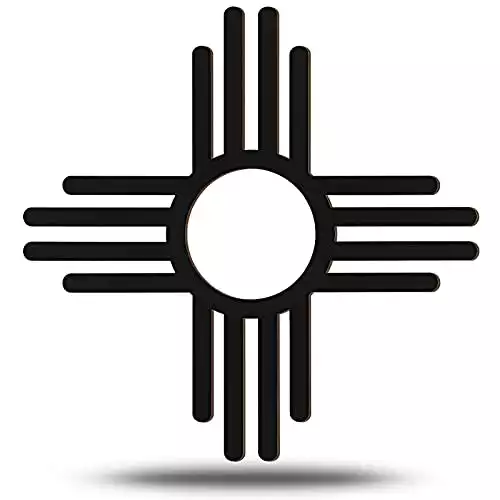
The Zia symbol, a vibrant circle adorned with four groups of four lines radiating outwards, is more than just a visually striking design. It’s a powerful emblem that evokes a rich tapestry of meaning, deeply interwoven with the history, culture, and identity of New Mexico. While its origins lie in ancient Pueblo cosmology, its widespread adoption and recognition have transformed it into a potent brand, particularly for the “Land of Enchantment.” This article will explore the multifaceted meaning of the Zia symbol, delving into its historical roots, its spiritual significance, and, crucially, its evolution into a distinct and recognizable brand identity, examining how this symbol has been leveraged and protected as a key element of corporate and regional branding.

The Ancient Roots and Cosmic Significance of the Zia Symbol
The Zia symbol’s profound meaning stems from the traditions of the Zia Pueblo people, one of the 19 pueblos in New Mexico. For centuries, this symbol has been integral to their spiritual beliefs and understanding of the universe. Its visual structure is not arbitrary; each element carries a specific, interconnected significance that reflects a holistic worldview.
The Circle: Wholeness and the Eternal Cycle
At the core of the Zia symbol is the circle. This fundamental shape represents several interconnected concepts:
- Wholeness and Unity: The circle, with no beginning or end, symbolizes completeness, unity, and the interconnectedness of all things. In the context of Zia beliefs, it speaks to the harmonious relationship between humanity, nature, and the divine.
- The Sun: The circle is also a direct representation of the sun, the giver of life and energy. The sun is a central deity in many indigenous cultures, and for the Zia people, it represents life-giving power, warmth, and sustenance.
- The Eternal Cycle: The circular form signifies the continuous cycle of life, death, and rebirth. It represents the passage of time, the seasons, and the perpetual renewal of nature.
The Four Cardinal Directions: Life’s Journey and Balance
Radiating from the circle are four groups of four lines, each pointing towards a cardinal direction: North, South, East, and West. These lines, along with the sun they emanate from, represent the fundamental forces and elements that shape existence.
- The Four Elements: Each group of four lines can be interpreted as representing the four elements essential for life: earth, air, fire, and water. These elements are seen as fundamental building blocks that sustain all living beings.
- The Four Seasons: The four directions also align with the four seasons – spring, summer, autumn, and winter. This reinforces the symbol’s connection to the natural cycles and the rhythm of life.
- The Four Stages of Life: In some interpretations, the four lines also represent the four stages of human life: childhood, youth, adulthood, and old age. This highlights the journey of an individual within the larger cosmic order.
- The Four Sacred Teachings: Furthermore, the number four can represent four sacred teachings or virtues, such as love, wisdom, strength, and peace, which guide the Zia people in their daily lives and spiritual practices.
The intersection of the circle with the four directional groups creates a powerful mandala-like image, conveying a sense of balance, harmony, and the intricate web of life. The symbol embodies a profound respect for the natural world and a deep understanding of the cyclical and interconnected nature of existence. This rich historical and spiritual background is crucial to understanding why the symbol holds such weight and is so fiercely protected.
The Zia Symbol as a Brand: From Cultural Emblem to Regional Identity
While the Zia symbol’s ancient roots are undeniable, its modern significance is equally rooted in its adoption as a powerful and distinctive brand for the state of New Mexico. This transformation from a sacred cultural emblem to a widely recognized regional identity is a fascinating case study in branding and intellectual property.
The Adoption by New Mexico: A Conscious Branding Effort
In 1912, New Mexico achieved statehood, and in the years that followed, there was a growing need to establish a distinct visual identity for the new state. In 1925, a committee was formed to design a state flag. The winning design, submitted by Paul Jones, a Kansan, prominently featured the Zia symbol. This was a deliberate choice to represent the rich Native American heritage and the cultural fusion that defines New Mexico. The symbol, with its deep historical resonance, was seen as an ideal representation of the state’s unique character.

The decision to incorporate the Zia symbol was more than just an aesthetic choice; it was a strategic branding move. It allowed New Mexico to:
- Establish a Unique Identity: In a sea of state flags, the Zia symbol immediately set New Mexico apart. Its distinctive design and inherent cultural significance made it instantly recognizable.
- Embrace and Celebrate Heritage: By adopting the symbol, the state consciously chose to honor and showcase its Native American heritage, a cornerstone of its cultural landscape. This fostered a sense of pride and connection among its residents and presented a unique narrative to the outside world.
- Create a Cohesive Brand: The symbol became the central element of New Mexico’s brand. It appeared on official state seals, publications, tourism materials, and eventually, on license plates and countless other items, solidifying its association with the state.
The Legal Protections and Brand Integrity
The power of the Zia symbol as a brand also necessitated its protection. Recognizing the proprietary nature of the symbol and its deep connection to the Zia Pueblo, the state of New Mexico enacted laws to govern its use. This is where the symbol’s brand story intersects with legal and ethical considerations, demonstrating a commitment to preserving its integrity.
- Copyright and Trademark: The use of the Zia symbol by the state of New Mexico is subject to copyright and trademark protections. This means that unauthorized commercial use of the symbol can lead to legal action. The state recognizes that the symbol is intrinsically linked to the Zia Pueblo and respects their cultural patrimony.
- The Zia Pueblo’s Rights: Crucially, the Zia Pueblo themselves hold significant rights over their ancestral symbol. While the state of New Mexico has a license to use the symbol for official purposes, the Zia Pueblo retains inherent rights and actively works to ensure its respectful and appropriate use. This highlights a nuanced approach to branding, where respect for origin and cultural ownership is paramount.
- Regulating Commercial Use: New Mexico law outlines specific regulations for the use of the Zia symbol. For instance, it is illegal to use the Zia symbol in a way that suggests official endorsement or approval without proper authorization. This is a common practice in branding to prevent dilution of a symbol’s authenticity and association with its rightful owner or entity.
- Licensing and Permissions: Businesses or organizations wishing to use the Zia symbol for commercial purposes, particularly in a way that might be confused with state affiliation, often require explicit permission or licensing agreements. This process ensures that the symbol is used in a manner that aligns with its intended meaning and protects its brand equity.
The careful management and protection of the Zia symbol underscore its value not just as a cultural artifact but as a highly successful and protected brand element. It demonstrates how a powerful, culturally rich symbol can be effectively integrated into a regional identity while respecting its origins and ensuring its continued relevance.
The Zia Symbol’s Enduring Influence: Marketing, Tourism, and Cultural Pride
The Zia symbol’s journey from an ancient spiritual emblem to the official brand of New Mexico has had a profound and lasting impact on how the state is perceived and marketed. Its iconic status continues to shape its image, influence tourism, and foster a deep sense of cultural pride among its residents.
The Symbol as a Marketing Powerhouse
For decades, the Zia symbol has been the lynchpin of New Mexico’s marketing and promotional efforts. Its inherent visual appeal and deep-seated meaning make it an incredibly effective tool for capturing attention and conveying a unique story.
- Tourism and Promotion: The symbol is ubiquitous in New Mexico’s tourism campaigns. It graces brochures, websites, billboards, and merchandise, immediately identifying New Mexico as the “Land of Enchantment.” This consistent branding helps potential visitors connect with the state’s unique offerings, from its stunning landscapes and rich history to its vibrant arts and culture. The symbol acts as a promise of an authentic and captivating experience.
- Conveying Cultural Authenticity: The Zia symbol instantly communicates a sense of history, tradition, and cultural richness. It signals that New Mexico is a place with deep roots, where ancient traditions are honored alongside modern life. This authenticity is a powerful draw for travelers seeking more than just a typical vacation.
- Building Brand Recognition: Through decades of consistent use, the Zia symbol has achieved remarkable brand recognition. Even those unfamiliar with its specific origins can often associate it with New Mexico, making it a powerful shorthand for the state’s identity. This strong recognition is a testament to effective branding and the symbol’s inherent visual strength.
Fostering Cultural Pride and Regional Identity
Beyond its marketing prowess, the Zia symbol plays a crucial role in fostering a sense of unity, pride, and shared identity among the people of New Mexico. It serves as a constant reminder of the state’s unique heritage and the diverse cultural influences that have shaped it.
- A Symbol of Belonging: For New Mexicans, the Zia symbol is more than just a state emblem; it’s a symbol of belonging. Seeing it on license plates, state buildings, or even local businesses creates a sense of shared identity and collective pride in their home state.
- Bridging Cultural Divides: The symbol represents a point of connection between the state’s Native American heritage, its Hispanic history, and its more recent influences. It serves as a visual reminder that these diverse threads are woven together to form the rich tapestry of New Mexico’s identity.
- Preserving Cultural Heritage: The continued prominence of the Zia symbol reinforces the importance of preserving and celebrating the cultural heritage of the region. It acts as a constant dialogue between the past and the present, ensuring that the legacy of the Zia Pueblo and other indigenous peoples remains visible and respected.
In conclusion, the Zia symbol’s meaning transcends its ancient origins. It has been masterfully transformed into a potent brand that embodies the essence of New Mexico. Its strength lies in its deep cultural roots, its profound spiritual significance, and its strategic adoption as a symbol of regional identity. The careful protection and consistent use of this powerful emblem have solidified its place as one of the most recognizable and cherished brands in the United States, a testament to the enduring power of meaningful design and thoughtful branding.
aViewFromTheCave is a participant in the Amazon Services LLC Associates Program, an affiliate advertising program designed to provide a means for sites to earn advertising fees by advertising and linking to Amazon.com. Amazon, the Amazon logo, AmazonSupply, and the AmazonSupply logo are trademarks of Amazon.com, Inc. or its affiliates. As an Amazon Associate we earn affiliate commissions from qualifying purchases.