
When managing the operational costs of a food-service business or optimizing a kitchen’s supply chain, the selection of frying oil is far more than a culinary decision; it is a critical fiscal strategy. In the context of business finance and overhead management, the oil you choose directly impacts your cost of goods sold (COGS), equipment longevity, and recurring maintenance expenses. Balancing high-performance requirements with a lean budget is essential for maximizing net margins in the hospitality and food retail sectors.
The Financial Implications of Smoke Points and Stability
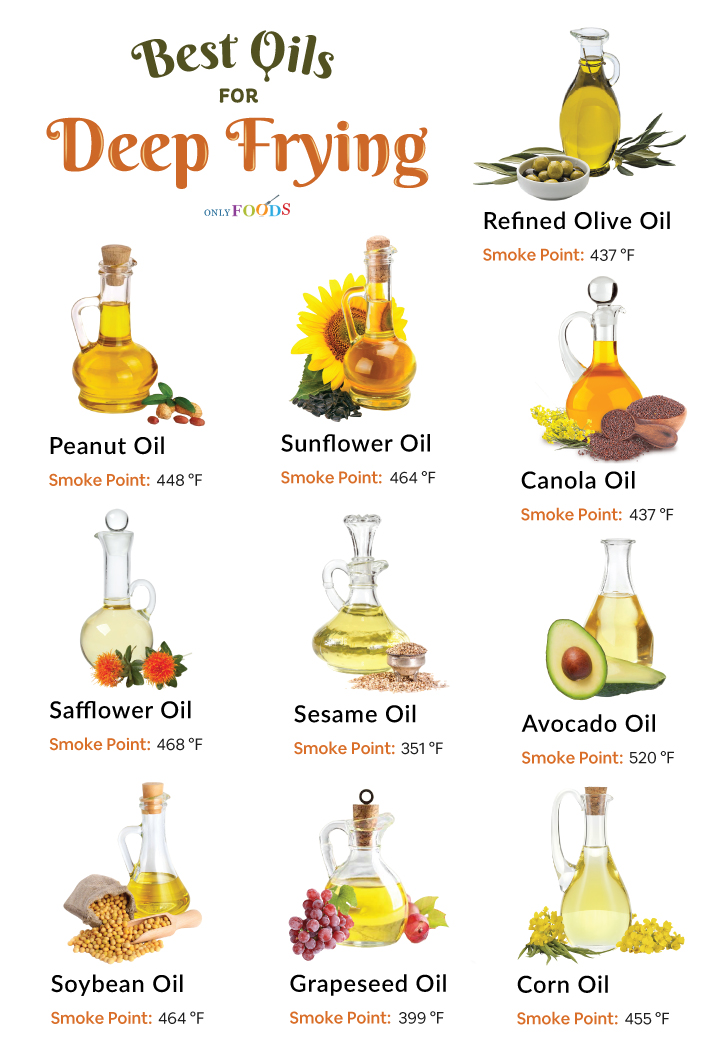
From a business finance perspective, the “best” oil is the one that provides the longest usable life before degradation. Oils with low smoke points are a liability to the bottom line because they break down rapidly, requiring frequent filtration and complete oil changes. This creates a cycle of waste that inflates monthly supply costs.

Evaluating Oxidative Stability
Oils with high oxidative stability—such as high-oleic sunflower oil or refined avocado oil—are engineered to withstand sustained high heat. While the initial procurement cost per gallon may be higher than commodity oils like standard canola or soybean, the total cost of ownership is often lower. When an oil resists polymerization and carbon buildup, you reduce the frequency of labor-intensive deep-cleaning sessions and extend the lifespan of your commercial fryers. Investing in premium oils acts as a hedge against the hidden costs of downtime and premature equipment failure.
Understanding the Cost-to-Utility Ratio
For many business owners, the goal is to identify an oil that offers the highest cycle count. If a mid-range oil requires changing every 24 hours but a premium, stable oil lasts 48 hours, the premium oil is effectively 50% cheaper over the long run, even if the unit price is higher. When analyzing your monthly ledger, prioritize the “cost per fry” rather than the “cost per liter.” Tracking the number of frying cycles between oil changes is a key metric that should be integrated into your inventory management system to ensure accurate forecasting of raw material expenses.
Strategic Procurement and Supply Chain Management
The procurement of frying oil represents a significant portion of an establishment’s variable costs. Managing these expenses requires a sophisticated approach to volume purchasing and vendor relationships.
Bulk Purchasing vs. Just-in-Time Delivery
For businesses operating multiple locations or high-volume kitchens, leveraging economies of scale is vital. Securing long-term contracts with oil distributors can protect your business against the volatility of commodity markets. Crude oil prices, global crop yields, and logistics costs all influence the price of frying oils. By utilizing hedging strategies or forward-buying through wholesale partnerships, businesses can lock in predictable costs for their cooking fats, insulating the business from sudden inflationary spikes.
The True Cost of Waste Management
Budgeting for oil usage must include the downstream costs of disposal. Many jurisdictions require specialized grease traps and professional disposal services to handle waste oil. Environmentally compliant disposal represents a recurring line item. Efficient oil management—utilizing oil testing kits to determine exactly when the fat has reached its functional end-of-life rather than changing it on a rigid, arbitrary schedule—minimizes both your consumption and your waste disposal fees. Effectively, optimizing your oil usage creates a dual-benefit: reduced purchasing frequency and lower waste processing costs.
ROI on Filtration and Maintenance Infrastructure
A common error in restaurant finance is failing to account for the impact of filtration infrastructure on the life of the frying oil. The equipment used to manage your oil is just as important as the oil itself.
The Role of Micro-Filtration Systems
Integrating advanced micro-filtration systems into your kitchen workflow is a high-yield investment. These systems remove fine particulates and crumbs that accelerate the degradation of oil through carbonization. By keeping the oil cleaner for longer, you are essentially protecting your capital investment in the oil itself. Financial modeling shows that the payback period for high-end filtration equipment is often less than twelve months, driven by the significant reduction in oil consumption—often by as much as 30% to 50%.
Preventive Maintenance as Financial Protection
The chemical reaction between old oil and fryer components causes buildup that forces heating elements to work harder. This leads to increased electricity or gas consumption and accelerates the wear and tear on sensitive electronic components. By maintaining your oil quality, you are inherently performing preventive maintenance on the equipment itself. The intersection of “oil management” and “equipment ROI” is where savvy business operators find hidden profitability. When your frying system operates at peak efficiency, your utility bills stabilize, and the replacement cycle for your heavy kitchen machinery lengthens.
The Economics of Specialty Fats vs. Commodity Blends
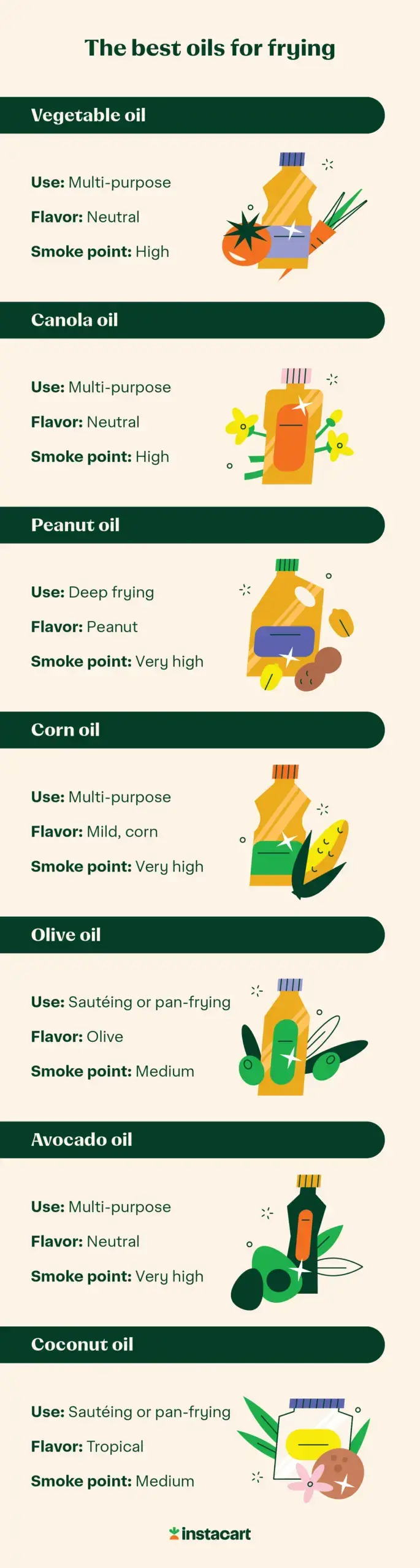
When selecting the appropriate fat, business owners often weigh the benefits of specialty fats (such as beef tallow or high-oleic vegetable blends) against budget-friendly commodity vegetable oils.
Market Positioning and Product Pricing
The choice of oil can be a part of your brand identity, which in turn influences your pricing strategy. If your brand promises a premium culinary experience, the use of high-quality fats is a marketing expense as much as an operational one. It justifies a higher menu price, which can lead to higher gross margins. Conversely, in a high-turnover fast-food environment, commodity blends are often the standard. The key is ensuring that the choice of oil aligns with the expected price point of the customer. Mismatched procurement—using an excessively expensive oil in a low-margin, high-volume environment—can erode the bottom line as surely as poor management.
Data-Driven Decision Making
To truly optimize your financial outcomes, kitchen managers should implement a tracking system for oil quality. Utilizing electronic testers to monitor Total Polar Materials (TPM) provides an objective data point for when oil must be discarded. Moving away from subjective “smell and sight” testing to objective data management prevents premature disposal of oil that still has useful life, and it prevents the potential health risks associated with over-used oil. In the world of business finance, data is the ultimate tool for cost reduction. By applying the same rigor to your pantry inventory as you would to your digital assets or tax planning, you transform a mundane kitchen supply into a controlled, optimized asset that supports the health of your balance sheet.
The selection and management of frying oil are central pillars of efficient kitchen operations. By viewing oil not as a consumable commodity but as a financial asset, businesses can realize substantial savings, extend equipment longevity, and refine their brand positioning. Through diligent procurement, investment in proper filtration, and a commitment to data-driven oil testing, the modern operator turns the fryer into a profit center rather than a cost burden.
aViewFromTheCave is a participant in the Amazon Services LLC Associates Program, an affiliate advertising program designed to provide a means for sites to earn advertising fees by advertising and linking to Amazon.com. Amazon, the Amazon logo, AmazonSupply, and the AmazonSupply logo are trademarks of Amazon.com, Inc. or its affiliates. As an Amazon Associate we earn affiliate commissions from qualifying purchases.