
Securing the appropriate small business licenses and permits is a foundational step for any entrepreneur aiming for long-term financial stability and legal operation. Far from being a mere bureaucratic hurdle, this process is an essential investment in your business’s future, safeguarding against costly penalties, fostering credibility, and ensuring compliance with the regulatory frameworks designed to protect consumers and maintain fair competition. Understanding and navigating this landscape effectively can directly impact your venture’s profitability and ability to grow.
The Imperative of Licensing for Financial Stability
Operating a small business without the necessary licenses is akin to building a house without a solid foundation – it might stand for a while, but it’s inherently unstable and prone to collapse under pressure. From a financial perspective, compliance is not optional; it’s a critical component of risk management and long-term viability.

Why Legal Operation is Crucial for Financial Stability
Firstly, legal operation protects your personal finances. Many small businesses start as sole proprietorships or partnerships, where personal assets are not distinct from business assets in the eyes of the law. Operating without proper licensing can expose you to personal liability for business debts or legal actions, potentially devastating your personal wealth. Establishing your business legally, often involving registering your business entity and obtaining licenses, helps create a clearer distinction and, in the case of LLCs or corporations, provides a shield of limited liability.
Secondly, legitimate operation builds invaluable credibility. Banks and other financial institutions scrutinize a business’s legal standing before extending credit or loans. Investors, too, will demand proof of full compliance. Without proper licensing, securing essential capital for expansion, inventory, or operational costs becomes significantly more challenging, if not impossible. A fully licensed business presents itself as professional, trustworthy, and less risky, directly enhancing its financial attractiveness.
Furthermore, being licensed allows your business to engage in broader commercial activities. Many contracts, particularly with larger corporations or government entities, require proof of licensing and insurance. Being unequipped with these fundamental credentials can limit your market access, stifle growth opportunities, and prevent your business from securing lucrative contracts that could otherwise drive substantial revenue.
Understanding the Costs of Non-Compliance
The financial repercussions of failing to obtain required licenses can be severe and far-reaching. Non-compliance often results in substantial fines, which can range from hundreds to thousands of dollars, often levied daily for ongoing violations. These penalties can quickly erode profits, drain working capital, and even force a small business into bankruptcy. For instance, operating a licensed salon without the proper health permits could result in immediate closure and hefty fines, alongside reputational damage that takes years to repair.
Beyond monetary penalties, businesses operating illegally face the risk of forced closure. Regulatory bodies have the authority to issue cease-and-desist orders, effectively shutting down your operations. This immediate halt to revenue generation, coupled with ongoing fixed costs like rent and utilities, can be financially catastrophic. The costs associated with legal battles to reopen or appeal such decisions only add to the financial burden.
Moreover, unresolved compliance issues can lead to criminal charges in certain circumstances, particularly for serious infractions or repeat offenses. This not only carries potential jail time but also permanent damage to your professional and personal reputation, making future business endeavors or financial dealings exceedingly difficult. From a financial standpoint, the investment in obtaining licenses is a negligible expense compared to the potential costs of non-compliance.
Navigating the Labyrinth of License Types
The landscape of business licenses and permits is complex, varying significantly based on industry, business activities, and geographic location. A thorough understanding of the different layers – federal, state, and local – is crucial for comprehensive compliance.
Federal Licenses and Permits: When They Apply
Most small businesses will not require federal licenses, but certain industries are subject to federal regulation due to their specific nature or potential impact on national interests. For example:
- Alcohol, Tobacco, and Firearms (ATF): Businesses involved in manufacturing, importing, or selling alcohol, tobacco products, or firearms must obtain permits from the ATF.
- Agriculture: Businesses dealing with certain plants, livestock, or agricultural products may need licenses from the U.S. Department of Agriculture (USDA).
- Broadcasting and Transportation: Operating radio or TV stations requires a license from the Federal Communications Commission (FCC), while certain transportation services may need permits from the Department of Transportation (DOT).
- Fisheries and Wildlife: Businesses involved in importing/exporting wildlife or fishing commercially may require permits from the U.S. Fish and Wildlife Service.
These federal requirements often involve detailed application processes and can incur significant fees, making early identification and budgeting essential for businesses in these sectors.
State-Specific Requirements: A Foundation for Operation
State licenses are generally broader and more common than federal ones. Most states require a general business license or registration, particularly if you are forming a legal entity like an LLC or corporation. Beyond this, states regulate specific professions and activities:
- Sales Tax Permit: If you sell taxable goods or services, nearly every state requires you to obtain a sales tax permit to collect and remit sales tax. This is a critical financial obligation.
- Professional Licenses: Many professions, such as doctors, lawyers, accountants, real estate agents, contractors, barbers, and beauticians, require specific state-issued licenses to operate legally. These often involve educational qualifications, examinations, and continuing education requirements.
- Environmental Permits: Businesses involved in activities that could impact the environment (e.g., waste disposal, certain manufacturing processes) may need state environmental permits.
The costs associated with state licenses can vary widely, from nominal registration fees to substantial annual renewals for professional licenses.
Local Business Licenses and Zoning Permits: The Hyper-Local View
Often overlooked but critically important are local licenses issued by cities, counties, and municipalities. These are typically the most common licenses small businesses need.
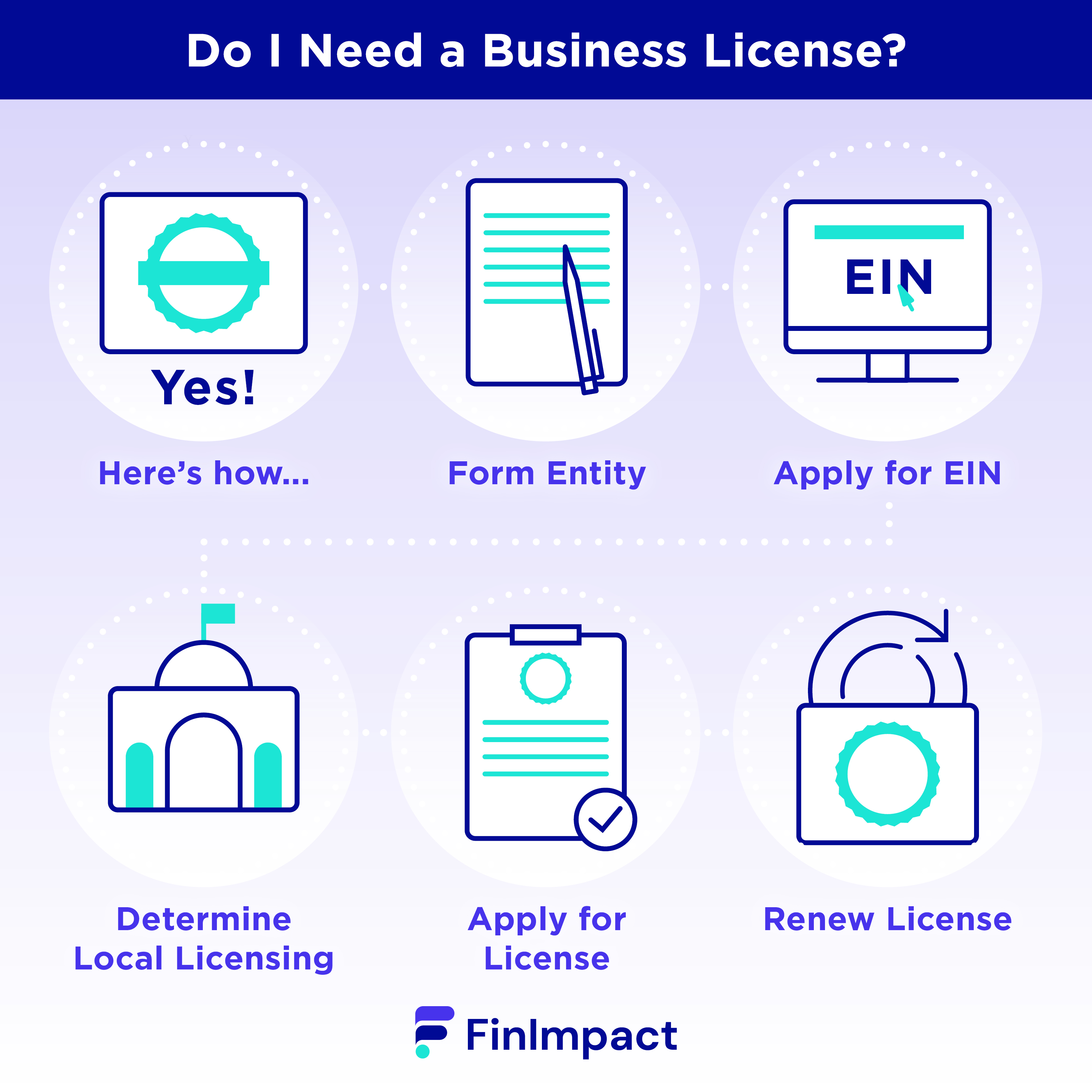
- General Business License (or Business Tax Receipt): Most cities and counties require nearly all businesses to obtain a general business license to operate within their jurisdiction. This is typically an annual fee based on business type, revenue, or number of employees.
- Zoning and Land Use Permits: If you plan to operate your business from a commercial property or even a home office, you will need to ensure your location complies with local zoning laws. A zoning permit confirms that your business type is allowed in that specific area. Violating zoning laws can lead to immediate shutdown and fines.
- Health Permits: Any business that prepares or sells food (restaurants, food trucks, catering services) or provides services that involve public health (salons, spas, tattoo parlors) will require health permits, often involving regular inspections.
- Fire Permits: Businesses that host a large number of people or use flammable materials may need fire department permits.
These local permits ensure public safety and orderly development, and their fees contribute to local government services.
Professional and Industry-Specific Certifications
Beyond the mandatory licenses, certain industries may benefit from or even require specific certifications. While not always a “license” in the legal sense, these can be crucial for credibility and market access. Examples include organic certifications for food businesses, specific safety certifications for construction, or ISO certifications for manufacturing. While often voluntary, these can open doors to new markets and clients, directly impacting revenue potential.
A Step-by-Step Guide to Securing Your Licenses
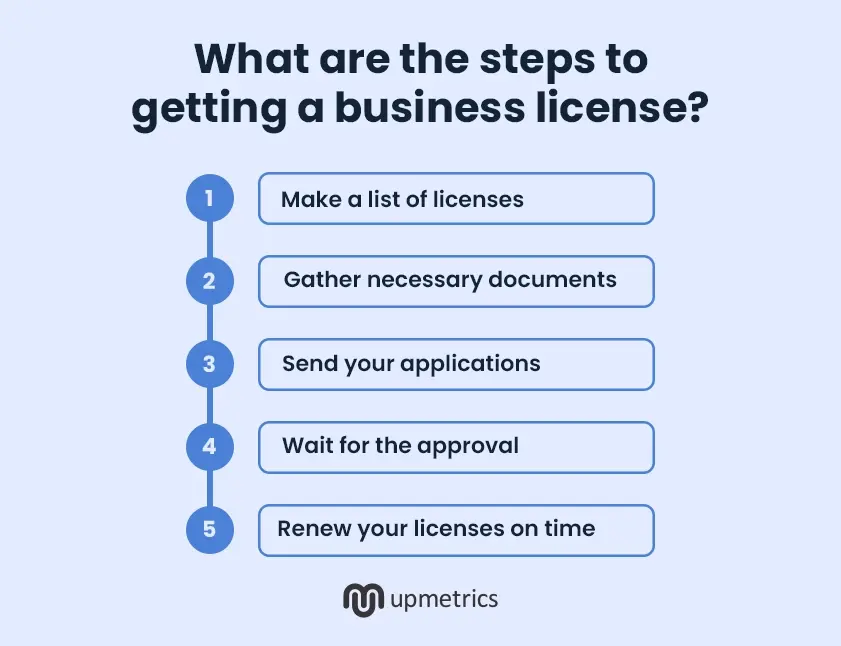
The process of obtaining your small business licenses can seem daunting, but breaking it down into manageable steps makes it more approachable and ensures you cover all bases.
Step 1: Research and Identify Your Requirements
This is arguably the most critical step. Start by defining your business activities and where you intend to operate.
- Utilize Government Resources: The U.S. Small Business Administration (SBA) website is an excellent starting point, offering guides and links to state-specific resources. State government websites (e.g., Secretary of State, Department of Revenue, professional licensing boards) provide detailed information on state requirements. For local needs, contact your city clerk’s office, county administration, or local Chamber of Commerce.
- Consult Industry Associations: Trade organizations often have comprehensive lists of required licenses and permits specific to their industry.
- Consider Professional Advice: For complex businesses, especially those in highly regulated sectors or operating across multiple jurisdictions, consulting with a business attorney or a specialized licensing consultant can save significant time and prevent costly errors. While an upfront cost, this investment can yield substantial financial protection.
Compile a comprehensive list of all identified federal, state, and local licenses and permits, noting their issuing authority, application process, fees, and renewal schedules.
Step 2: Prepare Essential Documentation
Once you know what licenses you need, gather the necessary paperwork. Common documents often include:
- Employer Identification Number (EIN): A federal tax ID number for your business, obtained from the IRS, necessary for opening bank accounts, hiring employees, and filing taxes.
- Business Entity Registration: Proof of your business’s legal structure (e.g., Articles of Incorporation for a corporation, Articles of Organization for an LLC) filed with your state’s Secretary of State office.
- Personal Identification: Driver’s license or other government-issued ID for owners/principals.
- Financial Statements: For certain licenses, particularly those requiring proof of financial solvency or bonding.
- Proof of Insurance: Liability insurance, workers’ compensation insurance, etc., may be prerequisites for specific permits.
- Professional Certifications/Degrees: For licensed professionals.
- Lease Agreement or Property Deed: To demonstrate legal right to occupy the business location, especially for zoning permits.
Organize these documents meticulously. Incomplete applications are a primary cause of delays, costing you time and potentially delaying your business launch, which directly impacts your revenue timeline.
Step 3: Complete Applications and Pay Fees
With your documentation ready, proceed with completing each application form accurately and thoroughly.
- Online Portals: Many government agencies offer online application systems, which are generally faster and more convenient.
- In-Person or Mail: Some local permits or less common state licenses might still require in-person submission or mail-in applications.
- Budget for Fees: Each license or permit typically carries an application fee. These fees vary widely – from a few dollars to several hundred or even thousands, especially for professional or industry-specific licenses. Factor these costs into your initial business budget. Some fees are one-time, while others are annual or biennial. Understand the payment methods accepted by each agency.
Double-check all information before submission to avoid rejections and additional delays.
Step 4: Await Approval and Obtain Your Licenses
After submitting your applications and paying the fees, the waiting period begins. Processing times can vary greatly, from a few days for simple local licenses to several weeks or even months for complex federal or state permits.
- Follow-Up: If you haven’t heard back within the stated processing time, follow up with the issuing agency.
- Secure Storage: Once approved, you will receive your official licenses and permits. Store these documents securely, preferably digitally and in a physical binder. Many licenses must be prominently displayed at your business location.
Having your licenses in hand is a significant milestone, signifying your legal right to operate and validating your business as a legitimate entity ready to generate income.
Financial Considerations and Ongoing Compliance
Obtaining licenses is not a one-time event; it’s an ongoing commitment that requires careful financial planning and diligent management to ensure continuous legal and compliant operation.
Budgeting for Initial Licensing Fees and Renewals
A common mistake new entrepreneurs make is underestimating the total cost of licensing. It’s crucial to create a dedicated line item in your startup budget for these expenses. This includes:
- Application Fees: The initial cost for each license and permit.
- Processing Fees: Additional charges for expedited processing or specific administrative tasks.
- Professional Services: Fees for attorneys or consultants if you sought their help.
- Renewal Fees: Crucially, understand that most licenses are not permanent. They have annual or biennial renewal fees. Set up a system to track these dates and corresponding costs, perhaps by creating a spreadsheet or using accounting software with reminder features. Consider establishing a separate savings account or escrow fund specifically for recurring license renewals to avoid last-minute financial strain.
Accurate budgeting for these fixed and recurring costs ensures that your business can maintain its legal status without unexpected financial hits.
The Importance of Timely Renewals and Updates
Missing a renewal deadline can have serious financial repercussions. Late fees are common and can quickly exceed the original renewal cost. More severely, an expired license can render your business operations illegal, subjecting you to the same fines and penalties as operating without a license from the outset. In some cases, you may even need to go through the entire application process again, incurring new initial fees and delays.
Stay vigilant about any changes to your business that might affect your licensing requirements. Examples include:
- Change of Business Address: Often requires an update or a new permit.
- Expansion of Services: New activities might fall under different regulatory bodies.
- Changes in Ownership Structure: Can necessitate re-registration or transfer of licenses.
- Hiring Employees: Triggers requirements for workers’ compensation insurance and state labor registrations.
Proactive management of your licenses is a cornerstone of sound financial management, preventing costly interruptions and penalties.
Consulting Financial and Legal Professionals
While this guide provides a comprehensive overview, the nuances of business licensing can be intricate. For complex situations, significant financial investment, or simply peace of mind, engaging with financial and legal professionals is a wise investment.
- Business Attorneys: Can provide precise legal guidance, identify obscure requirements, and help navigate complex application processes, especially for highly regulated industries. Their expertise can prevent costly legal errors down the line.
- Accountants/CPAs: Can advise on the financial implications of different business structures, help budget for licensing costs, and ensure compliance with tax-related permits like sales tax permits or employer identification numbers.
- Business Consultants: Can offer a holistic view, helping integrate licensing needs into your overall business plan and financial projections.
The initial expense of professional consultation pales in comparison to the potential fines, legal fees, and operational disruptions that can arise from non-compliance. It’s a strategic financial decision to protect your investment and foster sustainable growth.
In conclusion, obtaining small business licenses is an indispensable part of establishing a legitimate, financially sound, and compliant operation. By understanding the types of licenses required, meticulously following the application process, and diligently managing ongoing compliance, entrepreneurs can lay a strong foundation for success, avoid financial pitfalls, and build a reputable business poised for long-term prosperity.
aViewFromTheCave is a participant in the Amazon Services LLC Associates Program, an affiliate advertising program designed to provide a means for sites to earn advertising fees by advertising and linking to Amazon.com. Amazon, the Amazon logo, AmazonSupply, and the AmazonSupply logo are trademarks of Amazon.com, Inc. or its affiliates. As an Amazon Associate we earn affiliate commissions from qualifying purchases.