
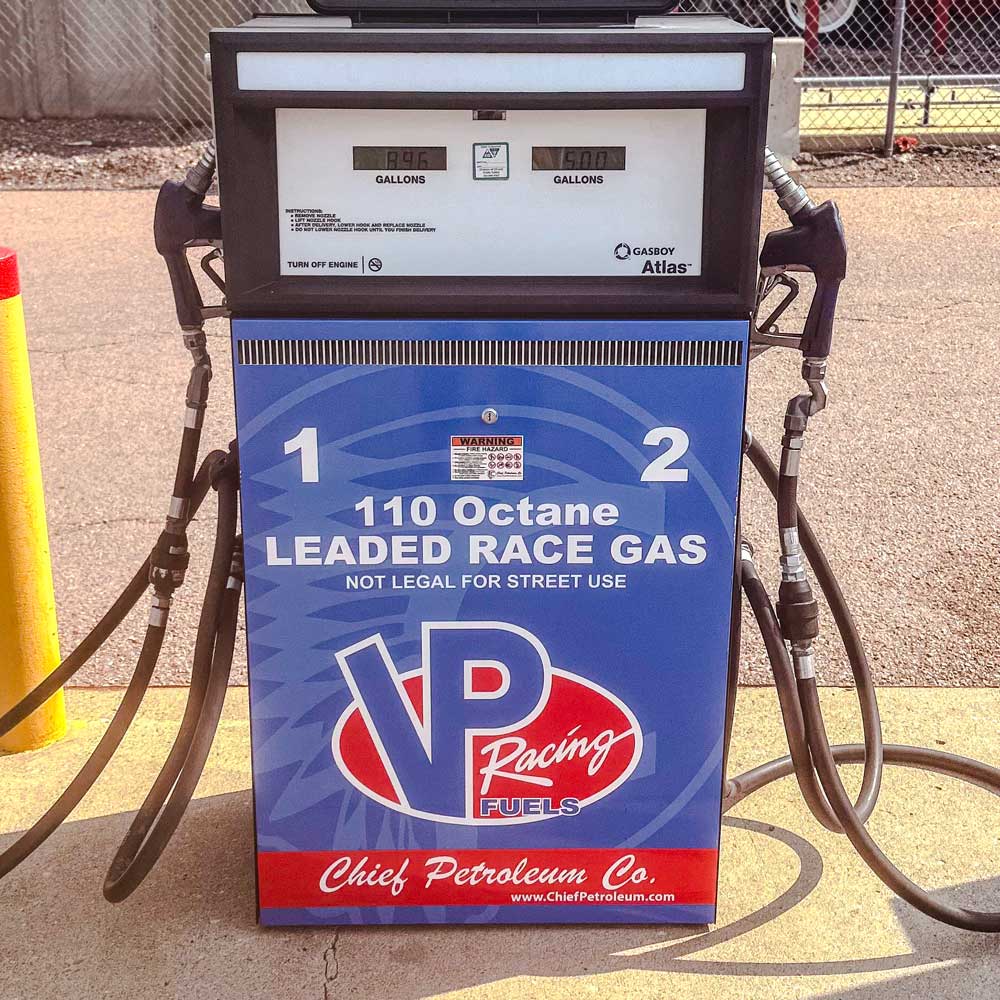
The world of motorsports is a crucible of innovation, pushing the boundaries of what’s possible in speed, agility, and raw power. At the heart of this relentless pursuit of performance lies an often-misunderstood but critically important component: race fuel. While many automotive enthusiasts are familiar with the octane ratings found at their local gas stations – typically ranging from 87 to 93 – the world of race fuel operates on a different, far more complex spectrum. Understanding what octane is in race fuel isn’t just about numbers; it’s about comprehending the intricate science that allows engines to perform at their absolute peak, safely and effectively, under the most demanding conditions imaginable.
The Fundamental Science: Octane Rating and Detonation
At its core, the octane rating of a fuel is a measure of its resistance to detonation, also known as knocking or pinging. This phenomenon occurs when the air-fuel mixture within the engine’s cylinder ignites prematurely or unevenly, rather than burning smoothly from a controlled spark. Detonation is incredibly damaging to an engine, leading to significant power loss, increased heat, and in severe cases, catastrophic mechanical failure.
How Octane Rating is Measured
The octane rating isn’t a direct measure of energy content or power. Instead, it’s a standardized scale developed to compare the anti-knock properties of different gasoline blends. The most common method for determining octane is the ASTM D2700 Motor Method, which simulates engine conditions. In this test, a reference fuel is compared against the fuel being tested. The reference fuel is a mixture of two pure hydrocarbons:
- n-heptane: This hydrocarbon ignites very easily and has an octane rating of 0.
- isooctane (2,2,4-trimethylpentane): This hydrocarbon is highly resistant to detonation and is assigned an octane rating of 100.
A fuel with an octane rating of, say, 91 means it has the same anti-knock characteristics as a blend of 91% isooctane and 9% n-heptane. Higher octane fuels contain a greater proportion of hydrocarbons that resist auto-ignition, making them more suitable for high-compression engines.
The Role of Compression Ratio
The primary reason race cars utilize higher octane fuels than typical street vehicles is their significantly higher compression ratio. The compression ratio is the ratio of the volume of the cylinder when the piston is at the bottom of its stroke to the volume when it is at the top. A higher compression ratio means the air-fuel mixture is squeezed into a smaller volume before ignition. This compression increases the pressure and temperature within the cylinder, leading to a more powerful explosion when the spark plug fires.
However, this increased pressure and temperature also make the air-fuel mixture more prone to detonation. Without a fuel that can withstand these extreme conditions, the engine would quickly suffer from knock. Race fuels, with their exceptionally high octane ratings, are engineered to resist this premature ignition, allowing engines to operate at their optimal, high-compression states without detrimental effects.
Beyond the Number: The Complex Chemistry of Race Fuels
While octane rating is the most commonly discussed metric, race fuels are far more complex than a simple number on a pump. They are sophisticated chemical cocktails formulated to meet the specific demands of various racing disciplines and engine types. The additives and base components used in race fuels go far beyond what is found in pump gasoline, contributing to their unique performance characteristics.
The Importance of Base Stock and Blending
The fundamental building blocks of gasoline are hydrocarbons derived from crude oil. However, the specific types and ratios of these hydrocarbons vary significantly. Race fuel manufacturers often use specialized base stocks or blends of hydrocarbons that inherently possess superior anti-knock properties. These can include:
- Aromatics: Compounds like benzene and toluene, which have high octane ratings, are often used in race fuels. However, their use is also regulated due to environmental and health concerns, and their suitability can depend on the specific racing series rules.
- Alcohols: Ethanol and methanol are frequently used in various forms and blends in race fuels. They not only possess high octane ratings but also contribute to efficient combustion and cooling effects within the engine. Methanol, in particular, has a very high octane rating (often cited around 110-115) and is a popular choice for certain forms of motorsport.
- Oxygenates: These are compounds that contain oxygen atoms, such as ethers. Oxygenates can improve combustion efficiency and contribute to higher octane ratings.
The art and science of race fuel blending lie in combining these components in precise ratios to achieve the desired octane rating, energy content, burn speed, and stability for a specific application.
Additives: Tailoring Performance
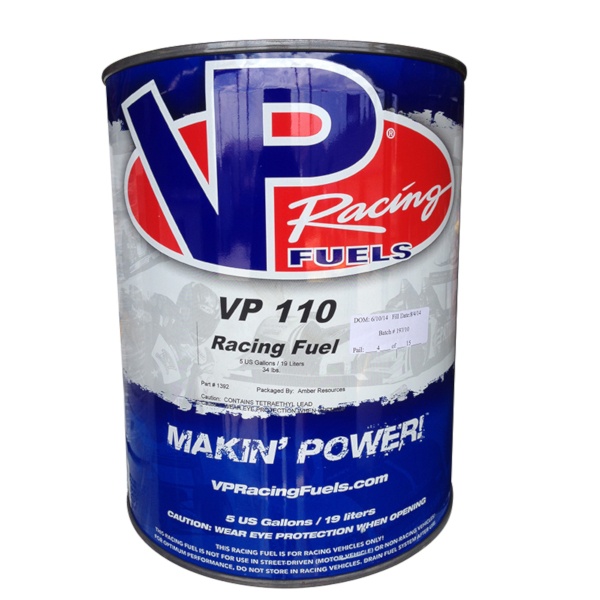
Beyond the base fuel, a plethora of additives are incorporated into race fuels to enhance performance and protect the engine. These additives can perform a wide range of functions:
- Detergents: While common in pump gasoline, specialized detergents in race fuels can prevent the buildup of carbon deposits on intake valves and combustion chambers, maintaining engine efficiency and power.
- Lubricity Enhancers: Some race fuels include additives that improve the lubrication of fuel system components, such as fuel pumps and injectors, which are often subjected to extreme pressures and temperatures.
- Corrosion Inhibitors: These additives protect metal components within the fuel system and engine from rust and corrosion, especially important in fuels that might sit for extended periods or are exposed to moisture.
- Stabilizers: Race fuels, especially those with high alcohol content, can be prone to degradation or phase separation over time. Stabilizers help maintain the fuel’s integrity and performance characteristics.
- Friction Modifiers: In some advanced formulations, friction modifiers might be added to reduce internal engine friction, leading to marginal but significant gains in power output.
The specific combination and concentration of these additives are proprietary to each manufacturer and are often tailored to the demands of particular racing series, engine designs, and operating conditions.
Octane Demystification: What Octane Rating Means in Practice
So, what does a high octane rating truly translate to for a race engine? It’s not simply about “more power” in a direct sense, but rather enabling the engine to produce its maximum potential power without self-destruction.
Enabling Higher Compression and Advanced Timing
As previously discussed, high octane fuel allows for higher compression ratios. A higher compression ratio directly leads to a more efficient and powerful combustion process. Furthermore, race engines can often utilize more aggressive ignition timing. Ignition timing refers to when the spark plug fires relative to the piston’s position. Advanced timing (firing the spark earlier) can further optimize the pressure wave in the cylinder for maximum power output. However, this also increases the likelihood of detonation. High octane fuel provides the necessary buffer to allow for these advanced timing strategies without risking engine damage.
Handling Increased Cylinder Pressures and Temperatures
Race engines operate under immense stress. During combustion, cylinder pressures can reach thousands of pounds per square inch, and temperatures can soar. The fuel must be able to withstand these extreme conditions without pre-igniting. A fuel with a higher octane rating is far more stable under these elevated pressures and temperatures, ensuring that combustion occurs only when initiated by the spark plug. This controlled burn is essential for consistent power delivery and engine longevity under racing duress.
Fueling Different Classes of Motorsport
The specific octane requirements for race fuel vary dramatically depending on the racing discipline and the regulations governing it.
- Drag Racing: Often utilizes extremely high octane fuels (e.g., 110+ AKI) to support very high compression ratios and aggressive tuning.
- Road Racing (e.g., NASCAR, Formula 1): Regulations in these series often dictate specific fuel compositions and octane limits. While still high, they might be slightly lower than pure drag racing fuels to balance performance, cost, and specific engine requirements. For instance, NASCAR Cup Series cars historically used leaded fuels with octane ratings around 105-110, but have transitioned to unleaded formulations. Formula 1 has very strict fuel regulations, with octane ratings often in the high 90s to low 100s, but with a strong emphasis on fuel density and energy content.
- Rallying and Off-Road Racing: These disciplines can have a wider range of fuel requirements depending on the engine modifications and environmental conditions, often favoring fuels with good resistance to detonation and consistent performance.
It’s crucial for competitors to adhere strictly to the fuel specifications outlined by their respective racing organizations. Using an incorrect fuel can lead to disqualification, engine damage, and a significant competitive disadvantage.
The Future of Race Fuel Technology
The pursuit of performance in motorsports is perpetual, and this extends to race fuel technology. As engine technologies evolve and regulations change, so too do the demands placed on fuels. The industry is continuously researching and developing new formulations to meet these challenges.
Environmental Considerations and Sustainable Fuels
Increasingly, the motorsports world is facing pressure to become more environmentally conscious. This is driving research into more sustainable race fuel options.
- Biofuels: Blends incorporating ethanol derived from renewable sources, or even more advanced bio-derived hydrocarbons, are being explored and implemented.
- Synthetic Fuels: These fuels are manufactured chemically rather than extracted from crude oil. They offer the potential for precise control over their properties and can be engineered for high performance and reduced environmental impact.
- Lower Emissions Formulations: Manufacturers are working on fuels that not only perform well but also reduce harmful emissions, aligning with broader environmental goals.
Advanced Engine Technologies and Fuel Synergy
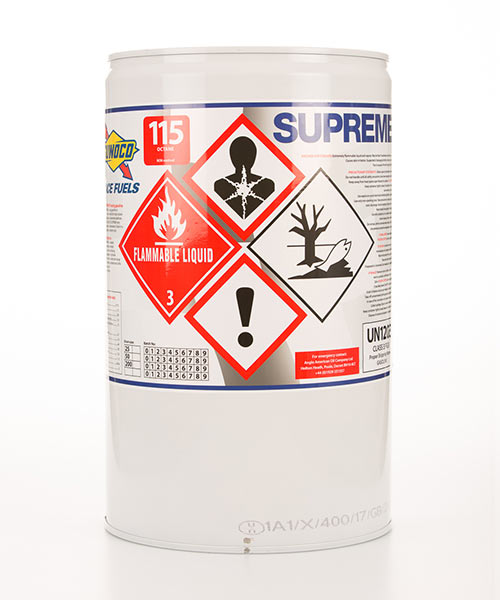
The development of new engine technologies, such as direct injection, forced induction (turbocharging and supercharging), and variable valve timing, necessitates corresponding advancements in fuel technology. Fuels need to be compatible with these systems, ensuring optimal performance and longevity. The synergy between engine design and fuel formulation is a critical area of ongoing R&D, where breakthroughs in one area often drive innovation in the other.
In conclusion, the octane rating of race fuel is a critical indicator of its ability to resist detonation, a phenomenon that can cripple high-performance engines. However, the story of race fuel is far richer and more complex than a single number. It’s a testament to advanced chemical engineering, where intricate blends of hydrocarbons and specialized additives are meticulously formulated to unlock the ultimate potential of racing machines, pushing the limits of speed and performance in every competitive arena. As motorsports continue to evolve, so too will the fuels that power its champions, driven by a relentless quest for innovation, efficiency, and sustainability.
aViewFromTheCave is a participant in the Amazon Services LLC Associates Program, an affiliate advertising program designed to provide a means for sites to earn advertising fees by advertising and linking to Amazon.com. Amazon, the Amazon logo, AmazonSupply, and the AmazonSupply logo are trademarks of Amazon.com, Inc. or its affiliates. As an Amazon Associate we earn affiliate commissions from qualifying purchases.