
Amenity fees are a common, yet often misunderstood, component of many housing and property arrangements. They represent an additional cost charged to residents or tenants for the use and maintenance of shared facilities and services that go beyond the basic provision of shelter. While the term itself is straightforward, the specifics of what constitutes an amenity fee, who pays it, and what it covers can vary significantly depending on the type of property and the services offered. Understanding amenity fees is crucial for anyone entering into a lease agreement, purchasing a property with shared facilities, or considering different housing options.
Understanding the Scope of Amenity Fees
At its core, an amenity fee is a charge that allows residents access to communal features and services that enhance their living experience. These are the extras that differentiate a basic apartment or condominium from one offering a richer lifestyle. They are designed to be shared resources, meaning the cost is distributed among all users, rather than being borne by an individual. This model allows for the provision of high-quality facilities that might be prohibitively expensive for a single household to maintain or utilize.
Beyond the Basics: Defining “Amenities”
The definition of “amenities” in this context is broad and continuously evolving with market demands and lifestyle trends. Historically, amenities might have been limited to a laundry room or a basic communal outdoor space. Today, the spectrum is far more extensive.
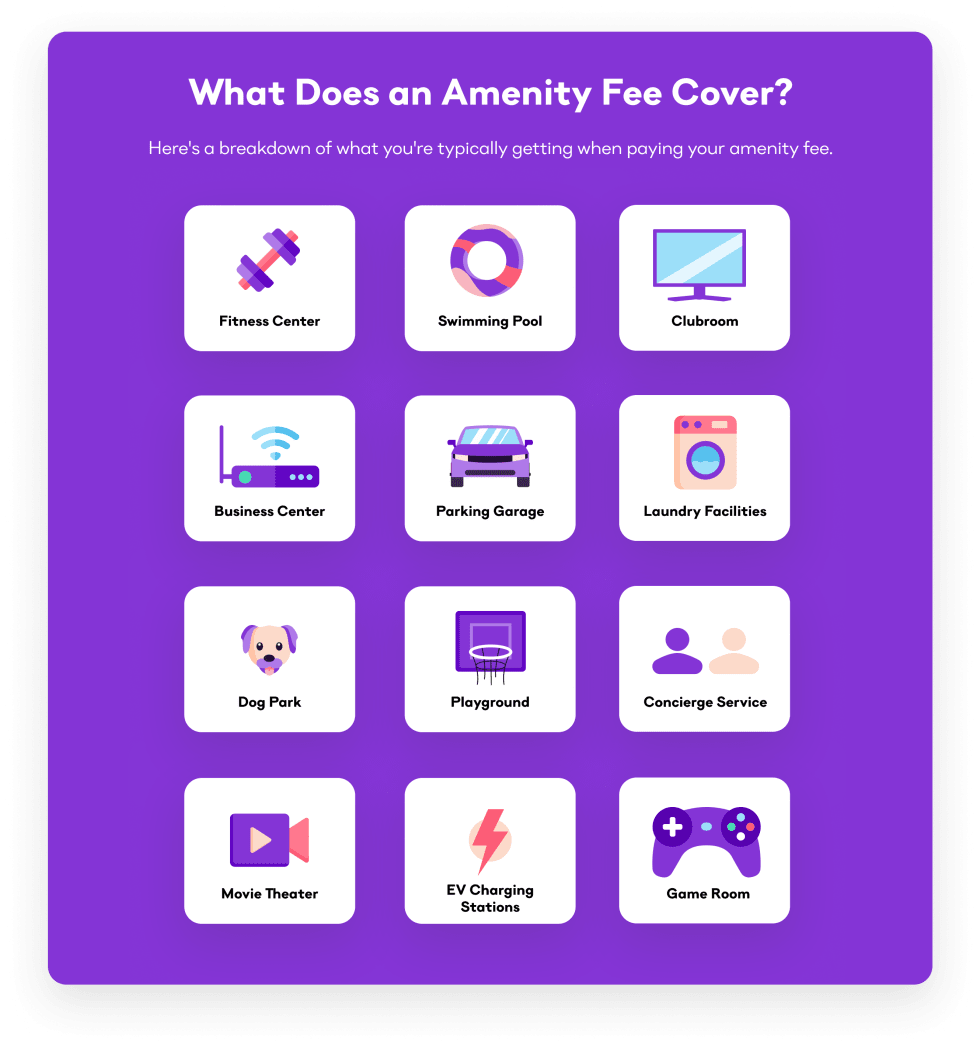
- Recreational Facilities: This is perhaps the most common category. It includes swimming pools (indoor and outdoor), fitness centers or gyms, sports courts (tennis, basketball, racquetball), and sometimes even golf courses or driving ranges. The upkeep of these facilities, including equipment maintenance, cleaning, lifeguard services (if applicable), and seasonal preparation, is often covered by amenity fees.
- Social and Community Spaces: Many properties offer spaces designed for social interaction and community building. This can range from common lounges, clubhouses, and barbecue areas to dedicated party rooms, movie theaters, or even co-working spaces. The fees contribute to the furnishing, decoration, cleaning, and occasional event coordination for these areas.
- Convenience Services: Beyond recreation and social spaces, amenity fees can also cover services that add convenience to residents’ lives. This might include concierge services, package handling, valet parking, pet grooming stations, car wash facilities, or even on-site dry cleaning drop-off points.
- Landscaping and Exterior Maintenance: While basic exterior maintenance is often included in rent or HOA fees, enhanced landscaping, decorative elements, specialized groundskeeping (e.g., for gardens or water features), and even seasonal decorations can be funded through amenity fees.
- Utilities for Shared Areas: The electricity for lighting communal areas, heating and cooling for gyms and pools, water for fountains and landscaping, and internet access in common spaces are all typically covered by amenity fees.
Differentiating from Other Fees
It’s important to distinguish amenity fees from other charges associated with housing. While there can be overlap, the primary purpose differs.
- Rent/Mortgage: This is the fundamental cost of occupying a dwelling. Amenity fees are an addition to this primary cost, providing access to non-essential shared features.
- Homeowners Association (HOA) Fees: In condominiums and some planned communities, HOA fees are common. These fees cover the maintenance of common areas, property management, and often include amenities. In such cases, amenity fees might be a component within the HOA fee, or a separate charge for specific premium amenities not covered by the general HOA assessment.
- Utilities (Individual): Standard utilities like electricity, gas, and water for your private dwelling unit are usually your responsibility or billed separately. Amenity fees are for the utilities powering the shared amenities.
- Maintenance Fees (Individual Unit): For renters, the landlord is typically responsible for repairs within the unit. For homeowners, individual unit maintenance is their responsibility. Amenity fees cover the upkeep of communal facilities.
Types of Properties and Amenity Fee Structures
The prevalence and structure of amenity fees vary widely across different types of real estate. Understanding this context is key to grasping how these fees are applied in practice.
Residential Properties: Apartments and Condominiums
- Apartment Complexes: In rental apartment communities, amenity fees are often bundled into the monthly rent. Landlords invest in features that attract tenants and justify higher rental rates. Sometimes, there might be an explicit “amenity package” fee that is added to the base rent. This is particularly common in upscale or luxury apartment buildings that offer extensive amenities like resort-style pools, elaborate fitness centers, and rooftop terraces. The landlord is responsible for the overall maintenance and operation, funded by these fees.
- Condominiums and Homeowners Associations (HOAs): For owner-occupied properties like condominiums and homes in planned communities, amenity fees are typically part of the mandatory monthly or quarterly HOA dues. The HOA board manages the shared facilities, and the fees are collected from all unit owners to fund maintenance, repairs, insurance, and operational costs for these amenities. In some HOA structures, there might be a base fee covering essential services, with optional additional fees for exclusive access to premium amenities, such as a private clubhouse or a high-end gym.
Commercial and Other Property Types
While less common, the concept of amenity fees can extend beyond residential properties.
- Co-working Spaces: These environments often charge a membership fee that includes access to a range of shared amenities. These can include high-speed internet, printing facilities, meeting rooms, lounges, kitchens with coffee and snacks, and networking events. The “amenity fee” is essentially built into the membership structure.
- Senior Living Communities: These communities often include a comprehensive package of services and amenities, such as dining facilities, recreational activities, transportation services, and on-site healthcare support. The fees are typically all-inclusive, covering not just the living space but also the extensive amenities provided.
- Timeshares and Vacation Properties: When purchasing a timeshare or a membership in a vacation club, fees are often levied to cover the upkeep and maintenance of the shared resort facilities, pools, and common areas, regardless of how often an owner actually uses the property.
The Rationale Behind Amenity Fees: Value and Investment
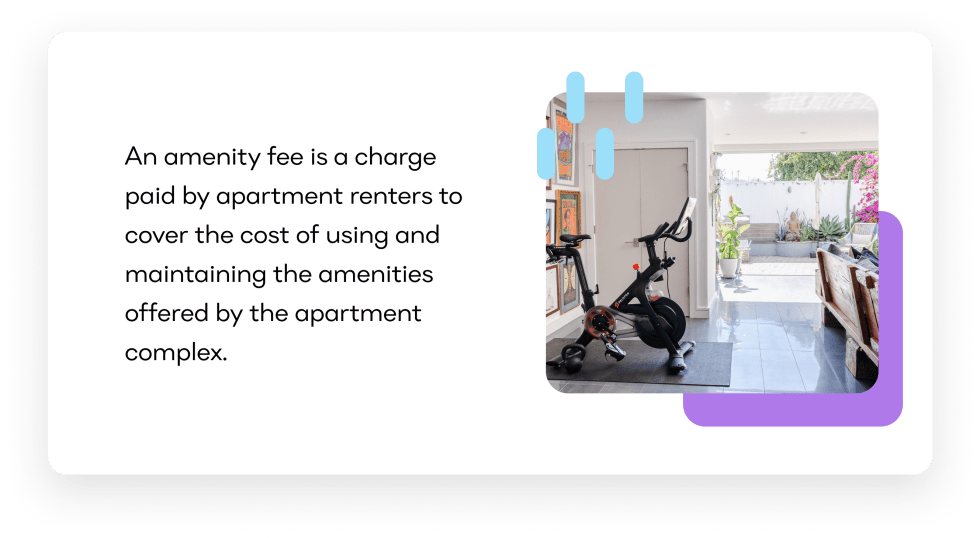
Amenity fees are not simply arbitrary add-ons; they represent a deliberate financial strategy to provide and maintain desirable living environments. The core rationale revolves around shared value and investment.
Enhancing Lifestyle and Property Value
The primary driver for offering amenities, and thus charging associated fees, is to enhance the resident’s lifestyle. Access to a well-equipped gym eliminates the need for an external membership. A beautiful pool area provides a vacation-like experience close to home. These features contribute to a more enjoyable and convenient living experience, which can be a significant factor in a person’s choice of residence.
Furthermore, amenities can significantly impact property values. For rental properties, attractive amenities help attract and retain tenants, allowing landlords to command higher rents. For condominiums and homes in HOAs, well-maintained and desirable amenities can increase resale value and attract buyers who are looking for a certain lifestyle. The amenity fees, therefore, act as an investment in the collective asset, ensuring its desirability and marketability.
The Economics of Shared Resources
The economic argument for amenity fees is rooted in the principle of shared resources. It is often not economically feasible for individual households to privately fund and maintain amenities like a swimming pool, a large fitness center, or extensive landscaping. By pooling funds through amenity fees, a larger, higher-quality amenity can be provided to many residents at a fraction of the individual cost.
- Cost Distribution: The total cost of maintaining, insuring, staffing, and upgrading amenities is spread across the entire resident population, making it affordable.
- Economies of Scale: Purchasing equipment for a large gym or maintaining a community pool is more cost-effective when done on a larger scale, benefiting from bulk discounts and specialized maintenance contracts.
- Continuous Improvement: Amenity fees ensure a consistent revenue stream for upkeep and improvements. This prevents amenities from falling into disrepair and allows for periodic upgrades to keep them modern and appealing, reflecting current trends and resident preferences. Without this ongoing funding, amenities would quickly deteriorate, diminishing the overall appeal of the property.
Potential Drawbacks and Considerations
While amenity fees offer distinct advantages, they are not without their potential downsides, and it’s important for consumers to be aware of these.
- Mandatory Costs: For residents who do not use certain amenities, paying for them can feel like a waste of money. If an amenity fee is bundled into rent or HOA dues, there is often no option to opt-out.
- Transparency and Accountability: The lack of transparency in how amenity fees are managed can sometimes lead to frustration. Residents may question whether the fees are being used efficiently and effectively. Clear communication from property management or HOA boards regarding budgets and expenditures is crucial.
- Fee Increases: Amenity fees, like other costs, can increase over time due to inflation, rising maintenance costs, or the need for significant upgrades. Residents need to be prepared for potential increases in their housing expenses.
- Underutilization and Overcrowding: If amenities are poorly managed or if the fee structure doesn’t align with usage, it can lead to either underutilization (and wasted fees) or overcrowding, diminishing the quality of the experience for those who do use them.
Navigating Amenity Fees: A Consumer’s Guide
For prospective renters, buyers, or members of a community with shared facilities, understanding and evaluating amenity fees is a critical step in making an informed decision. It’s not just about the sticker price of rent or the purchase price of a property; it’s about the total cost of living and the value derived from it.
What to Ask and Look For
Before committing to a lease or purchase, thorough due diligence regarding amenity fees is essential.
- Detailed Breakdown: Request a detailed breakdown of all fees, including what each fee specifically covers. Inquire about the frequency of these fees (monthly, quarterly, annually) and whether they are subject to change.
- Amenity Usage Policy: Understand the rules and regulations governing the use of amenities. Are there specific hours of operation? Are there guest policies? Are reservations required for certain facilities?
- Maintenance and Upgrade Plans: Ask about the current condition of the amenities and the long-term plans for maintenance and upgrades. This can indicate how well the facilities are managed and what future costs might arise.
- Financial Transparency: For HOAs, review the association’s financial statements and budgets to understand how amenity fees are allocated. Attend board meetings to gain insight into discussions and decisions regarding shared facilities.
- Impact on Total Cost: Calculate the total monthly or annual cost, including rent/mortgage, all fees, and estimated utilities, to compare different options accurately.
Maximizing Your Investment in Amenities
If you are paying for amenities, make an effort to utilize them. This will help you derive more value from your housing costs and potentially enhance your overall well-being. Explore the fitness center, join a community event, or simply relax by the pool. Engaging with the shared facilities can transform your living space into a more vibrant and fulfilling environment.
In conclusion, amenity fees are a fundamental aspect of modern property management, reflecting the growing demand for enhanced living experiences. They represent a collective investment in shared resources, providing access to facilities and services that enrich the lives of residents. While they add to the overall cost of housing, a thorough understanding of their purpose, structure, and the value they provide is essential for making sound financial and lifestyle decisions. By asking the right questions and understanding the economic rationale, consumers can better navigate the world of amenity fees and ensure they are investing in a living environment that truly meets their needs and expectations.
aViewFromTheCave is a participant in the Amazon Services LLC Associates Program, an affiliate advertising program designed to provide a means for sites to earn advertising fees by advertising and linking to Amazon.com. Amazon, the Amazon logo, AmazonSupply, and the AmazonSupply logo are trademarks of Amazon.com, Inc. or its affiliates. As an Amazon Associate we earn affiliate commissions from qualifying purchases.