
The allure of a life-altering jackpot is undeniable. Mega Millions, one of the world’s largest lottery games, consistently draws millions of hopeful players with the promise of unimaginable wealth. But beyond the dream, lies a fascinating interplay of probability, human psychology, and the simple act of picking numbers. This article delves into the core question many players ponder: “What numbers for Mega Millions?” We’ll explore the statistical realities of winning, examine common player strategies (and their effectiveness), and touch upon the psychological drivers that make us choose certain numbers over others.
The Cold, Hard Numbers: Understanding Mega Millions Probability
At its heart, Mega Millions is a game of chance governed by strict mathematical principles. Understanding these probabilities is the first step in approaching the game with a clear perspective.
Calculating Your Odds: A Statistical Breakdown
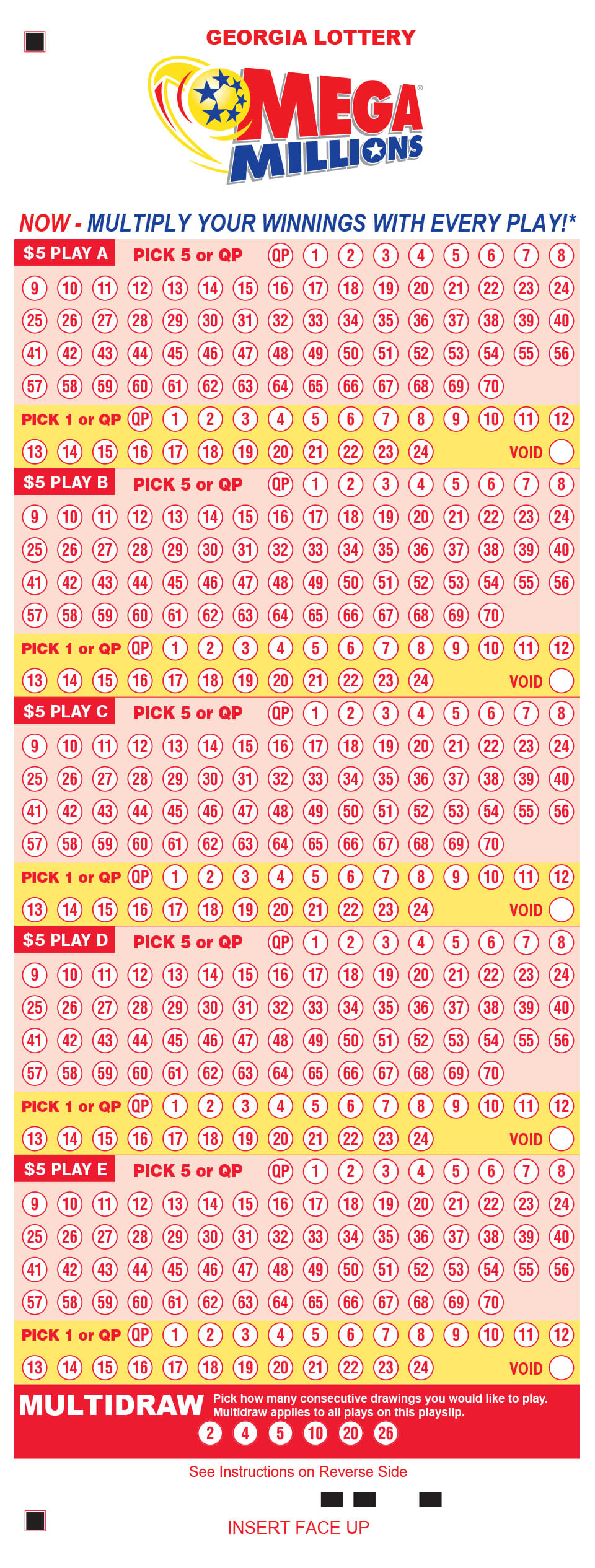
To win the Mega Millions jackpot, a player must correctly match five white balls drawn from a pool of 70, and one Mega Ball drawn from a separate pool of 25. The sheer scale of this undertaking is staggering. The odds of hitting the jackpot are approximately 1 in 302,575,350. This number is not an estimate; it’s a direct result of combinatorial mathematics.
Let’s break down the calculation:
- Choosing the five white balls: The number of ways to choose 5 balls from 70, without regard to order, is calculated using the combination formula: C(n, k) = n! / (k! * (n-k)!). In this case, it’s C(70, 5) = 70! / (5! * (70-5)!) = 70! / (5! * 65!) = 12,103,014. This means there are over 12 million possible combinations for the five white balls.
- Choosing the Mega Ball: There are 25 possible choices for the Mega Ball.
- Total Combinations: To find the total number of unique Mega Millions ticket combinations, we multiply the number of white ball combinations by the number of Mega Ball combinations: 12,103,014 * 25 = 302,575,350.
This astronomical figure underscores the extreme unlikelihood of winning the jackpot. While smaller prizes exist for matching fewer numbers, the odds for these are significantly better but still represent a small chance of winning substantial amounts. For instance, matching five white balls without the Mega Ball yields odds of approximately 1 in 12,103,014, still a long shot but a more attainable goal.
Debunking “Hot” and “Cold” Numbers: The Gambler’s Fallacy
A common player strategy involves tracking “hot” (frequently drawn) and “cold” (infrequently drawn) numbers. The idea is that hot numbers are “due” to continue their streak or that cold numbers are “due” to appear. However, from a purely statistical standpoint, this is a fallacy.
Each Mega Millions drawing is an independent event. The balls have no memory of past draws. The probability of any specific number being drawn remains the same for every single draw, regardless of how often or how rarely it has appeared in the past. A lottery machine doesn’t “know” that number 17 hasn’t been drawn in a month and therefore is “due.” This belief is an example of the gambler’s fallacy, the mistaken belief that past independent events influence future outcomes. While analyzing past draws can be an interesting statistical exercise, it holds no predictive power for future results.
Beyond the Numbers: Player Strategies and the Human Element
While pure chance dictates the outcome, players often employ various strategies, driven by a mix of logic, superstition, and the desire to gain some semblance of control over an uncontrollable event.
The Power of Randomness: Quick Picks vs. Self-Selection
One of the most straightforward approaches is to let the lottery terminal generate your numbers – the “Quick Pick.” This method guarantees random number selection, ensuring that your numbers are as likely (or unlikely) to be drawn as any other combination. For players who understand the statistical nature of the game and want to avoid personal biases, Quick Picks are an excellent choice.
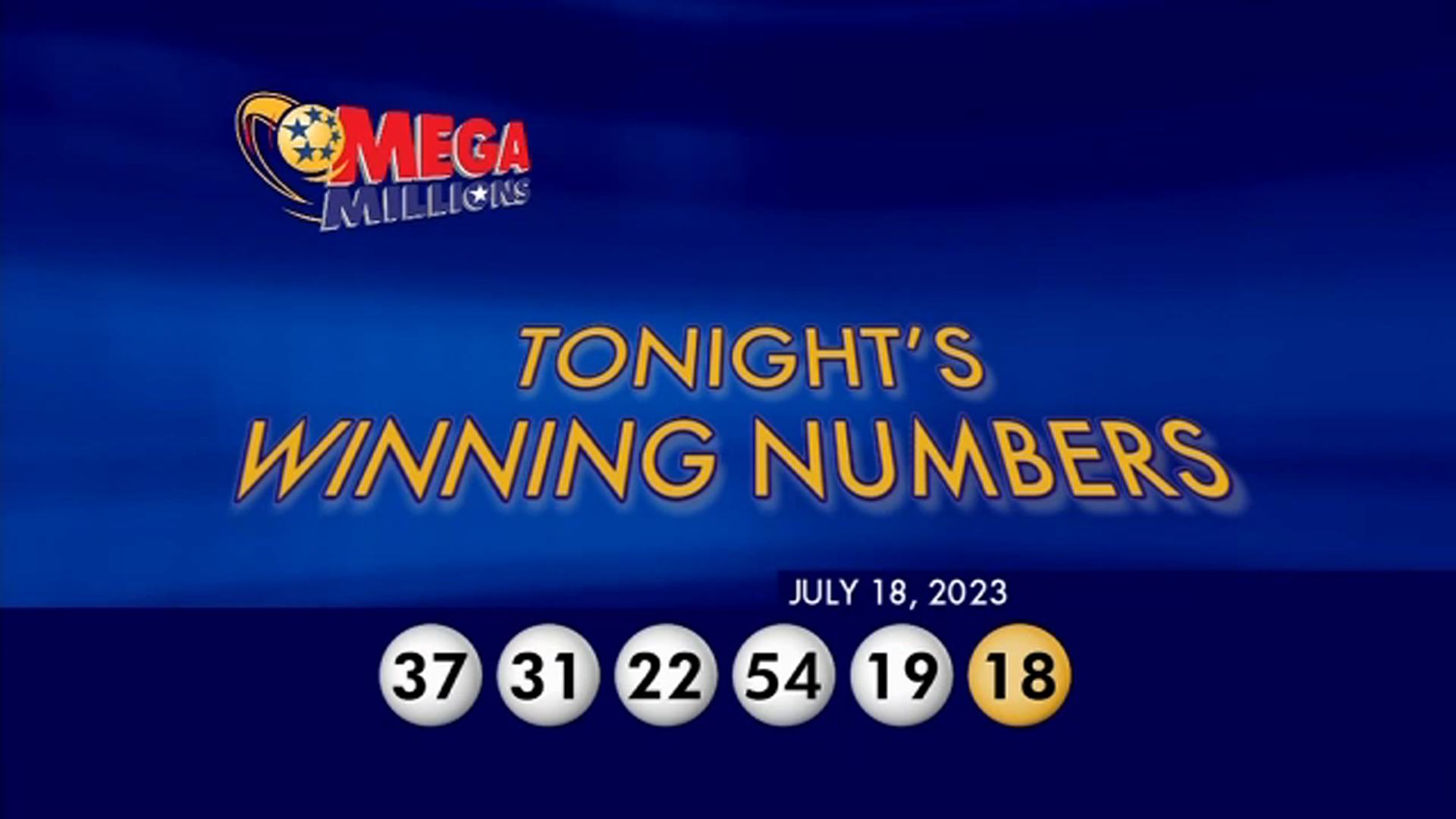
On the other hand, many players prefer to choose their own numbers. This self-selection process can be driven by a variety of factors:
- Significant Dates: Birthdays, anniversaries, and other meaningful dates are popular choices. However, this can lead to a concentration of numbers between 1 and 31, potentially increasing the chances of splitting a jackpot if those numbers are drawn, as many people share these dates.
- Personal “Lucky” Numbers: Some individuals have numbers they’ve always considered lucky, often based on personal experiences or superstitions.
- Patterns and Systems: Some players devise their own numbering systems, perhaps based on arithmetic sequences, geometric patterns on the ticket, or other perceived logical structures.
While the mathematical odds remain the same regardless of how the numbers are chosen, the perceived satisfaction and engagement with the game can be higher for those who actively select their numbers. It transforms the act of playing from passive participation to a more involved ritual.
Group Play: Pooling Resources and Spreading the Risk (and Reward)
Lottery pools, where a group of individuals contribute money to buy a larger number of tickets, are a popular strategy. The rationale is simple: by purchasing more tickets, the group increases its collective chances of winning. If a ticket bought by the pool wins, the prize is shared among the members.
The benefits of group play are:
- Increased Ticket Volume: More tickets mean more combinations covered, statistically improving the odds of holding a winning ticket.
- Cost-Effective: Players can participate in buying a larger number of tickets without a significant individual financial outlay.
However, it’s crucial to establish clear rules and agreements for lottery pools to avoid disputes, especially if a significant win occurs. A written agreement outlining contribution amounts, ticket purchases, and prize distribution is highly recommended.
The Psychology of Lottery Numbers: Why We Choose What We Choose
Beyond the statistical probabilities, the selection of numbers in Mega Millions is deeply intertwined with human psychology. We are pattern-seeking creatures, and the seemingly random nature of lottery draws often leads us to impose our own order and meaning.
The Appeal of the Familiar and the Significance of the Personal
As mentioned, personal dates are a huge driver for number selection. This stems from our innate desire to connect with the game on a personal level, imbuing numbers with emotional significance. A birthday is more than just a set of digits; it’s a memory, a milestone, a piece of our identity. When these numbers are chosen, the act of playing becomes a personal ritual, even if the statistical impact is negligible.
The Illusion of Control and the Hope for a System
The human mind struggles with true randomness. We often seek systems, patterns, and explanations, even in situations where they don’t exist. The desire to find “the right numbers” or a winning strategy can be a manifestation of this need for control. It’s a way of feeling like we’re actively participating in shaping our destiny, rather than being entirely at the mercy of chance. This psychological need can make the process of choosing numbers an engaging and optimistic part of the lottery experience.
The Social Aspect of Number Selection
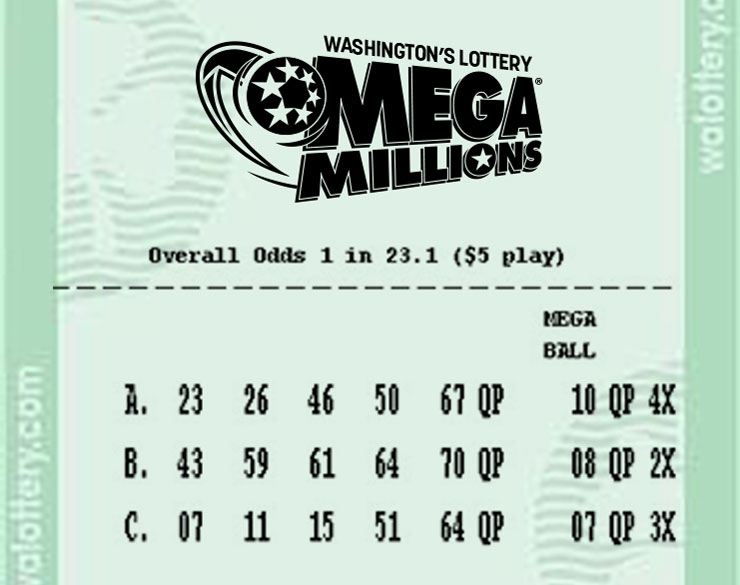
Sometimes, the numbers we choose are influenced by what others are choosing. If a particular set of numbers has been reported as winning in the past, or if friends and family frequently play certain numbers, it can subtly influence our own choices. This social conformity can be a subconscious aspect of our decision-making process, even in a game that is ostensibly individual.
Ultimately, the question “What numbers for Mega Millions?” doesn’t have a single, definitive answer. Statistically, all number combinations have an equal chance of being drawn. However, the journey of selecting those numbers is a rich tapestry woven from probability, personal meaning, and the enduring human desire for a stroke of incredible luck. Whether you opt for a Quick Pick or meticulously craft your own syndicate of significant dates, the thrill of playing Mega Millions lies in the possibility, the dream, and the shared human experience of hoping for that life-changing win.
aViewFromTheCave is a participant in the Amazon Services LLC Associates Program, an affiliate advertising program designed to provide a means for sites to earn advertising fees by advertising and linking to Amazon.com. Amazon, the Amazon logo, AmazonSupply, and the AmazonSupply logo are trademarks of Amazon.com, Inc. or its affiliates. As an Amazon Associate we earn affiliate commissions from qualifying purchases.