
The release of a new iPhone has always been an event, but few have captivated the tech world quite like the iPhone X. Unveiled in September 2017, alongside the more conventionally numbered iPhone 8 and 8 Plus, the iPhone X immediately stood apart, not just in its radical design and feature set, but most prominently in its enigmatic nomenclature. The question “what number is the iPhone X?” wasn’t merely a query about its sequential position but a deeper exploration into Apple’s strategic intent, signaling a dramatic shift in smartphone design and user interaction.
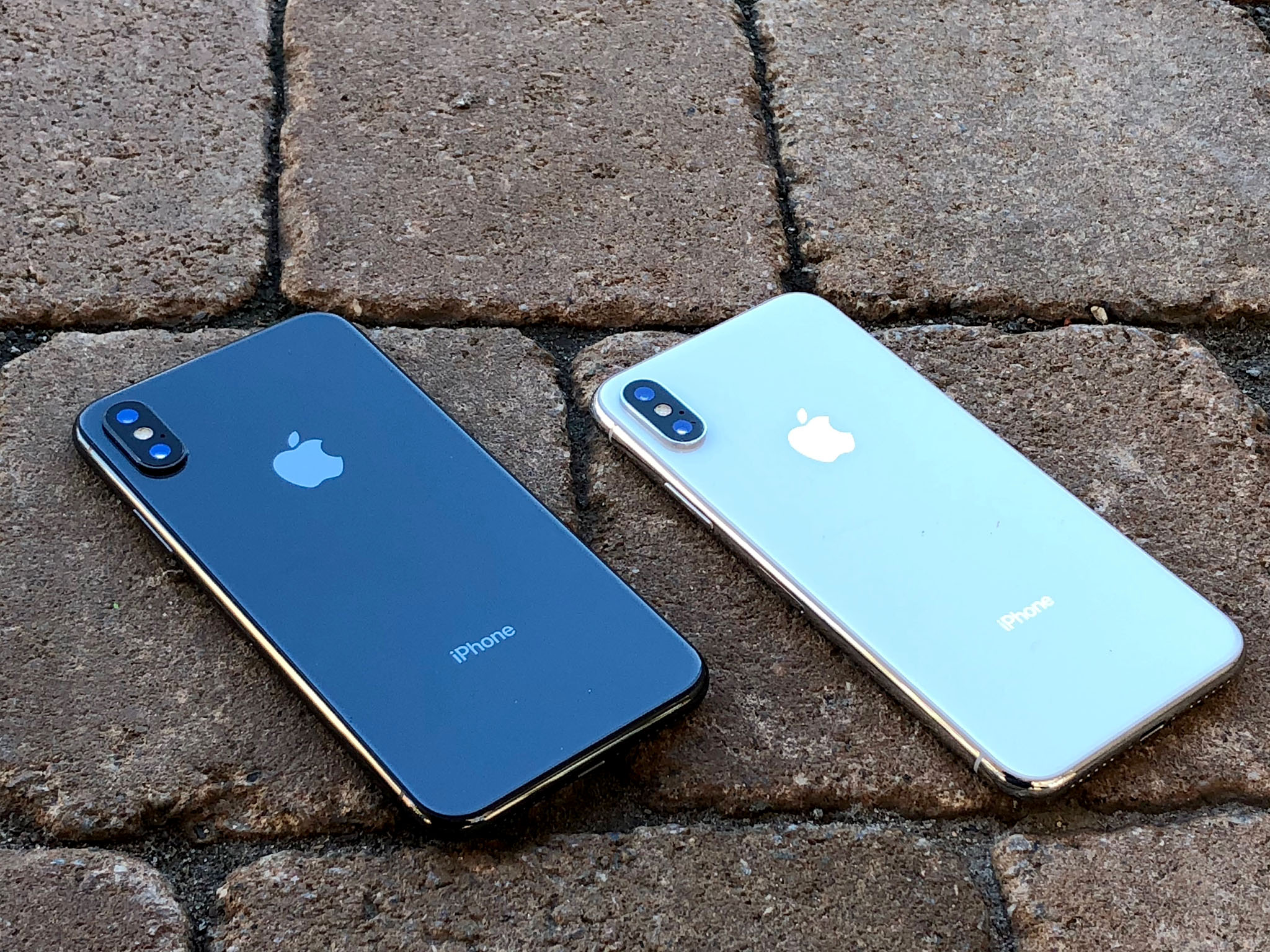
The “X” was far more than a Roman numeral for ten; it was a powerful statement from Apple, commemorating a decade since the original iPhone redefined personal technology. This device was a bold leap forward, embodying Apple’s vision for the future of smartphones. It brought to life concepts that had long been relegated to science fiction, pushing the boundaries of what was technologically feasible in a handheld device. From its edge-to-edge display and advanced facial recognition to its gestural navigation and augmented reality capabilities, the iPhone X wasn’t just another iteration; it was a reimagining. This article will delve into the technological innovations and strategic decisions that made the iPhone X an undisputed milestone in the evolution of the smartphone, explaining why its “number” signifies a turning point rather than a mere sequential increment.
The Significance Behind the ‘X’ – More Than Just a Roman Numeral
The decision to name the flagship device of 2017 the “iPhone X,” rather than the expected “iPhone 9,” was a deliberate and calculated move by Apple. It communicated a profound message: this wasn’t just an upgrade; it was a revolution, a celebration, and a glimpse into the future. The ‘X’ resonated deeply within the tech community, sparking discussions about Apple’s branding strategy and its audacious vision.
A Decade of Innovation: Celebrating the iPhone’s Anniversary
The original iPhone, launched by Steve Jobs in 2007, fundamentally changed how humanity interacted with technology. Its multi-touch interface, internet capabilities, and integrated design laid the groundwork for the modern smartphone. Ten years later, as the world anticipated Apple’s response to an increasingly competitive market, the pressure was immense. The iPhone X was Apple’s grand statement, a commemorative device marking a decade of unparalleled influence. It was designed to encapsulate everything Apple had learned and imagined, pushing past the limitations of previous designs and establishing a new benchmark for the next generation of mobile devices. The ‘X’ symbolically represented this decade-long journey, a culmination of iterative improvements leading to a truly transformative product.
Leaping Over Numbers: Why Apple Skipped the ‘9’
The simultaneous release of the iPhone 8 and 8 Plus alongside the iPhone X perplexed many. Why skip a number in the primary sequence? The answer lies in the distinct positioning of the iPhone X. The iPhone 8 and 8 Plus, while significant upgrades, largely retained the familiar design language established with the iPhone 6. They were evolutionary. The iPhone X, however, was revolutionary. By leaping directly from 8 to X, Apple effectively signaled that this device belonged to a different class entirely. The ‘X’ served to differentiate it from the more conventional updates, associating it with cutting-edge technology and a paradigm shift rather than a simple numerical progression. It created an immediate sense of exclusivity, innovation, and futuristic appeal, clearly delineating it as the “special” anniversary phone.
The ‘X’ as a Symbol of eXperimentation and eXcellence
Beyond merely marking the ten-year anniversary, the ‘X’ carried connotations of “extraordinary,” “experimental,” and “excellence.” It suggested a departure from the norm, a willingness to push boundaries and take risks. The iPhone X was indeed experimental, introducing features like Face ID, gestural navigation, and a notch-laden display that were controversial at first but eventually became industry standards. The ‘X’ encapsulated Apple’s ambition to redefine what a smartphone could be, moving beyond established conventions and embracing a bold new direction. It wasn’t just a number; it was a brand identifier, a statement of intent, and a symbol of Apple’s commitment to pushing the envelope of mobile technology.
Revolutionary Design and Form Factor – Redefining the Smartphone Aesthetic
The most striking aspect of the iPhone X was undoubtedly its radical departure from previous iPhone designs. For years, the iPhone’s silhouette remained largely consistent, characterized by its prominent bezels and the iconic circular Home button. The iPhone X shattered this mold, introducing a design language that would reshape the entire smartphone industry.
The All-Screen Vision: Embracing the Edge-to-Edge Display
At the heart of the iPhone X’s redesign was the Super Retina HD display, a stunning 5.8-inch OLED panel that stretched from edge to edge, filling nearly the entire front of the device. This “all-screen” vision, a concept long-rumored and desired, was finally realized. The vibrant colors, deep blacks, and incredible contrast offered by the OLED technology provided an immersive viewing experience previously unseen on an iPhone. This shift not only maximized screen real estate within a compact form factor but also made content consumption more engaging, setting a new standard for flagship smartphone displays. The edge-to-edge design was more than aesthetic; it fundamentally altered how users interacted with their device, pushing content to the forefront.
The Notorious Notch: A Necessary Compromise for Advanced Technology
To achieve the all-screen display while housing an array of sophisticated sensors, Apple introduced the “notch” – a controversial cutout at the top of the display. While initially derided by some as an unsightly interruption, the notch was a technological marvel, packing in the TrueDepth camera system for Face ID, the front camera, the infrared camera, a dot projector, a flood illuminator, proximity sensor, ambient light sensor, speaker, and microphone. This complex sensor array enabled the advanced facial recognition and augmented reality capabilities that defined the iPhone X. Over time, as other manufacturers adopted similar cutouts and software evolved to gracefully integrate with it, the notch transformed from a point of contention to an accepted and even iconic design element, symbolizing the integration of complex tech into a sleek form.
The Glass Sandwich: Premium Materials and Wireless Charging
Beyond the display, the iPhone X exuded premium craftsmanship. It featured a durable all-glass front and back, encased in a polished surgical-grade stainless steel band. This “glass sandwich” design not only felt luxurious in hand but also enabled a crucial new feature: wireless charging. Apple’s adoption of the Qi wireless charging standard finally brought this convenience to the iPhone, allowing users to simply place their device on a compatible charging mat. While the glass construction naturally raised concerns about durability, it represented Apple’s commitment to cutting-edge materials and a more seamless, cable-free user experience, further emphasizing the iPhone X as a future-forward device.
Unprecedented Biometrics and User Interaction – Face ID’s Debut
Perhaps the most significant functional innovation of the iPhone X was the introduction of Face ID, Apple’s advanced facial recognition system. Its implementation necessitated a complete rethinking of how users unlocked their phones and authenticated payments, ushering in a new era of biometric security and interaction.
Beyond Touch ID: The Power of TrueDepth Camera System
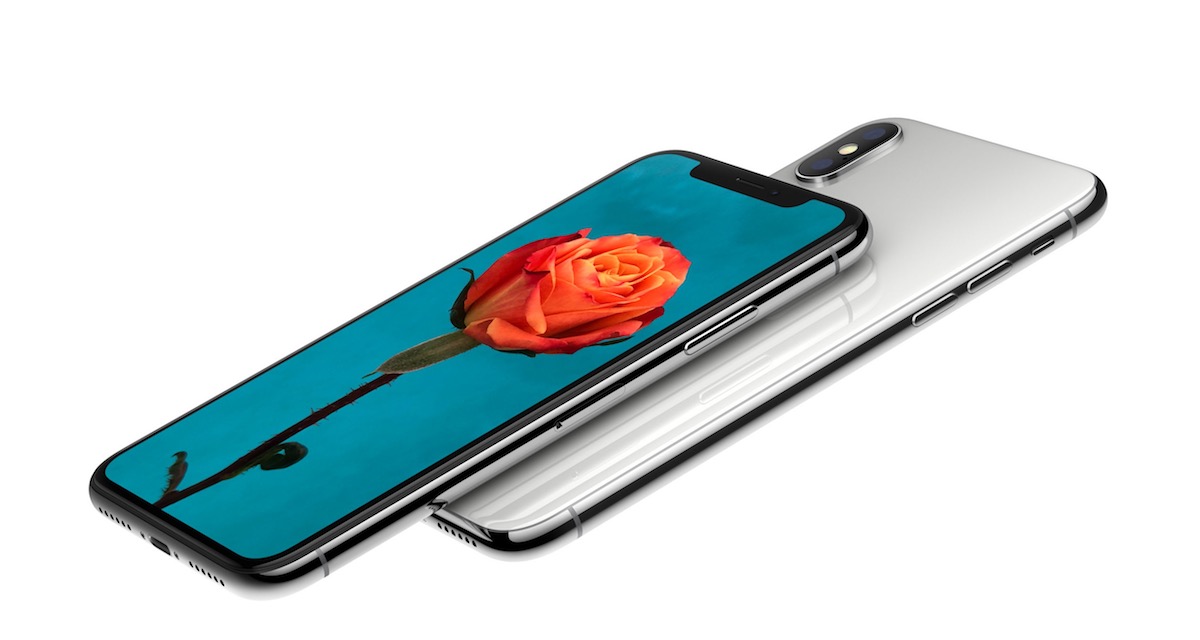
With the removal of the Home button, the familiar Touch ID fingerprint sensor was gone. In its place, Apple developed Face ID, powered by the TrueDepth camera system embedded within the notch. This system projects over 30,000 invisible infrared dots onto a user’s face, creating a precise 3D map. An infrared camera then reads this map, and the data is sent to the secure enclave of the A11 Bionic chip for matching. This sophisticated technology was far more secure than simple 2D facial recognition systems, making it incredibly difficult to fool with photos or masks. Face ID proved to be fast, accurate, and adaptive, learning the user’s face over time and even working in various lighting conditions or with accessories like hats and glasses. It represented a monumental leap in mobile biometrics, offering both enhanced security and unparalleled convenience.
Navigating Without a Home Button: Gestural Revolution
The absence of the Home button also meant a complete overhaul of iOS navigation. Apple introduced an intuitive, gesture-based interface that felt remarkably natural. Swiping up from the bottom of the screen would return to the home screen. A swipe up and hold would reveal the app switcher. A swipe down from the top right accessed Control Center, while a swipe from the top center brought down Notifications. This gestural language, initially a learning curve for long-time iPhone users, quickly became second nature. It provided a fluid, immersive way to interact with the device, further emphasizing the all-screen experience by dedicating the entire display to content rather than navigation elements. This design choice proved so influential that it was quickly adopted by numerous Android manufacturers, becoming the de facto standard for modern smartphones.
Animoji and Beyond: Fun and Practical Applications of the TrueDepth Camera
Beyond security and navigation, the TrueDepth camera system also enabled novel and entertaining features like Animoji. By mapping a user’s facial expressions in real-time, Animoji allowed users to animate popular emoji characters with their own voice and movements. While seemingly a frivolous addition, Animoji powerfully demonstrated the advanced capabilities of the TrueDepth system and its potential for augmented reality, entertainment, and communication. It hinted at a future where our devices could understand and react to our nuances, opening doors for more personalized and expressive digital interactions.
A11 Bionic: The Engine of Innovation – Pushing Mobile Computing Boundaries
Behind the revolutionary design and user interface of the iPhone X lay a powerhouse of engineering: the A11 Bionic chip. This system-on-a-chip (SoC) was not merely faster; it introduced dedicated hardware for machine learning, fundamentally altering the iPhone’s capabilities and setting a new trajectory for mobile computing.
Neural Engine for Machine Learning: The Dawn of On-Device AI
The A11 Bionic was Apple’s first chip to feature a dedicated “Neural Engine.” This specialized hardware was designed for specific machine learning tasks, capable of performing up to 600 billion operations per second. Its integration was crucial for powering features like Face ID, which relies on complex neural network processing to map and recognize faces. The Neural Engine also enhanced other intelligent features, such as smart photography, predictive text, and augmented reality applications. By performing these computations on-device, Apple ensured greater privacy (as data didn’t need to be sent to the cloud), faster processing, and improved efficiency, marking a significant step towards truly intelligent smartphones. This move underscored Apple’s belief in the future of on-device artificial intelligence.
Enhanced Performance and Power Efficiency: Seamless Experience
Beyond the Neural Engine, the A11 Bionic also delivered substantial improvements in CPU and GPU performance. It featured a six-core CPU design, with two performance cores that were 25% faster than the A10 Fusion, and four efficiency cores that were up to 70% faster. The new three-core GPU was 30% faster than its predecessor. This raw power translated into a remarkably smooth and responsive user experience, allowing for seamless multitasking, demanding gaming, and fluid augmented reality applications. Despite the increased power, the chip was also designed for greater power efficiency, contributing to improved battery life compared to previous models, ensuring that the advanced features didn’t compromise daily usability.
Augmented Reality’s New Frontier: ARKit and the iPhone X
The combination of the powerful A11 Bionic chip and the TrueDepth camera system transformed the iPhone X into an exceptional platform for augmented reality (AR). With the simultaneous release of ARKit, Apple’s developer framework for creating AR experiences, the iPhone X quickly became the leading device for mainstream AR applications. The A11’s processing capabilities allowed for highly accurate motion tracking, plane detection, and realistic virtual object rendering, enabling developers to create immersive AR games, practical utility apps, and innovative educational tools. The iPhone X showcased how AR could transition from niche novelty to a powerful, integrated aspect of mobile computing, laying the groundwork for future AR innovations and Apple’s continued investment in the space.
The Enduring Legacy of the iPhone X – A Benchmark for Future Smartphones
The iPhone X was more than just an anniversary product; it was a technological declaration that profoundly influenced the smartphone landscape for years to come. Its impact transcended sales figures, establishing a new paradigm for design, security, and user interaction that reverberated across the industry.
Setting New Industry Standards: From Design to Security
Almost immediately after its launch, the iPhone X’s distinctive features became the blueprint for subsequent smartphone designs. The “notch” and the all-screen display were rapidly adopted by Android manufacturers, leading to a proliferation of similar-looking devices attempting to emulate Apple’s bold aesthetic. Similarly, the move away from physical home buttons to gesture-based navigation became an industry standard, fundamentally altering how millions of users interact with their phones. Face ID also pushed competitors to develop their own advanced biometric authentication methods, albeit often falling short of Apple’s TrueDepth system in terms of security and sophistication. The iPhone X didn’t just innovate; it dictated the direction of an entire industry, solidifying its place as a trendsetter.
Evolving the iPhone Lineup: The X’s Successors
The DNA of the iPhone X continued to evolve and define the iPhone lineup for years. Its direct successors, the iPhone XS and XS Max, refined its core technologies, while the iPhone XR introduced the all-screen design and Face ID at a more accessible price point. Subsequent generations, from the iPhone 11 series to the latest models, continued to iterate on the notch design (eventually shrinking it or replacing it with Dynamic Island), refine gesture navigation, and leverage increasingly powerful Bionic chips for advanced photography, AR, and machine learning. The iPhone X established a design language and technological philosophy that would guide Apple’s smartphone development for the better part of a decade, proving its foundational significance.

A Collector’s Item and a Technological Milestone
Today, the iPhone X remains a significant device in Apple’s storied history. While no longer sold new, it is remembered not just for its specific features but as a symbol of Apple’s courage to break from tradition and redefine its most important product. For tech enthusiasts, it holds a special place as the device that truly ushered in the modern era of the full-screen smartphone. It stands as a testament to engineering prowess and design foresight, a benchmark against which future innovations are often measured. It’s more than a numbered iteration; it’s a technological milestone, marking the point where the iPhone truly entered its next decade of evolution.
The question “what number is the iPhone X?” ultimately finds its answer not in a simple digit, but in its monumental impact. The ‘X’ was Apple’s declaration of a new beginning, a testament to a decade of innovation, and a powerful blueprint for the future of mobile technology. It wasn’t just a number; it was a promise fulfilled, redefining what a smartphone could be and setting a new standard for the industry.
aViewFromTheCave is a participant in the Amazon Services LLC Associates Program, an affiliate advertising program designed to provide a means for sites to earn advertising fees by advertising and linking to Amazon.com. Amazon, the Amazon logo, AmazonSupply, and the AmazonSupply logo are trademarks of Amazon.com, Inc. or its affiliates. As an Amazon Associate we earn affiliate commissions from qualifying purchases.