
In the dynamic world of personal finance, the question “What is the best credit card to get?” is perhaps one of the most frequently asked, yet it carries no single, universal answer. The “best” credit card isn’t a one-size-fits-all product; instead, it’s a deeply personal choice dictated by an individual’s unique financial situation, spending habits, credit score, and financial goals. Navigating the myriad of options can be daunting, but with a strategic approach, you can identify the card that truly aligns with your needs and empowers your financial journey. This comprehensive guide aims to demystify the process, helping you make an informed decision that enhances your financial well-being.
Understanding Your Financial Profile and Needs
Before diving into the vast ocean of credit card offerings, the crucial first step is to conduct an honest assessment of your own financial landscape. This self-assessment will serve as your compass, guiding you toward cards that are not only attainable but also genuinely beneficial.
Assessing Your Credit Score
Your credit score is the gatekeeper to many premium credit card products. Lenders use this three-digit number to gauge your creditworthiness – your likelihood of repaying borrowed money. Generally, scores range from 300 to 850, with higher scores indicating lower risk.
- Excellent (750-850): Opens doors to the most exclusive rewards cards, premium travel cards, and cards with the lowest interest rates. You’ll likely qualify for the best sign-up bonuses and perks.
- Good (700-749): A solid score that offers access to a wide range of competitive cards, including many cash back and travel rewards options, often with reasonable annual fees.
- Fair (650-699): You’ll find options, but they might come with higher interest rates or fewer perks. Secured cards or cards designed for building credit are often good choices here.
- Poor (300-649): Choices are limited, primarily to secured credit cards or credit-builder cards, which are excellent tools for improving your score over time.
Knowing your score allows you to set realistic expectations and target cards you’re likely to be approved for, preventing unnecessary dings to your credit from multiple hard inquiries.
Identifying Your Spending Habits
Where does your money go each month? Analyzing your typical expenditures is paramount to selecting a rewards program that genuinely benefits you.
- Groceries & Dining: If a significant portion of your budget goes to food, look for cards offering bonus points or cash back on these categories.
- Travel: Frequent flyers or those who dream of their next vacation should prioritize cards with travel rewards, airline miles, or hotel points, often coupled with travel benefits like lounge access or expedited security.
- Gas & Commuting: For those with long commutes or who frequently drive, cards that reward gas purchases can lead to substantial savings.
- General Spending: If your spending is varied and doesn’t concentrate heavily on specific categories, a flat-rate cash back card (e.g., 1.5% or 2% back on all purchases) might be the most rewarding.
Understanding your spending patterns ensures that the rewards you earn are aligned with what you already buy, maximizing your benefit without encouraging overspending.
Defining Your Financial Goals
Credit cards serve various purposes beyond just making purchases. Your primary financial objective for getting a new card will heavily influence your choice.
- Maximizing Rewards: If your goal is to earn cash back, travel points, or other perks, you’ll focus on cards with robust rewards programs, sign-up bonuses, and spending category multipliers.
- Paying Off Debt: If you carry a balance on existing credit cards, a balance transfer card with a 0% introductory APR can offer a crucial window to pay down high-interest debt without accumulating more interest charges.
- Building or Rebuilding Credit: For individuals with limited or poor credit history, the goal is to establish or improve their credit score. Secured credit cards or credit-builder cards are designed precisely for this purpose.
- Minimizing Interest: If you anticipate carrying a balance occasionally, a card with a perpetually low APR, rather than a rewards focus, might be more cost-effective.
Clarifying your primary goal will help you filter out irrelevant options and concentrate on cards that genuinely support your financial strategy.
Decoding Credit Card Types and Their Benefits
Once you’ve profiled your financial situation, it’s time to explore the diverse landscape of credit card types. Each category is designed to cater to specific needs and preferences.
Rewards Credit Cards (Cash Back, Travel, Points)
These are arguably the most popular type, appealing to consumers who want to get something back for their spending.
- Cash Back Cards: Simple and straightforward, these cards return a percentage of your spending as cash, which can be applied as a statement credit, deposited into your bank account, or used for gift cards. They can be flat-rate (e.g., 1.5% on everything) or tiered (e.g., 5% on rotating categories, 2% on groceries, 1% on everything else).
- Travel Rewards Cards: Ideal for globetrotters, these cards offer points or miles redeemable for flights, hotel stays, rental cars, or other travel-related expenses. Many come with premium travel benefits like lounge access, travel insurance, or no foreign transaction fees.
- General Points Cards: These cards earn flexible points that can often be redeemed for a variety of options, including travel, cash back, merchandise, or gift cards, offering versatility.
The key is to match the reward structure with your spending habits to maximize value.
Low-Interest Rate and Balance Transfer Cards
These cards are tailored for individuals who prioritize minimizing interest payments.
- Low APR Cards: Designed for those who anticipate carrying a balance from month to month, these cards offer a lower ongoing annual percentage rate (APR) compared to rewards cards. While they might lack robust rewards, their lower interest costs can save significant money.
- Balance Transfer Cards: These cards feature an introductory 0% APR period (typically 6-21 months) on transferred balances, allowing you to pay down high-interest debt without incurring additional interest charges. A balance transfer fee (usually 3-5% of the transferred amount) often applies. This strategy is only effective if you can pay off the transferred balance before the introductory period ends.
These cards are powerful tools for debt management when used responsibly.
Secured Credit Cards for Building Credit
For individuals with no credit history or poor credit, secured credit cards are an invaluable stepping stone.
- Secured Credit Cards: These cards require a cash deposit, which typically serves as your credit limit. This deposit secures the line of credit for the issuer, making them less risky. By making on-time payments, you demonstrate responsible credit behavior, which is reported to credit bureaus and helps build a positive credit history. After a period of responsible use, many issuers offer the option to convert to an unsecured card and return your deposit.
Premium and Business Credit Cards
These categories cater to specific, more advanced financial needs.
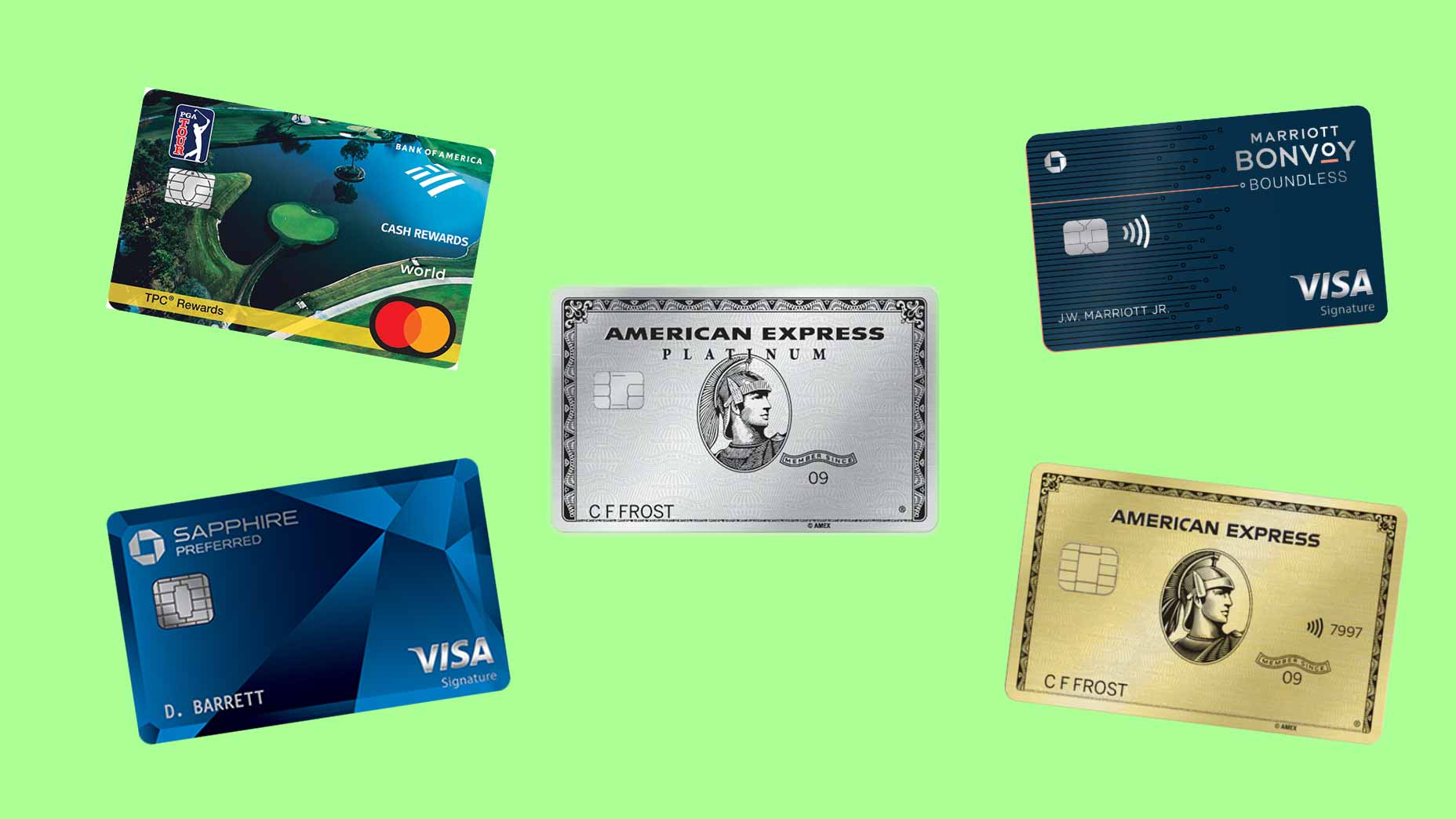
- Premium/Luxury Cards: Often come with high annual fees ($400-$695+), but offer an abundance of exclusive perks such as airport lounge access, statement credits for travel or dining, concierge services, elite status with travel partners, and comprehensive travel insurance. These are best suited for high-spenders who can fully leverage the benefits to offset the annual fee.
- Business Credit Cards: Designed for small business owners and entrepreneurs, these cards help separate personal and business expenses, simplify accounting, and offer rewards tailored to business spending (e.g., office supplies, internet services, advertising). They often come with higher credit limits and robust expense tracking tools.
Key Factors to Evaluate Before Applying
Once you’ve narrowed down your choices, a deeper dive into the fine print is essential. These factors can significantly impact the long-term value and cost-effectiveness of a credit card.
Annual Fees vs. Value Proposition
Some of the most rewarding cards come with an annual fee. The key is to determine if the benefits you receive (rewards, perks, credits) outweigh this cost. For instance, a card with a $95 annual fee that earns you $300 in rewards or travel credits annually is a net positive. However, a card with a high annual fee that you don’t fully utilize becomes a costly luxury. Many excellent cards offer no annual fee, especially cash back options.
Interest Rates (APR) and Their Impact
The Annual Percentage Rate (APR) is the interest you’ll be charged if you carry a balance. While rewards cards might offer attractive bonuses, their standard APRs can be quite high (18-25% or more). If you consistently pay your balance in full each month, the APR is less critical, as you won’t incur interest. However, if you anticipate carrying a balance, prioritize a card with a lower ongoing APR, even if it means sacrificing some rewards. Remember that introductory 0% APR offers eventually revert to a standard rate.
Sign-Up Bonuses and Introductory Offers
Many cards entice new cardholders with generous sign-up bonuses, often requiring you to spend a certain amount within the first few months. These can be incredibly valuable, offering hundreds of dollars in cash back or tens of thousands of points. However, ensure you can meet the spending requirement organically without overspending. Also, look at introductory 0% APR offers on purchases or balance transfers if that aligns with your financial goal.
Foreign Transaction Fees and Other Charges
If you travel internationally, a foreign transaction fee (typically 2-3% of each foreign purchase) can quickly add up. Many travel cards and some general rewards cards waive this fee. Also, be aware of other potential fees like late payment fees, cash advance fees, and penalty APRs, all of which should be avoided through responsible usage.
Cardholder Perks and Protections
Beyond rewards, many credit cards offer valuable ancillary benefits:
- Travel Benefits: Travel insurance (trip cancellation, interruption, baggage delay), rental car insurance, roadside assistance, and lost luggage protection.
- Purchase Protections: Extended warranty, purchase protection (against damage or theft), and return protection.
- Security Features: Fraud monitoring, zero liability policies, and virtual card numbers.
- Concierge Services: Assistance with dining reservations, event tickets, or travel planning.
These often-overlooked benefits can provide significant peace of mind and real-world value.
Strategic Application and Responsible Usage
Once you’ve identified your ideal card, the final steps involve smart application and a commitment to responsible credit management.
Research and Comparison Tools
Utilize reputable online financial comparison websites and tools. These platforms allow you to filter cards by criteria like credit score, reward type, annual fee, and APR, making it easier to compare options side-by-side. Read reviews from other users, but also consult expert financial opinions.
Applying Smart: Timing and Impact
- Don’t Apply for Too Many Cards at Once: Each application results in a “hard inquiry” on your credit report, which can temporarily lower your score. Spacing out applications (e.g., 6-12 months apart) is generally advisable.
- Be Honest: Provide accurate information on your application.
- Understand Terms: Read the fine print of the cardholder agreement before you sign.
Maintaining a Healthy Credit Score
The “best” credit card will only remain beneficial if you use it wisely.
- Pay On Time, Every Time: This is the most crucial factor in your credit score. Set up autopay or reminders.
- Pay in Full: Ideally, pay your statement balance in full each month to avoid interest charges.
- Keep Credit Utilization Low: Aim to use no more than 30% of your available credit (e.g., if your limit is $10,000, keep your balance under $3,000). Lower is better, with under 10% being excellent.
- Monitor Your Credit Report: Regularly check your credit reports for errors and signs of identity theft.
Avoiding Common Credit Card Pitfalls
- Overspending: Don’t let rewards tempt you into buying things you don’t need or can’t afford.
- Minimum Payments Only: Paying only the minimum can lead to accumulating significant interest and extending your debt for years.
- Ignoring Fees: Be aware of annual fees, foreign transaction fees, and other charges.
- Cash Advances: Avoid cash advances as they typically come with high fees and immediate, high interest rates.
The Best Credit Card is the Right Card for You
Ultimately, “what is the best credit card to get” is a question of alignment. It’s about finding the card that perfectly matches your current financial standing, spending habits, and long-term financial aspirations.
A Personalized Approach
Whether you’re a diligent debt payer seeking maximum cash back, a frequent traveler chasing premium perks, or someone diligently building a credit foundation, there’s a credit card designed for you. Take the time to understand your personal finances, research diligently, and choose a card that acts as a powerful tool, not a financial burden.
Evolving Needs, Evolving Choices
Remember that your financial needs and goals may evolve over time. What’s the best card for you today might not be the best five years from now. Regularly review your credit card portfolio to ensure your cards are still serving you effectively. Don’t hesitate to upgrade, downgrade, or switch cards as your life circumstances and financial objectives change. By taking a thoughtful, strategic approach, you can confidently answer the question for yourself and harness the true potential of responsible credit card usage.
aViewFromTheCave is a participant in the Amazon Services LLC Associates Program, an affiliate advertising program designed to provide a means for sites to earn advertising fees by advertising and linking to Amazon.com. Amazon, the Amazon logo, AmazonSupply, and the AmazonSupply logo are trademarks of Amazon.com, Inc. or its affiliates. As an Amazon Associate we earn affiliate commissions from qualifying purchases.