
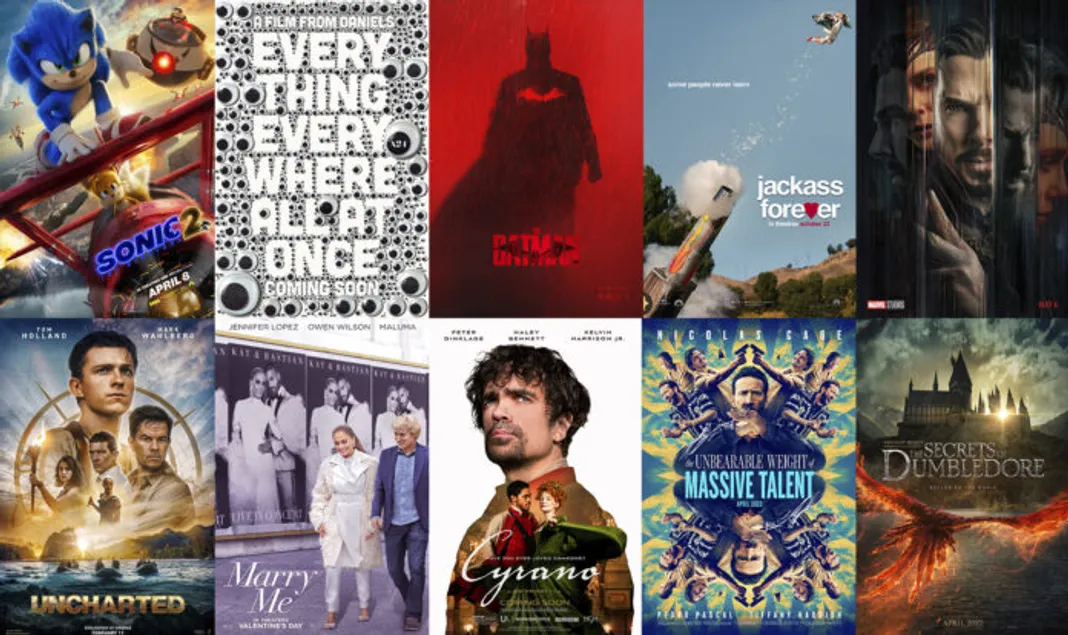
The cinematic experience has undergone a radical transformation over the last decade. When audiences today ask “what new movie in theater” is worth their time, they are no longer just inquiring about the script or the lead actors. They are subconsciously evaluating a suite of technological advancements that differentiate the theatrical experience from the convenience of home streaming. The modern movie theater is less of a simple screening room and more of a high-tech laboratory, integrating sophisticated hardware and software to deliver sensory experiences that were previously unimaginable. From the implementation of laser projection to the rise of AI-driven distribution models, technology is the silent protagonist of the modern cinema industry.
The Evolution of Visual Fidelity and Projection Technology
The core of the theatrical experience remains the visual impact. As home televisions reach 8K resolutions and utilize OLED technology, theaters have been forced to innovate to maintain their competitive edge. The shift from traditional xenon bulb projectors to RGB laser projection systems represents the most significant leap in theater technology since the transition from film to digital.
Laser Projection and the IMAX Experience
Standard digital projectors rely on high-intensity lamps that degrade over time, losing brightness and color accuracy. In contrast, RGB laser projection provides a consistent, ultra-bright image with a color gamut that far exceeds traditional standards. This technology allows for deeper blacks and a higher contrast ratio, ensuring that every detail in a high-budget blockbuster is visible even in the darkest scenes.
IMAX with Laser, for instance, utilizes a proprietary system that includes a suite of new technologies, such as a 12-channel sound system and a sub-pixel alignment system that keeps images sharp. For the consumer looking for the newest theatrical release, the “tech specs” of the theater are becoming as important as the movie itself. This high-fidelity projection is what makes the communal viewing experience superior to the compressed bitrates of 4K streaming services.
4K High Frame Rate (HFR) and HDR
While 4K has become the standard for new releases, the integration of High Frame Rate (HFR) technology is the new frontier. Traditional cinema is shot at 24 frames per second (fps). However, modern digital cameras and projectors can now handle 48, 60, or even 120 fps. When applied correctly, HFR reduces motion blur and increases clarity in fast-moving action sequences. Coupled with High Dynamic Range (HDR) standards tailored for large-format screens, theaters are now capable of displaying a range of light and color that mimics human vision more closely than ever before.
Immersive Soundscapes: Audio Engineering in the Modern Cinema
If the visuals are the soul of the movie, the audio is its heartbeat. The technology behind “what new movie in theater” is currently playing is often defined by its sound mix. We have moved past simple surround sound into the era of object-based audio, which treats every sound as an individual entity that can be precisely placed and moved within a three-dimensional space.
Dolby Atmos and Spatial Audio
Dolby Atmos has revolutionized theater audio by adding the dimension of height. By installing speakers overhead and using sophisticated algorithms, sound engineers can move a sound—whether it’s a bird chirping or a jet flying overhead—to a specific point in the room. This creates a “bubble” of sound that immerses the viewer. The software required to mix these tracks is incredibly complex, requiring massive computational power to ensure that the hundreds of audio objects stay synchronized with the visual action. This spatial audio technology is a primary driver for audiences to leave their homes, as replicating a 64-speaker Atmos setup is nearly impossible in a residential environment.
The Role of AI in Post-Production Sound
Artificial Intelligence is now being used to enhance sound clarity and create more realistic environments. AI tools can analyze dialogue tracks to remove background noise or even re-synthesize voices for international dubbing that maintains the original actor’s tone and emotion. When a new movie hits the theater, the audio has likely been processed through dozens of AI-enhanced plugins designed to optimize the frequency response for the specific acoustics of a large hall. This ensures that whether you are sitting in the front row or the back, the audio experience is uniform.
Digital Discovery: Apps and Software Reshaping the Theater-Going Experience
The journey of seeing a new movie begins long before the lights dim. The software ecosystem surrounding cinema—ranging from discovery apps to ticketing platforms—has streamlined how we interact with the film industry.

Aggregator Platforms and Real-Time Seating Algorithms
Apps like Fandango, Atom Tickets, and various theater-specific platforms use sophisticated APIs to provide real-time data on showtimes, seat availability, and trailer content. These platforms are not just digital storefronts; they are data-driven engines that use machine learning to suggest movies based on a user’s viewing history. By analyzing millions of data points, these apps can predict which “new movie in theater” will trend in specific demographics, allowing theaters to adjust their scheduling dynamically.
The Shift Toward Dynamic Pricing and Subscription Models
Software has also enabled a shift in the business model of theaters. Through the use of subscription-based apps like AMC Stubs A-List or Regal Unlimited, theaters use proprietary software to manage recurring billing, loyalty points, and reserved seating. More controversially, the industry is experimenting with dynamic pricing algorithms—similar to those used by airlines—where ticket prices may fluctuate based on the popularity of the film, the time of day, or the seat location. This level of financial and logistical management is only possible through robust back-end cloud infrastructure.
AI and the Future of Film Production and Distribution
Technology doesn’t just affect how we watch movies; it dictates what movies are made. The “new movie” you see in a theater today is likely a product of advanced computational filmmaking.
Generative AI and Virtual Production
The rise of “The Volume”—a massive circular LED screen used in virtual production—has replaced traditional green screens in many new releases. This technology, powered by real-time game engines like Unreal Engine, allows filmmakers to shoot live-action scenes within a digitally rendered environment. This not only improves the lighting on the actors but also significantly reduces the time needed in post-production.
Furthermore, generative AI is beginning to assist in visual effects (VFX). From de-aging actors to creating complex elemental effects like fire and water, AI tools are reducing the “render time” for blockbuster films. This allows studios to produce high-spectacle content faster, ensuring there is always a “new movie in theater” to keep the seats filled.
Predictive Analytics in Box Office Forecasting
Studios now use AI to determine which scripts to greenlight. By analyzing historical data, social media sentiment, and global trends, predictive analytics software can estimate the potential return on investment for a film before a single frame is shot. This technology influences everything from casting decisions to the specific date a movie is released in theaters. While critics argue this leads to “formulaic” filmmaking, it is an undeniable part of the tech-driven landscape of modern cinema.
The Smart Theater: IoT and Automation in Cinema Management
The physical theater building itself is becoming “smarter.” The integration of the Internet of Things (IoT) into cinema management has optimized the environment for both the staff and the audience.
Automated Projection and Maintenance Systems
Modern projectors are connected to the cloud, allowing manufacturers and theater technicians to monitor their health remotely. If a laser projector’s cooling system begins to fail or if a bulb is nearing the end of its life, the software sends an automated alert. In many cases, these systems can self-calibrate to ensure the brightness and color balance remain perfect for every screening. This automation ensures that the “new movie” looks exactly as the director intended, without the risk of human error during the projection process.

Enhancing Audience Comfort through Digital Infrastructure
From climate control systems that use occupancy sensors to adjust the temperature, to mobile ordering systems for concessions, the modern theater is a highly networked environment. Digital signage in the lobby uses real-time data to display countdowns to showtimes and promotional content that changes based on the time of day. Even the security systems have evolved, using digital surveillance and AI-driven crowd management software to ensure safety in high-traffic multiplexes.
As we look toward the future, the question of “what new movie in theater” to see will become even more intertwined with technology. We are entering an era of augmented reality (AR) lobbies, haptic feedback seating, and perhaps even more personalized viewing experiences. The theater is no longer just a place to watch a story; it is a high-tech gateway to another world, powered by the most advanced hardware and software available today. For the tech-savvy viewer, the “how” of the movie is becoming just as fascinating as the “what.”
aViewFromTheCave is a participant in the Amazon Services LLC Associates Program, an affiliate advertising program designed to provide a means for sites to earn advertising fees by advertising and linking to Amazon.com. Amazon, the Amazon logo, AmazonSupply, and the AmazonSupply logo are trademarks of Amazon.com, Inc. or its affiliates. As an Amazon Associate we earn affiliate commissions from qualifying purchases.