
Navigating the financial landscape of automotive lending can often feel like a complex puzzle, especially when the focus shifts from showroom-new models to the pre-owned market. For many consumers, the interest rate on a used car is the single most significant factor determining the long-term affordability of their purchase. Unlike new car loans, which often benefit from manufacturer-subsidized “teaser” rates or 0% APR promotions, used car interest rates are dictated by a rigorous matrix of risk assessment, market conditions, and individual financial health.
In the current economic climate, understanding these rates is not merely a matter of curiosity—it is a financial necessity. As central banks adjust monetary policy to combat inflation, the “cost of money” trickles down to every consumer loan product, with used vehicle financing feeling the impact acutely. To master your personal finances, you must understand how these rates are calculated, where the market stands today, and how you can position yourself to secure the most favorable terms possible.
Understanding the Current Landscape of Used Car Interest Rates
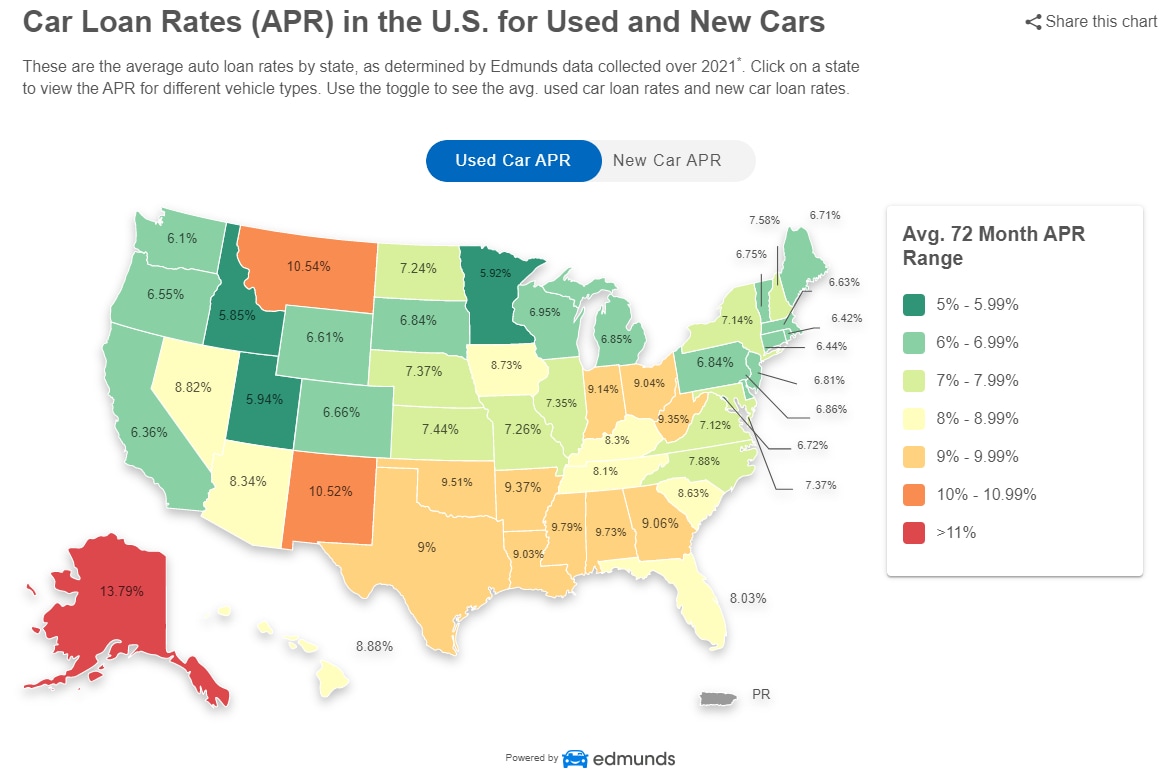
The interest rate on a used car is inherently different from that of a new vehicle. From a lender’s perspective, a used car represents a higher risk. This is primarily due to the uncertainty surrounding the asset’s residual value and the higher likelihood of mechanical failure that could lead to a borrower defaulting on the loan. Consequently, used car rates typically hover between 1% and 5% higher than their new-car counterparts for the same credit profile.
How Market Volatility Affects Your Monthly Payment
Interest rates are not static; they are highly sensitive to the broader macroeconomic environment. The Federal Reserve’s federal funds rate serves as a benchmark for the prime rate, which in turn influences the interest rates offered by commercial banks and credit unions. When the Fed raises rates to cool an overheating economy, the cost of borrowing for a used car climbs almost immediately.
For the average consumer, a shift of even 2% in an interest rate can have a cascading effect on a monthly budget. On a $25,000 used car loan with a 60-month term, the difference between a 5% interest rate and an 8% interest rate is roughly $1,500 over the life of the loan. This makes the timing of your purchase and the thoroughness of your rate-shopping critical components of your financial strategy.
Used vs. New: The Financing Gap
The financing gap between new and used vehicles is largely driven by the collateral’s reliability. Lenders view new cars as predictable assets with manufacturer warranties. Used cars, however, have varied histories. Because the risk of “negative equity”—where you owe more than the car is worth—is higher with used vehicles due to their shorter remaining lifespan, lenders compensate for that risk by charging a higher premium on the interest.
Key Factors That Dictate Your Specific Interest Rate
While market trends provide a baseline, your individual interest rate is tailored to your specific financial profile. Lenders use several data points to determine your “risk score,” which ultimately dictates the APR (Annual Percentage Rate) you are offered.
The Role of Credit Scores and Tiers
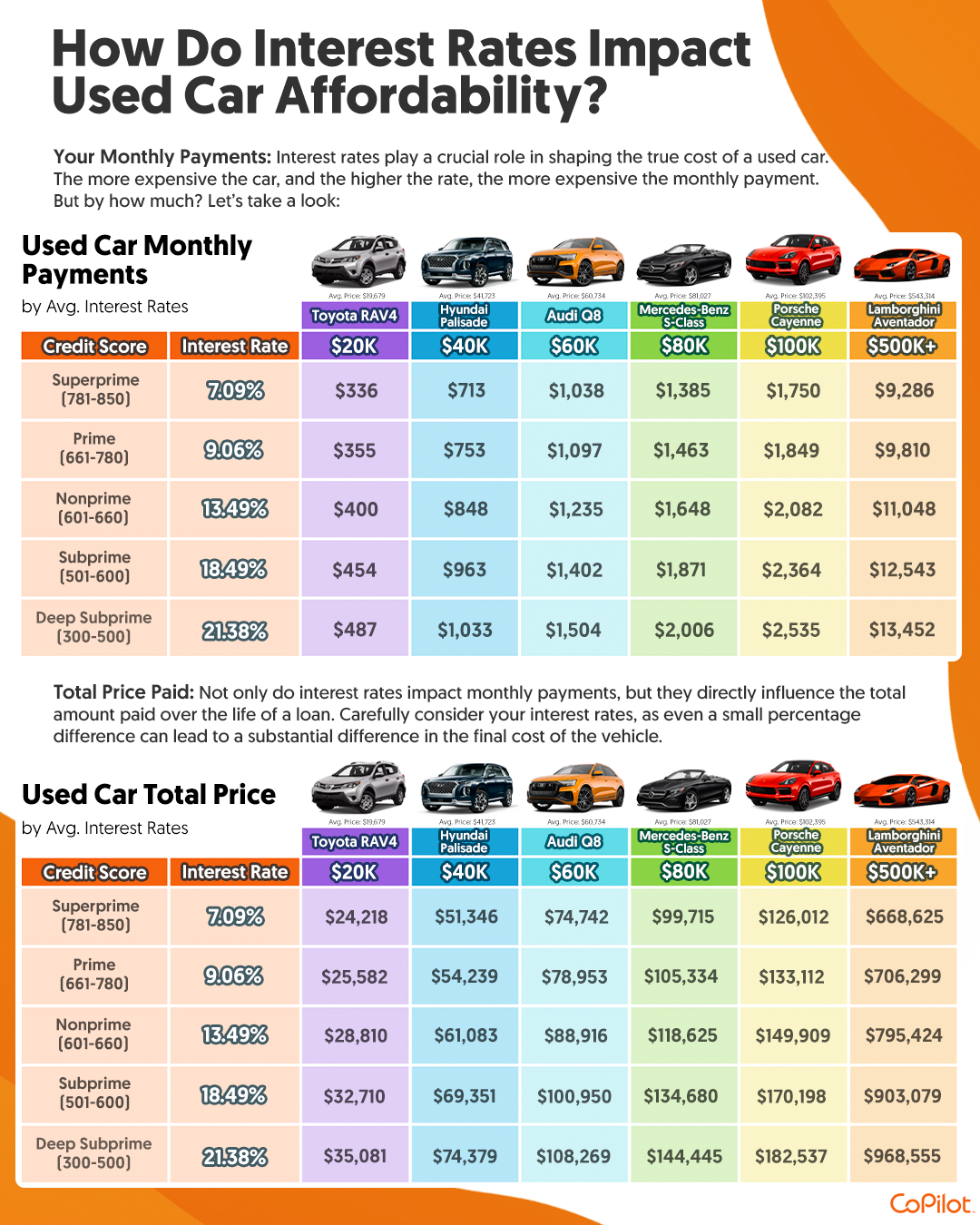
Your credit score is the most influential factor in the rate-setting process. Lenders generally categorize borrowers into “tiers”:
-
Super-prime (781-850): These borrowers receive the lowest possible rates, often very close to the market’s floor.
-
Prime (661-780): These borrowers still receive competitive rates but may see a slight premium compared to super-prime.
-
Non-prime and Subprime (501-660): Rates begin to climb significantly here, as lenders view these borrowers as having a higher probability of delinquency.
-
Deep Subprime (300-500): Interest rates in this tier can often reach into the high teens or even 20% range, making the loan an extremely expensive financial burden.
Maintaining a high credit score is the most effective way to lower the total cost of vehicle ownership. Even a 50-point increase in your score can move you into a higher tier, potentially saving you thousands of dollars in interest charges.
Vehicle Age and Mileage Considerations
The vehicle itself plays a role in the interest rate calculation. Generally, the older the vehicle and the higher its mileage, the higher the interest rate will be. Many lenders have “cut-off” points—for example, they may refuse to finance vehicles older than ten years or those with over 100,000 miles. For vehicles that do qualify, the lender may add a “risk premium” to the rate because the asset is more likely to lose its functional value before the loan is fully repaid.
Loan-to-Value Ratio and Down Payments
The Loan-to-Value (LTV) ratio is the amount you are borrowing compared to the actual value of the car. If you are financing 100% of the purchase price (or more, to cover taxes and fees), the lender is at high risk. By providing a substantial down payment—ideally 20% or more—you lower the LTV ratio. Lenders often reward this reduced risk with a lower interest rate, as you have “skin in the game” and the loan is better secured by the vehicle’s value.
Where to Find the Best Used Car Loans
Securing the best rate requires looking beyond the dealership’s finance office. While dealership financing is convenient, it is rarely the most cost-effective option.
Credit Unions: The Local Advantage
For many used car buyers, credit unions offer the most competitive rates. Because credit unions are member-owned, not-for-profit organizations, they typically return their profits to members in the form of lower loan rates and higher savings yields. Credit unions are also often more flexible with their lending criteria, sometimes offering better terms to members with less-than-perfect credit who have a long-standing relationship with the institution.
Online Lenders and Fintech Innovations
The rise of financial technology has introduced a wave of online lenders that specialize in auto financing. These platforms often have lower overhead costs than traditional brick-and-mortar banks, allowing them to pass those savings on to consumers. Many online lenders offer “soft pull” pre-approvals, allowing you to see your potential interest rate without impacting your credit score, which is an invaluable tool for comparison shopping.
The Pros and Cons of Dealership Financing
Dealerships often act as intermediaries, sending your loan application to a network of captive lenders (like Ford Credit or Toyota Financial Services) or partner banks. The primary disadvantage is “interest rate markup.” A dealer may be approved to offer you a 6% rate but present you with an 8% rate, pocketing the difference as profit. However, for those with excellent credit, dealerships sometimes have access to regional promotions that can occasionally beat bank rates. The key is to walk into the dealership with a pre-approval from an outside bank to use as leverage.
Strategies to Secure a Lower Rate in a High-Interest Environment
If you find yourself shopping for a used car during a period of high interest rates, you aren’t necessarily stuck with a high-cost loan. Several tactical moves can help mitigate the impact of the market.
Improving Your Debt-to-Income Ratio
Beyond your credit score, lenders look at your Debt-to-Income (DTI) ratio. This measures how much of your monthly gross income goes toward paying off existing debts. If your DTI is too high, lenders may view a car loan as a bridge too far, increasing your interest rate to account for the risk of default. Paying down high-interest credit card debt before applying for a car loan can improve your DTI and potentially lead to better financing offers.
The Impact of Shortening Your Loan Term
While a 72-month or 84-month loan results in a lower monthly payment, it almost always comes with a higher interest rate and a significantly higher total interest cost. By choosing a 36-month or 48-month term, you demonstrate to the lender that you intend to pay off the asset quickly. In exchange, lenders usually offer a lower APR. This “shorter-term, lower-rate” strategy is one of the most effective ways to reduce the total price of the vehicle.
Considering a Co-signer
For younger buyers or those rebuilding their credit, a co-signer with a strong credit history can be a game-changer. A co-signer legally agrees to take responsibility for the loan if you default. This allows the lender to base the interest rate on the co-signer’s superior credit profile, often resulting in a rate that is several percentage points lower than what the primary borrower could achieve alone.
The Long-Term Financial Impact of Your Interest Rate
It is easy to focus on the sticker price of a used car, but the interest rate dictates the true cost of the investment. From a personal finance perspective, a car is a depreciating asset, meaning its value drops over time. High interest rates exacerbate this problem by increasing your total outlay for an asset that is losing value every day.
Total Cost of Ownership vs. Sticker Price
When evaluating a used car, you must calculate the Total Cost of Ownership (TCO). This includes the purchase price, taxes, registration, maintenance, insurance, and interest payments. A $20,000 car at a 12% interest rate is actually a $26,000 car over a five-year term. By focusing on the interest rate, you are effectively negotiating the “future price” of your vehicle.
When to Consider Refinancing Your Auto Loan
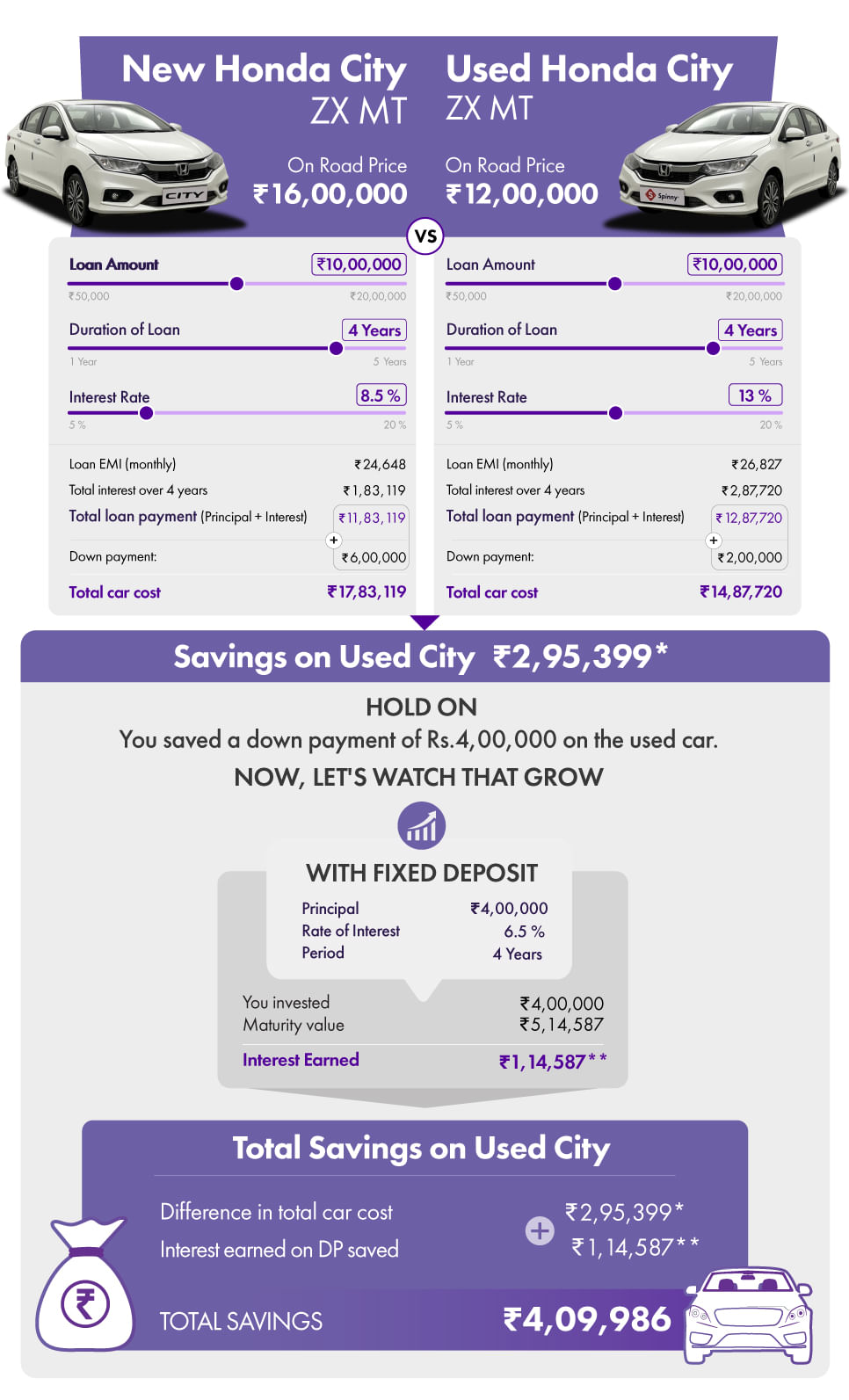
If you are forced to accept a high interest rate due to poor credit or urgent need, you aren’t necessarily locked into that rate for the duration of the loan. Refinancing is a powerful tool. If your credit score improves by 50 to 100 points after a year of consistent payments, or if market interest rates drop, you can apply for a new loan to pay off the old one. Refinancing from a 10% rate to a 5% rate halfway through a loan can save hundreds, if not thousands, of dollars and significantly shorten your path to full ownership of the vehicle.
In conclusion, the interest rate on a used car is a dynamic figure influenced by your personal financial health, the specific characteristics of the vehicle, and the overarching economic climate. By understanding these variables and aggressively shopping for the best terms, you can ensure that your next vehicle purchase is a sound financial decision rather than a long-term debt burden. Knowledge, preparation, and a focus on the total cost of borrowing are your best tools for navigating the used car market successfully.
aViewFromTheCave is a participant in the Amazon Services LLC Associates Program, an affiliate advertising program designed to provide a means for sites to earn advertising fees by advertising and linking to Amazon.com. Amazon, the Amazon logo, AmazonSupply, and the AmazonSupply logo are trademarks of Amazon.com, Inc. or its affiliates. As an Amazon Associate we earn affiliate commissions from qualifying purchases.