
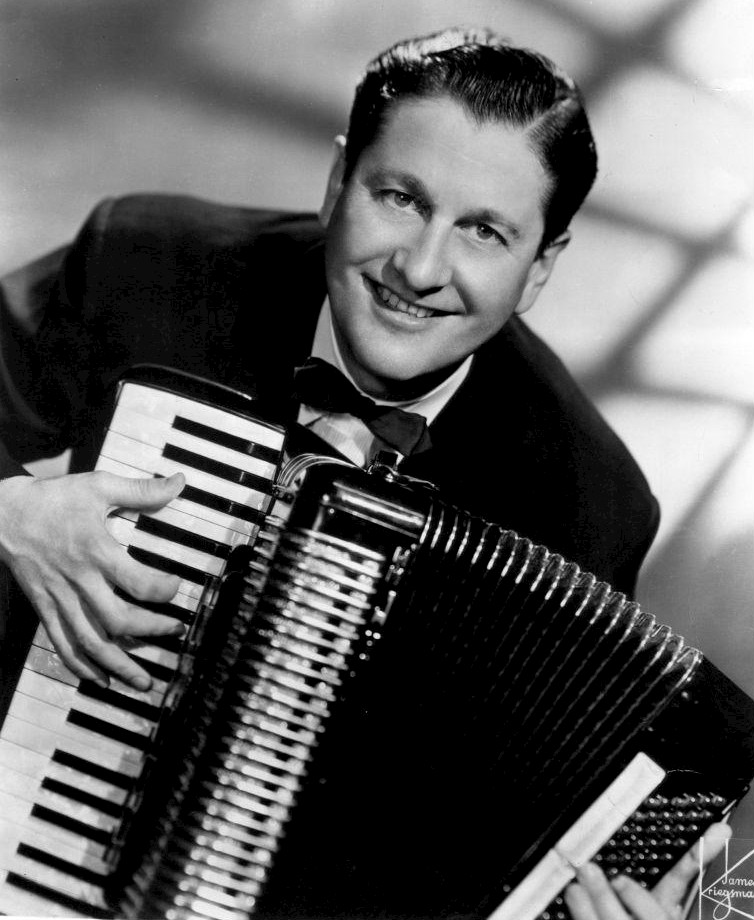
Lawrence Welk, the beloved bandleader and television personality synonymous with wholesome “Champagne Music,” was an American by birth, though his heritage ran deep with the traditions of his German ancestors. Born on March 11, 1903, in Strausburg, North Dakota, Welk was a first-generation American, growing up in a close-knit community of ethnic Germans who had immigrated from Odessa, a city then part of the Russian Empire (modern-day Ukraine). This dual identity—firmly American yet profoundly shaped by his German roots—was a cornerstone of his persona, his entrepreneurial spirit, and ultimately, the enduring brand he built. To truly understand Welk’s nationality and its broader implications, we must look beyond a simple geographical answer and explore how his origins intersected with the burgeoning worlds of technology, personal branding, and shrewd financial management that defined his extraordinary career.
The Roots of an American Icon: A Dual Heritage
Lawrence Welk’s life story is a quintessential American immigrant narrative, albeit one beginning with his parents rather than himself. His upbringing deeply influenced not only his personal values but also his strategic approach to entertainment, business, and connecting with a broad audience.
Born in the USA: The American Identity
Lawrence Welk’s birth in Strausburg, North Dakota, unequivocally made him an American citizen. His early life in the rural Midwest was characterized by hard work on the family farm, a common experience for many immigrant families striving to build a new life in the United States. This environment fostered a strong sense of self-reliance, discipline, and community—values that Welk would later champion throughout his career. His decision to pursue music, initially against his father’s wishes, was itself an act of American individualism, breaking away from traditional agricultural expectations to forge a unique path. His music, while often leaning into a polka-infused style reminiscent of European folk, was presented through a distinctly American lens of accessible, family-friendly entertainment, embodying a particular facet of American culture at the time. This fusion allowed him to resonate with a diverse, multi-ethnic audience that saw reflections of their own immigrant journeys or traditional values in his show.
German Ancestry: Echoes from the Old World
The “German” aspect of Welk’s identity stems entirely from his parents, Ludwig and Christina Welk. They were among the thousands of ethnic Germans, often referred to as Volga Germans or Black Sea Germans, who had settled in parts of the Russian Empire for generations before migrating to the United States in search of religious freedom and economic opportunity. These communities maintained a strong cultural identity, speaking German, practicing their specific religious traditions, and often marrying within their group. Growing up, Welk’s first language was German, and he didn’t learn English until he was in his early twenties. This immersion in German language and culture undoubtedly shaped his musical preferences, his appreciation for traditional melodies, and even his disciplined, methodical approach to business. The polka, a dance and musical genre with Central European roots, was a staple of his early performances and remained a beloved element of his “Champagne Music” brand, a direct link to his ancestral heritage.
Cultural Synthesis: From North Dakota to National Stardom
The unique blend of his American birth and deep German heritage created a powerful cultural synthesis that fueled Welk’s ascent. He leveraged his understanding of traditional, wholesome entertainment, often associated with his heritage, and adapted it for a broad American audience through modern technological platforms. His early career saw him touring with various bands, honing his craft and developing his distinctive sound. This period was crucial for understanding audience preferences and learning the ropes of the entertainment business. The “Champagne Music” moniker, conceived in the 1930s, became a sophisticated brand that transcended its humble, ethnic roots, offering an accessible, polished sound that appealed to a wide demographic seeking relief from the anxieties of the Great Depression and later, the cultural upheavals of the mid-20th century. Welk’s journey from a German-speaking farm boy in North Dakota to a nationally syndicated television star exemplifies the potential for cultural blending to create something uniquely American, a story that resonates even today in our diverse and interconnected world.
The Welk Brand: Crafting “Champagne Music” in a Shifting Media Landscape
Lawrence Welk was a master of personal and corporate branding long before these terms became commonplace in marketing textbooks. His success wasn’t merely about musical talent; it was about meticulously cultivating an image, a sound, and an experience that resonated deeply with a specific, yet broad, segment of the American public.
Branding for Longevity: Consistency and Trust
At the heart of the Lawrence Welk brand was an unwavering commitment to consistency and trustworthiness. “Champagne Music” wasn’t just a catchy phrase; it was a promise. It signified light, bubbly, easy-listening orchestral music, free from the perceived vulgarity or rebelliousness of rock and roll. This brand promise extended to every aspect of his show: the impeccably dressed performers, the clean-cut aesthetic, the family-friendly humor, and the overall atmosphere of wholesome entertainment. In an era marked by rapid social and cultural change, Welk offered a comforting antidote, a nostalgic embrace of traditional values. This consistent brand identity built immense loyalty among his audience, many of whom tuned in weekly for decades. For modern businesses, Welk’s legacy underscores the power of a clear value proposition and sustained brand integrity in fostering long-term customer relationships, proving that authenticity and reliability can be more powerful than fleeting trends.
Leveraging Technology for Brand Reach: The Television Era
Welk’s genius lay not only in crafting his brand but also in his prescient understanding of how to leverage emerging technologies to expand its reach. While he began his career in the age of radio, it was television that truly cemented his status as a national icon. Starting in 1951 with local broadcasts in Los Angeles, The Lawrence Welk Show quickly expanded to national syndication by 1955. Welk recognized TV’s unique ability to bring his “family” of performers directly into American living rooms, fostering a personal connection that radio couldn’t achieve. He understood the visual medium, presenting a polished, clean, and optimistic image that perfectly aligned with his brand.
From a technological standpoint, Welk’s early adoption and mastery of television broadcasting were pivotal. He adapted his orchestra’s sound for the new medium, utilizing early recording and sound mixing technologies to ensure a consistent audio quality. He also used the visual format to highlight individual performers, creating mini-brands within his larger brand, each with their own fan base. This strategic use of nascent broadcast technology allowed him to bypass traditional music industry gatekeepers to a significant extent, building a direct relationship with his audience, much like how social media and streaming platforms enable direct artist-to-fan connections today. His career trajectory offers a fascinating case study for how technological disruption can be harnessed to build and scale a brand.
Niche Marketing Before Its Time: Catering to a Loyal Audience

While The Lawrence Welk Show achieved national prominence, it increasingly carved out a powerful niche as mainstream tastes shifted towards rock, pop, and more diverse genres. Welk instinctively understood his core demographic: older Americans, often from rural or traditional backgrounds, who appreciated his brand of music and values. Instead of trying to chase fleeting trends, he doubled down on catering specifically to this loyal audience. This was niche marketing in its purest form, long before the advent of sophisticated digital analytics or targeted advertising. When ABC canceled his show in 1971, citing a desire for younger demographics, Welk demonstrated remarkable entrepreneurial agility. He syndicated the show himself, continuing production and distribution through independent stations, effectively proving that his niche audience was large and dedicated enough to sustain the program without network backing. This move was a financial and branding triumph, illustrating that deep engagement with a specific audience can be more valuable than superficial appeal to a mass market, a lesson highly relevant for today’s content creators and brand strategists operating in an increasingly fragmented media landscape.
A Maestro of Money: Building an Entertainment Empire
Beyond the music and the meticulous branding, Lawrence Welk was an astute businessman with a keen understanding of personal finance, investment, and the economics of the entertainment industry. His story is not just one of musical success, but also of building a significant financial empire through strategic decisions and hard work.
Financial Acumen in the Music Business
Welk’s early life experiences, including buying his first accordion with money earned from farm labor and a loan from his uncle, instilled in him a strong sense of financial discipline and an understanding of the value of money. Throughout his career, he made prudent financial decisions, carefully managing his band’s finances and investing wisely. He understood the economics of touring, recording, and broadcasting. Rather than being solely a creative artist, Welk was a hands-on manager of his enterprise, negotiating contracts, overseeing production costs, and ensuring profitability. He was known for paying his musicians well but also demanding high standards and commitment. This blend of artistic vision and financial pragmatism allowed him to maintain control over his content and brand, avoiding the pitfalls that many artists faced when ceding too much financial control to record labels or studios. His ability to self-syndicate his show after its network cancellation in 1971 is perhaps the clearest testament to his financial and business savvy, turning a potential career-ending blow into a renewed path to profitability and independence.
Diversifying Investments: Beyond the Airwaves
Welk’s financial strategy extended beyond his direct entertainment income. He was an early believer in diversifying his investments. A significant portion of his wealth was channeled into real estate, particularly in California. He owned various properties, including the Lawrence Welk Country Club Village in Escondido, California, a resort and retirement community which became a physical manifestation of his brand and an additional revenue stream. This forward-thinking approach to investment provided stability and growth that transcended the often volatile nature of the entertainment industry. For anyone interested in personal finance, Welk’s example highlights the importance of not putting all your eggs in one basket and seeking opportunities outside your primary income source. His financial success wasn’t just about earning a lot of money from his show; it was about intelligently deploying that capital to build lasting wealth and create a legacy that extended far beyond his musical performances.
The Economic Impact of “The Welk Show”
The Lawrence Welk Show was more than just a television program; it was an economic engine. It created jobs for dozens of musicians, singers, dancers, producers, technicians, and support staff for decades. The show’s popularity also fueled the sales of records, sheet music, and merchandise, contributing to the broader music industry’s economy. Moreover, Welk’s ventures into real estate, like his resort village, created local jobs and attracted tourism, further demonstrating his broader economic influence. The consistent, wholesome nature of his brand also meant that associated businesses, from advertisers to local stations carrying the show, could rely on a stable, family-friendly environment for their messaging. In an era when celebrity endorsements and brand partnerships are ubiquitous, Welk’s career illustrates how a strong personal brand, when managed with financial foresight, can create a significant economic footprint, benefiting not only the individual but also a wider ecosystem of related industries and communities.
The Enduring Legacy: Welk in the Digital Age
While Lawrence Welk passed away in 1992, his music, brand, and business lessons continue to resonate. In the digital age, his legacy is being preserved and, in some ways, rediscovered, offering timeless principles for modern entrepreneurs navigating the complexities of technology, branding, and finance.
Archiving History: Preserving the Welk Brand Through Tech
The technological advancements of the 21st century have played a crucial role in preserving the vast archive of The Lawrence Welk Show. Digitization efforts have converted thousands of hours of classic performances from analog tape to digital formats, making them accessible for future generations. Online streaming platforms, dedicated fan websites, and even channels like PBS continue to broadcast and distribute his content. This digital preservation is a testament to the foresight of those who recognized the cultural and historical significance of his work. It also highlights how modern tech can ensure the longevity of a brand, allowing content from decades past to remain relevant and discoverable. For businesses and creators today, it underscores the importance of robust digital asset management and strategic content distribution to secure a lasting presence in a rapidly evolving media landscape.
Reaching New Audiences: Digital Platforms and Niche Content
Ironically, the very niche marketing strategy Welk perfected in the analog era finds new life and expanded potential in the digital age. While Welk’s primary audience has aged, digital platforms and algorithmic recommendations allow his music and show clips to be discovered by younger generations, often through viral moments or curated nostalgia channels. His music, once seen as “square,” is sometimes re-evaluated with a sense of ironic appreciation or genuine interest in a different era of entertainment. Niche communities on YouTube, social media, and streaming services dedicated to vintage music or specific cultural touchstones provide new avenues for the Welk brand to connect with both existing fans and curious newcomers. This demonstrates that even a brand built on traditional values can find new relevance and audiences through modern digital tools, proving that authentic content, regardless of its origin, can always find its tribe online.

Lessons from Welk: Timeless Principles for Modern Entrepreneurs
Lawrence Welk’s multi-faceted career offers invaluable lessons for contemporary entrepreneurs in the tech, brand, and money sectors. His story teaches the importance of:
- Building a strong, authentic brand: Consistency, clear values, and a reliable promise create lasting loyalty.
- Embracing technological change: Early adoption and adaptation to new platforms (radio, TV, now digital) are crucial for reach and relevance.
- Financial prudence and diversification: Smart money management, investing beyond core business, and understanding market economics lead to sustained success.
- Understanding your audience: Niche marketing, even before the data-driven era, can create powerful, dedicated communities.
- Resilience and adaptability: Turning setbacks (like network cancellation) into opportunities through entrepreneurial spirit.
In essence, Lawrence Welk, the American born of German heritage, wasn’t just a musician; he was a pioneering media mogul, a brand architect, and a shrewd financial manager. His life story serves as a compelling blueprint for how a clear vision, combined with strategic application of tech, brand, and money principles, can build an enduring legacy, regardless of one’s background or the era in which they operate. His nationality, therefore, becomes not just a simple answer to a question, but a starting point for understanding a remarkable journey of self-made success.
aViewFromTheCave is a participant in the Amazon Services LLC Associates Program, an affiliate advertising program designed to provide a means for sites to earn advertising fees by advertising and linking to Amazon.com. Amazon, the Amazon logo, AmazonSupply, and the AmazonSupply logo are trademarks of Amazon.com, Inc. or its affiliates. As an Amazon Associate we earn affiliate commissions from qualifying purchases.