
In the modern marketplace, a brand is no longer defined merely by the products it sells or the services it provides. Instead, a brand is a living entity, an emotional construct that occupies a specific space in the consumer’s subconscious. To achieve true market resonance, successful companies move beyond functional benefits and lean into the power of archetypal storytelling. When we ask the question, “What mythical beast are you?” we are not engaging in a whimsical exercise. We are identifying the core strategic identity—the brand archetype—that dictates how a company communicates, competes, and captures the imagination of its audience.
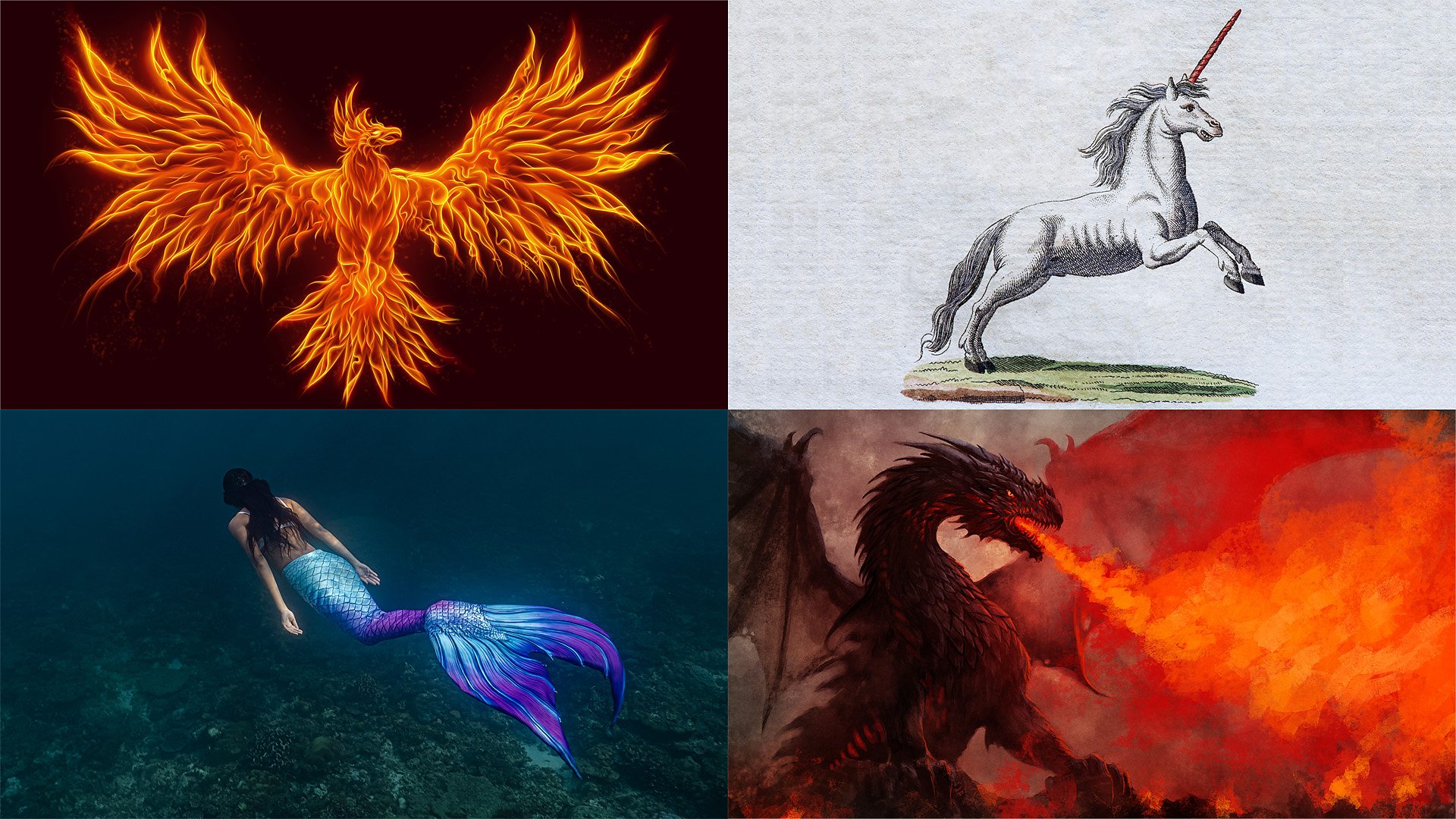
In brand strategy, leveraging the imagery and characteristics of mythical creatures allows a business to tap into ancient narratives that are already hardwired into human psychology. Whether your brand is a Phoenix rising from the ashes of a disrupted industry or a Dragon guarding a legacy of luxury and tradition, identifying your “mythical beast” is the first step toward building an indubitable corporate identity.
The Strategic Importance of Brand Archetypes
The concept of archetypes, popularized by Swiss psychiatrist Carl Jung, suggests that there are universal, inborn models of people, behaviors, and personalities that play a role in influencing human behavior. In the context of branding, these archetypes serve as a North Star for every creative and strategic decision.
Beyond the Logo: The Soul of Your Identity
Many businesses make the mistake of believing their brand is their logo or their color palette. In reality, these are merely the garments the brand wears. The true identity—the “mythical beast” within—is the soul of the organization. It is the set of values, the tone of voice, and the mission that drives every interaction.
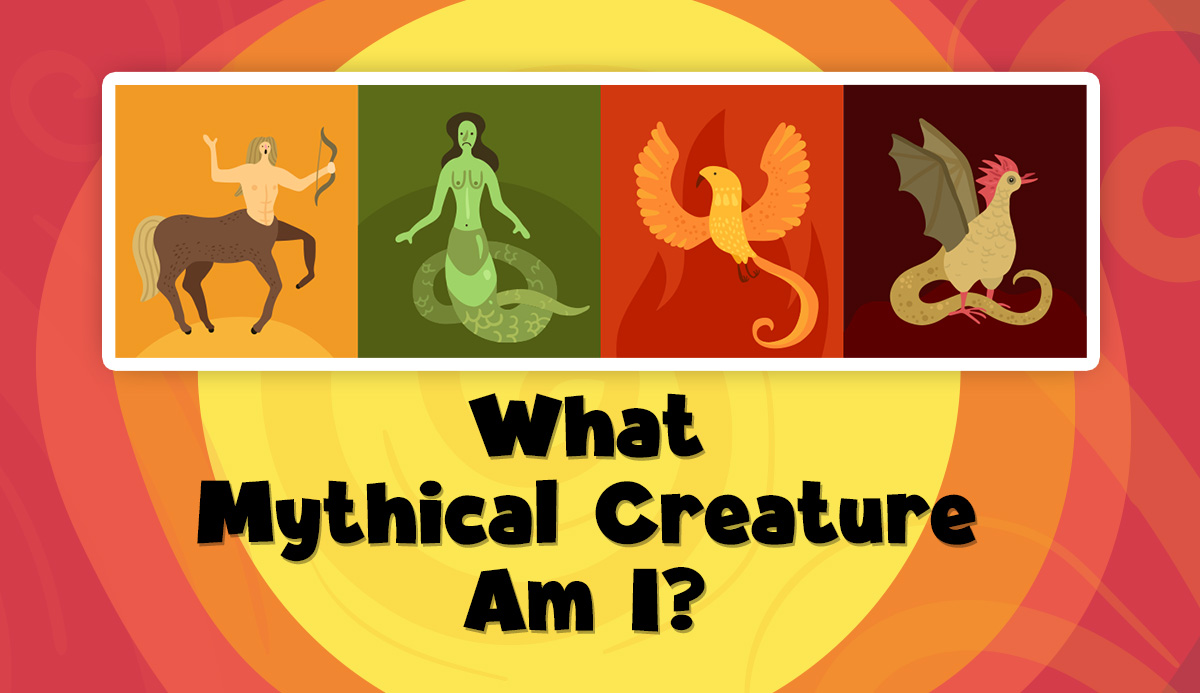
When a brand identifies with a specific mythical archetype, it gains clarity. A brand that views itself as a Centaur—half human intellect, half wild power—understands that its marketing must balance high-level data with raw, visceral energy. This clarity eliminates internal friction and ensures that every department, from product development to social media management, is pulling in the same direction.
Why Archetypes Matter in a Saturated Market
We live in an era of information parity and product ubiquity. For almost every product on the market, there is a competitor offering a similar feature set at a similar price point. In this environment, logical appeals to “better, faster, cheaper” often fall flat.
Archetypes provide a shortcut to consumer trust. By embodying a recognizable mythical persona, a brand can bypass the analytical brain and speak directly to the emotional centers of the consumer. Humans are storytelling animals; we are far more likely to remember a legend than a spreadsheet. By defining which mythical beast your brand represents, you transform your business from a commodity into a character in the customer’s life story.
Identifying Your Mythical Persona: A Taxonomy of Brand Power
To determine which mythical beast your brand embodies, you must look at your core motivations, your competitive stance, and the “gift” you provide to your customers. Each archetype carries its own set of strengths, weaknesses, and communication styles.
The Phoenix: The Brand of Constant Rebirth and Innovation
The Phoenix is the archetype of transformation. This brand thrives on disruption and is often found in the tech or sustainability sectors. The Phoenix does not fear the end of an era; it embraces it as the fuel for the next evolution.
A Phoenix brand is characterized by its resilience and its ability to reinvent itself when market conditions shift. Think of a legacy tech giant that successfully pivoted from hardware to cloud services, or a retail brand that collapsed only to emerge as a digital-first powerhouse. The Phoenix tells its audience: “The old ways are burning away, and we are leading you into the new dawn.” Its marketing is aspirational, focused on growth, renewal, and the future.
The Dragon: The Protector of Value and Heritage
The Dragon is the guardian of the “hoard”—in corporate terms, this refers to heritage, luxury, and unparalleled craftsmanship. Dragon brands do not seek to be everything to everyone. Instead, they position themselves as the ultimate authorities in their niche, protecting a standard of excellence that others cannot reach.
These brands are often found in luxury automotive, high-end horology, or private banking. A Dragon brand’s power comes from its exclusivity and its history. Its tone of voice is commanding, sophisticated, and slightly aloof. It does not chase customers; it waits for those who are worthy of its treasures. The Dragon brand provides the customer with a sense of status and the security of knowing they possess something truly rare.
The Griffin: The Hybrid of Versatility and Strength
The Griffin, with the body of a lion and the head of an eagle, represents the perfect union of two worlds. In branding, the Griffin archetype is the “Hybrid Powerhouse.” This is the brand that masters two seemingly disparate disciplines—such as technology and design, or data science and creative storytelling.
Griffin brands are often B2B leaders or high-performance consumer brands. They appeal to the customer’s need for both reliability (the lion) and vision (the eagle). If your brand is a Griffin, your strategy should focus on “The Best of Both Worlds.” You are the partner who offers the stability of a giant with the agility of a startup. Your visual identity should reflect this duality—balanced, symmetrical, and formidable.
The Unicorn: The Rare Disruptor of the Status Quo
While “Unicorn” has become a financial term for billion-dollar startups, in brand strategy, it represents the archetype of the “Pure Original.” The Unicorn brand is ethereal, magical, and seemingly impossible. It offers a solution that no one thought could exist, often creating an entirely new category in the process.
The Unicorn brand relies on wonder and discovery. It doesn’t just improve on an existing model; it renders the old model obsolete. Its brand strategy is centered on “The Magic of Innovation.” To be a Unicorn, a brand must maintain a sense of mystery and high-level aesthetic appeal. It attracts “Early Adopters” who want to be associated with the cutting edge of human creativity.
Mapping Archetypes to Consumer Psychology
Once you have identified your mythical beast, the next step is understanding how that identity interacts with your target audience. Every mythical archetype fulfills a specific psychological need for the consumer.
Building Emotional Resonances
A brand that identifies as a Phoenix fulfills the consumer’s need for hope and personal growth. A brand that identifies as a Dragon fulfills the need for significance and security. When your brand’s “beast” aligns with the consumer’s internal desires, you move from being a vendor to being a partner in their identity formation.
This resonance is built through consistent narrative beats. If you are a Phoenix brand, your content should focus on “the comeback,” “the breakthrough,” and “the transformation.” If you deviate from this—for example, by becoming too conservative or risk-averse—you break the psychological contract with your audience, leading to brand dilution.
The Role of Narrative in Customer Loyalty
Loyalty is not born from transactions; it is born from shared stories. When a customer buys from a brand, they are essentially “casting” themselves in a role within that brand’s mythos. The customer of a Dragon brand isn’t just buying a watch; they are becoming a “Protector of Legacy.” The user of a Unicorn brand’s app isn’t just seeking a utility; they are becoming a “Visionary.”
By maintaining the integrity of your mythical archetype, you provide customers with a consistent narrative framework. This makes it easier for them to remain loyal because switching brands would mean switching their own self-narrative.
Implementing Your Mythical Identity Across Channels
Identifying your mythical beast is a strategic exercise, but bringing it to life is an operational one. Every touchpoint of the brand must reflect the chosen archetype.
Visual Language and Design Cues
The “look and feel” of your brand must align with your mythical beast.
- The Phoenix: High contrast, vibrant oranges and reds, fluid shapes, and imagery that suggests movement and upward trajectory.
- The Dragon: Deep, saturated colors like gold, forest green, or midnight blue. Materials that suggest weight and permanence, such as stone, leather, or heavy paper stocks.
- The Griffin: Clean lines, geometric precision, and a mix of organic and industrial textures.
- The Unicorn: Pastel gradients, iridescent finishes, minimalist typography, and plenty of “white space” to create a sense of the ethereal.
Tone of Voice: Speaking the Language of the Legend
The way your brand speaks is the most direct way to communicate its archetype. A Phoenix brand should sound energetic, inspiring, and perhaps a bit defiant. It uses active verbs and future-tense language.
A Dragon brand speaks with the “Voice of Authority.” It is economical with words, avoiding slang or overly emotional pleas. It uses language that emphasizes timelessness and precision.
A Griffin brand is the “Expert Communicator.” Its voice is balanced—professional yet accessible, technical yet human. It explains complex ideas with the grace of an eagle and the confidence of a lion.
Conclusion: The Long-Term Value of Mythic Branding
In the digital age, where brands are built and destroyed in the span of a few viral cycles, having a “mythical” core provides a level of stability that data alone cannot offer. By defining whether you are a Phoenix, a Dragon, a Griffin, or a Unicorn, you provide your organization with a timeless blueprint for growth.
This archetypal approach to branding ensures that your company is not just a participant in the market, but a legendary presence within it. When your internal team and your external audience both understand the mythical beast you represent, you create a brand equity that is resilient, recognizable, and ultimately, immortal. The question “What mythical beast are you?” is not a game—it is the foundation of your legacy.
aViewFromTheCave is a participant in the Amazon Services LLC Associates Program, an affiliate advertising program designed to provide a means for sites to earn advertising fees by advertising and linking to Amazon.com. Amazon, the Amazon logo, AmazonSupply, and the AmazonSupply logo are trademarks of Amazon.com, Inc. or its affiliates. As an Amazon Associate we earn affiliate commissions from qualifying purchases.