
The allure of the Powerball jackpot is a central fixture of American financial culture, often capturing the imagination of millions when the prize climbs into the hundreds of millions or even billions of dollars. However, the number splashed across billboards and news tickers—the “advertised jackpot”—is rarely the amount that ends up in a winner’s bank account. For those navigating the complexities of personal finance and sudden wealth management, understanding the distinction between the nominal jackpot and the actual cash payout is the first step in a much larger journey toward long-term fiscal stability.
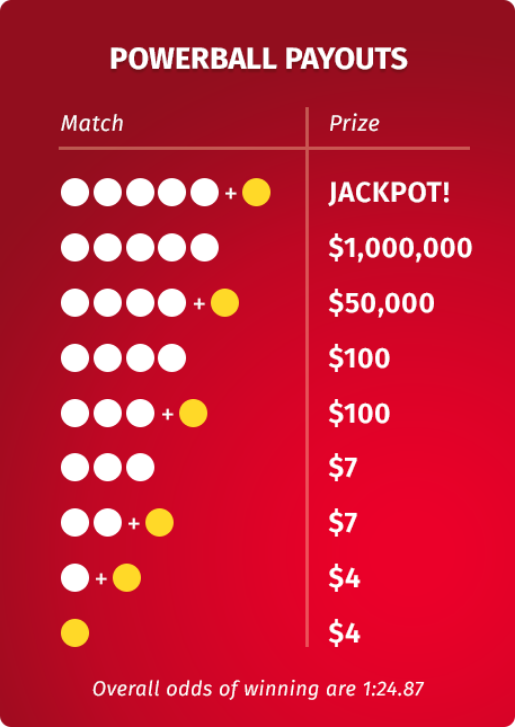
The cash payout, or the “cash value option,” represents the actual liquid assets currently held by the lottery commission to fund the prize. When a winner opts for this route, they are choosing to take the present value of the prize immediately rather than waiting for a structured payment plan. This decision is one of the most significant financial choices a person can make, involving deep considerations of the time value of money, tax liability, and investment strategy.
Understanding the Mechanics of the Powerball Payout
When you look at a Powerball ticket, the figure you see is based on a 30-installment annuity. This means the lottery commission takes the current cash on hand and invests it in various securities, typically U.S. Treasuries, to ensure they can pay out the prize over 29 years (30 total payments). Each subsequent payment is five percent larger than the previous one to account for inflation and the rising cost of living.
The Lump Sum vs. the Annuity Option
The “cash payout” is the alternative to this 30-year structure. It is the actual pool of money generated by ticket sales and interest that the lottery has available at the moment of the drawing. Historically, the cash payout typically ranges from 45% to 55% of the advertised annuity jackpot. For example, if the advertised jackpot is $1 billion, the cash value might be approximately $500 million.
The choice between these two options is a classic study in the time value of money. The annuity offers the security of a guaranteed income stream for three decades, which acts as a safeguard against “lottery ruin”—the phenomenon where winners spend their entire fortune within a few years. Conversely, the lump sum provides immediate access to capital, allowing for more aggressive investment opportunities, debt liquidation, and philanthropic endeavors.
How the Cash Value is Calculated
The calculation of the cash value is determined by the interest rates of the market at the time of the drawing. When interest rates are low, the gap between the annuity and the cash value narrows because it takes more principal to generate the necessary returns to cover 30 years of payments. Conversely, when interest rates are high, the cash value may appear significantly smaller than the annuity because the lottery commission can achieve the total jackpot figure with a smaller initial investment. For the recipient, the cash value is the “raw” wealth available for immediate deployment into the global markets.
The Impact of Federal and State Taxes on Your Windfall
While the jump from the advertised jackpot to the cash payout is the first major reduction in the total sum, the second—and often more painful—reduction comes from the internal revenue service and state tax authorities. For any lottery winner, the tax bill is the single largest expense they will ever face.
Federal Withholding and the Top Tax Bracket
The moment a winner claims the cash payout, the federal government takes an immediate cut. The lottery commission is required by law to withhold 24% of the winnings for federal taxes. However, this is rarely the final bill. Because a multi-million dollar win automatically places the recipient in the highest federal income tax bracket—currently 37%—the winner will likely owe an additional 13% when they file their annual tax return.
On a $100 million cash payout, the initial withholding would be $24 million, but the total federal tax liability would eventually reach $37 million. Failing to account for this 13% gap is a common pitfall that can lead to significant liquidity issues during the first year of wealth.
State-Specific Tax Implications
The geographical location where the ticket was purchased plays a massive role in the final net payout. Some states, such as Florida, Texas, Nevada, and Washington, do not tax lottery winnings at the state level. In these jurisdictions, the winner keeps significantly more of their prize.
On the other end of the spectrum, states like New York or Maryland impose substantial state taxes, which can exceed 8% or 10%. In New York City, for instance, winners may be subject to state tax plus an additional municipal tax. When combined with the 37% federal rate, a winner in a high-tax jurisdiction could see nearly half of their cash payout vanished into tax obligations before a single dollar is spent on lifestyle or investment.
Strategic Financial Planning for a Massive Cash Influx

Receiving a Powerball cash payout is not merely a stroke of luck; it is a complex business event that requires a professional level of management. The transition from a standard income to “ultra-high-net-worth” status necessitates a shift in mindset from earning to preservation and strategic growth.
Building a Professional Advisory Team
The first step for any winner should be the assembly of a “qualified team.” This team generally includes three pillars:
- A Tax Attorney: To navigate the immediate tax liabilities and structure the claim (perhaps through a trust or LLC) to protect privacy and minimize exposure.
- A Certified Public Accountant (CPA): To manage the intricate filings and ensure that every deduction and credit is utilized.
- A Fiduciary Financial Advisor: Unlike brokers who may have conflicts of interest, a fiduciary is legally obligated to act in the client’s best interest. They help develop a comprehensive wealth management plan.
This team acts as a buffer between the winner and the inevitable onslaught of requests for money from friends, family, and predatory “investment” schemes.
Immediate Debt Management and Liquidity
Before looking at the stock market or real estate, the most efficient use of a cash payout is often the elimination of existing high-interest debt. Paying off mortgages, student loans, and credit card balances provides a guaranteed “return” equal to the interest rate of those loans.
Furthermore, establishing a liquid “emergency fund” that is separate from the primary investment accounts is vital. While it may seem counterintuitive for a millionaire to need an emergency fund, the complexity of large-scale assets (like estates or private jets) requires significant ready cash for maintenance and unforeseen costs.
Long-Term Wealth Preservation and Asset Allocation
The primary goal of a Powerball winner should be to ensure that the wealth lasts for several generations. This requires a sophisticated approach to asset allocation that balances growth with capital preservation.
Diversifying Beyond Traditional Investments
While a standard portfolio of stocks and bonds is the bedrock of wealth management, a Powerball-sized cash payout allows for diversification into alternative assets. This might include:
- Private Equity and Venture Capital: Investing directly into promising startups or established private firms.
- Commercial Real Estate: Purchasing income-generating properties like apartment complexes or office buildings.
- Inflation Hedges: Allocating a portion of the wealth to gold, commodities, or Treasury Inflation-Protected Securities (TIPS) to protect purchasing power.
The key is to avoid “concentration risk.” Many lottery winners fail because they put too much capital into a single business venture or a single sector of the economy.
Charitable Giving and Estate Planning
For many, the cash payout provides an opportunity to create a lasting legacy. Establishing a private foundation or a Donor-Advised Fund (DAF) can provide significant tax benefits while allowing the winner to support causes they care about in a structured manner.
Estate planning is equally critical. Without a robust plan involving trusts (such as Revocable Living Trusts or Irrevocable Life Insurance Trusts), a significant portion of the remaining wealth could be lost to estate taxes upon the winner’s death. Modern financial planning aims to move assets out of the taxable estate while still providing the winner with the lifestyle they desire.
The Psychological and Social Realities of Sudden Wealth
While the “Money” aspect of a Powerball payout is often focused on spreadsheets and tax codes, the human element is what determines the ultimate success of the windfall. Sudden Wealth Syndrome is a recognized psychological condition where the stress of a massive influx of money leads to anxiety, isolation, and poor decision-making.
The “cash payout” provides a level of freedom that can be overwhelming. Financial experts often recommend a “cooling-off period”—a six-month window where the winner makes no major lifestyle changes, such as quitting a job, buying a mansion, or gifting large sums. This period allows the winner to adjust to their new reality and work with their advisors to create a sustainable roadmap.
Ultimately, the cash payout for the Powerball is a double-edged sword. It offers the ultimate financial reset, but it comes with the responsibility of managing a complex financial ecosystem. By understanding the delta between the advertised prize and the net cash, anticipating the tax burden, and employing a disciplined investment strategy, a winner can transform a moment of luck into a multi-generational legacy of financial security.
aViewFromTheCave is a participant in the Amazon Services LLC Associates Program, an affiliate advertising program designed to provide a means for sites to earn advertising fees by advertising and linking to Amazon.com. Amazon, the Amazon logo, AmazonSupply, and the AmazonSupply logo are trademarks of Amazon.com, Inc. or its affiliates. As an Amazon Associate we earn affiliate commissions from qualifying purchases.