
The allure of mind-altering experiences has captivated humanity for millennia, and at the heart of many of these profound journeys lie the humble mushroom. While the term “psychedelic mushrooms” often conjures images of recreational drug use and counter-cultural movements, the reality is far more nuanced. These fascinating fungi, containing psychoactive compounds like psilocybin and psilocin, have a rich history intertwined with spiritual practices, therapeutic potential, and a growing scientific interest. This exploration delves into the question of “what mushrooms are psychedelic,” moving beyond simple identification to understand their impact, historical context, and the evolving landscape of their perception and potential applications, all within the broader context of how we interact with technology, build brands, and manage our finances.

The Science Behind the Psychedelic Experience: Understanding Psilocybin
At its core, the psychedelic nature of certain mushrooms stems from the presence of specific chemical compounds. The most well-known and widely studied are psilocybin and its active metabolite, psilocin. These are classified as tryptamines, a group of compounds that share a similar molecular structure with neurotransmitters like serotonin, which plays a crucial role in regulating mood, perception, and cognition in the human brain.
How Psilocybin and Psilocin Interact with the Brain
When ingested, psilocybin is rapidly converted in the body to psilocin. Psilocin then binds to various serotonin receptors, primarily the 5-HT2A receptor, in the brain. This binding triggers a cascade of neurochemical events that lead to altered states of consciousness. Users often report:
- Visual and Auditory Hallucinations: Intensified colors, geometric patterns, and altered perceptions of shapes and sounds are common.
- Altered Sense of Time: Time can feel distorted, either stretching out or compressing.
- Profound Emotional Shifts: Experiences can range from intense euphoria and joy to introspection and even challenging emotional processing.
- Ego Dissolution: A sense of detachment from one’s self or ego can occur, leading to feelings of interconnectedness and unity.
- Synesthesia: The blending of sensory experiences, such as “seeing” sounds or “hearing” colors.
The intensity and nature of the psychedelic experience are highly variable, influenced by factors such as the dosage, the individual’s mindset (“set”), and the surrounding environment (“setting”). This interplay between biological and psychological factors is critical to understanding the subjective nature of these journeys.
Common Genera and Species Known for Psychedelic Properties
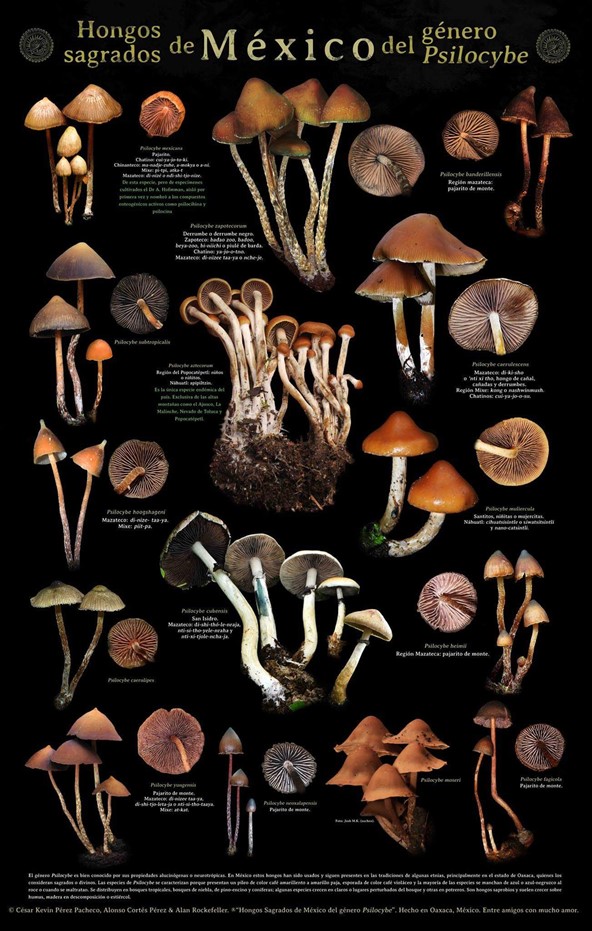
While countless fungal species exist, a select few are renowned for their psychoactive effects. These are most commonly found within the genus Psilocybe. Some of the most recognized species include:
- Psilocybe cubensis: This is arguably the most popular and widely cultivated psychedelic mushroom. It’s known for its ease of growth and diverse range of strains, which can subtly alter the potency and experience. Found globally in tropical and subtropical regions, often growing on dung.
- Psilocybe semilanceata (Liberty Cap): Easily recognizable by its distinctive conical or bell-shaped cap, this species is common in Europe and North America, typically found in damp, grassy pastures. It’s known for its potent effects.
- Psilocybe cyanescens (Wavy Cap): Characterized by its wavy cap margins, this species is found in temperate regions worldwide, often growing on wood chips or mulch. It is known for its psychoactive potency.
- Psilocybe azurescens: One of the most potent psilocybin-containing mushrooms, this species is native to the Pacific Northwest of North America. It’s less commonly cultivated due to its specific growing requirements.
It’s crucial to emphasize that identifying mushrooms for consumption is a hazardous undertaking. Many non-psychedelic or even toxic mushrooms can bear a superficial resemblance to psychoactive species. Misidentification can lead to severe poisoning, and in some cases, death. Therefore, understanding these species for informational purposes should never be conflated with foraging for personal use without expert guidance.
The Historical and Cultural Significance of Psychedelic Mushrooms
The relationship between humans and psychedelic mushrooms stretches back to the dawn of civilization. These fungi have been revered and utilized across numerous cultures for their ability to induce altered states of consciousness, facilitating spiritual experiences, healing rituals, and communal ceremonies.
Ancient Use and Spiritual Practices
Archaeological evidence, including cave paintings and ancient artifacts, suggests that humans have been aware of and using psychedelic mushrooms for thousands of years. Mesoamerican cultures, such as the Maya and Aztecs, referred to them as “teonanácatl,” meaning “flesh of the gods.” These sacred fungi were integral to religious ceremonies, divination, and healing practices, believed to connect individuals with the divine realm and ancestral spirits. Shamans would use them to diagnose illnesses, seek guidance, and facilitate spiritual journeys for their communities.
In other parts of the world, similar traditions existed. In Siberia, for example, the use of Amanita muscaria (a different type of psychoactive mushroom, not containing psilocybin) was historically practiced for shamanic rituals and trances. While Amanita muscaria has different psychoactive compounds and effects, its historical role highlights the global human fascination with fungi-induced altered states.
The Modern Psychedelic Renaissance and its Impact
The Western world’s formal introduction to psychedelic substances, including psilocybin mushrooms, gained significant traction in the mid-20th century. Researchers like R. Gordon Wasson brought attention to the ancient Mesoamerican use of these fungi, sparking scientific interest and public curiosity.
The 1950s and 60s saw a surge in scientific research into the therapeutic potential of psychedelics, particularly psilocybin, for treating conditions like anxiety, depression, and addiction. However, as these substances became more associated with counter-cultural movements and recreational use, a wave of prohibitionist policies swept across many nations, leading to their criminalization and a halt to most scientific investigation for decades.
In recent years, we have witnessed a remarkable “psychedelic renaissance.” Renewed scientific inquiry, driven by advancements in neuroscience and a greater understanding of the brain, is re-exploring the therapeutic benefits of psilocybin. Clinical trials are showing promising results in treating various mental health conditions, leading to a shift in public perception and a growing movement towards decriminalization and legalization in some regions.
Navigating the Modern Landscape: Legal, Ethical, and Practical Considerations
The resurgence of interest in psychedelic mushrooms brings with it a complex web of legal, ethical, and practical considerations. As scientific research progresses and some jurisdictions explore policy changes, understanding these facets is crucial.
Legal Status and Decriminalization Efforts
The legal landscape surrounding psilocybin mushrooms varies dramatically worldwide. In most countries, including the United States at the federal level, they remain classified as Schedule I controlled substances, meaning they are considered to have a high potential for abuse and no accepted medical use.
However, there’s a growing movement towards decriminalization and, in some limited cases, legalization. Decriminalization typically means that possession of small amounts for personal use is no longer a criminal offense, often resulting in fines or civil penalties instead of jail time. Cities and states in the US, such as Denver, Oakland, and Oregon, have moved to decriminalize psilocybin.
In contrast, legalization implies regulated access for specific purposes, often medical or therapeutic. Some countries, like the Netherlands, have allowed the sale of “magic truffles” (which contain psilocybin) in specific shops for recreational or therapeutic use, though regulations can be complex and vary.
It’s imperative to be aware of the specific laws in your jurisdiction, as possession or distribution of psilocybin mushrooms can carry severe legal consequences.
Ethical Considerations and Responsible Use
As research and access to psilocybin mushrooms evolve, ethical considerations become paramount. These include:
- Therapeutic Intent vs. Recreational Use: While the recreational use of psychedelics is a personal choice, the scientific and therapeutic exploration necessitates a responsible and informed approach. This involves understanding potential risks, preparing adequately, and having a safe and supportive environment.
- Cultural Appropriation: The historical and indigenous use of these sacred fungi carries cultural significance. It’s important to approach their use with respect and awareness, avoiding cultural appropriation.
- Harm Reduction: For those who choose to engage with psychedelic mushrooms, harm reduction strategies are vital. This includes understanding dosage, avoiding mixing with other substances, ensuring a safe environment, and having a sober sitter present if necessary.
The Role of Technology and Information
In today’s digital age, the internet plays a significant role in disseminating information about psychedelic mushrooms. This can be both beneficial and problematic.
- Educational Resources: Websites, forums, and online communities provide vast amounts of information on identification, cultivation, effects, and harm reduction. However, the accuracy and reliability of this information can vary widely.
- Online Marketplaces: The illegal nature of psilocybin in many regions means that online marketplaces for sourcing these mushrooms exist. Engaging with such platforms carries inherent risks related to product authenticity, purity, and legal repercussions.
- AI and Information Filtering: As AI tools become more sophisticated, they can assist in filtering and summarizing information, potentially helping users navigate the wealth of data available. However, AI’s ability to discern legal and safety-critical information regarding illicit substances is still developing and requires human oversight and critical evaluation.
- Brand Building and Reputation: For organizations involved in legitimate research or advocacy related to psychedelics, building a strong brand identity and maintaining a positive reputation are crucial. This involves transparency, scientific rigor, and ethical communication.
Financial Aspects and the Emerging Psychedelic Economy
The growing therapeutic and scientific interest in psilocybin is also giving rise to a burgeoning “psychedelic economy.”
- Investment Opportunities: Venture capital is increasingly flowing into companies developing psilocybin-based therapeutics and related technologies. This presents new investment avenues for those interested in the sector.
- Business Models: Companies are exploring various business models, from clinical trial management and drug development to the creation of therapeutic platforms and specialized services.
- Personal Finance and Risk: For individuals considering investment or entrepreneurship in this nascent field, a thorough understanding of financial risks, regulatory hurdles, and market volatility is essential. Just as with any emerging industry, careful due diligence and a sound financial strategy are paramount.
In conclusion, the question of “what mushrooms are psychedelic” opens a door to a complex and fascinating world. Beyond the simple identification of species containing psilocybin, it involves understanding the intricate neurochemistry, appreciating their deep historical and cultural roots, and critically navigating the contemporary landscape of legal, ethical, and practical considerations. As our understanding and societal perspectives continue to evolve, psychedelic mushrooms stand at the intersection of science, spirituality, and potentially, a new frontier in mental wellness and human consciousness.
aViewFromTheCave is a participant in the Amazon Services LLC Associates Program, an affiliate advertising program designed to provide a means for sites to earn advertising fees by advertising and linking to Amazon.com. Amazon, the Amazon logo, AmazonSupply, and the AmazonSupply logo are trademarks of Amazon.com, Inc. or its affiliates. As an Amazon Associate we earn affiliate commissions from qualifying purchases.