
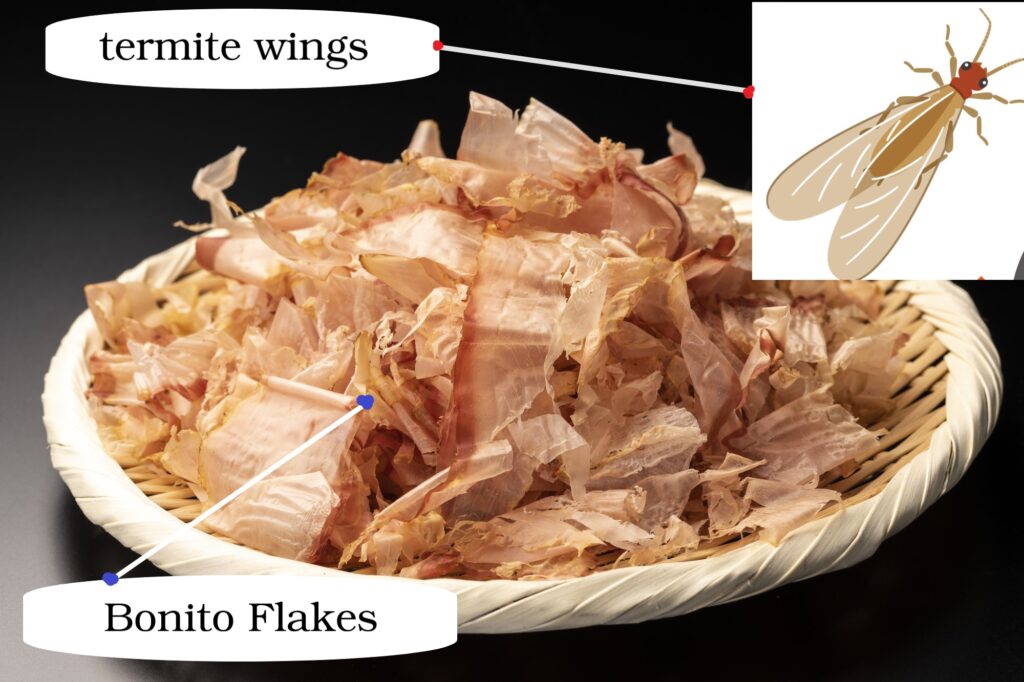
While the culinary world is replete with ingredients that spark curiosity, few possess the unique appeal and complex backstory of bonito flakes. Often seen as a delicate, shimmering topping for Japanese dishes like okonomiyaki, takoyaki, and ramen, these flakes are far more than just a decorative element. Their distinct umami flavor and smoky aroma are the result of a fascinating, labor-intensive process rooted in tradition and expertise. Delving into the composition and creation of bonito flakes reveals a story of meticulous craftsmanship, preservation techniques, and the fundamental essence of a highly prized ingredient. Understanding “what are bonito flakes made of” is not merely an exercise in culinary anthropology; it’s an appreciation of the journey from a powerful ocean dweller to a nuanced flavor enhancer that has captivated palates globally.
The Humble Origin: From Ocean Predator to Culinary Staple
Bonito flakes, scientifically known as katsuobushi, are derived from a specific type of fish. Their transformation from a formidable sea creature to a delicate culinary ingredient is a testament to human ingenuity in food preservation and flavor development.
The Bonito Fish: A Powerful Predator of the Ocean
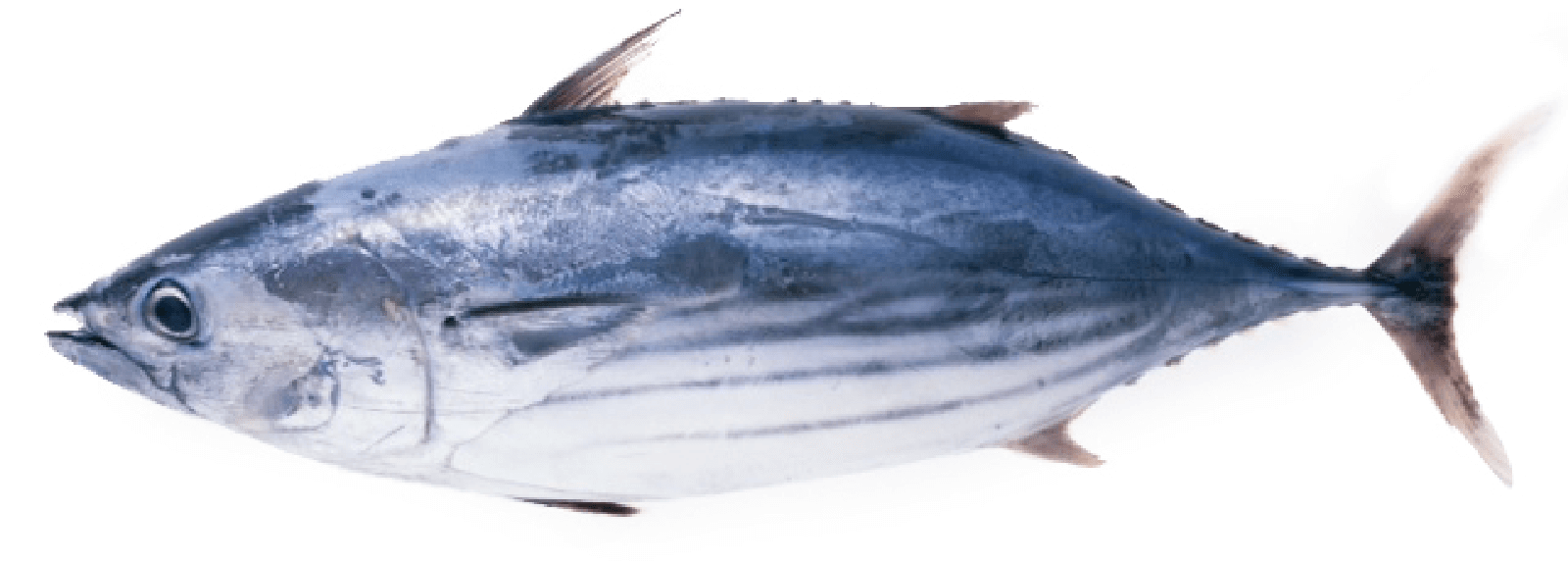
The primary ingredient for bonito flakes is the bonito fish, belonging to the mackerel family (Scombridae). Several species of bonito can be used, but the most common are the skipjack tuna (Katsuwonus pelamis) and the Pacific bonito (Sarda chiliensis). These fish are known for their speed, power, and abundance in temperate and tropical waters worldwide, particularly in the Pacific Ocean.
Skipjack tuna, in particular, is a widely utilized species for katsuobushi production. They are migratory, schooling fish, often found in large numbers, making them a sustainable and accessible resource for this traditional food product. The fish themselves are muscular and streamlined, built for rapid pursuit of prey. Their flesh is lean and reddish-brown, a characteristic that undergoes significant transformation during the curing process. The size of the fish can vary, but they are typically harvested when they reach a marketable weight, ensuring sufficient flesh for the curing and smoking stages. The quality of the raw fish is paramount; only the freshest, highest-grade specimens are selected for the meticulous production of katsuobushi. This initial selection sets the stage for the final product’s superior flavor and aroma.
The Transformation Process: A Symphony of Curing and Smoking
The journey from raw bonito to dried, smoked flakes is an intricate and time-consuming endeavor. It involves several distinct stages, each contributing to the unique characteristics of katsuobushi.
1. Filleting and Cooking: The Foundation of Preservation
The process begins with the careful filleting of the bonito fish. The fish are gutted, and their heads and bones are removed. The remaining flesh is then typically boiled or steamed. This cooking step serves multiple purposes: it denatures the proteins, making the flesh easier to handle and process, and it kills any potential bacteria, initiating the preservation process. The cooking time is carefully controlled to ensure the flesh is firm but not overcooked, retaining its structural integrity for the subsequent steps. After cooking, the fish is cooled, and any remaining scales and bones are meticulously removed.
2. Smoking: Imparting Depth and Aroma
Following the cooking phase, the fish undergoes a crucial smoking process. This is not a quick charring but a slow, controlled smoking over wood fires, traditionally using oak or other hardwoods. The smoking is typically done in specialized kilns or smokehouses. This stage is critical for developing the signature smoky aroma and flavor that characterizes bonito flakes. The prolonged exposure to smoke also helps to further dry out the fish, increasing its shelf life and imparting a rich, savory depth. The temperature and duration of the smoking process are carefully monitored by skilled artisans, as even slight variations can significantly impact the final flavor profile and texture of the flakes. Multiple rounds of smoking and drying are often employed, allowing the moisture content to gradually decrease and the smoky notes to permeate the flesh deeply.
3. Sun-Drying and Fermentation: The Art of Hone-boshi and Taka-boshi
After smoking, the fish is typically sun-dried, a process known as hone-boshi. This further reduces moisture content and hardens the flesh. However, the most distinctive element in the creation of premium katsuobushi is the subsequent fermentation. This involves inoculating the dried and smoked fish with specific molds, most notably Aspergillus glaucus. The fish are then aged in controlled environments where the mold can grow on the surface. This fermentation process is crucial for developing the complex umami flavor and the characteristic aroma. The mold helps to break down the fats and proteins in the fish, creating a richer, more nuanced taste profile.
This fermentation stage is often repeated multiple times. The mold is scraped off, and the fish is re-dried and re-smoked. This cyclical process, known as taka-boshi, can extend for months, and in some cases, even years, for the highest grades of katsuobushi. It is this extended aging and fermentation that distinguishes the finest bonito flakes, imbuing them with an unparalleled depth of flavor and a distinctive fragrance that hints at the complex biochemical transformations that have taken place. The result is a hard, dense block of fish that is then ready for the final stage: flaking.
The Art of Flaking: From Block to Shimmering Delicacy
Once the curing and fermentation processes are complete, the resulting hard blocks of fish are ready to be transformed into the delicate flakes recognized in kitchens worldwide. This final stage requires precision and specialized tools.
The Art of Hono-boshi and Taka-boshi: Different Grades, Different Flavors
The distinction between hone-boshi and taka-boshi is significant in understanding the spectrum of quality in bonito flakes. Hone-boshi refers to bonito that has been dried and smoked but has not undergone the mold fermentation. While still flavorful and widely used, it generally possesses a less complex umami profile and a more straightforward smoky character compared to taka-boshi. It is a more accessible and quicker process.
Taka-boshi, on the other hand, signifies the fully fermented product. This involves the repeated cycles of drying, smoking, and mold inoculation, leading to the development of intense umami and a more refined, aromatic complexity. The lengthy fermentation process breaks down fats and proteins, creating a richer, more sophisticated flavor. Taka-boshi is considered the premium grade of katsuobushi and commands a higher price due to the extended time, labor, and expertise involved. The visual difference can also be subtle; taka-boshi often has a slightly darker hue and a denser texture before flaking. The choice between hone-boshi and taka-boshi depends on the desired flavor intensity and the specific culinary application, with the latter being favored for its depth and nuance.
Shaving the Hard Block: Specialized Tools for Precision
The cured and fermented bonito fish blocks are incredibly hard, almost resembling wood. To create the thin, delicate flakes, specialized shaving tools are employed. These are essentially very sharp blades, often made of high-quality steel, mounted on a block of wood. The block of bonito is then systematically scraped or shaved against the blade.
The thickness of the flakes is controlled by the angle and pressure applied by the artisan. For the finest flakes, often referred to as hanakatsuo (flower bonito), the shaving is extremely delicate, resulting in an almost paper-thin, translucent product that shimmers and dances in heat. This meticulous shaving process ensures an even distribution of flavor and aroma when the flakes are added to dishes. The speed at which the flakes are shaved also plays a role; too fast and the flakes can be too thick and brittle. The goal is to achieve a light, airy texture that melts in the mouth and readily releases its essence. This final transformation is a visual spectacle, turning a dense, hardened fish block into an ethereal topping.
The Flavor Profile and Culinary Applications: Umami in its Purest Form
The unique composition of bonito flakes, a result of the intricate curing and smoking process, bestows upon them a distinctive flavor profile that is central to their culinary appeal. This flavor is characterized by intense umami, a subtle smokiness, and a delicate oceanic note.
The Umami Powerhouse: Beyond Savory
Umami, often described as the fifth basic taste alongside sweet, sour, salty, and bitter, is the savory taste sensation. Bonito flakes are considered one of the richest sources of this fundamental flavor. The high concentration of inosinic acid, a naturally occurring flavor enhancer, in the bonito fish, combined with the breakdown of proteins during fermentation, amplifies this umami significantly. This is what gives katsuobushi its profound depth and mouth-filling richness. It’s not just a simple saltiness; it’s a complex, lingering savoriness that elevates other ingredients and provides a satisfying fullness to dishes. The subtle smokiness from the curing process adds another layer of complexity, preventing the umami from being one-dimensional.
A Versatile Ingredient: Enhancing a Myriad of Dishes
The versatility of bonito flakes in Japanese cuisine is extensive. Their primary role is often as a flavor base and a garnish.
-
Dashi: The Foundation of Japanese Broth: Perhaps the most significant application of bonito flakes is in the preparation of dashi, the fundamental broth that underpins countless Japanese dishes. Kombu (kelp) and katsuobushi are steeped in hot water to create a light, clear, and deeply savory broth. This dashi is the base for miso soup, noodle broths, sauces, and many other culinary preparations. The quality of the dashi directly impacts the overall flavor of the dish, and katsuobushi is indispensable for achieving that authentic taste.
-
Toppings and Garnishes: In their flaked form, katsuobushi serves as an iconic topping for dishes like okonomiyaki (savory pancakes), takoyaki (octopus balls), and yakisoba (fried noodles). The heat from these dishes causes the flakes to dance and shimmer, a visually engaging effect, while simultaneously releasing their smoky, umami-rich aroma. They are also sprinkled over rice, salads, and other savory items for an instant flavor boost.
-
Flavor Enhancers in Other Applications: Beyond these direct uses, bonito flakes are sometimes incorporated into seasonings, furikake (rice seasonings), and even marinades to impart their unique savory depth. Their subtle oceanic notes complement seafood and vegetable dishes exceptionally well, adding a touch of the sea without being overtly fishy. The ability of bonito flakes to provide a powerful flavor punch with just a small amount makes them an economical and effective ingredient for enhancing a wide range of culinary creations.
The Cultural Significance and Modern Production
Bonito flakes are more than just a food ingredient; they are deeply woven into the cultural fabric of Japan and represent a tradition of food preservation that has endured for centuries. While the traditional methods remain highly valued, modern production techniques are also employed to meet global demand.
A Tradition of Preservation and Culinary Art
The practice of drying and smoking fish for preservation dates back centuries in Japan. The development of katsuobushi as we know it today is a testament to the accumulated wisdom and craftsmanship passed down through generations. The process demands not only technical skill in handling the fish and managing the smoking and drying but also an innate understanding of fermentation and aging. Artisans who produce high-quality katsuobushi are highly respected for their dedication and expertise, often dedicating their lives to perfecting the craft. This tradition embodies a deep respect for the natural resources and a commitment to extracting the maximum flavor and nutritional value from the fish. The “dancing” of the flakes on hot food is also a cultural symbol, evoking a sense of liveliness and freshness, adding to the overall dining experience.

Modern Innovations and Global Reach
While traditional katsuobushi production continues, particularly for premium varieties, modern advancements have also influenced the industry. Mechanization has been introduced in certain stages, such as the cooking and initial drying, to increase efficiency and scale of production. Packaging techniques have also evolved, allowing for longer shelf life and easier distribution worldwide.
However, the core principles of smoking, drying, and, for premium products, fermentation, remain central to the production of authentic bonito flakes. The challenge for modern producers is to balance efficiency with the preservation of the traditional quality and flavor profile. The global popularity of Japanese cuisine has driven increased demand for katsuobushi, making it a readily available ingredient in international markets. This global reach ensures that the unique flavors of bonito flakes can be appreciated and utilized by cooks and diners far beyond Japan’s shores, continuing to enrich diverse culinary landscapes.
aViewFromTheCave is a participant in the Amazon Services LLC Associates Program, an affiliate advertising program designed to provide a means for sites to earn advertising fees by advertising and linking to Amazon.com. Amazon, the Amazon logo, AmazonSupply, and the AmazonSupply logo are trademarks of Amazon.com, Inc. or its affiliates. As an Amazon Associate we earn affiliate commissions from qualifying purchases.