
The year 2015 stands as a watershed moment in the history of cinema, not merely for the volume of films released, but for the fundamental shift it signaled in global brand strategy. While the average consumer remembers 2015 as the year they returned to a galaxy far, far away or witnessed the park reopening on Isla Nublar, brand strategists view it as the year the “Legacy Sequel” and the “Cinematic Universe” became the dominant currencies of the entertainment industry.
With the global box office reaching unprecedented heights, 2015 provided a masterclass in how to manage intellectual property (IP), leverage nostalgia, and maintain brand consistency across diverse global markets. In this analysis, we explore the strategic branding maneuvers that defined the biggest films of 2015 and how they continue to influence corporate identity and marketing today.
Legacy Branding and the Resurrection of Intellectual Property
The most significant brand trend of 2015 was the revitalization of dormant intellectual properties. Studios moved away from the “reboot” (which erases previous continuity) and toward the “legacy sequel,” which honors the original brand equity while introducing a new generation of consumers to the fold.
The Force Awakens: Mastering Nostalgia Marketing
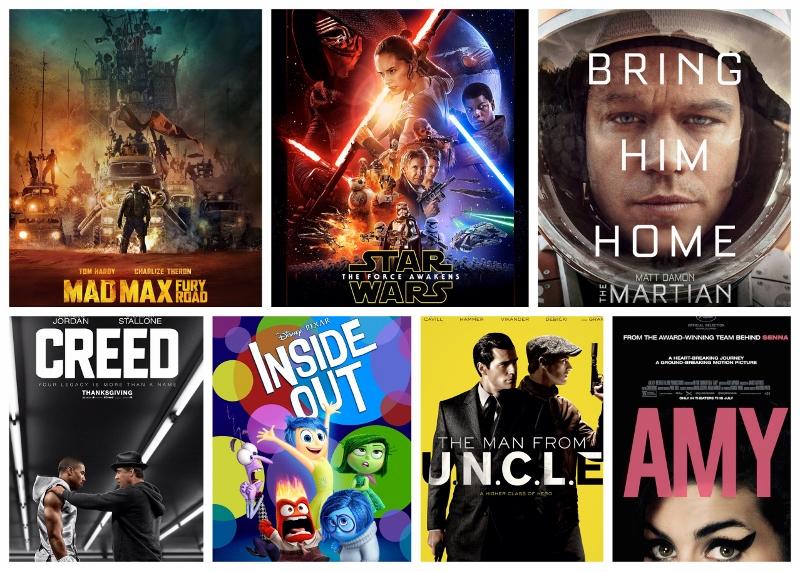
When Disney acquired Lucasfilm, the primary challenge was to repair a brand that many felt had been tarnished by the prequel trilogy. Star Wars: Episode VII – The Force Awakens was a triumph of brand positioning. The strategy focused on “tactile nostalgia”—emphasizing practical effects and the return of the original cast. By positioning the film as a spiritual successor to the 1977 original, Disney successfully recaptured “lost” brand advocates while creating a frictionless entry point for children. This established a blueprint for how to handle multi-generational brands: respect the heritage, but modernize the delivery.
Jurassic World: Modernizing a Prehistoric Identity
Jurassic World took a different approach to legacy branding by leaning into self-awareness. The film’s plot—about a theme park that needs “bigger, scarier, cooler” attractions to keep audiences interested—mirrored the real-world pressure on movie studios. From a branding perspective, Jurassic World succeeded by updating its visual identity. It traded the earthy, 90s aesthetic of the original films for a sleek, corporate, blue-and-silver palette that felt contemporary. It proved that a brand could be both a tribute to its past and a sleek, modern product.
Mad Max: Fury Road – Rebranding Cult Classics for a New Era
While Star Wars and Jurassic Park were massive household names, Mad Max was a niche, albeit influential, cult brand. Mad Max: Fury Road demonstrated the power of “Brand Evolution.” By maintaining the visionary leadership of the original creator but elevating the production value to a high-art status, the brand was transformed from a gritty 80s relic into a premium, award-winning powerhouse. It showed that brand revitalization doesn’t always require a massive audience at the start; it requires a distinct, unmistakable “brand voice.”
The Architectonics of the Cinematic Universe
Before 2015, the idea of a “shared universe” was largely a Marvel experiment. By 2015, it became a mandatory corporate strategy. This shift moved the focus from individual products to an ecosystem of interconnected brand experiences.
Marvel’s Phase Two Culmination: Brand Consistency
The release of Avengers: Age of Ultron and Ant-Man in 2015 marked the end of Marvel’s “Phase Two.” The branding lesson here was one of “Interdependent Consumption.” By linking every film to a larger narrative, Marvel ensured that consumers felt they needed to see every “product” to understand the full story. This is the ultimate goal of brand loyalty: making the consumer feel that opting out of one product diminishes their experience of the others.
The Expansion of the “Shared World” Concept
2015 saw other studios attempting to replicate the Marvel brand model. We began to see the early stages of the DC Extended Universe and the “MonsterVerse.” However, the year also taught us the dangers of “Brand Overreach.” Several attempts to launch universes failed because they prioritized the future “brand map” over the quality of the immediate product. For a brand ecosystem to work, each individual touchpoint must offer value on its own, a lesson many corporate strategists took to heart following the mixed receptions of rushed cinematic launches.

Disruptive Marketing and Audience Engagement
The way movies were sold in 2015 underwent a digital transformation. The traditional 30-second TV spot began to take a backseat to viral stunts, influencer partnerships, and long-lead digital engagement.
Viral Campaigns and Digital Engagement
The marketing for 2015’s films started earlier than ever before. For example, the branding for Deadpool (which would release in early 2016) began its massive push in 2015. The “Fourth Wall Breaking” marketing—where the character interacted directly with fans on social media—was a disruptive tactic that treated the character as a social media influencer rather than a fictional entity. This humanized the brand and created a sense of community among the target demographic.
Leveraging Influencer Partnerships and Social Media Synergies
2015 was the year studios fully embraced the “creator economy.” Instead of just traditional press junkets, studios began inviting YouTube stars and early Instagram influencers to sets. This allowed brands to tap into “niche-at-scale” audiences. By allowing influencers to create their own content around the movie brand, studios gained a level of authenticity that traditional advertising could never buy. It was a shift from “telling” the audience why a brand was cool to “showing” them through trusted third-party voices.
Brand Identity in Animation and Family Entertainment
Animation in 2015 wasn’t just for children; it was a high-stakes arena for corporate identity and merchandising prowess. Two films, in particular, showcased different ends of the branding spectrum.
Inside Out: Emotional Intelligence as a Brand Pillar
Pixar has always been a “premium” brand in the animation space, but Inside Out solidified their position as the leader in “Emotional Branding.” By personifying abstract concepts like Joy, Sadness, and Fear, Pixar created a brand that was both educational and entertaining. The brand strategy here was “Universal Relatability.” By focusing on the internal human experience, Pixar ensured their brand would resonate across every culture and language, reinforcing their corporate identity as the world’s premier storyteller.
The Minions Phenomenon: Character-Centric Merchandising
On the other side of the spectrum was Illumination Entertainment’s Minions. If Pixar represents “Premium Storytelling,” the Minions represent “Visual Brand Dominance.” The Minions are a masterclass in “Simplistic Iconography.” Their design—yellow, pill-shaped, and speaking a gibberish language—makes them perfectly suited for global merchandising. In 2015, the Minions brand was everywhere, from Amazon shipping boxes to high-end fashion collaborations. It proved that a strong, recognizable visual asset can often be more valuable than the content itself.

The Long-Term Impact of 2015 on Corporate Strategy
The cinematic landscape of 2015 changed the way companies across all sectors think about their products. The move toward “Franchise-First” thinking has permeated the tech industry, the fashion world, and even the automotive sector.
The primary takeaway from the movies of 2015 is the power of the “Ecosystem Brand.” Whether it was a series of interconnected superhero films or a legacy franchise being revived for a new era, the goal was to create a brand that lived beyond the two-hour runtime of a movie. In the modern economy, a product is no longer a one-off transaction; it is an entry point into a brand world.
Furthermore, 2015 taught us that Nostalgia is an Asset, but Innovation is a Requirement. You can bring people back with a familiar name, but you can only keep them with a fresh experience. As we look back at the films that defined that year, it is clear that the most successful brands were those that managed to balance the comfort of the past with the excitement of the future.
In conclusion, “What movies came out in 2015?” is a question that yields a list of blockbusters, but for the discerning professional, it yields a blueprint for modern brand management. It was the year that the movie industry stopped just making films and started building permanent, global cultural institutions. Organizations that understand these lessons—consistency, ecosystem building, and emotional resonance—are the ones that will thrive in the increasingly crowded attention economy of the 21st century.
aViewFromTheCave is a participant in the Amazon Services LLC Associates Program, an affiliate advertising program designed to provide a means for sites to earn advertising fees by advertising and linking to Amazon.com. Amazon, the Amazon logo, AmazonSupply, and the AmazonSupply logo are trademarks of Amazon.com, Inc. or its affiliates. As an Amazon Associate we earn affiliate commissions from qualifying purchases.