
For decades, audiences around the world have sat down during the holiday season to watch Kevin McCallister defend his home from the “Wet Bandits.” One of the most iconic elements of Home Alone is the ultra-violent, black-and-white gangster film Kevin uses to scare off pizza delivery drivers and burglars alike. The movie, famously titled Angels with Filthy Souls, has become so ingrained in pop culture that many viewers spent years searching for it in video stores, only to realize it doesn’t actually exist.
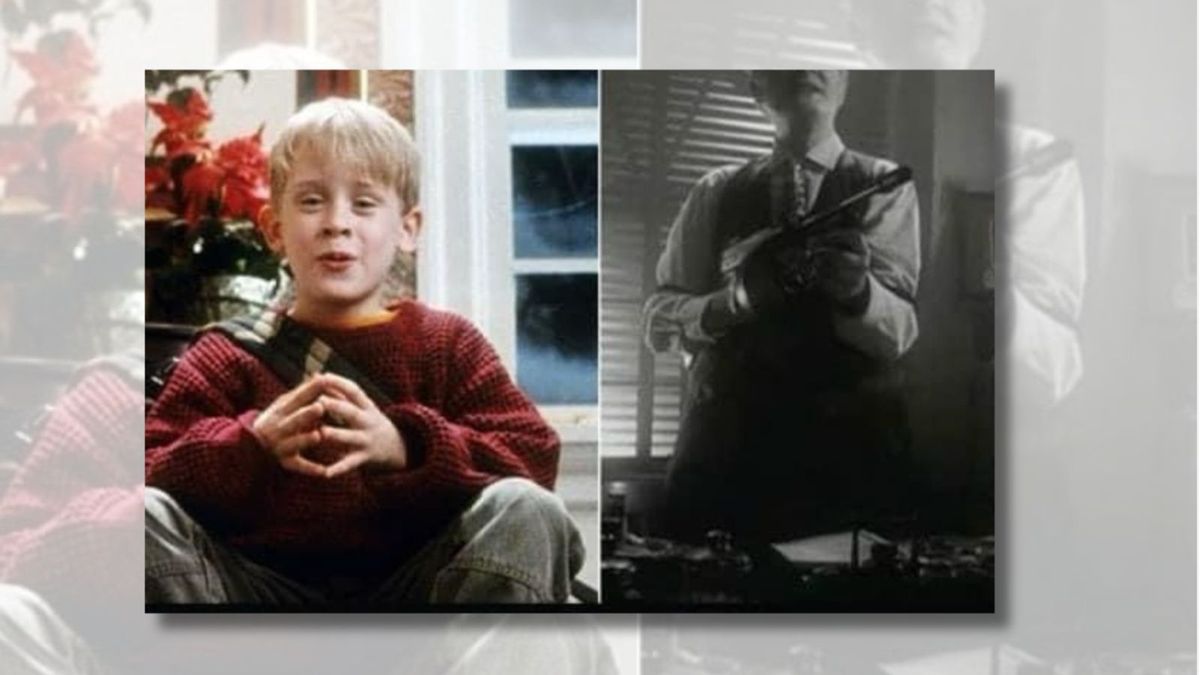
From a brand strategy perspective, Angels with Filthy Souls is more than just a clever plot device; it is a masterclass in meta-branding. It demonstrates how a fictional entity can develop its own brand equity, influence consumer behavior, and enhance the primary brand (the Home Alone franchise) through meticulous design and narrative consistency. This article explores the branding genius behind Kevin’s favorite “fake” movie and what modern marketers can learn from its enduring legacy.
The Illusion of Authenticity: Creating a Fictional Brand Identity
The success of Angels with Filthy Souls as a brand lies in its commitment to authenticity. To the young Kevin McCallister—and to much of the audience in 1990—the film felt like a legitimate relic of the Golden Age of Hollywood. This wasn’t an accident; it was the result of high-level brand positioning within a cinematic universe.
The Noir Aesthetic as a Brand Identity
To create a believable brand, the filmmakers leaned heavily into the tropes of 1940s film noir. They utilized specific visual cues—high-contrast lighting, grainy film stock, and period-accurate costuming—to signal to the audience exactly what this “brand” represented: danger, adulthood, and grit. By mimicking the aesthetics of real-life classics like Angels with Dirty Faces (the 1938 James Cagney film that inspired the name), the producers established an immediate sense of “brand heritage.” In marketing, leveraging existing cultural archetypes is a powerful way to build instant trust and recognition.
Sound Design: The “Keep the Change” Catchphrase as a Brand Slogan
Every great brand needs a tagline, and Angels with Filthy Souls delivered one of the most recognizable “slogans” in cinema history: “Keep the change, ya filthy animal.” This line serves as a perfect brand hook. It is rhythmic, memorable, and encapsulates the tone of the fictional film. In the context of Home Alone, the repetition of this line across different scenes reinforced the brand’s identity, ensuring that by the time the credits rolled, the fictional movie had left a permanent imprint on the viewer’s psyche.
Cross-Generational Brand Equity: The Legacy of a Fake Movie
Brand equity is the value premium that a company generates from a product with a recognizable name when compared to a generic equivalent. Angels with Filthy Souls managed to build such significant brand equity that it transitioned from a background prop to a standalone cultural phenomenon.
Why the Fake Movie Outshone Reality
For years after the release of Home Alone, video rental stores reported customers asking for Angels with Filthy Souls. This is the ultimate testament to successful branding: the audience desired the product so much they refused to believe it wasn’t real. The brand identity was so coherent and the “customer experience” (the snippets seen in the film) so engaging that it created a demand that the market couldn’t initially fill. This highlights a key branding lesson: a compelling narrative can make a brand feel essential, even if it is entirely intangible.
The Sequel: Angels with Even Filthier Souls
The branding of the fictional film was so successful that it was “rebranded” and expanded for Home Alone 2: Lost in New York. The sequel within the sequel, titled Angels with Even Filthier Souls, followed the classic brand expansion strategy. It took the core elements of the original (the character Johnny, the staccato dialogue, the sudden violence) and dialed them up. This mirrored the real-world strategy of sequels and product line extensions, proving that the filmmakers understood the importance of brand continuity. Even in a different city and a different plot, the “Angels” brand remained the most effective tool in Kevin’s arsenal.
The Strategic Marketing of “Movies Within Movies”
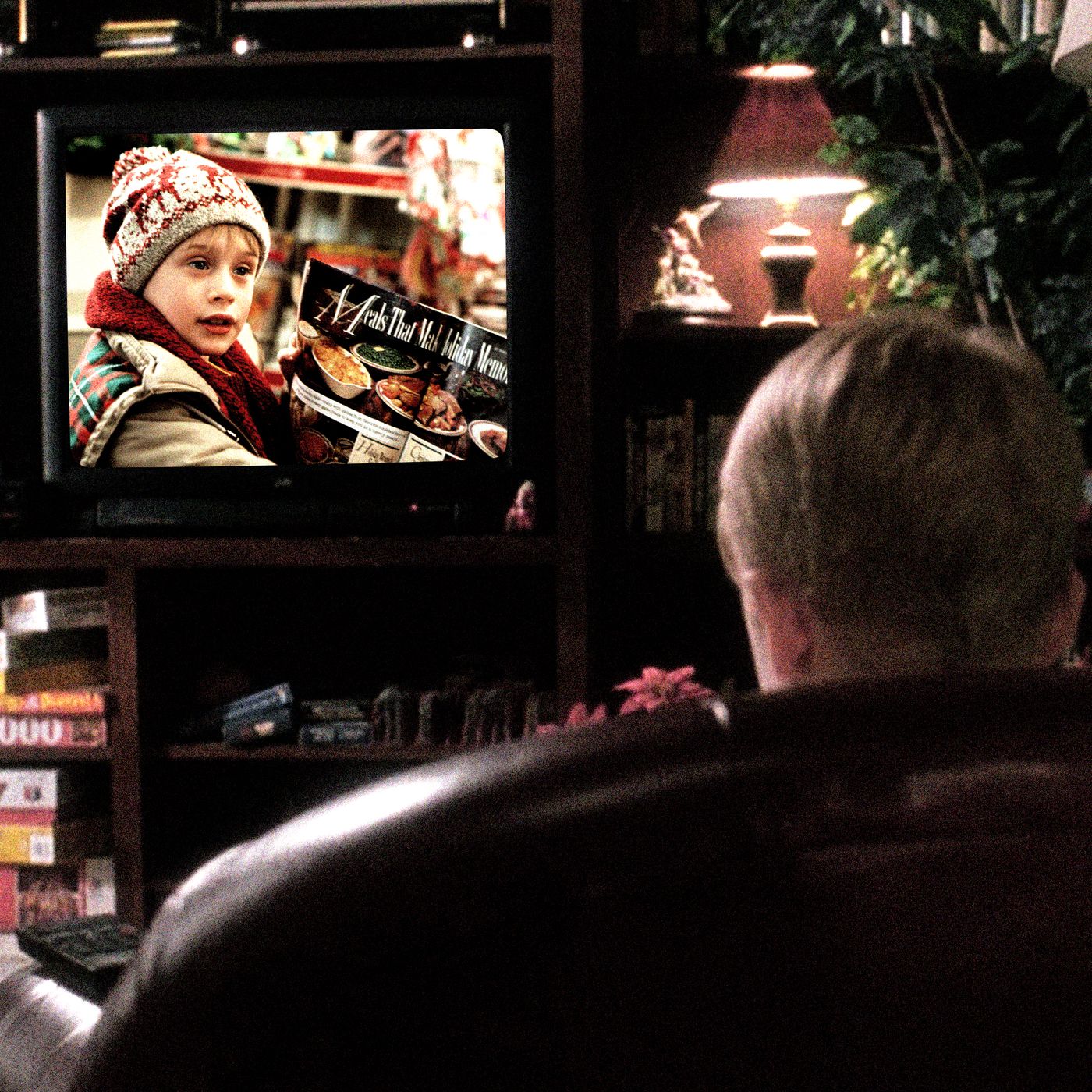
In the world of brand strategy, “diegetic branding”—the creation of brands within a fictional story—serves to deepen the immersion of the consumer. Home Alone uses Angels with Filthy Souls to anchor Kevin’s world in reality while simultaneously commenting on the power of media consumption.
Immersion and World-Building
A brand does not exist in a vacuum; it exists within an ecosystem. By creating a specific movie for Kevin to watch, the directors avoided the “brand clash” that occurs when real-world products are used awkwardly in films. Instead of Kevin watching a generic cartoon or a real movie that might date the film or carry its own baggage, he watches a bespoke brand created specifically to serve the narrative. This allows the primary brand (Home Alone) to maintain total control over the emotional arc of the scene.
The Merchandising Potential of Fictional Media
In recent years, we have seen a rise in “reverse product placement,” where brands created for movies are brought into the real world. From “Bubba Gump Shrimp” to “Duff Beer,” fictional brands have found a life on retail shelves. While Angels with Filthy Souls hasn’t been turned into a full-length feature, its “branding” appears on t-shirts, mugs, and holiday sweaters every year. The secondary brand has become a significant revenue driver for the primary franchise’s merchandising arm, proving that a well-executed fictional brand can have a long-tail financial impact.
Lessons for Modern Marketers and Brand Strategists
The story of the movie Kevin watched in Home Alone offers several sophisticated takeaways for professionals in marketing and corporate identity. It serves as a reminder that branding is not just about logos and color palettes; it is about storytelling and emotional resonance.
Consistency in Tone and Execution
The reason Angels with Filthy Souls works is that it never “breaks character.” Every second of the footage shown—from the dialogue to the acting of Ralph Foody (who played Johnny)—is consistent with the established brand persona. For modern businesses, this underscores the importance of a unified brand voice. Whether it is a social media post, a customer service interaction, or a high-budget commercial, every touchpoint must reflect the core identity of the brand to build long-term loyalty.
Emotional Resonance Through Nostalgia
Today, the Angels brand is inextricably linked with the feeling of Christmas nostalgia. Strategically, the Home Alone franchise has managed to “own” a specific type of holiday imagery. By incorporating a fictional brand that feels like a classic, they tapped into the audience’s collective memory of old cinema. Marketers can learn from this by identifying the “nostalgia triggers” within their own target demographics. Aligning a brand with positive, ingrained memories is one of the fastest ways to bypass consumer skepticism and build an emotional connection.
The Value of the “Easter Egg” Strategy
In the digital age, consumers love to feel like insiders. The revelation that Angels with Filthy Souls was created specifically for Home Alone became a viral “did you know” fact that circulates every December. This “Easter Egg” branding encourages engagement and sharing. Brands that provide depth, hidden details, and “insider” knowledge empower their advocates to spread the brand story organically. In a world of over-saturated advertising, these subtle, high-value details are what differentiate a standard brand from a cult classic.
Conclusion: The Enduring Legacy of Johnny and Snakes
“What movie was Kevin watching in Home Alone?” The answer is a fictional gangster flick that serves as one of the most effective examples of brand development in cinematic history. Through Angels with Filthy Souls, the creators of Home Alone didn’t just fill a screen; they built a brand that has survived for over thirty years.
By focusing on authentic aesthetics, memorable slogans, and consistent world-building, they created a meta-brand that rivals real-world entities in terms of recognition and emotional impact. For brand strategists and marketers, the takeaway is clear: whether your product is real or fictional, its success depends on the clarity of its voice, the consistency of its identity, and its ability to leave the consumer wanting more—even if it’s just a little bit of change, you filthy animal.
aViewFromTheCave is a participant in the Amazon Services LLC Associates Program, an affiliate advertising program designed to provide a means for sites to earn advertising fees by advertising and linking to Amazon.com. Amazon, the Amazon logo, AmazonSupply, and the AmazonSupply logo are trademarks of Amazon.com, Inc. or its affiliates. As an Amazon Associate we earn affiliate commissions from qualifying purchases.