
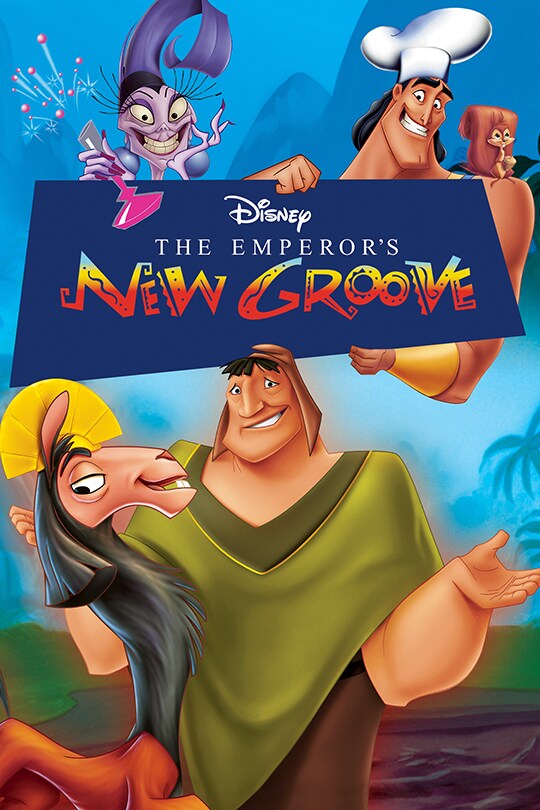
When audiences ask, “What movie is Yzma from?” the immediate answer is Disney’s 2000 animated feature, The Emperor’s New Groove. However, from a brand strategy perspective, Yzma is far more than just a secondary antagonist in a slapstick comedy. She represents a masterclass in character branding, visual identity, and the power of a successful strategic pivot.
In the world of corporate identity and marketing, we often look to Fortune 500 logos or viral ad campaigns for inspiration. Yet, the enduring legacy of Yzma—voiced by the incomparable Eartha Kitt—offers profound insights into how a brand can survive a disastrous “product launch” (the film’s troubled production) to become a timeless, recognizable icon that transcends its original medium.
The Anatomy of an Iconic Villain: Character Branding and Visual Identity
To understand why Yzma remains a household name decades after her debut, we must analyze her through the lens of visual and personality branding. A brand is a promise of an experience, and Yzma’s “brand” is one of chaotic ambition, high-fashion eccentricity, and comedic fallibility.
The Power of Distinct Visual Assets
In brand design, we emphasize the “Rule of Three”: a brand should be recognizable by its color palette, its silhouette, and its unique movement. Yzma’s design by lead animator Dale Baer is a textbook example of this. Her sharp, angular features and skeletal frame stand in stark contrast to the rounded, friendlier designs of Disney’s “Renaissance” era.
Her signature purple and black color palette communicates royalty and mystery, but it is applied to a character who is “scary beyond all reason.” This juxtaposition creates a “disruptive brand identity.” Just as a brand like Virgin or Tesla disrupts its market by being intentionally different from the status quo, Yzma disrupted the “Disney Villain” trope. She wasn’t just evil; she was a satirical take on the “diva” archetype.
Voice Acting as Brand Personality
If visual design is the logo, the voice is the brand’s “Tone of Voice.” Eartha Kitt’s performance as Yzma provided a sonic identity so distinct that it became inseparable from the character. In branding, consistency is key, but so is “flavor.” Kitt’s purring delivery, sudden shrieks, and rhythmic cadence gave Yzma a personality that felt premium yet accessible.
When businesses develop a brand voice, they often aim for “professional yet friendly.” Yzma’s voice went for “theatrical yet relatable,” proving that an extreme, highly specific personality is often more memorable than a safe, middle-of-the-road approach.
Consistency in Subversion
Yzma’s brand is built on the subversion of expectations. She is a scientist, a politician, and a fashionista, yet she constantly fails due to her own vanity and her incompetent assistant, Kronk. From a marketing standpoint, this makes her “human.” Brands that show a sense of humor about their own limitations—think of the “We’re Number Two, So We Try Harder” campaign by Avis—often build deeper emotional connections with their audience than those that project perfection.
Strategic Rebranding: From “Kingdom of the Sun” to a Comedy Powerhouse
The story of the movie Yzma is from is actually one of the most famous “rebranding” case studies in Hollywood history. Understanding this transition is essential for any brand strategist looking to manage a crisis or a failing product line.
The Pivot That Saved the Project
Originally, The Emperor’s New Groove was titled Kingdom of the Sun. It was intended to be a sweeping, serious musical epic in the vein of The Lion King. Yzma was a dark, sorceress figure who wanted to capture the sun. However, the “brand” wasn’t working. Test screenings were lukewarm, and the production was bloated and behind schedule.

Disney executives made a radical decision: they scrapped 80% of the work and rebranded the entire project as a fast-paced, meta-comedy. This is the equivalent of a tech company realizing their enterprise software is actually better suited as a consumer app and pivoting entirely before launch. Yzma was reinvented from a generic magical villain into the comedic icon we know today. This pivot illustrates that even if a brand has invested millions into a specific direction, the courage to “kill your darlings” and follow a more authentic, engaging path is often the only way to achieve long-term success.
Defining a New Brand Voice for Disney Animation
During the early 2000s, Disney was facing an identity crisis. The formula of the 1990s was wearing thin, and competitors like DreamWorks were finding success with edgier, more irreverent humor (e.g., Shrek).
By leaning into the absurdity of Yzma and Kuzco, Disney successfully rebranded its animation arm for a new decade. They moved away from “sentimental and grand” toward “self-aware and hilarious.” Yzma became the face of this new brand identity. She wasn’t a villain you feared; she was a villain you wanted to have dinner with. This shift in positioning allowed Disney to capture a demographic that was growing tired of traditional fairy tales.
Memetic Marketing: Why Yzma Dominates the Digital Landscape
In the modern era, a brand’s success is often measured by its “memeability.” This refers to how easily a brand’s assets can be repurposed by the public to communicate their own ideas. Yzma is a titan of memetic marketing.
The Longevity of Relatable Brand Archetypes
“Pull the lever, Kronk!” and “Wrong lever!” are not just lines of dialogue; they are cultural touchstones. These moments have been turned into thousands of memes used to describe everything from corporate blunders to personal mistakes.
Why does Yzma’s brand excel in the digital age? Because she represents the “Striving Underdog” archetype disguised as a “Corporate Overlord.” Everyone has felt like Yzma—having a perfect plan only for it to be ruined by a metaphorical “wrong lever.” When a brand creates content that is universally relatable, the audience becomes the brand’s marketing department, sharing and iterating on the character’s identity for years.
Leveraging Nostalgia in Modern Digital Branding
For Millennials and Gen Z, Yzma is a core part of their “nostalgia brand equity.” Disney leverages this by including her in mobile games, merchandise, and social media clips. However, they do so carefully, ensuring her “edgy” brand remains intact.
Brands looking to survive for 20+ years must understand how to age with their audience. Yzma has transitioned from a character children laughed at to a character adults identify with. Her desire for power, her frustration with incompetence, and her dramatic flair resonate with the workplace frustrations of the now-adult audience. This is “Long-Tail Branding”—creating an identity that acquires new meanings as the target demographic matures.

Conclusion: What Brands Can Learn from the Villain in the Secret Lab
To answer “What movie is Yzma from?” is to acknowledge The Emperor’s New Groove, but to understand Yzma is to understand the power of resilient branding. Her journey from a scrapped epic to a cult classic icon serves as a reminder that brand identity is not static; it is an evolving narrative.
Through Yzma, we see that:
-
Bold Visuals Matter: A distinct silhouette and color story are the foundations of recognition.
-
Personality Trumps Perfection: Characters (and brands) that are flawed, funny, and specific have much higher engagement than those that are generic.
-
The Pivot is a Power Move: If the “Product” isn’t working, rebranding and changing direction can lead to a more sustainable “Cult Classic” status.
-
UGC (User-Generated Content) is the Ultimate Goal: If your brand can become a meme, it has achieved a level of cultural penetration that paid advertising cannot buy.
Yzma may never have successfully taken over Kuzco’s empire, but in the realm of brand strategy, she has built a legacy that is far more enduring. She remains a testament to the idea that sometimes, the most “villainous” move a brand can make is to refuse to be boring. Whether she is turning into a cat or plotting in her secret lab, Yzma’s brand identity remains as sharp and purple as ever, proving that great design and a clear voice are truly “scary beyond all reason.”
aViewFromTheCave is a participant in the Amazon Services LLC Associates Program, an affiliate advertising program designed to provide a means for sites to earn advertising fees by advertising and linking to Amazon.com. Amazon, the Amazon logo, AmazonSupply, and the AmazonSupply logo are trademarks of Amazon.com, Inc. or its affiliates. As an Amazon Associate we earn affiliate commissions from qualifying purchases.