
In the world of personal finance and wealth management, we often focus on the tangible assets: savings accounts, brokerage portfolios, and real estate holdings. However, there is a different kind of “portfolio” that dictates your long-term ability to generate and enjoy wealth: your health. Just as you track the performance of stocks and bonds, understanding the markers of your physical health—specifically cholesterol—is a fundamental component of life-long financial planning. When we discuss HDL and LDL, we are talking about the “assets” and “liabilities” of your cardiovascular system. Balancing these effectively is an investment in your most valuable asset: your ability to work, earn, and sustain a high quality of life.

The Financial Metaphor of Cholesterol
To understand cholesterol, it is helpful to think of your bloodstream as a logistics network. Cholesterol is a waxy, fat-like substance that your body needs to build cells and produce hormones. However, cholesterol cannot travel through the blood on its own; it requires “couriers” to transport it. These couriers are proteins called lipoproteins.
In financial terms, think of LDL (Low-Density Lipoprotein) as the speculative, high-risk debt in your portfolio, and HDL (High-Density Lipoprotein) as your stable, high-yield assets. If your financial portfolio becomes overloaded with bad debt, your net worth suffers. Similarly, if your bloodstream is saturated with the wrong type of cholesterol, your physical “net worth” is compromised, leading to long-term medical liabilities that can erode your financial independence.
LDL: The High-Risk Liability
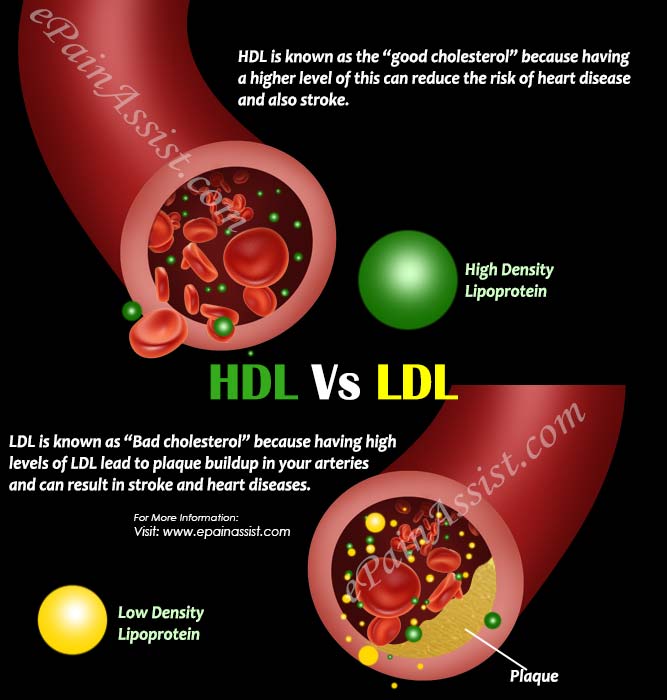
LDL is commonly referred to as “bad” cholesterol. From a systemic perspective, it is the primary culprit in the buildup of plaque within your arteries—a condition known as atherosclerosis.
How LDL Accumulates
When there is too much LDL circulating in the blood, it begins to deposit onto the inner walls of your arteries. Over time, these deposits harden into plaque. Think of this like a business accruing toxic debt. The interest rate on this debt is cumulative; the more plaque that builds up, the narrower your arteries become. As the vessel narrows, blood flow is restricted, significantly increasing the risk of hypertension, heart attack, and stroke.
Why “Bad” Debt is Dangerous
Just as an over-leveraged business may suddenly face a liquidity crisis, an artery clogged with LDL plaque can experience a catastrophic event. If a piece of that plaque breaks off, it can form a clot, completely blocking blood flow to the heart or brain. In personal finance, we talk about risk mitigation—the process of identifying and reducing potential losses. Maintaining high LDL levels is a failure of risk mitigation. It is the equivalent of leaving your financial future to chance, hoping that the “market” of your health remains stable despite clear signs of systemic instability.
HDL: The High-Yield Asset
HDL is frequently labeled “good” cholesterol, but it is more accurate to view it as the “sweeper” or the “asset manager” of your bloodstream. Its primary function is to scavenge excess cholesterol from the blood and arterial walls and transport it back to the liver, where it is broken down and excreted from the body.
The Role of Reverse Cholesterol Transport
This process, known as reverse cholesterol transport, is essential for maintaining arterial integrity. By keeping your HDL levels elevated, you are effectively performing a continuous audit of your cardiovascular health. HDL acts as a protective buffer, preventing the accumulation of the “bad debt” (LDL) that would otherwise compromise your vascular system.
Boosting Your Physiological Yield
In finance, we look for ways to increase our passive income. In biology, we look for ways to increase HDL. Unlike LDL, which is heavily influenced by poor dietary choices and sedentary habits, HDL can be improved through intentional action. Regular physical activity, a diet rich in healthy fats (such as those found in avocados, nuts, and olive oil), and the cessation of smoking act as wealth-building strategies for your heart. When you invest time in these habits, you are increasing your “physiological net worth,” ensuring that you remain solvent and functional for as long as possible.
The Integrated Management Strategy
Managing your health is not unlike managing a complex business entity. It requires consistent tracking, periodic audits, and strategic adjustments based on data. If you ignore the data, you risk bankruptcy—or in this case, a medical event that could jeopardize your career and financial security.
Routine Monitoring as Financial Discipline
You wouldn’t go years without checking your bank statements or reviewing your investment performance. Similarly, you should not go years without a lipid panel—a blood test that measures your total cholesterol, LDL, HDL, and triglycerides.
Triglycerides, often mentioned alongside HDL and LDL, represent the third pillar of this data set. They are a type of fat found in your blood, and high levels can also signal an increased risk of heart disease. By monitoring all three, you gain a “balance sheet” of your physical health. When your doctor reviews these numbers, treat the consultation with the same level of seriousness you would afford a meeting with a financial advisor. If the numbers indicate that your LDL is too high or your HDL is too low, you must implement a “rebalancing strategy.”
Lifestyle as a Long-Term Investment
Most financial planners will tell you that the most successful investors are those who start early and maintain consistent habits over decades. The same applies to cholesterol management.
- The Capital Allocation (Diet): Focus on moving capital away from saturated and trans fats—the “junk assets”—and toward soluble fiber and healthy, unsaturated fats.
- The Operational Efficiency (Exercise): Regular exercise is the best way to improve your metabolic rate and increase your HDL levels. Think of exercise as the operational efficiency of your body; it keeps the “machinery” running smoothly and prevents waste from accumulating.
- The Risk Hedging (Medication): Sometimes, despite one’s best efforts, genetics play a significant role in cholesterol levels. In financial terms, this is “market volatility” outside of your control. In such cases, medical intervention (such as statins) serves as a necessary hedge. Do not view medication as a failure; view it as a professional risk-management tool designed to protect your most precious asset.

Conclusion: Securing Your Future
Your physical health is the foundational asset upon which all other financial goals are built. If your health fails, your ability to earn an income, manage your investments, and enjoy the fruits of your labor is severely diminished.
By understanding the mechanics of LDL and HDL, you are doing more than just learning medical terminology; you are acquiring the literacy needed to manage your long-term survival. Treat your HDL levels as your growth assets and your LDL levels as the liabilities you must aggressively manage. A healthy body, like a well-managed portfolio, provides the stability required to achieve true financial independence. Start your “health audit” today—because the best time to invest in your longevity is always right now.
aViewFromTheCave is a participant in the Amazon Services LLC Associates Program, an affiliate advertising program designed to provide a means for sites to earn advertising fees by advertising and linking to Amazon.com. Amazon, the Amazon logo, AmazonSupply, and the AmazonSupply logo are trademarks of Amazon.com, Inc. or its affiliates. As an Amazon Associate we earn affiliate commissions from qualifying purchases.