
Juggernaut, the unstoppable force of the Marvel Universe, has bulldozed his way onto the silver screen on more than one occasion, leaving a memorable, if sometimes varied, impact. For fans of the X-Men lore, the question “What movie is Juggernaut in?” immediately conjures images of his iconic helmet and sheer, unadulterated power. However, delving deeper into his cinematic appearances reveals more than just a character cameo; it uncovers a fascinating interplay of technological advancements in filmmaking, sophisticated branding strategies by studios, and the colossal financial machinery that drives modern blockbusters.
From his comic book origins as Cain Marko, stepbrother to Professor Charles Xavier, cursed by the Gem of Cyttorak to become an avatar of destruction, Juggernaut has always been a character defined by his imposing presence. Translating such a larger-than-life figure from the static page to dynamic live-action film is a monumental task, one that relies heavily on cutting-edge digital effects, careful character development to fit narrative arcs, and a keen understanding of what resonates with audiences. This article will explore Juggernaut’s journey through Hollywood, examining how his portrayals reflect the evolving landscape of superhero cinema, the strategic branding decisions behind major franchises, and the economic implications of bringing such a CGI-intensive character to life.
The Cinematic Journey of Juggernaut: From Page to Screen, A Tech-Driven Evolution
Juggernaut’s journey to the big screen exemplifies the incredible strides made in visual effects and character adaptation over the past two decades. His appearances highlight how technology not only enables the creation of fantastical beings but also shapes their very essence and reception by audiences.
Juggernaut’s Live-Action Appearances: Two Distinct Portrayals
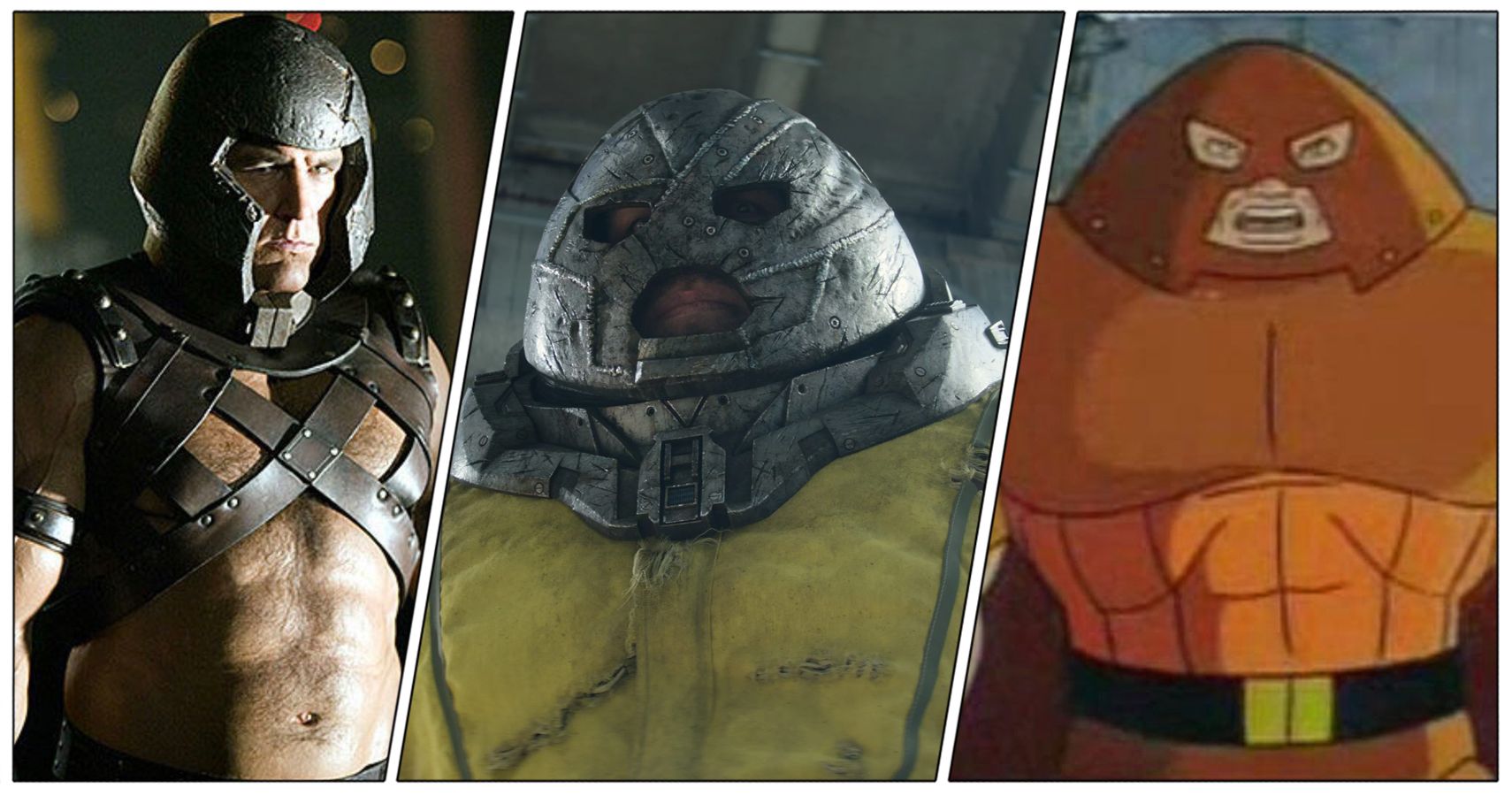
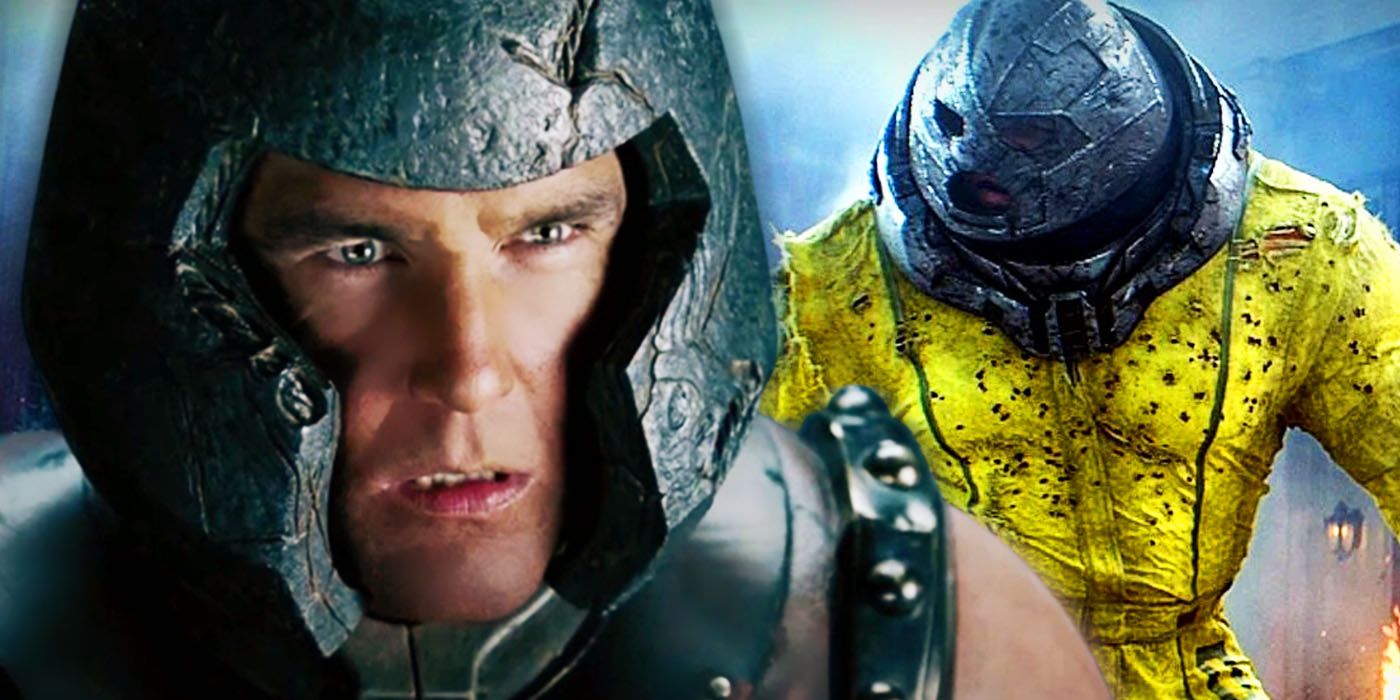
The first live-action adaptation of Juggernaut occurred in X-Men: The Last Stand (2006). Portrayed by former professional footballer Vinnie Jones, this iteration of Juggernaut was depicted as a mutant, rather than an avatar of a mystical entity as in the comics. While retaining his signature helmet and super-strength, his origin was simplified, and his character was largely a brute-force antagonist for the X-Men. He became infamous for the line, “I’m the Juggernaut, bitch!” — a quote not from the comics, but an internet meme from a parody animation that was inserted into the film, highlighting an early attempt at fan service, albeit a divisive one. This portrayal, while physically imposing, was often criticized for not fully capturing the character’s comic book essence, particularly his mystical origins and truly unstoppable nature.
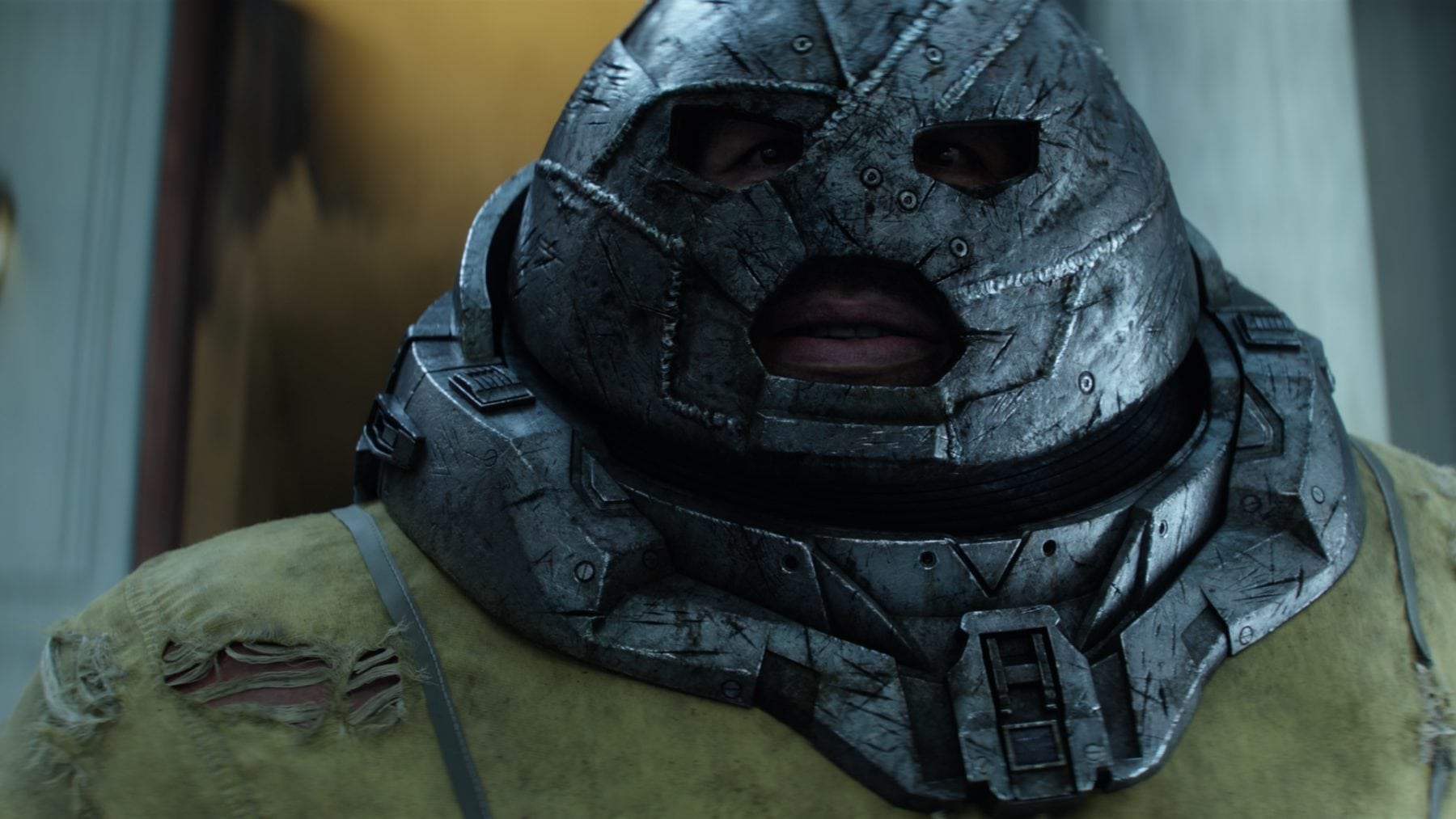
More than a decade later, Juggernaut made a triumphant return in Deadpool 2 (2018). This time, the character was a fully CGI creation, voiced by Ryan Reynolds himself (who also plays Deadpool). This version was remarkably faithful to his comic book counterpart’s raw power and intimidating size. His backstory, while not explicitly detailed, hinted at his classic origins, and his sheer physical might was a central plot point. The Deadpool 2 Juggernaut was not merely strong; he was colossal, his movements conveying immense weight and force. This portrayal was widely praised for its accuracy and impact, demonstrating a significant leap in how visual effects could bring such a complex character to life.
The Technological Leap: CGI, Motion Capture, and Digital Puppetry
The stark difference between the X-Men: The Last Stand and Deadpool 2 Juggernaut largely stems from advancements in visual effects technology. In 2006, while CGI was prevalent, the practical suit and limited digital enhancements for Vinnie Jones’ Juggernaut reflected the technological capabilities and budgetary approaches of the time. The emphasis was often on practical effects supplemented by CGI.
By 2018, the landscape had transformed dramatically. Deadpool 2‘s Juggernaut was a masterpiece of digital puppetry. The process involved:
- Advanced Motion Capture: Actors, including Ryan Reynolds (and other performers for motion capture data), would wear specialized suits with markers, their movements recorded by high-speed cameras. This data was then used to animate the digital Juggernaut model, ensuring realistic weight distribution and body mechanics.
- High-Fidelity 3D Modeling: The character model itself was incredibly detailed, from the textures of his metallic helmet to the intricate musculature. Modern 3D software allowed for unparalleled realism in rendering.
- Realistic Physics Engines: To convey his colossal strength and weight, VFX artists utilized physics simulation software. This ensured that his impacts with the environment, the way debris scattered, and the force he exerted all looked believable, despite being entirely digital.
- Sophisticated Lighting and Shading: Integrating a CGI character seamlessly into live-action footage requires meticulous attention to lighting, shadows, and how light interacts with surfaces. Advanced rendering algorithms ensured Juggernaut looked like he genuinely existed within the film’s environment.
This evolution highlights how tech enables filmmakers to transcend physical limitations, bringing characters whose scale and powers were once confined to comic panels into believable cinematic realities. The investment in these technologies is substantial, but the payoff is a visually stunning experience that engages audiences on a deeper level.
The Art of Performance and Digital Enhancement
Even when a character is entirely CGI, performance remains critical. For Deadpool 2, Ryan Reynolds’ voice acting imbued Juggernaut with a distinct personality, combining menace with a touch of blunt humor that perfectly suited the film’s tone. The combination of motion capture data, often from multiple performers to get the right blend of power and movement, and the voice actor’s delivery, is a testament to the collaborative nature of modern filmmaking. It’s a synthesis of human performance and digital artistry, where technology acts as an extension of the creative vision rather than a replacement for it. This blend allows for nuanced character portrayals that would be impossible with traditional methods, demonstrating the pivotal role technology plays in bringing iconic brands to life.
Building and Leveraging the Brand of a Brawler: Juggernaut’s Enduring Appeal
Beyond the technical marvels, Juggernaut’s cinematic presence is a masterclass in character branding. In the vast landscape of comic book characters, standing out requires more than just unique powers; it demands a distinct identity that resonates with audiences and contributes to the larger franchise narrative.
Character Branding: Iconography and Recognition
Juggernaut is a brand unto himself. His core identity is immediately recognizable:
- The Helmet: Perhaps his most iconic feature, the metal helmet is synonymous with his unstoppable nature. It’s a visual cue that instantly communicates his brand of brute force and invulnerability.
- Sheer Power: His “unstoppable” tagline isn’t just a catchphrase; it’s his defining trait. The brand promise of Juggernaut is raw, unmatched physical might.
- Design Aesthetics: The massive, muscular physique, often rendered in bold, contrasting colors (like his classic red and blue), creates a powerful visual brand that translates well across various media, from comics to merchandise.
These elements combine to create a strong, consistent brand image that audiences can instantly recall. This strong character branding makes him a valuable asset for any franchise looking to introduce a formidable antagonist or anti-hero.
Franchise Branding and Character Integration
The decision to include Juggernaut in X-Men: The Last Stand and Deadpool 2 was not arbitrary; it was a strategic branding choice.
- Adding Stakes and Spectacle: Juggernaut’s presence instantly raises the stakes. As a character known for his invincibility, he provides a significant challenge for the protagonists, enhancing the drama and action – key elements of the superhero genre brand.
- Leveraging Established Lore: For long-time comic fans, Juggernaut is a beloved, albeit villainous, character. His inclusion taps into existing fan loyalty and provides a sense of authenticity to the cinematic universe. This is a common strategy in brand management: utilize existing, popular assets to draw in an audience.
- Distinct Tonal Contribution: In Deadpool 2, Juggernaut’s menacing presence, combined with his surprisingly foul-mouthed demeanor, perfectly aligned with the irreverent, R-rated brand of the Deadpool franchise. He wasn’t just a generic strongman; he was Juggernaut, and his unique brand of power and personality fit seamlessly into the film’s comedic yet brutal tone. This demonstrates how a character’s brand can be adapted or highlighted to serve the specific brand identity of the larger franchise.
Fan Engagement and Digital Presence
In the digital age, a character’s brand extends far beyond the film itself. Social media, fan communities, and online discussions play a crucial role in amplifying and maintaining character brand relevance.
- Online Buzz and Discussion: Juggernaut’s appearances generated considerable online discussion, from debates about his comic accuracy to appreciation for the visual effects. This organic engagement is invaluable for brand visibility. Hashtags, memes, and fan theories all contribute to an ongoing digital presence.
- Marketing and Promotion: Studios leverage characters like Juggernaut in their marketing campaigns. Trailers featuring his action sequences, character posters, and behind-the-scenes glimpses all serve to promote the film and reinforce his brand. The “unstoppable” tagline is easily adopted for promotional material.
- Digital Content Creation: Fan art, YouTube analyses, and cosplay all extend the life of a character’s brand. When Juggernaut made his Deadpool 2 debut, the internet was abuzz with reactions, breakdowns of his powers, and appreciation for his design – all contributing to the character’s enduring brand legacy. This co-creation of content by fans is a powerful, modern branding tool.
The Financial Force: Juggernaut’s Box Office Impact and Economic Undercurrents
Bringing a character of Juggernaut’s scale to the screen is not just a creative and technological endeavor; it’s a massive financial undertaking. The economic impact of such a character ripples through production budgets, box office returns, and long-term revenue streams, underscoring the “Money” aspect of the entertainment industry.
Production Costs and VFX Budgets
The most immediate financial consideration for a character like Juggernaut is the cost of his creation.
- CGI Investment: As seen with the Deadpool 2 iteration, a fully CGI character of Juggernaut’s complexity requires a significant portion of a film’s visual effects budget. This includes costs for highly skilled VFX artists, specialized software licenses, render farm processing power, and motion capture equipment. A single minute of complex CGI can cost hundreds of thousands, if not millions, of dollars. For a character prominent in multiple action sequences, this adds up quickly.
- Time and Resource Allocation: Beyond direct financial costs, there’s the investment in time and human resources. Thousands of hours are spent by teams of animators, modelers, texture artists, riggers, and compositors to ensure the character looks perfect in every frame. This workforce represents a substantial financial commitment.
- The “Uncanny Valley” Risk: Investing heavily in VFX isn’t just about looking good; it’s about avoiding the “uncanny valley,” where CG characters look almost human but not quite, causing discomfort. The financial risk of a poorly rendered character can alienate audiences and negatively impact a film’s reception and, consequently, its box office. The success of Deadpool 2‘s Juggernaut validated its significant VFX investment.
Box Office Performance and Character Popularity
While it’s difficult to quantify Juggernaut’s individual impact on a film’s box office, characters like him are undeniably part of the overall appeal that drives ticket sales.
- Drawing Power: Iconic characters contribute to a film’s overall drawing power. While not a lead, Juggernaut’s inclusion in Deadpool 2 was a specific marketing point for fans and critics alike. His action sequences were featured prominently in trailers, signaling the film’s commitment to high-stakes action and visual spectacle.
- Franchise Value: The financial success of films featuring such characters contributes to the overall value of the intellectual property (IP). A successful portrayal of Juggernaut enhances the value of the X-Men and Deadpool brands, making future films, spin-offs, and other media ventures more attractive to investors and audiences.
- The Deadpool 2 Case Study: Deadpool 2 was a massive financial success, grossing over $785 million worldwide on a budget of $110 million. While much of this was due to the popularity of Deadpool himself, Juggernaut’s well-received presence certainly added to the film’s critical and commercial success, demonstrating that strategic character choices can lead to significant financial returns.
Merchandise, Licensing, and Extended Revenue Streams
The financial impact of a popular character extends far beyond the cinema screen.
- Merchandising Goldmine: Juggernaut, with his distinctive design, is a prime candidate for merchandise. Action figures, statues, t-shirts, and collectibles featuring his likeness are significant revenue generators. This licensing of the character’s image to toy companies and other manufacturers is a multi-million dollar industry.
- Video Games and Interactive Media: Characters like Juggernaut are frequently featured in video games, both as playable characters and as bosses. These games provide an additional revenue stream and keep the character relevant between film appearances. The integration into popular gaming franchises further solidifies his brand and expands his financial reach.
- Cross-Promotional Opportunities: The character’s brand can be leveraged in cross-promotional campaigns with other brands, from fast food chains to tech gadgets, further amplifying exposure and generating additional income.
- Long-Term IP Value: Every successful appearance and every piece of merchandise sold contributes to the long-term value of the Juggernaut IP. This makes him a valuable asset for future reboots, animated series, or even metaverse experiences, ensuring continued financial returns for the rights holders. The careful management of this IP is a core element of studios’ financial strategies.
The Future of Cinematic Characters: AI, Metaverse, and New Economic Models
The evolution of Juggernaut’s cinematic presence provides a compelling case study for anticipating the future of character creation and monetization, particularly with the rise of AI and immersive digital environments.
AI in Character Design and Performance
The next frontier for characters like Juggernaut will undoubtedly involve Artificial Intelligence.
- AI-Assisted Character Design: AI tools are already assisting artists in generating concept art, designing complex textures, and even simulating physics more accurately. Future iterations of Juggernaut could be designed with AI algorithms that optimize his visual impact, ensuring maximum intimidation and brand recognition based on audience data.
- AI-Powered Animation and VFX: AI could streamline the animation process, making it faster and more cost-effective to produce complex CGI characters. Imagine AI systems generating realistic destruction physics or animating intricate fight choreography for Juggernaut with minimal human input, dramatically reducing the financial burden and production timelines.
- Deepfake and AI Voice Synthesis: While ethically complex, AI could also facilitate the seamless integration of specific actor performances or even digitally recreate historical voice talents, offering new possibilities for character continuity and performance, potentially even allowing actors to “perform” as Juggernaut without extensive motion capture suits.
Immersive Experiences and the Metaverse
The concept of the metaverse offers entirely new dimensions for characters like Juggernaut, creating novel branding and financial opportunities.
- Digital Avatars and NFTs: Juggernaut could exist as a high-fidelity digital avatar in virtual worlds, allowing users to interact with him in ways previously unimaginable. Limited edition Juggernaut NFTs (Non-Fungible Tokens) – digital collectibles of character assets, scenes, or unique art – could become a significant revenue stream, leveraging the character’s brand loyalty in the Web3 economy.
- Interactive Storytelling: In the metaverse, fans could step into Juggernaut’s world, participating in interactive narratives, virtual events, or even controlling his actions in persistent virtual environments, offering a deeply immersive brand experience.
- Virtual Merchandise: Beyond physical toys, digital merchandise for Juggernaut (e.g., virtual outfits, weapons, or character skins for other metaverse platforms) could be sold, creating an entirely new market for character monetization.
The Evolving Business of Fandom
The way fans consume and interact with characters is continuously evolving, leading to new financial models.
- Direct-to-Consumer (DTC) Content: Studios might increasingly offer exclusive content featuring characters like Juggernaut directly to fans through subscription services or blockchain-based platforms, bypassing traditional distribution channels and capturing a larger share of the revenue.
- Crowdfunding and Fan Ownership: Future projects involving characters might explore crowdfunding models or even fractional ownership of IP, allowing fans to invest directly in their favorite characters and potentially share in their financial success, fostering unprecedented brand loyalty.
- Data-Driven Character Development: Leveraging big data and AI analytics on fan engagement, purchasing habits, and social media sentiment could inform future character development, design choices, and narrative arcs, ensuring that Juggernaut continues to resonate with audiences and maximize his financial potential.
In conclusion, Juggernaut’s cinematic journey, from his raw portrayal in X-Men: The Last Stand to the cutting-edge CGI marvel of Deadpool 2, is a microcosm of the dynamic forces at play in the modern entertainment industry. It’s a testament to how relentless technological advancement, astute brand management, and intricate financial planning converge to bring beloved characters from the pages of comics into vibrant, unforgettable life on screen. As technology continues to evolve, particularly with the advent of AI and the metaverse, the possibilities for characters like Juggernaut — their creation, their impact, and their economic footprint — are truly limitless, promising an even more immersive and financially diverse future for character-driven entertainment.
aViewFromTheCave is a participant in the Amazon Services LLC Associates Program, an affiliate advertising program designed to provide a means for sites to earn advertising fees by advertising and linking to Amazon.com. Amazon, the Amazon logo, AmazonSupply, and the AmazonSupply logo are trademarks of Amazon.com, Inc. or its affiliates. As an Amazon Associate we earn affiliate commissions from qualifying purchases.