
In an era where high-definition streaming and large-scale home OLED screens are more accessible than ever, the traditional movie theater has had to undergo a radical technological evolution to maintain its relevance. The question of “what movie is in the theater” is no longer just about the narrative or the actors; it is increasingly about the technical format in which that movie is presented. From the precision of laser projection to the immersion of object-based audio, the modern cinema is a marvel of engineering designed to provide an experience that cannot be replicated in a living room.

As we look at the current state of the film industry, we see a convergence of high-end hardware, sophisticated software, and data-driven logistics. This article explores the cutting-edge technology behind the silver screen, analyzing how digital innovations are ensuring that the theater remains the ultimate destination for audiovisual storytelling.
1. Visual Prowess: The Shift from Film to Laser and High-Frame-Rate Projection
The most significant tech shift in theaters over the last decade has been the near-total transition from physical 35mm film to digital cinema packages (DCP). However, the technology has not plateaued. Today, the focus is on light source efficiency and color accuracy through laser projection.
The Rise of RGB Laser Projection
Traditional digital projectors used Xenon lamps, which were prone to dimming over time and had a limited color gamut. The introduction of RGB (Red, Green, Blue) laser projection has revolutionized image quality. These systems use individual lasers for each primary color, allowing for a brightness that far exceeds traditional bulbs. This is particularly crucial for 3D movies, which often suffer from “dimness” due to the polarizing filters in the glasses. Laser projectors maintain a consistent, high-intensity light output, ensuring that the image on screen is as vibrant as the director intended.
4K Resolution and High Dynamic Range (HDR)
While 1080p was once the standard, 4K is now the baseline for any premium theater experience. But resolution is only half the story. The integration of High Dynamic Range (HDR) into theater projectors—most notably in Dolby Cinema—allows for a contrast ratio that was previously impossible. In these theaters, “black” is truly black, not a dark grey, thanks to the ability of the tech to control light at a granular level. This creates a depth of field and a level of detail in shadows and highlights that brings a hyper-realistic quality to the screen.
High Frame Rate (HFR) and Motion Processing
Most films are shot at 24 frames per second (fps), which provides the traditional “cinematic look.” However, for high-action blockbusters, filmmakers like James Cameron have pushed for High Frame Rate (HFR) technology, often at 48 or 60 fps. Modern theater projectors are now equipped with the processing power to handle these massive data streams. HFR reduces motion blur and judder, making 3D sequences appear smoother and more lifelike, effectively bridging the gap between the screen and reality.
2. Immersive Soundscapes: The Science of Object-Based Audio
If the visuals draw you in, the sound keeps you there. The technology behind theater audio has evolved from simple channel-based systems (5.1 or 7.1) to complex, object-based environments. This transition represents a fundamental shift in how sound is engineered and delivered to an audience.
Dolby Atmos and Spatial Sound Mapping
Dolby Atmos is the gold standard for modern cinematic audio. Unlike traditional systems that send sound to a specific speaker (the “left surround channel,” for example), Atmos treats sound as an “object.” An engineer can place a sound effect at a specific point in a three-dimensional space. The theater’s processor then determines which speakers to activate—including overhead speakers—to move that sound precisely around the room. This creates a dome of sound, allowing the audience to hear a helicopter fly overhead or raindrops falling from above with pinpoint accuracy.
Acoustic Engineering and Transducers
Beyond the speakers themselves, the tech of the theater includes the physical environment. Modern theaters use sophisticated software to map the acoustics of the room, identifying “dead zones” or areas of unwanted echo. Furthermore, some premium formats integrate tactile transducers into the seating. This technology, often referred to as haptic feedback, converts low-frequency sound waves into physical vibrations. When an explosion occurs on screen, the audience doesn’t just hear it; they feel the vibration in their seats, synchronized perfectly with the digital audio track.

The Role of DTS:X and Competitive Standards
While Dolby Atmos leads the market, DTS:X serves as a powerful alternative that emphasizes flexibility. DTS:X does not require a specific speaker layout, using an “auto-spatial” engine to adapt to the room’s existing configuration. This competitive landscape drives innovation, forcing manufacturers to develop higher-fidelity drivers and more efficient digital-to-analog converters (DACs) to ensure that every whisper and every explosion is crystal clear.
3. The Digital Backbone: Apps, AI, and Theater Management Systems
The experience of seeing a movie starts long before the lights dim. The software ecosystem surrounding the theater industry has become a sophisticated network of apps, AI-driven logistics, and digital security.
Mobile Ecosystems and Frictionless Ticketing
The “what movie in the theater” search almost always begins on a smartphone. Theater chains like AMC, Regal, and Cinemark have invested millions into mobile app development. These apps are not just for buying tickets; they are data-driven hubs that manage loyalty programs, offer dynamic seat selection via 3D maps, and facilitate pre-ordering of concessions. By integrating Apple Pay, Google Wallet, and NFC technology, theaters have reduced “friction” at the lobby, using digital QR codes to move thousands of people through checkpoints with minimal human intervention.
AI in Scheduling and Inventory Management
Behind the scenes, Artificial Intelligence is optimizing theater operations. AI algorithms analyze historical ticket sales, local events, and social media trends to predict which movies will perform best at specific times. This allows theater managers to dynamically adjust schedules, moving a popular title to a larger auditorium or adding late-night screenings to meet real-time demand. On the logistics side, AI manages inventory for concessions, predicting how many pounds of popcorn or liters of soda will be needed based on the genre of the film and the expected demographic of the audience.
Digital Rights Management (DRM) and Cybersecurity
The protection of intellectual property is a massive technical undertaking. Movies are delivered to theaters as encrypted files on high-capacity hard drives or via secure satellite links. The “keys” to unlock these files (Key Delivery Messages or KDMs) are time-sensitive and specific to a single projector’s serial number. This high-level digital security ensures that films cannot be pirated directly from the projector booth, maintaining the integrity of the theatrical window.
4. Specialized Formats and the Future of Sensory Tech
To compete with the convenience of home streaming, theaters are leaning into “experiential technology”—formats that offer something physically impossible to achieve at home.
The Engineering of IMAX
IMAX remains the pinnacle of cinematic tech. Whether it is the classic 70mm film projection or the new IMAX with Laser, the engineering involves a specialized screen ratio (1.43:1 or 1.90:1) that covers the viewer’s entire peripheral vision. The tech involves custom-designed lenses and a dual-projector system that monitors the screen with an internal camera, adjusting the image millisecond by millisecond to ensure perfect brightness and alignment.
4DX and Environmental Effects
For those seeking a theme-park-like experience, 4DX technology integrates motion-synchronized seats with environmental effects. This involves a complex sub-floor system of pumps and fans that can simulate wind, rain, fog, and even scents. This is managed by a synchronized “track” that runs alongside the movie file, triggering mechanical responses in the theater hardware to match the on-screen action.
Augmented Reality (AR) in the Lobby
The future of the theater lobby is increasingly digital. Many theaters are experimenting with AR displays where movie posters come to life when viewed through a smartphone app. This tech-driven marketing engages younger audiences and provides a bridge between the physical space of the theater and the digital world of social media, allowing fans to interact with characters and trailers in an immersive way before they even enter the auditorium.
Conclusion
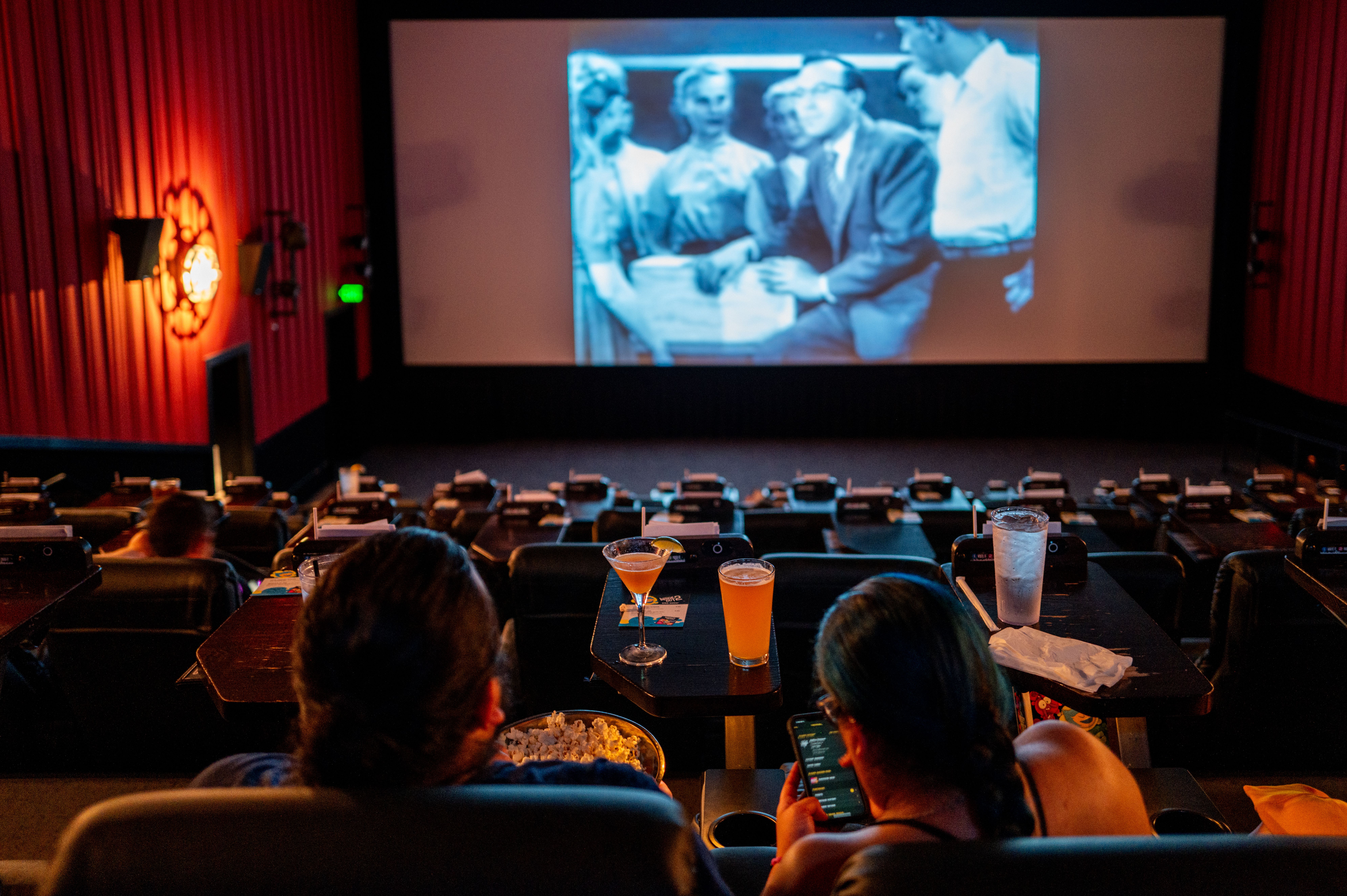
The question of “what movie is in the theater” is now inextricably linked to the technology that powers the venue. From the laser-driven visuals and object-based audio to the AI that manages the schedule and the apps that facilitate the journey, the modern cinema is a high-tech sanctuary. As we move forward, the integration of even more advanced technologies—such as glasses-free 3D, micro-LED screens that replace projectors entirely, and personalized audio zones—will continue to push the boundaries of what is possible. For the film enthusiast, this technological arms race ensures that the theater remains the premier venue for experiencing the magic of the movies.
aViewFromTheCave is a participant in the Amazon Services LLC Associates Program, an affiliate advertising program designed to provide a means for sites to earn advertising fees by advertising and linking to Amazon.com. Amazon, the Amazon logo, AmazonSupply, and the AmazonSupply logo are trademarks of Amazon.com, Inc. or its affiliates. As an Amazon Associate we earn affiliate commissions from qualifying purchases.