
For any traveler, expatriate, or investor looking toward the Great White North, understanding the local currency is the first step in achieving financial literacy within the Canadian context. While Canada shares a border and a name for its currency with the United States, its financial ecosystem is distinct, characterized by innovative security features, a highly centralized banking system, and a rapid shift toward a cashless society.
The official currency used in Canada is the Canadian Dollar (CAD). Known globally as a “commodity currency” due to Canada’s vast natural resources, the CAD is symbolized by the dollar sign ($) or sometimes C$ to distinguish it from other dollar-denominated currencies. This article explores the nuances of Canadian money, from the physical polymer notes in your wallet to the sophisticated digital payment infrastructures that define modern Canadian commerce.

The Anatomy of Canadian Currency: From Polymer Notes to the “Toonie”
Canada’s physical money is often a point of fascination for those accustomed to the paper-based notes of other nations. The Bank of Canada, the country’s central bank, has long been a pioneer in currency technology, prioritizing durability and the prevention of counterfeiting.
The Transition to Polymer: Security and Durability
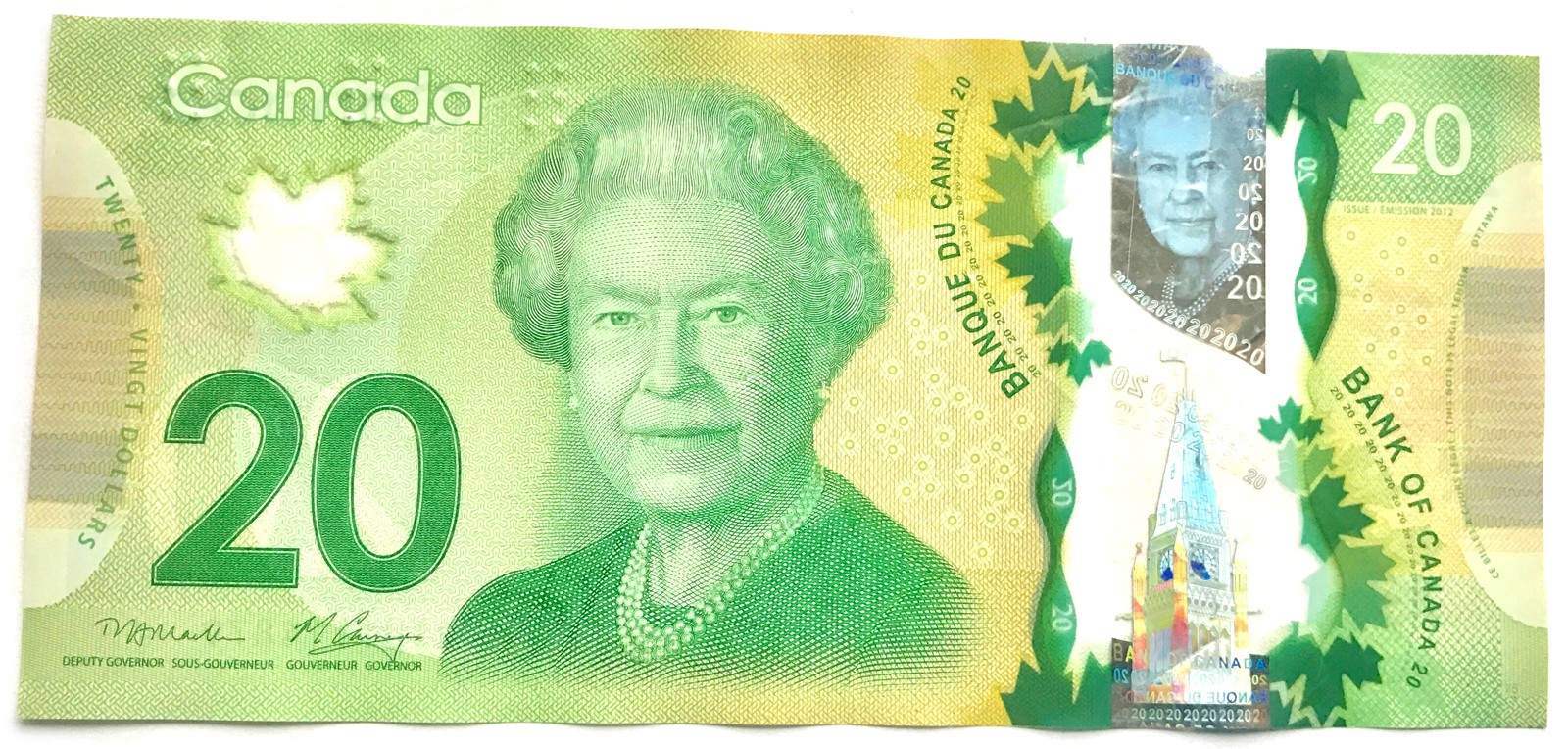
Since 2011, Canada has phased out paper banknotes in favor of polymer—a thin, flexible plastic film. These notes are significantly more durable than paper, lasting two to three times longer, and are even waterproof (a practical feature for Canada’s varied climate).
Beyond durability, polymer notes allow for advanced security features that are nearly impossible to replicate. These include transparent windows containing holographic images, raised ink that provides a tactile feel, and “hidden” numbers visible only under specific lighting. For the user, these features ensure confidence in the integrity of the currency, a vital component of a stable financial system.
Coins of the Realm: The Loonie, the Toonie, and the Phasing Out of the Penny
Canadian coins are equally distinct. The most iconic is the one-dollar coin, known as the “Loonie,” named after the common loon—a water bird depicted on the coin’s reverse. The introduction of the gold-colored Loonie in 1987 replaced the one-dollar bill. In 1996, Canada introduced the “Toonie,” a bi-metallic two-dollar coin featuring a polar bear.
In a move toward greater economic efficiency, the Canadian government officially stopped distributing the penny (one-cent coin) in 2013. While the penny remains legal tender, businesses no longer return them as change. Instead, cash transactions are rounded to the nearest five-cent increment. Digital transactions, however, continue to be processed to the exact cent, highlighting the different rules governing physical versus electronic money.
Modern Banking and Payment Systems in Canada
Canada boasts one of the safest and most stable banking systems in the world. Dominated by the “Big Five” banks—RBC, TD, Scotiabank, BMO, and CIBC—the infrastructure is highly integrated, allowing for seamless domestic transactions that are often the envy of other nations.
Interac e-Transfer: The Gold Standard of Peer-to-Peer Payments
If you live or do business in Canada, you will inevitably encounter “Interac e-Transfer.” This is the primary method for moving money between individuals and small businesses. Unlike the fragmented landscape of apps like Venmo or CashApp in the U.S., Interac is a proprietary national network used by almost all Canadian financial institutions.
The beauty of Interac lies in its simplicity: all that is required to send money is the recipient’s email address or mobile phone number. The funds are transferred securely through the banking network, usually within minutes. For side hustlers, freelancers, and landlords, Interac has become the backbone of the Canadian micro-economy, reducing the reliance on checks and cash.
Contactless Payments and Mobile Wallets
Canada has one of the highest rates of contactless payment adoption in the world. Known colloquially as “tapping,” the use of NFC (Near Field Communication) technology is ubiquitous. Whether at a major grocery chain or a local coffee shop, consumers can pay for transactions—usually up to $250—by simply tapping their credit card or mobile device (Apple Pay, Google Pay, or Samsung Pay) against the terminal. This efficiency has accelerated Canada’s transition toward a “cash-light” economy, where physical currency is becoming increasingly rare in day-to-day urban transactions.
Currency Exchange and Managing Finances for Newcomers
For those entering the Canadian financial market from abroad, managing the transition between currencies is a critical exercise in cost-saving. The “Money” niche often focuses on maximizing value, and nowhere is this more important than in currency conversion.
Avoiding High Fees: Best Practices for Currency Conversion
The most common mistake travelers and new residents make is exchanging money at airport kiosks or using “no-fee” exchange booths that offer poor exchange rates. To manage your money effectively, it is better to use Automated Banking Machines (ABMs) associated with major banks.
For larger sums—such as transferring savings for a down payment on a home—using a dedicated foreign exchange (FX) broker or a digital platform like Wise (formerly TransferWise) is often 2% to 5% cheaper than using a traditional bank. These platforms use the mid-market exchange rate and charge a transparent fee, ensuring that more of your money stays in your pocket.
Credit Cards and Transaction Fees in Canada
When using foreign credit cards in Canada, one must be wary of “Foreign Transaction Fees,” which typically add 2.5% to every purchase. Conversely, for those moving to Canada, establishing a Canadian credit history is a priority. Canadian credit cards often offer robust rewards programs, particularly in categories like groceries and travel. However, it is important to note that Canada uses the “Chip and PIN” system; while most terminals accept “swipe and sign,” having a card with an embedded chip is the standard for security and acceptance.
The Investment Landscape: Leveraging the Canadian Dollar
Beyond its use as a medium of exchange, the Canadian Dollar is an asset class. For those interested in personal finance and investing, the CAD offers unique opportunities and risks.
Diversifying with CAD-denominated Assets
The Canadian stock market, represented largely by the S&P/TSX Composite Index, is heavily weighted toward the financial, energy, and materials sectors. Investing in Canada often means taking a position on global commodity cycles. For an investor, holding Canadian dollars provides a hedge against inflation in other regions, especially when oil prices are high.
Furthermore, Canada offers tax-advantaged accounts that are essential for long-term wealth building. The Tax-Free Savings Account (TFSA) and the Registered Retirement Savings Plan (RRSP) are two pillars of Canadian personal finance. Understanding how to contribute CAD to these accounts to purchase stocks, bonds, or GICs (Guaranteed Investment Certificates) is fundamental to financial success in the country.
Inflation and the Purchasing Power of the Canadian Dollar
Like many developed economies, Canada has faced inflationary pressures in recent years. The Bank of Canada manages this through interest rate adjustments. For the individual, this means the “value” of the money in their savings account is constantly shifting. Savvy financial management in Canada requires moving beyond simple savings and into interest-bearing accounts or diversified investment portfolios to ensure that purchasing power does not erode over time.
Digital Finance and the Future of Money in Canada
The future of money in Canada is increasingly digital, driven by both consumer demand and technological innovation in the fintech sector.
The Rise of Fintech and Online Banking
While the “Big Five” banks still dominate, “Challenger Banks” and fintech platforms are disrupting the status quo. Companies like Wealthsimple and EQ Bank have revolutionized how Canadians save and invest by offering lower fees and higher interest rates compared to traditional institutions. These platforms prioritize user experience and digital-first interfaces, making financial management more accessible to the tech-savvy generation.
Central Bank Digital Currency (CBDC) Explorations
The Bank of Canada is currently researching the potential for a “Digital Canadian Dollar.” While no decision has been made to replace physical cash, the exploration of a CBDC signals a recognition that the nature of money is evolving. A digital dollar would aim to provide the benefits of digital payments—speed and accessibility—with the security and backing of a central bank. For the consumer, this could eventually mean a world where the “Loonie” exists entirely as a secure digital token in a government-backed wallet.

Conclusion
Understanding “what money they use in Canada” goes far beyond recognizing the bird on the one-dollar coin. It involves navigating a sophisticated landscape of polymer banknotes, the Interac payment network, and a banking system that is rapidly embracing the digital future. Whether you are managing daily expenses, transferring funds across borders, or building a long-term investment portfolio, a deep understanding of the Canadian monetary system is an essential tool for financial empowerment. In Canada, money is more than just currency; it is a reflection of a stable, innovative, and increasingly digital economy.
aViewFromTheCave is a participant in the Amazon Services LLC Associates Program, an affiliate advertising program designed to provide a means for sites to earn advertising fees by advertising and linking to Amazon.com. Amazon, the Amazon logo, AmazonSupply, and the AmazonSupply logo are trademarks of Amazon.com, Inc. or its affiliates. As an Amazon Associate we earn affiliate commissions from qualifying purchases.