
The faint pink line, the expectant wait, the all-important result – a pregnancy test is a common yet profoundly significant piece of technology. While often associated with biological outcomes, the modern pregnancy test is, at its core, a sophisticated piece of diagnostic hardware and software. Understanding the symbols and indicators, like the enigmatic “C,” offers a glimpse into the digital processes that confirm or deny pregnancy, revealing a fascinating intersection of biology and technology. Far from being a simple chemical reaction captured on paper, the digital pregnancy test represents an accessible gateway into the world of biosensors, microfluidics, and sophisticated data interpretation.
The Evolution of Home Diagnostics: From Analog to Digital
For decades, pregnancy tests relied on a more analog system, often involving visual interpretation of lines. However, the advent of digital pregnancy tests has revolutionized this experience, offering greater clarity and a more user-friendly interface. This evolution is a testament to the rapid advancements in miniaturized sensors and embedded processing capabilities that have become increasingly commonplace in our everyday technology.
The Analog Foundation: Antibody-Antigen Interactions
At the heart of every pregnancy test, whether analog or digital, lies a fundamental scientific principle: the detection of human chorionic gonadotropin (hCG). hCG is a hormone produced by the developing placenta shortly after conception. The test strips are impregnated with antibodies that specifically bind to hCG.
How Antibodies Detect hCG
When a urine sample is applied to the test, it flows over these antibodies. If hCG is present in sufficient concentration, it will bind to the antibodies. This binding event is the crucial first step in triggering a visible result. The antibodies are also linked to a chemical dye or enzyme that, upon binding with hCG, undergoes a reaction that produces a color.
The Role of the Control Line
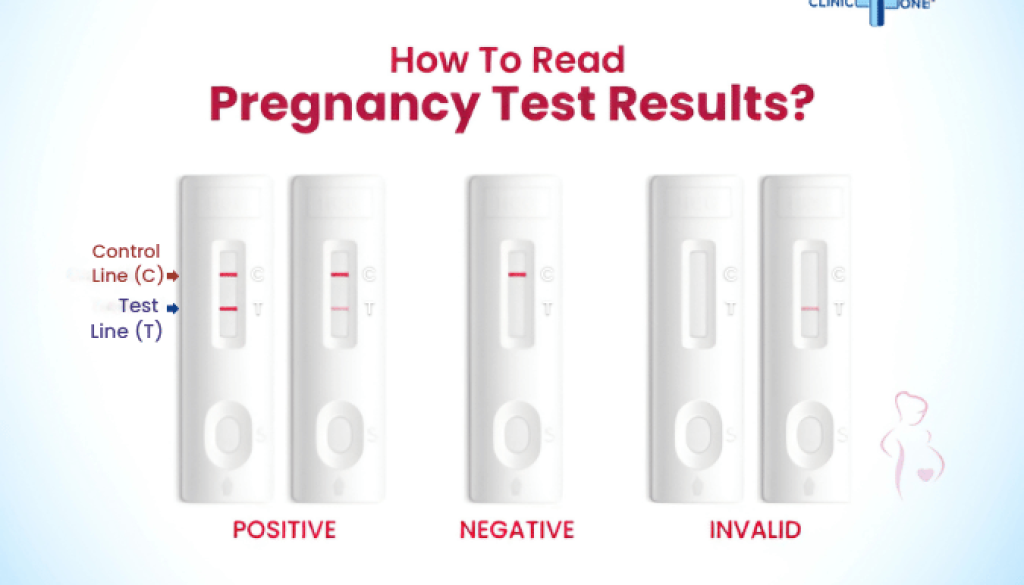
In traditional line-based tests, a “control line” appears regardless of the presence of hCG. This line serves as a vital indicator that the test has been performed correctly and that the absorbent material has drawn the urine up the strip as intended. Its presence signifies the test’s functionality.
The Digital Leap: Enhanced Accuracy and Interpretation
Digital pregnancy tests build upon this fundamental antibody-antigen reaction but introduce a layer of sophisticated electronic processing and display. Instead of relying solely on visual interpretation of lines, these devices employ sensors to quantify the binding events and then translate this data into a clear, unambiguous digital readout.
The “C” as a Digital Confirmation
In most digital pregnancy tests, the “C” symbol is not directly related to the detection of hCG. Instead, it functions as a digital representation of the Control or Confirmation line. This “C” is activated by the same underlying chemical reaction that would produce the control line in an analog test. Its appearance signifies that the test is working correctly and that the internal mechanisms have successfully processed the urine sample. Think of it as a digital “system check” running alongside the pregnancy detection.
The “T” for Test Result
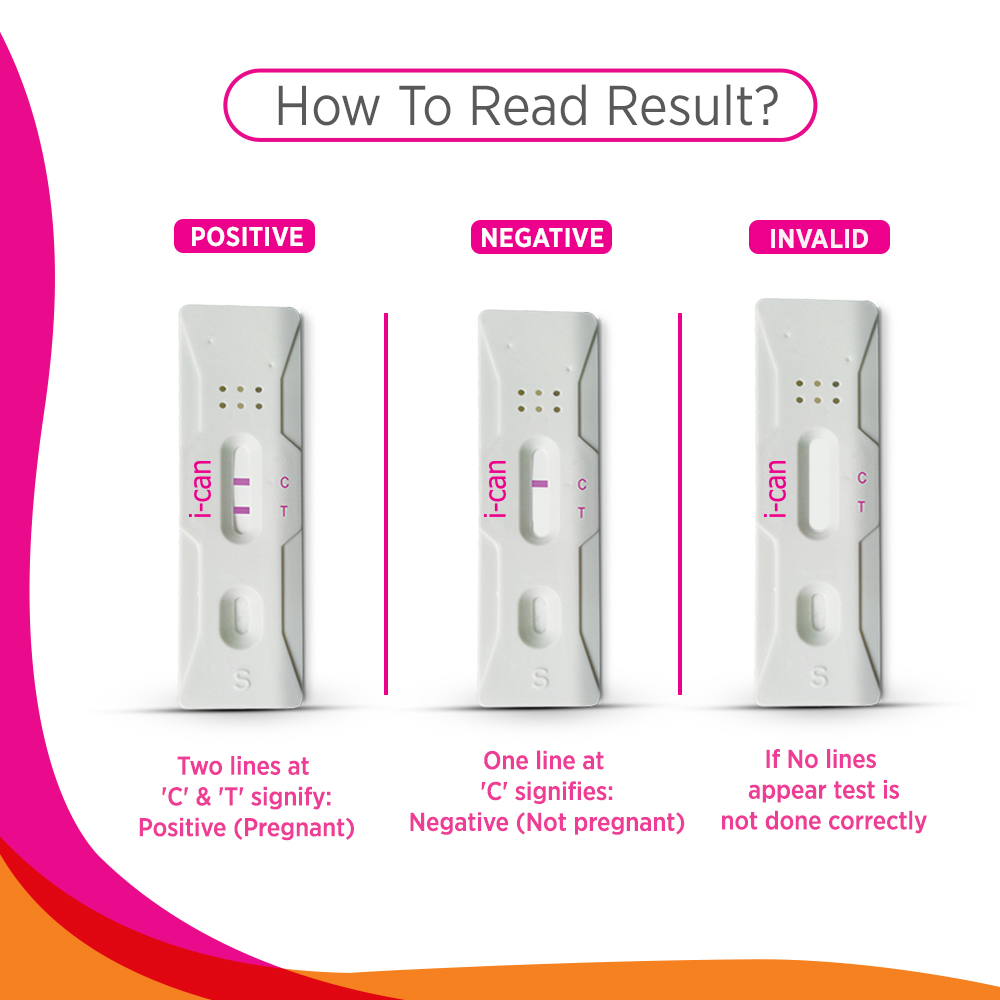
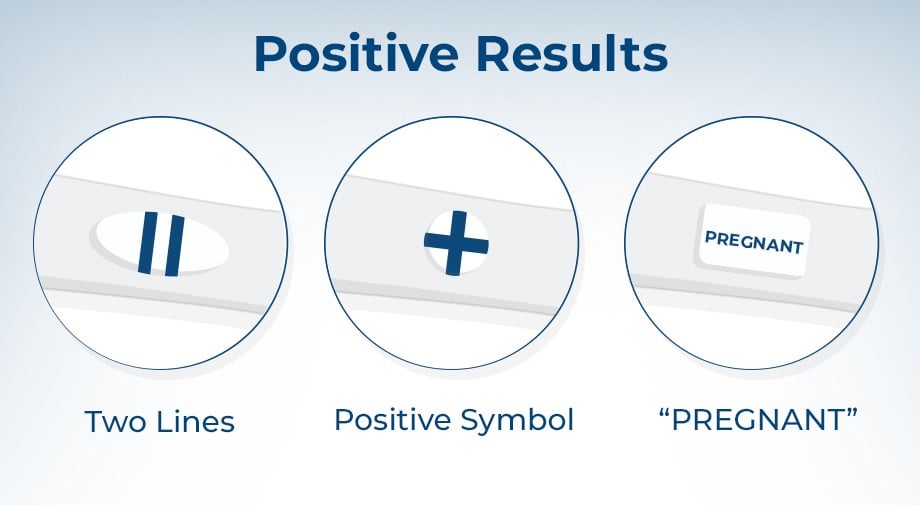
Complementing the “C” is the “T” symbol, which represents the Test result. This symbol is only activated if hCG is detected in the urine sample at a sufficient level. Therefore, a digital readout showing “C” and “T” indicates a positive pregnancy. If only the “C” appears, it signifies a negative result. The digital display eliminates the ambiguity that can sometimes arise from interpreting faint lines in analog tests, providing a more definitive answer.
Decoding the Digital Interface: Beyond “C” and “T”
While the “C” and “T” are fundamental to understanding basic pregnancy test results, modern digital tests often offer even more sophisticated information, showcasing the power of integrated technology in personal health monitoring. These advancements highlight how consumer-grade technology is becoming increasingly adept at providing complex biological insights.
Quantitative vs. Qualitative Results
The earliest digital pregnancy tests were primarily qualitative, meaning they provided a simple “yes” or “no” answer (e.g., “Pregnant” or “Not Pregnant”). However, more advanced digital tests can now offer quantitative results. These tests can measure the concentration of hCG in the urine, often expressed in milli-International Units per milliliter (mIU/mL).
The Significance of hCG Levels
Quantitative hCG readings can be incredibly valuable for healthcare providers. They can help to:
- Date the pregnancy: hCG levels typically rise predictably in early pregnancy.
- Monitor pregnancy progression: Doctors can track hCG levels to ensure a pregnancy is developing normally.
- Detect potential issues: A sudden drop or failure to rise in hCG levels can sometimes indicate an ectopic pregnancy or miscarriage.
This quantitative data is achieved by employing more sensitive sensors within the digital test that can measure the intensity of the signal generated by the antibody-hCG binding. This signal is then processed by the embedded microchip and translated into a numerical value displayed on the screen.
Understanding Additional Digital Indicators
Beyond the basic “C” and “T” indicators or numerical hCG values, some digital pregnancy tests incorporate other technological features to enhance the user experience and provide more information.
Smart Timing and Sample Application Sensors
Many digital tests have built-in timers and sensors that monitor how the test is being used. For instance, a test might display a blinking icon to indicate it’s processing or a message like “Error” if the sample wasn’t applied correctly or if the test was submerged for too long. These features are enabled by simple electronic circuits and microcontrollers that are now standard in many small electronic devices.
Battery Life and Device Status Indicators
Like any electronic gadget, digital pregnancy tests have internal components that require power. Some advanced devices might even provide indicators related to battery life or the overall operational status of the test, ensuring the user can trust the device’s integrity before relying on its results. This level of detail, while seemingly minor, underscores the integration of standard electronic design principles into diagnostic tools.
The Technology Behind the Digital Readout
The seemingly simple digital display on a pregnancy test is the culmination of intricate technological processes, miniaturized components, and clever engineering. It’s a powerful example of how technology has democratized access to sophisticated diagnostic information.
Microfluidics: The Unseen Highway for Urine
At the heart of the test strip lies a network of microscopic channels, a field known as microfluidics. When urine is applied, it’s drawn through these channels by capillary action. This precisely controlled flow ensures that the urine interacts with the reactive elements on the strip in a predictable and efficient manner.
How Microfluidics Guides the Sample
The design of these channels is critical. It dictates the speed at which the urine travels, how it spreads across the test area, and how it encounters the immobilized antibodies. This controlled environment is essential for obtaining accurate and reproducible results. The manufacturing of these microfluidic channels relies on advanced fabrication techniques, often involving precision molding or etching processes similar to those used in the semiconductor industry.
Biosensors: The Ears of the Test
The reactive zones on the test strip function as biosensors. These are devices that convert a biological reaction into a measurable signal. In the case of a pregnancy test, the biological reaction is the binding of hCG to the antibodies.
Translating Binding into a Signal
The antibodies are often chemically linked to substances that produce an optical or electrical signal when hCG is present. In analog tests, this signal manifests as a visible color change. In digital tests, this signal is detected by an optical sensor or an electrochemical sensor embedded within the device. This sensor then converts the biological event into an electrical signal.
Microprocessors and Software: The Brains of the Operation
The electrical signal generated by the biosensor is then transmitted to a tiny microprocessor embedded within the digital test. This microprocessor, essentially a miniature computer, executes a program (software) that interprets the signal.
Interpreting Data and Displaying Results
The software is designed to:
- Identify the “C” signal: It looks for the expected electrical signature that indicates the control line has been activated, confirming the test’s functionality.
- Identify the “T” signal: It simultaneously searches for the electrical signature indicative of hCG binding.
- Process quantitative data (if applicable): For tests that measure hCG levels, the microprocessor analyzes the strength of the signal and applies algorithms to calculate the concentration.
- Generate the digital output: Based on its interpretation, the software instructs the digital display to show the appropriate symbols (“C”, “T”), words (“Pregnant”, “Not Pregnant”), or numerical values.
The development of this software requires expertise in embedded systems programming and algorithms specifically tailored for bio-signal interpretation. The compact nature and low power consumption of these microprocessors are key technological enablers for the portability and affordability of digital pregnancy tests.
The Future of Home Diagnostic Technology
The digital pregnancy test is a prime example of how technology is continuously enhancing personal health and well-being. What began as a simple chemical test has evolved into a sophisticated, user-friendly digital device, accessible to millions worldwide. This evolution promises even more integrated and informative home diagnostic tools in the future.
Increased Connectivity and Data Integration
The next frontier for personal diagnostic devices, including pregnancy tests, likely involves greater connectivity. Imagine a future where a digital pregnancy test can wirelessly sync with your smartphone or a health monitoring app.
Smart Health Platforms and Predictive Analytics
This integration could allow for:
- Automated tracking of hCG levels: Providing a continuous record of your hormonal fluctuations.
- Personalized health insights: Offering tailored advice based on your individual data.
- Early detection of potential complications: Alerting you and your healthcare provider to any anomalies sooner.
This move towards connected diagnostics is a natural progression of the technology that already powers our smartphones and wearables.
Broader Applications of Biosensing Technology
The principles behind the digital pregnancy test – microfluidics, biosensing, and embedded processing – are being applied to a wide array of other diagnostic tools. From glucose monitors for diabetics to rapid COVID-19 tests, the underlying technology is becoming increasingly versatile.
Miniaturization and Point-of-Care Diagnostics
The ongoing trend of miniaturization means that these sophisticated diagnostic capabilities will continue to shrink, becoming even more portable and accessible. This will further empower individuals to monitor their health in the comfort of their own homes, moving more diagnostic processes to the “point-of-care” – which in this case, is your own bathroom. The digital “C” is not just a symbol on a test; it’s a marker of technological progress that has made a profoundly personal experience clearer, more accurate, and more informative.
aViewFromTheCave is a participant in the Amazon Services LLC Associates Program, an affiliate advertising program designed to provide a means for sites to earn advertising fees by advertising and linking to Amazon.com. Amazon, the Amazon logo, AmazonSupply, and the AmazonSupply logo are trademarks of Amazon.com, Inc. or its affiliates. As an Amazon Associate we earn affiliate commissions from qualifying purchases.