
Harvesting game meat represents a significant investment, encompassing not just the cost of licenses, gear, and travel, but also the considerable time, effort, and skill expended during the hunt and initial processing. For many, game meat serves as a valuable, sustainable food source, offering substantial savings on grocery bills. For others, it’s a commodity for commercial ventures or a prized component of culinary experiences. In either scenario, the spoilage of game meat equates directly to a financial loss – a waste of resources, time, and potential value. Understanding the myriad factors that can lead to spoilage is, therefore, a critical aspect of protecting this investment and maximizing its return.

The Hidden Financial Costs of Game Meat Spoilage
The moment an animal is harvested, its meat becomes a perishable asset, subject to degradation if not handled correctly. The financial ramifications of spoilage extend far beyond the immediate loss of the meat itself. They permeate various layers of the hunting and food supply chain, impacting individual finances, business profitability, and even long-term health.
Investment in the Hunt: Time, Gear, and Permits
Consider the typical expenses associated with a game hunt. Licenses and tags can range from tens to hundreds or even thousands of dollars, depending on the species and location. Essential gear, including firearms or bows, ammunition, clothing, optics, and specialized field dressing tools, represents a substantial upfront investment, often totaling thousands. Beyond monetary outlays, there’s the invaluable investment of time: scouting trips, physical conditioning, travel to and from hunting grounds, and the actual duration of the hunt itself. For many, this could mean days or weeks away from work or other income-generating activities. When game meat spoils, every dollar spent and every hour invested is effectively negated, turning a promising harvest into a costly write-off. This isn’t merely the loss of a meal; it’s the forfeiture of a complete financial and experiential endeavor.
Beyond the Immediate Loss: Health Risks and Reputation
The financial fallout from spoiled meat isn’t always confined to direct expenses. Consuming contaminated or spoiled game meat can lead to severe foodborne illnesses, necessitating medical attention, lost wages due to sickness, and potential long-term health complications. The costs associated with healthcare, medication, and recovery can quickly eclipse the initial value of the meat.
For commercial operations—such as guiding services that provide meat processing, or restaurants sourcing wild game—spoilage carries an additional layer of financial risk: reputational damage. A single incident of spoiled meat can erode customer trust, lead to negative reviews, and result in a significant downturn in business. Rebuilding a tarnished reputation can be a lengthy and expensive endeavor, involving marketing campaigns, discounts, and meticulous quality control over extended periods. In the highly competitive culinary and hunting outfitting industries, reputation is a cornerstone of financial success, and its damage translates directly into lost revenue and diminished brand equity.
Environmental and Biological Threats to Your Investment
To effectively protect the financial value of game meat, one must first identify and understand the primary mechanisms through which it spoils. These threats are largely environmental and biological, initiating the decomposition process and rendering the meat unsafe or undesirable for consumption.
Temperature Abuse: The Prime Culprit
Temperature control is arguably the single most critical factor in preserving game meat. Meat spoilage is primarily driven by the proliferation of bacteria, and most harmful bacteria thrive in the “danger zone” between 40°F (4°C) and 140°F (60°C). After an animal is harvested, its body temperature is still high. If the carcass is not rapidly cooled, this internal heat, combined with ambient temperatures, creates an ideal incubator for bacterial growth. This process accelerates in warmer climates and if the animal is left un-field-dressed for too long.
Failure to cool the meat promptly and adequately leads to what is known as “bone sour” or deep spoilage, which often isn’t detectable from the surface. Once spoilage begins internally, it quickly spreads, making large portions of the meat unusable. This directly impacts the yield, reducing the recoverable financial asset. Furthermore, freezing meat that has already begun to spoil merely halts the bacterial action; it does not reverse the spoilage or eliminate the toxins produced, creating a false sense of security and potentially leading to health risks later.
Contamination: Microbes and Residues
Beyond temperature, contamination poses a significant threat to meat quality and safety. During field dressing and transport, meat can be exposed to a variety of contaminants:
- Fecal matter and gut contents: Improper gutting techniques can rupture intestines, spreading bacteria (like E. coli or salmonella) onto the meat surfaces.
- Soil, dirt, and plant material: Contact with the ground during processing or transport introduces environmental bacteria.
- Insects: Flies and other insects can lay eggs or transfer bacteria to exposed meat.
- Hair and hide: While not inherently harmful, hair can carry bacteria and dirt, which can then transfer to the meat.
- Environmental toxins: In certain areas, meat can absorb contaminants from the environment, though this is less common for immediate spoilage and more for long-term safety.
These contaminants introduce a bacterial load that accelerates spoilage, even if temperature control is adequate. Meat that appears fresh might harbor dangerous pathogens from initial contamination, leading to illness and financial loss due to medical expenses.
Physical Damage and Poor Handling
Physical trauma and improper handling can also contribute to spoilage and reduce the financial yield. Bruising from the impact of a bullet or arrow, or from rough handling during transport, can create pockets of blood and damaged tissue that spoil more rapidly than healthy muscle. Excessive exposure to air can lead to “freezer burn” if not properly packaged, dehydrating the meat and causing an undesirable texture and flavor, effectively reducing its quality and value. Similarly, meat that is left to sit in standing water or is poorly drained can develop a slimy texture and off-flavors. Each instance of physical damage or poor handling results in a smaller amount of usable, high-quality meat, directly eroding the financial return on the hunting investment.
Strategic Investments in Preservation to Protect Your Asset
Protecting the value of game meat requires a proactive, strategic approach to preservation. Viewing proper handling and storage techniques as investments—both of time and resources—is key to safeguarding your harvest and ensuring maximum financial yield.
Field Dressing and Cooling: The Critical First Steps
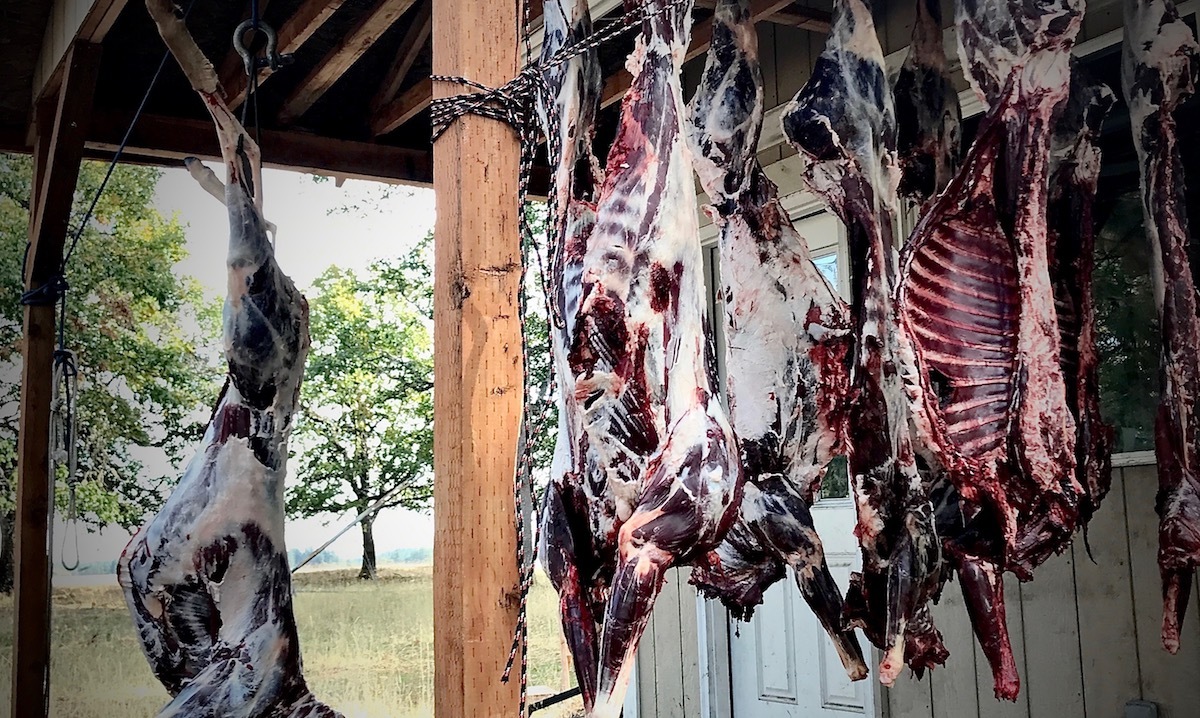
The initial moments after a harvest are the most critical. Rapid and thorough field dressing is paramount. This involves removing the entrails as quickly as possible to reduce bacterial load and allow the carcass to begin cooling from the inside out. Carrying appropriate knives, gloves, and a tarp or clean plastic sheet can minimize contamination during this process.
Immediately after field dressing, the focus must shift to cooling. If ambient temperatures are high, proactive measures are essential. This could involve packing the body cavity with ice (if readily available and able to be kept clean), hanging the carcass in a shaded, well-ventilated area, or even submerging it in a cool stream (with proper precautions to prevent water contamination of the meat). Specialized game bags, designed to protect the meat from insects and dirt while allowing air circulation, are a small investment that can yield significant returns by preventing early spoilage. Investing in a reliable thermometer to monitor internal meat temperature is also a wise decision, providing objective data on cooling progress.
Professional Processing and Storage Solutions
While some hunters prefer to butcher their own game, entrusting the processing to a reputable professional butcher is a strategic investment for many. Professional processors have the expertise, specialized equipment, and controlled environments (like walk-in coolers) necessary to properly break down, clean, and prepare the meat, maximizing yield and minimizing contamination. Their services, while an upfront cost, often pay for themselves by ensuring more usable meat and reducing spoilage risk.
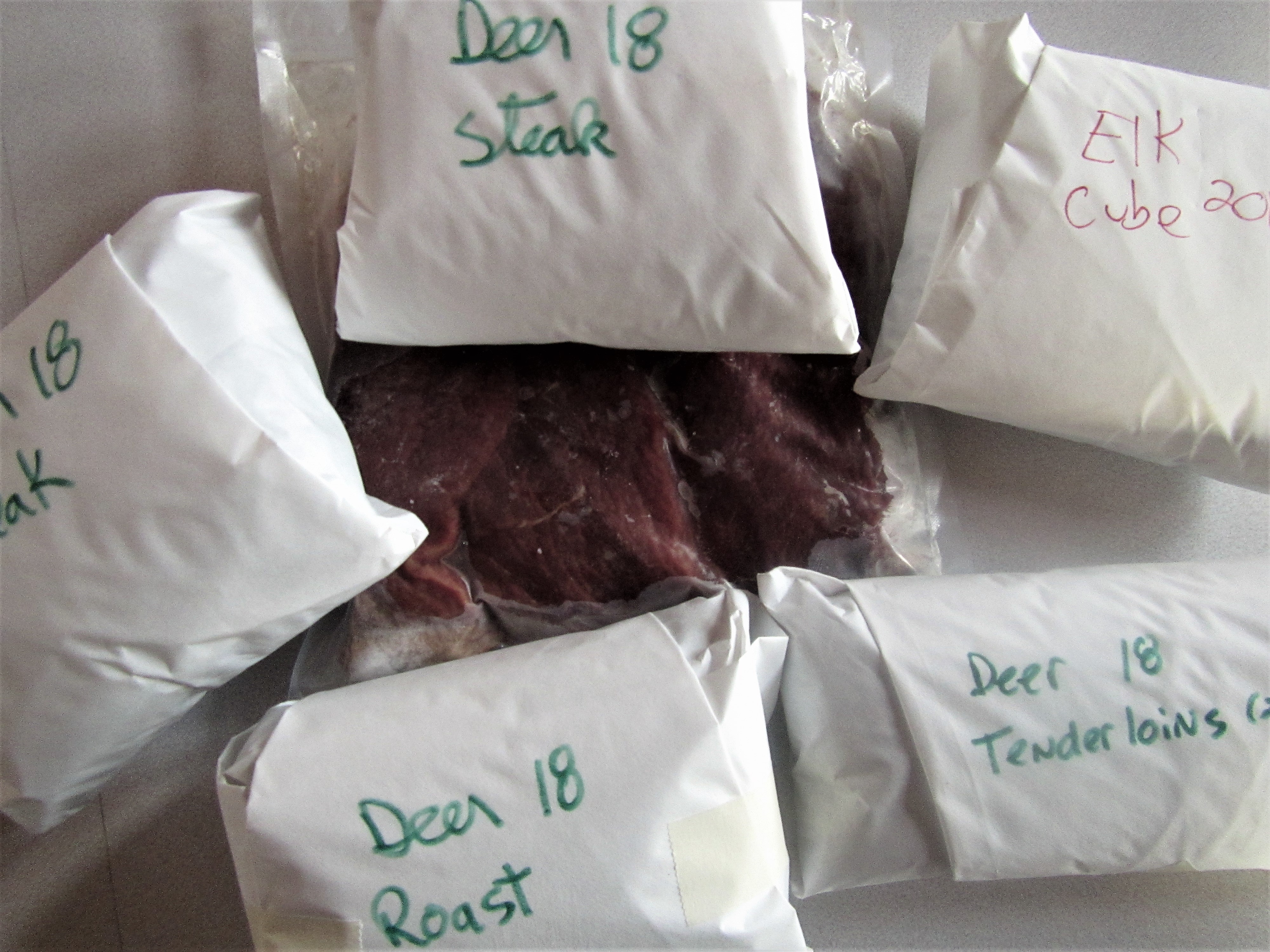
For long-term storage, the choice of equipment is a direct financial investment in preservation. A high-quality chest or upright freezer with consistent temperature control is indispensable. Vacuum sealers, another valuable investment, remove air from packaging, dramatically extending shelf life by preventing freezer burn and inhibiting aerobic bacteria. Properly labeled and dated packages ensure inventory management, reducing waste from forgotten or over-aged meat.
Technology as an Asset Protector: Monitoring and Packaging
Modern technology offers several tools that can act as asset protectors for game meat. Portable refrigeration units or well-insulated coolers with quality ice packs are crucial for transporting meat from the field to a processing facility without breaking the cold chain. Digital thermometers with probes allow for precise monitoring of internal meat temperatures during cooling and storage, alerting you to potential issues before spoilage becomes irreversible.
For larger operations or those with multiple freezers, smart freezer monitors can connect to a network, sending alerts to a smartphone if temperatures deviate from the safe zone. This allows for immediate intervention, preventing potentially catastrophic losses. Advanced packaging materials and techniques, beyond basic freezer paper or bags, also represent an investment in preserving the meat’s quality over time, ensuring that the valuable product remains palatable and safe until consumption.
Maximizing Return: The Financial Upside of Diligent Preservation
The proactive management of game meat spoilage isn’t merely about avoiding losses; it’s fundamentally about maximizing the financial return on a significant investment. Every measure taken to preserve the quality and safety of the meat directly contributes to its utility and value.
Sustaining Your Food Supply and Savings
For individuals and families who rely on game meat as a significant portion of their annual food supply, successful preservation translates directly into substantial savings. A single deer, properly processed and stored, can provide dozens of meals, significantly reducing reliance on expensive grocery store purchases. The monetary value of this sustained food source over months or even a year can easily outweigh the costs associated with hunting and preservation. When spoilage occurs, those anticipated savings evaporate, forcing a return to more costly alternatives. Therefore, diligent preservation is a direct investment in personal or family financial resilience and food security.
Commercial Value and Business Continuity
For businesses involved in game meat—whether through guiding services that offer processing, wild game catering, or specialty food sales—meticulous spoilage prevention is non-negotiable for business continuity and profitability. Every pound of spoiled meat is a direct hit to the bottom line, representing lost revenue and wasted operational costs. Conversely, a reputation for consistently high-quality, safe game meat can command premium prices and foster customer loyalty, driving profitability. Investing in staff training, state-of-the-art processing equipment, and rigorous quality control protocols ensures that the product reaching the consumer is of the highest standard, protecting the brand’s financial health and market position. The ability to consistently deliver a premium product means sustained income and business growth, directly linked to effective spoilage prevention.
Educational Investment: Knowledge as a Financial Safeguard
Perhaps the most underrated investment in preventing spoilage is the investment in knowledge. Understanding the science behind meat degradation, learning best practices for field dressing and cooling, and staying informed about food safety guidelines are invaluable. This educational investment equips hunters and processors with the tools to make informed decisions at every stage, from the moment of harvest to the final preparation. Resources such as workshops, certifications, reputable online guides, and experienced mentors can significantly enhance one’s ability to protect their game meat investment. This knowledge acts as a continuous financial safeguard, minimizing the likelihood of costly errors and ensuring that the significant financial and personal effort put into obtaining game meat culminates in a safe, valuable, and enjoyable food source.
aViewFromTheCave is a participant in the Amazon Services LLC Associates Program, an affiliate advertising program designed to provide a means for sites to earn advertising fees by advertising and linking to Amazon.com. Amazon, the Amazon logo, AmazonSupply, and the AmazonSupply logo are trademarks of Amazon.com, Inc. or its affiliates. As an Amazon Associate we earn affiliate commissions from qualifying purchases.