
In the modern healthcare landscape, the efficient management of clinical data is the backbone of patient care. While advanced Electronic Health Records (EHR) systems have revolutionized how information is stored, the role of the medical transcriptionist remains a critical link in the chain of documentation. Far from being a relic of the past, professional transcription is an essential side hustle and career path for those with an eye for detail, a command of medical terminology, and a desire to build a sustainable income stream in the healthcare sector.
The Core Function: Bridging Voice and Data
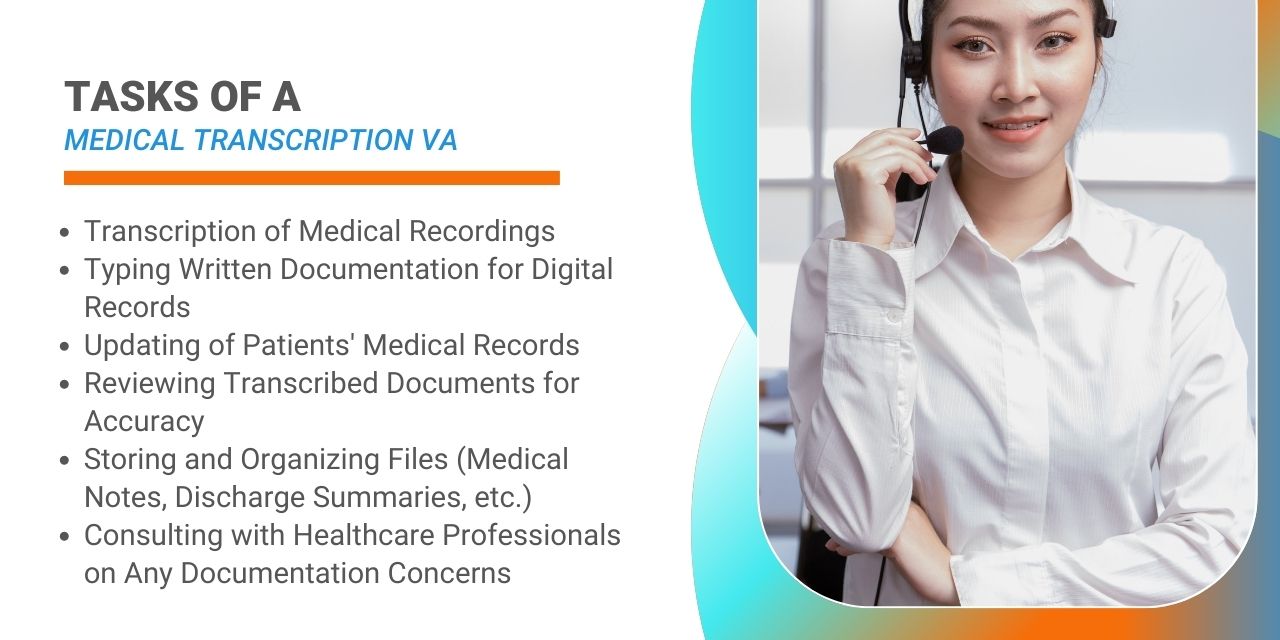
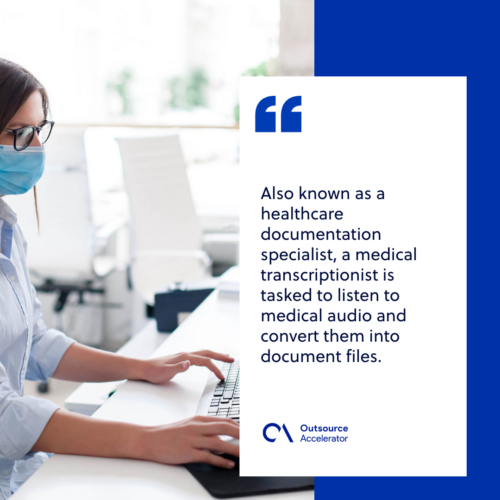
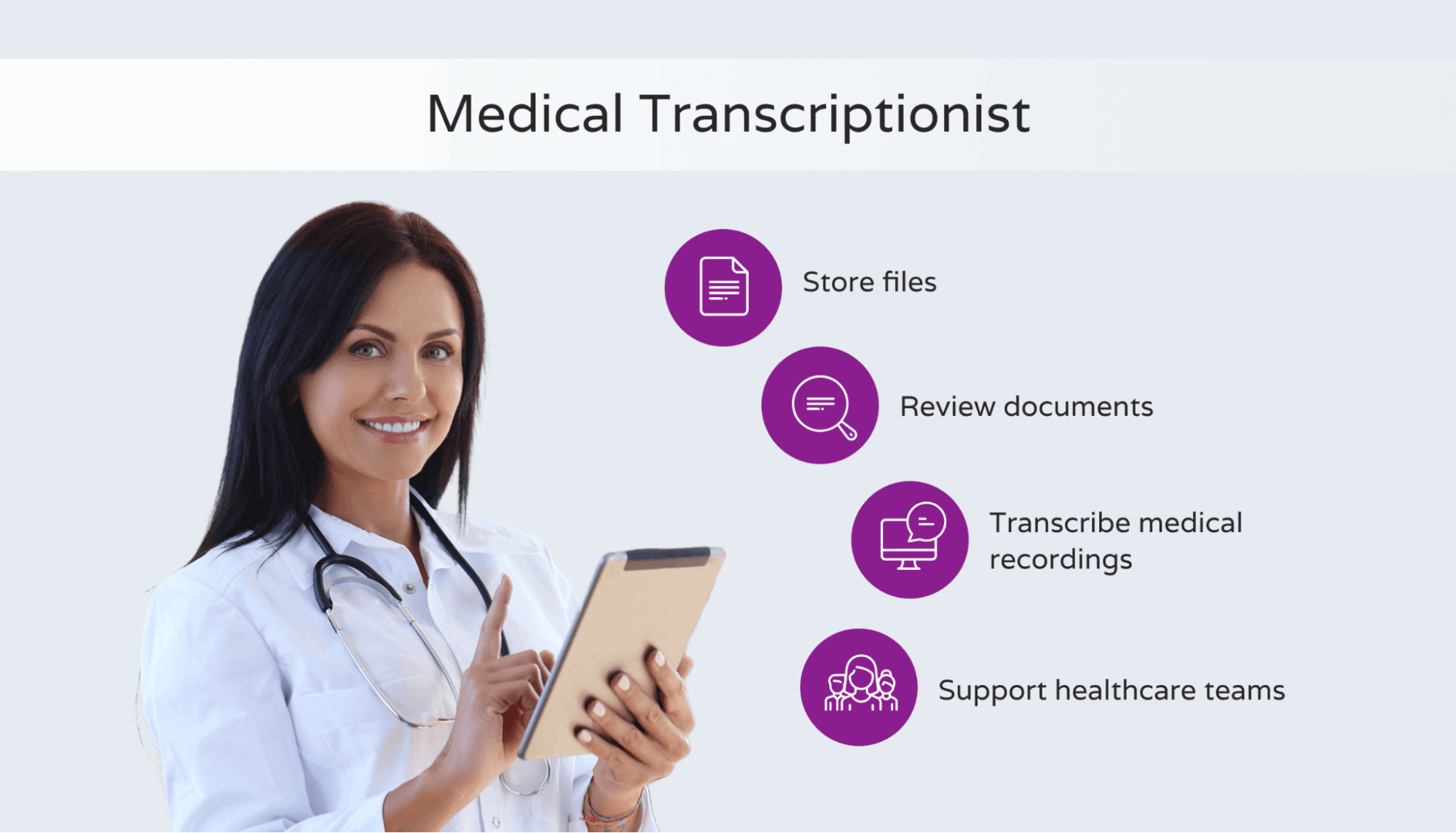
At its most fundamental level, a medical transcriptionist acts as the bridge between a physician’s dictated notes and the structured medical record. When a doctor examines a patient, they often provide a narrative summary of the encounter—the symptoms, the diagnosis, the treatment plan, and the follow-up instructions. These voice files are then routed to a transcriptionist, who converts the audio into a clean, accurate, and legally compliant text document.
Decoding Complexity
Medical dictation is rarely as simple as basic conversation. It is a dense web of complex medical jargon, pharmaceutical names, and anatomical terminology. A medical transcriptionist does more than just type; they translate shorthand and sometimes mumbled or rushed speech into professional-grade clinical documentation. This requires a deep understanding of medical prefixes, suffixes, and terminology, ensuring that a transcription for a cardiologist is as accurate as one for a radiologist.
The Role of Editing and Auditing
In recent years, the industry has shifted significantly toward “Medical Editing” or “Speech Recognition Editing.” With the proliferation of Artificial Intelligence (AI) and speech-to-text software, the doctor’s dictation is often pre-transcribed by a machine. The transcriptionist’s role has evolved to become an editor, verifying the AI’s output against the raw audio file. This is a high-level cognitive task, as the transcriptionist must spot subtle errors in AI-generated text that could have profound implications for patient safety or billing accuracy.
The Business of Medical Transcription as a Side Hustle
For many individuals, medical transcription represents an ideal avenue for generating supplemental income. Unlike gig economy roles that require physical travel or rigid storefront hours, medical transcription is inherently digital and flexible, making it a staple of the “Work from Home” economy.
Setting Up Your Workflow
To treat transcription as a viable income stream, one must approach it with the mindset of a freelancer or a small business owner. The barrier to entry is relatively low, provided the transcriptionist is willing to invest in the right infrastructure.
- Hardware Essentials: A high-quality set of noise-canceling headphones is mandatory to capture the nuance of audio files. Furthermore, a foot pedal is the industry-standard tool for playback control, allowing the transcriptionist to pause, rewind, and fast-forward audio without removing their hands from the keyboard.
- Software Proficiency: Mastery of industry-specific word processors and EHR platforms is non-negotiable. Modern transcriptionists must be comfortable navigating secure cloud environments where Protected Health Information (PHI) is handled.
Understanding the Revenue Model
Income in this field is typically structured in one of two ways: per line or per audio minute. Per-line billing is the historical standard, where the transcriptionist is paid based on the physical lines of text produced. Conversely, per-audio-minute is becoming increasingly popular in the age of AI editing, as it compensates the worker for the time spent auditing the automated output regardless of the length of the final document. Developing speed and high-accuracy typing skills is the primary driver for increasing hourly earnings, turning this into a scalable side hustle.
Critical Requirements: Accuracy, Security, and Compliance
Because the work involves sensitive patient information, medical transcriptionists operate under a rigorous framework of professional standards. This isn’t just about grammar; it is about data integrity and legal adherence.
HIPAA and Data Security
In the United States, the Health Insurance Portability and Accountability Act (HIPAA) dictates how patient data must be handled. A transcriptionist is a “business associate” in the eyes of the law. This means you must be strictly committed to the security of the files you handle. This involves using encrypted hardware, avoiding public Wi-Fi networks, and strictly following the protocols set forth by healthcare providers. Those looking to build a career or a business in this field must prioritize cybersecurity as a core business competency.
The Impact of Precision on Healthcare Outcomes
The stakes in medical transcription are higher than in any other form of professional writing. A typo or a misheard medication dosage is not merely a “bad edit”—it is a potential medical error. Transcriptionists provide a vital safety layer by identifying inconsistencies in dictation. For example, if a physician mentions a medication that is contraindicated for the patient’s underlying condition, a skilled transcriptionist will flag this for review. This level of diligence makes the transcriptionist a silent partner in clinical quality control.
The Future: Staying Competitive in an AI-Driven Market
As AI tools continue to improve, many wonder if the need for human transcriptionists will vanish. On the contrary, the market is shifting toward a higher-level human-in-the-loop requirement.
Niche Specialization
Generalists are increasingly competing with low-cost automated tools. To secure a lucrative future in this sector, the most successful individuals are specializing. By focusing on niche areas like oncology, orthopedics, or neurology, a transcriptionist can command higher rates. These fields require a level of deep domain knowledge that generic AI often fails to capture, particularly when dealing with complex multi-syllabic drug names and experimental procedures.
The Shift Toward Virtual Scribing
A subset of the medical transcription world is “Virtual Scribing.” This involves real-time documentation where the transcriptionist listens to the encounter live via a secure connection and creates the documentation as the visit unfolds. This reduces the administrative burden on the physician, allowing them to focus entirely on the patient rather than the computer screen. This evolving role commands higher compensation and represents a shift from “back-office data entry” to “front-office clinical support.”
Building a Sustainable Career Path
Whether you approach this as a side hustle to augment your salary or as a full-time career move, the key to success is professional development. This involves consistent training in medical terminology, staying updated on the latest documentation software, and building a reputation for impeccable accuracy and reliability. In a healthcare system that is becoming increasingly digital, the ability to turn raw human speech into precise, structured data is a skill that will remain in high demand.
The role of the medical transcriptionist is a blend of linguistic skill, technological aptitude, and clinical knowledge. By leveraging the right tools and focusing on high-accuracy, high-security work, individuals can turn this niche into a rewarding and flexible source of income. As the healthcare industry continues to move toward more complex data requirements, the professional transcriptionist will continue to be the essential link that ensures clinical information remains accurate, accessible, and actionable.
aViewFromTheCave is a participant in the Amazon Services LLC Associates Program, an affiliate advertising program designed to provide a means for sites to earn advertising fees by advertising and linking to Amazon.com. Amazon, the Amazon logo, AmazonSupply, and the AmazonSupply logo are trademarks of Amazon.com, Inc. or its affiliates. As an Amazon Associate we earn affiliate commissions from qualifying purchases.