
The acronym “HOV” has become a familiar sight on roadways worldwide, emblazoned on signage and marking dedicated lanes for specific vehicles. While its fundamental definition—High-Occupancy Vehicle—points to a simple concept, the mechanisms, implications, and future of HOV lanes are deeply intertwined with technological advancements. In an era striving for smarter cities, reduced congestion, and sustainable transportation, understanding what HOV means today necessitates an exploration of the intelligent systems, data analytics, and digital tools that govern, optimize, and envision their evolution. This article delves into the technological fabric underpinning HOV lanes, from their basic enforcement to their projected role in future urban mobility.
The Core Concept: Understanding High-Occupancy Vehicle Lanes
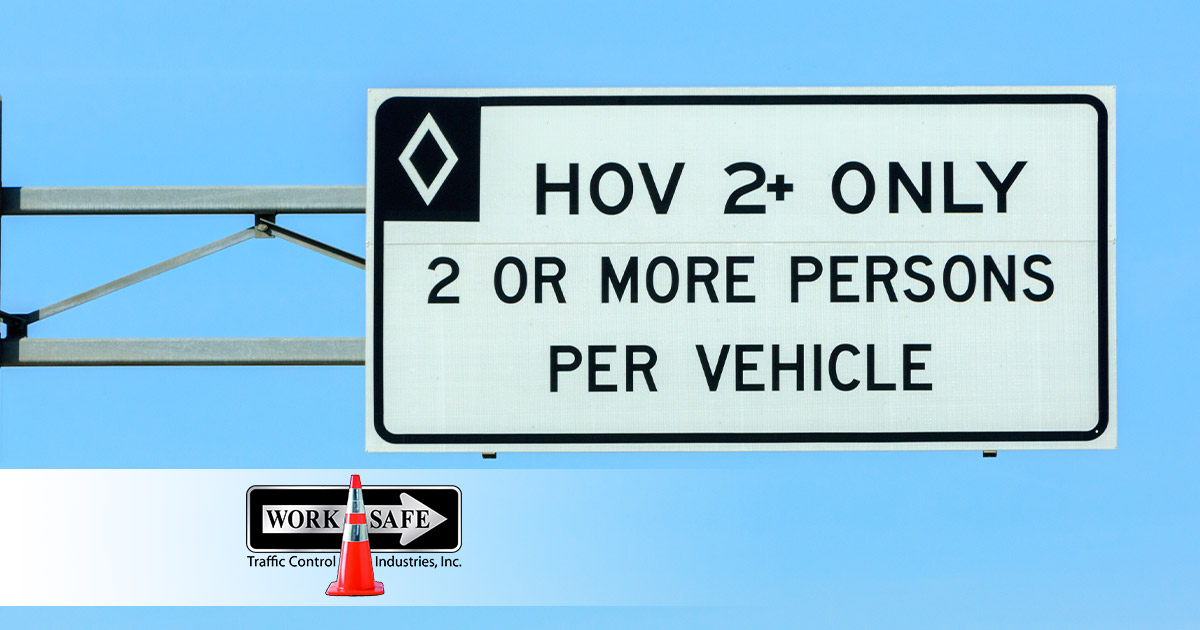
At its heart, an HOV lane is a traffic management strategy designed to encourage carpooling and public transit use by offering a dedicated, often less congested, travel path. The underlying principle is simple: incentivize shared rides to reduce the total number of vehicles on the road, thereby mitigating traffic jams, cutting down emissions, and maximizing the efficiency of existing infrastructure. However, the seemingly straightforward application of this concept has always presented complex challenges, many of which are increasingly addressed through sophisticated technological interventions.
Origins and Purpose of HOV Lanes
The concept of giving preferential treatment to vehicles carrying multiple occupants dates back to the 1970s energy crises and growing concerns about urban sprawl and air quality. Early HOV lanes were a direct response, aiming to reduce fuel consumption and traffic by motivating individuals to carpool or use buses. The core purpose remains steadfast: to move more people, not just more cars, through high-demand corridors. By offering a time-saving advantage, HOV lanes encourage a behavioral shift away from single-occupant vehicle (SOV) commuting, benefiting both individual commuters and the broader urban environment. This foundational goal sets the stage for how technology can amplify the effectiveness and fairness of these systems.
Basic Rules and Enforcement Challenges
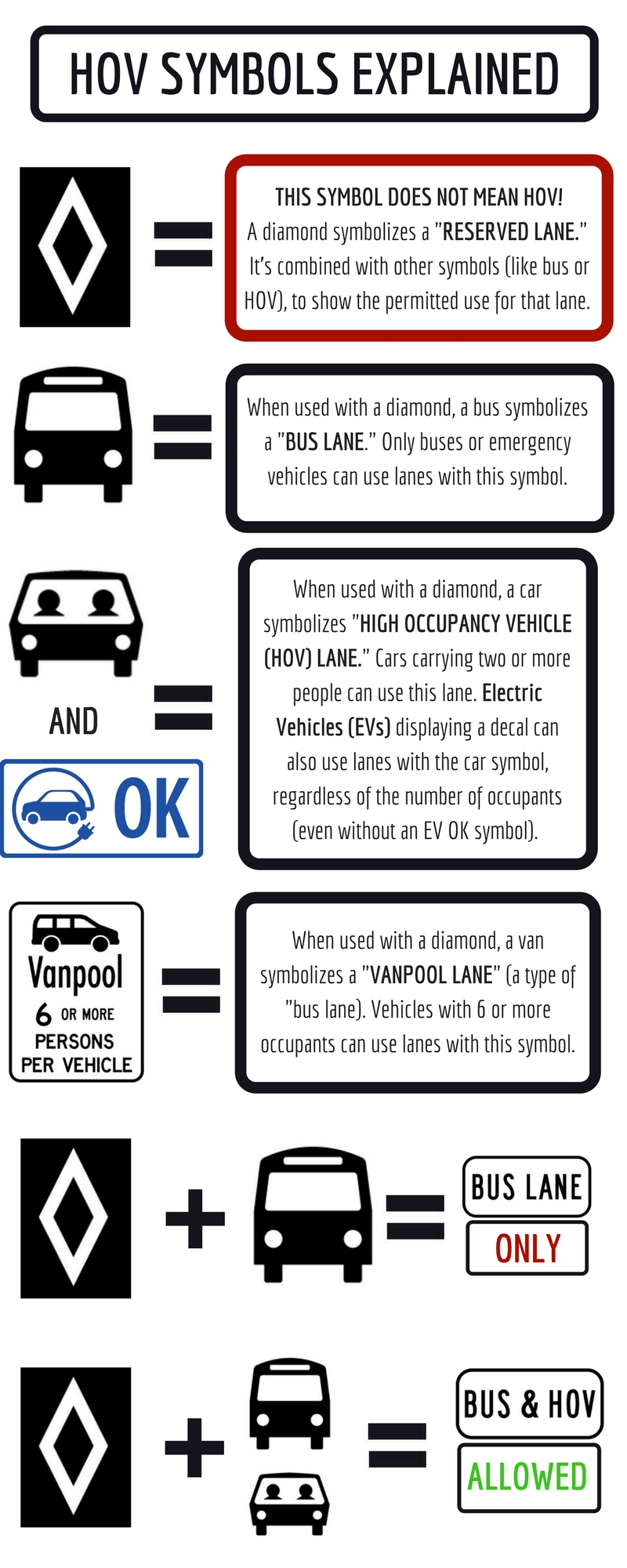
Typically, HOV lanes require a minimum number of occupants per vehicle, commonly two or three, to be eligible for use during specified hours. Violators face fines and penalties. Historically, enforcement relied heavily on visual inspection by law enforcement officers, a method fraught with limitations. Officers stationed at specific points could only monitor a fraction of traffic, leading to inconsistent enforcement and fostering a perception among drivers that violations often went unpunished. The “dummy passenger” phenomenon, where drivers attempted to fake occupancy, highlighted the need for more robust, reliable, and scalable enforcement mechanisms. This challenge was a critical catalyst for integrating technology into HOV lane management, pushing the boundaries from manual checks to automated, data-driven solutions.
Technology Enhancing HOV Lane Management and Enforcement
The evolution of HOV lanes from painted lines on asphalt to intelligent transportation system (ITS) components is a testament to technological progress. Modern HOV systems leverage a suite of advanced technologies to ensure compliance, improve traffic flow, and adapt to changing conditions.
Sensor-Based Monitoring and AI-Driven Traffic Flow
One of the most significant technological leaps in HOV enforcement and management comes from sophisticated sensor systems. These include various types of sensors – inductive loops embedded in the pavement, microwave radar, and even lidar – that collect real-time data on vehicle presence, speed, and sometimes even vehicle type. While direct occupancy detection remains a complex challenge, advancements in AI and computer vision are making strides. High-resolution cameras, often paired with machine learning algorithms, are being deployed to analyze vehicle interiors to detect the number of occupants. These AI systems can identify human forms, distinguishing them from inanimate objects, and are becoming increasingly accurate, thus offering a scalable and less labor-intensive enforcement alternative. Beyond enforcement, this sensor data feeds into broader traffic management systems. AI algorithms can analyze traffic patterns across all lanes, including HOV, to predict congestion, optimize signal timing, and even suggest dynamic changes to HOV lane operational hours based on real-time demand, maximizing overall throughput.
Digital Permitting and Dynamic HOV Systems
The administrative side of HOV lanes has also seen significant digital transformation. For specific vehicle types, such as clean air vehicles that may be exempt from occupancy rules or for toll-HOV (HOT) lanes, digital permitting systems are becoming standard. These systems allow eligible drivers to register their vehicles online, often receiving a transponder or virtual permit linked to their license plate. Overhead gantries equipped with license plate readers (ANPR technology) or transponder readers then automatically verify eligibility, making enforcement seamless and eliminating the need for physical checks.
Furthermore, the concept of “dynamic” HOV lanes represents a powerful intersection of technology and traffic management. These lanes can change their operational status (e.g., from HOV-only to general purpose, or even reversible flow) based on real-time traffic conditions, time of day, or special events. This flexibility is enabled by digital signage, overhead gantries, and advanced traffic management software that integrates data from numerous sources. This allows urban planners to respond proactively to congestion, adapting the road network to current demand rather than relying on static rules. For instance, an HOV lane might become a general-purpose lane during off-peak hours or convert to a separate reversible lane during morning and evening commutes, optimizing infrastructure utilization.
The Role of Mobile Apps and Navigation Systems
For the individual driver, technology plays a crucial role in navigating HOV rules. Modern navigation applications (e.g., Google Maps, Waze) increasingly integrate HOV lane information into their routing algorithms. They can display HOV lane availability, occupancy requirements, and sometimes even dynamic changes, helping drivers make informed decisions about their routes. Some apps also provide real-time updates on HOV lane status, including potential delays or enforcement activities.
Beyond basic navigation, some dedicated carpooling apps and ride-sharing platforms directly support the spirit of HOV lanes by facilitating shared rides. These platforms connect drivers with passengers heading in the same direction, making it easier for individuals to meet the occupancy requirements. By integrating with payment systems and offering incentive programs, these apps further leverage technology to promote HOV lane usage and contribute to a more efficient transportation ecosystem. The ability for a driver to quickly find someone to share a ride with, verify their eligibility, and navigate an HOV-optimized route fundamentally changes the accessibility and utility of these lanes.
The Future of HOV: Integration with Smart City Infrastructure
Looking ahead, HOV lanes are not isolated entities but integral components of broader smart city initiatives and intelligent transportation systems. Their evolution will be dictated by how seamlessly they integrate with emerging technologies and urban planning paradigms.
Autonomous Vehicles and HOV Lane Evolution
The advent of autonomous vehicles (AVs) presents both opportunities and challenges for HOV lanes. On one hand, fully autonomous vehicles, especially those operating in platoons or ride-sharing fleets, have the potential to significantly increase road capacity and efficiency. Dedicated lanes for AVs, or HOV lanes repurposed for high-capacity AV platoons, could optimize traffic flow even further. On the other hand, the definition of “occupancy” might need to be re-evaluated. If an AV is transporting a single passenger, should it be allowed in an HOV lane? What if it’s an empty AV en route to pick up passengers? These questions highlight the need for smart infrastructure that can communicate with AVs, dynamically granting access based on real-time occupancy, passenger counts (human or cargo), and even connectivity status. Vehicle-to-infrastructure (V2I) and vehicle-to-vehicle (V2V) communication will be crucial in managing AVs within these specialized lanes.
Data Analytics for Optimized Urban Mobility
The constant stream of data generated by HOV lane sensors, digital permits, and connected vehicles offers an invaluable resource for urban planners. Advanced data analytics and big data processing can reveal intricate patterns in commuting behavior, identify congestion hotspots, and predict future traffic demands with remarkable accuracy. This data can inform not only the dynamic adjustment of HOV lane rules but also broader policy decisions related to public transit investments, urban development, and infrastructure planning. By understanding how HOV lanes impact adjacent general-purpose lanes and overall network performance, cities can move towards a truly optimized, multi-modal transportation system. Predictive modeling, powered by machine learning, will become a cornerstone of managing complex urban traffic networks, with HOV lanes playing a specialized role within this intricate web.
Addressing Equity and Accessibility Through Technology
Technology can also play a role in making HOV lanes more equitable and accessible. While traditional HOV lanes primarily benefit those who can carpool, future iterations might leverage technology to support other underserved populations. For example, on-demand micro-transit services, facilitated by apps and optimized routing algorithms, could utilize HOV lanes to provide efficient transit options in areas not well served by traditional public transport. Dynamic pricing models for HOT lanes, adjusted based on income levels or providing discounts for specific groups, could also be managed through digital platforms, ensuring that the benefits of reduced congestion are not exclusive to those who can afford tolls or readily find carpool partners. This requires sophisticated back-end systems that can verify eligibility and apply personalized rules in real-time.
Benefits and Challenges of Tech-Driven HOV Solutions
The integration of technology into HOV lane management brings forth a host of benefits, alongside a new set of challenges that require careful consideration.
Reducing Congestion and Environmental Impact
The primary benefit of technologically advanced HOV systems is their enhanced ability to reduce traffic congestion. By accurately enforcing occupancy rules and dynamically adapting to traffic conditions, these systems ensure that HOV lanes effectively move more people. This, in turn, can lead to significant reductions in travel times for eligible users, greater predictability for commuters, and a more efficient overall transportation network. Furthermore, by encouraging carpooling and public transit, HOV lanes contribute directly to lower carbon emissions, improved air quality, and reduced fuel consumption, aligning with broader environmental sustainability goals. The real-time data from these systems also provides tangible metrics to demonstrate these environmental gains.
Privacy Concerns and Data Security
However, the reliance on cameras, sensors, license plate readers, and digital permitting systems raises significant privacy concerns. The collection of vehicle and occupant data, even if anonymized, can be perceived as an invasion of privacy. Questions arise about who owns this data, how it is stored, how long it is retained, and who has access to it. Robust data security protocols are paramount to prevent breaches and misuse of sensitive information. Clear policies on data collection, usage, and retention, along with strong encryption and access controls, are essential to build public trust and ensure the ethical deployment of these technologies. Public acceptance often hinges on a transparent and trustworthy approach to data handling.
Implementation Costs and Public Acceptance
Deploying and maintaining advanced HOV technologies—from AI-powered cameras to complex dynamic signage and back-end software—involves substantial initial investment and ongoing operational costs. Cities and transportation agencies must weigh these costs against the projected benefits. Furthermore, public acceptance is critical. Any new technological intervention, especially one that impacts daily commutes and introduces new forms of surveillance or enforcement, must be clearly communicated to the public. Drivers need to understand the rationale, the rules, and the benefits of these systems. A lack of transparency or perceived unfairness can lead to public backlash, undermining the effectiveness of even the most technologically sophisticated HOV solutions. Education campaigns and feedback mechanisms are vital components of successful implementation.
Conclusion: HOV as a Pillar of Intelligent Transportation
What HOV means in the digital age extends far beyond a simple rule for sharing rides. It represents a dynamic, technology-driven approach to urban mobility, leveraging cutting-edge sensors, AI, data analytics, and digital platforms to optimize traffic flow, reduce environmental impact, and enhance the efficiency of our transportation networks. As cities continue to grow and face increasing congestion, the evolution of HOV lanes, seamlessly integrated into smart city infrastructure and working in concert with autonomous vehicles and multi-modal transit options, will be critical. The path forward demands not only continued technological innovation but also careful consideration of privacy, equity, and public engagement to ensure that these intelligent solutions serve all members of the community effectively and responsibly. The HOV lane is transforming from a static traffic regulation into a living, breathing component of an intelligent transportation ecosystem, driven and defined by technology.
aViewFromTheCave is a participant in the Amazon Services LLC Associates Program, an affiliate advertising program designed to provide a means for sites to earn advertising fees by advertising and linking to Amazon.com. Amazon, the Amazon logo, AmazonSupply, and the AmazonSupply logo are trademarks of Amazon.com, Inc. or its affiliates. As an Amazon Associate we earn affiliate commissions from qualifying purchases.