
The vibrant spectrum of egg yolks, ranging from pale lemon yellow to deep, sunset orange, is a visual indicator of nutritional content and quality—a factor that has become a cornerstone of modern food branding and consumer purchasing strategy. In the competitive landscape of the grocery aisle, the color of an egg yolk serves as a powerful marketing lever. For producers, understanding the science behind this pigmentation is not just a biological endeavor but a strategic branding initiative designed to convey freshness, health, and premium value to the health-conscious consumer.
The Science of Carotenoids: The Biological Mechanism
At the core of yolk pigmentation lies a group of fat-soluble compounds known as carotenoids. These pigments—specifically xanthophylls like lutein and zeaxanthin—are the fundamental drivers behind the intensity of the yolk’s color. Unlike proteins or fats that are synthesized internally by the hen, carotenoids are essential nutrients that must be ingested through the diet.
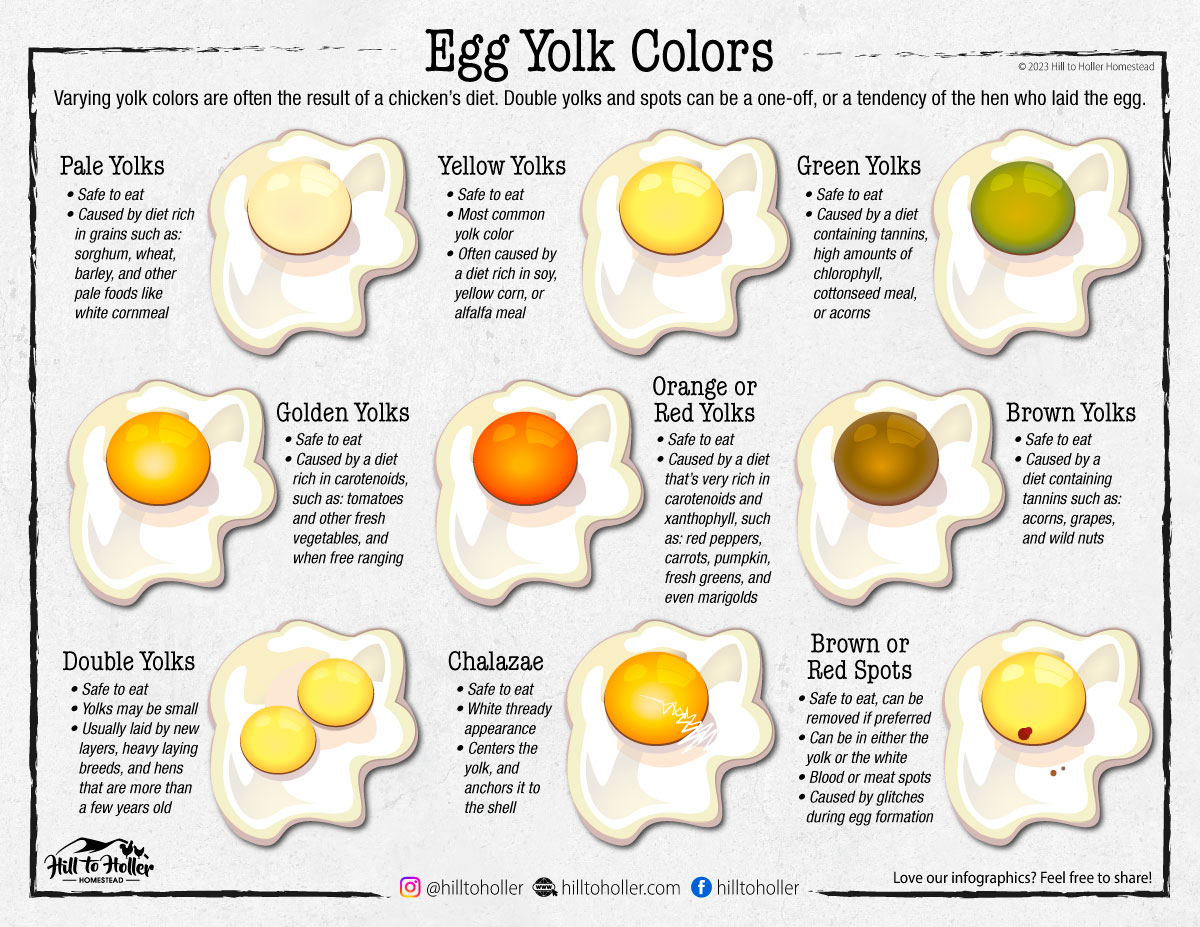
How Diet Dictates Pigment Density
A hen’s body does not manufacture the orange hue; rather, it acts as a biological filter and concentrator. When a hen consumes a diet rich in carotenoids—found in abundance in alfalfa, marigold petals, yellow corn, and certain leafy greens—these compounds are absorbed into the bloodstream. From there, they are transported to the ovary and deposited into the developing yolk. The intensity of the orange color is a direct reflection of the bioavailability and quantity of these pigments in the feed.
The Genetic Influence on Pigment Transfer
While diet is the primary catalyst, genetic background also plays a role in how effectively a bird metabolizes and stores these pigments. Certain breeds have a more efficient “pigment transfer rate,” meaning that even on identical diets, two different breeds may produce yolks of varying shades. For branding purposes, agricultural scientists often select for these traits to ensure product consistency, which is a vital component of establishing a reliable brand identity in the premium egg market.
Strategic Branding and the Premium Value Proposition
In the consumer goods sector, “visual quality” is often conflated with “nutritional quality.” Brands have leveraged the deep orange yolk as a hallmark of the “farm-fresh” and “pasture-raised” narrative. This is not merely a superficial marketing gimmick; it is a calculated effort to align product aesthetics with the consumer’s growing demand for transparency and nutrient density.
The Psychology of “Golden”
Human evolutionary psychology associates deep, rich colors in food with high nutrient density and safety. When a brand positions its eggs as having a “deep orange” yolk, it taps into the subconscious perception that these eggs come from hens that lived a more natural life, foraging in open pastures. Even when the orange color is achieved through high-quality, supplemental feed formulations, the resulting visual contrast against the white albumen creates an “Instagrammable” quality that drives consumer loyalty and justifies a higher price point.
Differentiating in a Commodity Market
The egg industry is historically a commodity-heavy space, where price fluctuations can be brutal. To escape the “race to the bottom” in pricing, successful brands have pivoted toward quality-based segmentation. By highlighting the vibrant color of their yolks, companies create a clear point of differentiation. This strategy moves the conversation away from the price per dozen and toward the “value per serving,” effectively transforming a staple commodity into a premium lifestyle product. Consumers are increasingly willing to pay a 20% to 50% premium for eggs that display the deep orange markers of perceived superior quality, allowing producers to build a robust brand moat.

The Intersection of Feed Technology and Quality Control
Modern poultry science has moved beyond traditional farming into the realm of precision nutrition. Large-scale producers now utilize sophisticated feed formulation software to ensure that their product meets strict colorimetric standards. This is where agriculture intersects with technology and supply chain management to maintain brand promises.
Precision Pigmentation Standards
To achieve consistent, deep orange yolks, producers rely on standardized color scales, such as the DSM Yolk Color Fan. This professional tool allows egg producers to map their yolk color to a specific numerical value. Maintaining a consistent value across seasons is a logistical challenge that requires meticulous tracking of feed input. If the cost of high-carotenoid feed increases, the brand faces a dilemma: maintain the quality and increase the price, or sacrifice the hue and risk damaging the brand’s reputation for consistency.
Data-Driven Sustainability and Supply Chains
The push for orange yolks is increasingly linked to sustainability narratives. Consumers want to know that the color comes from natural sources rather than synthetic additives. Consequently, forward-thinking brands are investing in the development of sustainable, carotenoid-rich feeds that reduce the need for synthetic colorants. This transparency is becoming a key pillar of corporate identity. Companies that can document their supply chain—showing exactly where the pigment-rich feed ingredients are sourced—are effectively building a narrative of integrity that shields them from the volatility of cheaper, mass-market egg brands.
Marketing the “Orange” Advantage
For marketers, the egg yolk color serves as the ultimate “proof of work.” It is an immediate, verifiable piece of evidence that the consumer can inspect the moment they crack the egg. This immediacy is rare in the food industry, where quality is often abstract or requires reading a complex label.
Visual Content and Social Proof
The “yolk-shot”—a photograph showing a perfectly fried egg with a dark orange center—is a staple of modern food marketing. It serves as social proof of quality. Brands that encourage user-generated content by highlighting the aesthetic appeal of their yolks are essentially turning their customers into brand ambassadors. When a consumer posts a photo of an exceptionally vibrant breakfast, they are validating the brand’s value proposition to their own social network, providing a high-conversion, low-cost marketing channel.
Navigating the “Natural vs. Added” Narrative
One of the most delicate aspects of branding around yolk color is managing the narrative regarding how that color is achieved. The market is increasingly skeptical of synthetic additives like canthaxanthin. Therefore, the strongest brands are those that lean heavily into the “forage-based” or “nutrient-rich diet” angle. By telling the story of the hen’s diet—emphasizing the inclusion of marigolds, bell peppers, or pasture access—the brand shifts the focus from the ingredient list to the lifestyle of the animal. This aligns with the modern consumer’s desire for ethical consumption and provides a moral anchor for the higher price point.

The Future of Yolk-Centric Branding
As the industry continues to evolve, we can expect to see further integration of feed technology and consumer branding. We may soon see “tailored yolk” products, where the intensity of the color is marketed alongside specific health benefits, such as enhanced omega-3 fatty acids or vitamins. The orange yolk will continue to be the primary signal of quality, but it will be supported by an increasing layer of technical data, supply chain transparency, and digital storytelling. Brands that successfully marry the biology of the egg with the psychology of the buyer will continue to capture the highest margins in the market.
Ultimately, the orange egg yolk is far more than a biological byproduct. It is a strategic asset, a marketing tool, and a standard of quality that bridges the gap between the farm and the table, turning a simple breakfast item into a symbol of premium, conscious consumption.
aViewFromTheCave is a participant in the Amazon Services LLC Associates Program, an affiliate advertising program designed to provide a means for sites to earn advertising fees by advertising and linking to Amazon.com. Amazon, the Amazon logo, AmazonSupply, and the AmazonSupply logo are trademarks of Amazon.com, Inc. or its affiliates. As an Amazon Associate we earn affiliate commissions from qualifying purchases.