
Booking a single round-trip flight can be straightforward, but planning an itinerary that involves multiple cities, countries, or even continents requires a more sophisticated approach. Leveraging the right technology and digital strategies can transform what might seem like an overwhelming task into an efficient and often cost-saving process. This guide delves into the tech-driven methods and tools available to help you master multi-destination flight bookings.
Harnessing Online Flight Aggregators and Their Multi-City Features
The cornerstone of multi-destination flight booking lies in understanding and effectively utilizing the advanced search capabilities of various online flight aggregators and Online Travel Agencies (OTAs). These platforms are designed to process complex queries that go far beyond simple point-to-point travel.

Google Flights: The Powerhouse for Flexible Search
Google Flights stands out as a premier tool for multi-destination planning due to its intuitive interface and powerful underlying search engine. To begin, navigate to Google Flights and select the “Multi-city” option.
- Building Your Itinerary: You can incrementally add flight segments, specifying departure and arrival cities, along with desired dates for each leg. The platform allows for up to seven segments, making it suitable for extensive journeys.
- Exploring Date Grids and Price Calendars: As you input your segments, Google Flights dynamically displays a calendar view, highlighting price variations based on your chosen dates. This visual feedback is invaluable for identifying cheaper travel days, even if it means slightly adjusting your itinerary.
- “Explore” Feature for Inspiration: Beyond specific multi-city searches, Google Flights’ “Explore” map tool can indirectly assist by showing potential destinations and their associated flight costs from a given origin, helping you flesh out subsequent legs of your journey.
- Price Tracking Alerts: Once you’ve established a potential multi-city itinerary, set up price alerts. Google Flights will monitor the route and notify you via email when prices change, allowing you to book when fares drop.
Skyscanner’s “Multi-City” and “Everywhere” Functions
Skyscanner offers a robust multi-city search option that functions similarly to Google Flights, allowing you to string together multiple legs of a journey. Its key advantage often lies in its comprehensive database, sometimes unearthing results from smaller carriers or less conventional routes.
- Sequential Segment Input: Access the “Multi-city” tab and add your desired flights one by one. Skyscanner’s algorithm works to find the most cost-effective combinations across various airlines.
- “Everywhere” for Route Discovery: While not directly a multi-city booking tool, Skyscanner’s “Everywhere” destination search (when used for a single leg) can be exceptionally useful for discovering unexpected and affordable next-leg destinations if your itinerary has some flexibility.
- Mix-and-Match Airlines: Skyscanner is proficient at combining flights from different airlines, which is often crucial for optimizing multi-destination itineraries where no single carrier offers the most efficient route for every leg.
Kayak and Other OTAs for Comprehensive Solutions
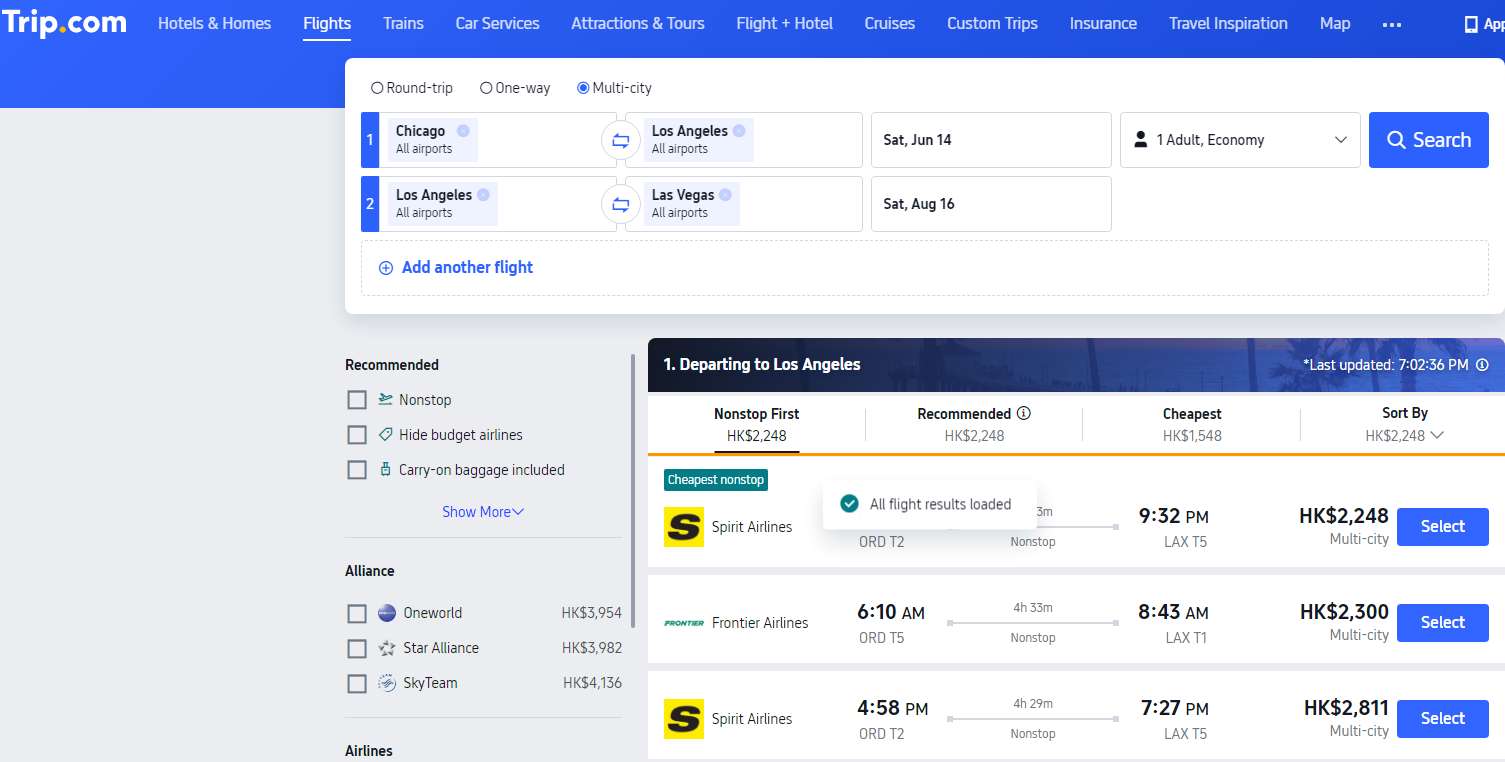
Platforms like Kayak, Expedia, Priceline, and Orbitz also offer multi-city search functions. While their core mechanics are similar, each platform may display different results based on their partnerships, pricing algorithms, and booking fees.
- Kayak’s Flexible Date Search: Kayak is known for its “flexible dates” option within multi-city searches, allowing you to search within a range of days for each leg, which can uncover more economical date combinations.
- Package Deals (with caution): Some OTAs might try to bundle multi-city flights with hotels or car rentals. While sometimes beneficial, for complex flight-only itineraries, it’s often better to book flights separately to maintain flexibility and control.
- User Interface Nuances: Familiarize yourself with the specific UI of each platform. Some may present options more clearly for complex routes, while others might require more manual input.
Advanced Digital Strategies for Complex Itineraries
Beyond standard aggregator features, employing specific digital strategies can unlock further flexibility and potentially significant savings for multi-destination trips. These methods often require a deeper understanding of airline operations and a willingness to manage bookings across multiple platforms.
The Open-Jaw and Stopover Approach
An “open-jaw” itinerary involves flying into one city and departing from another, or departing from one city and returning to a different one. This is a common pattern in multi-destination travel and is usually bookable through the multi-city search tools mentioned above.
- Strategic Stopovers: Many airlines allow free or low-cost stopovers in their hub cities, turning a layover into an opportunity to explore an additional destination. Digital tools don’t always explicitly highlight these, so research airline-specific stopover programs on their respective websites. For instance, some Middle Eastern or Asian carriers offer compelling stopover packages.
- Manual Segmentation: If an online tool struggles with a particularly complex open-jaw or stopover configuration, consider breaking it down into two separate one-way tickets or a round-trip with a separate one-way leg, then manually searching and comparing.
“Hacker Fares” and Self-Connecting Flights
“Hacker Fares” (often highlighted by tools like Kayak) involve booking separate one-way tickets from different airlines to create a round-trip or multi-leg journey. This can sometimes be cheaper than a single multi-city booking.
- Booking Disconnected Legs: For truly advanced users, this strategy involves finding the cheapest individual one-way flights between each destination and booking them entirely separately.
- Caveats and Risks: While potentially cost-effective, self-connecting flights come with significant risks. If one leg is delayed or canceled, you are responsible for any missed subsequent flights and associated rebooking costs. There’s no airline obligation to assist you. Always factor in ample layover time (4-6+ hours) and ensure you have visa clearance for any transit countries if you need to re-check baggage. This method requires robust digital organization and a clear understanding of airline terms and conditions.

Utilizing Airline Alliances and Codeshares
Airline alliances (Star Alliance, SkyTeam, Oneworld) allow partner airlines to share routes and offer seamless travel across their networks. Booking through an alliance can simplify multi-destination travel by keeping all legs under one booking umbrella.
- Alliance-Specific Search Engines: Some alliances have their own dedicated multi-city booking engines on their websites, which can sometimes offer unique routing options or loyalty program benefits.
- Codeshares Explained: A codeshare agreement means you might book a flight with one airline (e.g., Lufthansa) but actually fly on a partner airline’s plane (e.g., United Airlines). Digital booking platforms usually indicate the operating carrier, which is vital for baggage policies, seat selection, and knowing who to contact for delays. Always verify the operating carrier shown on the booking platform.
Essential Digital Tools and Best Practices
Beyond the booking engines themselves, a suite of digital tools and practices can further enhance your multi-destination planning and execution.
Flight Tracking Apps and Price Alerts
Dedicated apps and services provide real-time flight tracking and price monitoring, crucial for making informed booking decisions.
- Hopper: This app uses predictive algorithms to advise whether to book now or wait, offering “buy” or “wait” recommendations based on historical data. It can also track multiple flights for your multi-city itinerary.
- Google Flights Alerts: As mentioned, setting up alerts for specific multi-city routes within Google Flights is indispensable for capturing price drops.
- FareCompare/Airfarewatchdog: These services aggregate deals and can be set up to notify you of fare changes on preferred routes, though they might be less granular for highly complex multi-city searches.
Organizing Your Digital Itinerary
With multiple flights, airlines, and potentially separate bookings, a robust digital organization system is paramount.
- TripIt/TripCase: These apps automatically compile your travel details from emailed booking confirmations into a master itinerary. They provide a consolidated view of all your flights, hotels, and other reservations, complete with real-time updates and gate changes.
- Cloud Storage and Digital Folders: Create a dedicated digital folder (e.g., in Google Drive, Dropbox, or OneDrive) to store all booking confirmations, visa documents, passport scans, and any other relevant digital paperwork. Accessing these from any device is critical.
- Digital Wallets for Boarding Passes: Leverage smartphone digital wallets (Apple Wallet, Google Wallet) for all your mobile boarding passes. This centralizes them and provides quick access at the airport.
Troubleshooting and Optimizing Your Digital Booking Process
Even with the best tools, multi-destination bookings can present challenges. Employing a few digital optimization techniques can help streamline the process and resolve common issues.
Clearing Browser Cookies and Incognito Mode
It’s a widely debated but often recommended practice to clear your browser’s cookies or use an incognito/private browsing window when searching for flights. Some anecdotal evidence suggests that dynamic pricing algorithms might adjust prices based on your browsing history and perceived interest. While not universally proven, it’s a simple step that could prevent artificial price inflation.
Flexibility with Dates and Airports
Digital tools excel at illustrating the impact of small changes.
- “Plus/Minus 3 Days” Search: Many multi-city search engines offer flexibility within a few days of your chosen dates. Always utilize this feature to see if shifting your departure or arrival by a day or two significantly alters the price.
- Alternative Airports: Check surrounding airports for both departure and arrival points for each leg. Tools like Google Flights often suggest nearby airports with price differences. Sometimes flying into a secondary airport and taking ground transportation to your final destination is considerably cheaper.
Reading the Digital Fine Print
The convenience of digital booking tools should not lead to complacency regarding the details.
- Baggage Policies: For multi-destination flights, especially those involving different airlines (even within an alliance, if booked separately), baggage allowances can vary drastically. Always check the specific baggage policy for each operating carrier for each segment. Many low-cost carriers charge exorbitant fees for checked luggage.
- Layover Times: Ensure sufficient layover time, particularly when self-connecting or changing alliances/terminals. Digital itineraries rarely account for real-world delays or the time needed to clear customs and security.
- Change and Cancellation Policies: Understand the change and cancellation policies for each segment. Booking a single multi-city itinerary usually means a unified policy, but self-connecting flights will have separate policies for each booking. Digital access to these policies via the airline’s website or booking confirmation is critical.
By systematically applying these technology-driven methods and best practices, booking even the most intricate multiple-destination flights can become a manageable and rewarding part of your travel planning experience.
aViewFromTheCave is a participant in the Amazon Services LLC Associates Program, an affiliate advertising program designed to provide a means for sites to earn advertising fees by advertising and linking to Amazon.com. Amazon, the Amazon logo, AmazonSupply, and the AmazonSupply logo are trademarks of Amazon.com, Inc. or its affiliates. As an Amazon Associate we earn affiliate commissions from qualifying purchases.