
In the world of global marketing, few products have achieved the level of “geographic brand equity” as successfully as the Belgian waffle. To the casual diner, it is a breakfast staple characterized by deep pockets and a light, crispy texture. To a brand strategist, however, the Belgian waffle is a fascinating case study in international rebranding, market positioning, and the power of the “Origin Story.”
What we commonly refer to as a “Belgian waffle” in North America and much of the world is not merely a recipe; it is a carefully curated identity that was pivoted for a specific audience. Understanding what makes a waffle “Belgian” requires looking beyond the batter and into the strategy of brand differentiation.
1. The Power of Nomenclature: From Brussels to “Belgian”
The first pillar of any successful brand is its name. A name must be evocative, recognizable, and easy to associate with quality. The “Belgian” waffle as we know it today underwent a significant naming pivot to ensure market penetration in the United States.
The Great Rebranding of 1964
The Belgian waffle made its significant debut at the 1964 World’s Fair in New York. Originally, the vendor, Maurice Vermersch, intended to sell his family’s “Brussels Waffles.” However, he quickly realized a fundamental marketing problem: many Americans at the time were geographically illiterate regarding European cities and did not know where Brussels was.
By pivoting the name from “Brussels Waffle” to “Belgian Waffle,” Vermersch tapped into the broader brand equity of a nation known for its culinary craftsmanship. This change moved the product from a “niche local specialty” to a “premium European import.” It is one of the most successful examples of rebranding a product to fit the cultural lexicon of a target demographic.
Simplified Identity for Global Scale
In Belgium, there is no such thing as a singular “Belgian waffle.” There are Brussels waffles, Liège waffles, and various regional galettes. However, for a brand to scale globally, it often requires a simplified identity. By consolidating these complex culinary traditions under the “Belgian” umbrella, marketers created a powerful, singular brand that was easy for consumers to remember and order. This is a classic branding move: sacrifice nuance for the sake of clarity and mass-market appeal.
2. Defining the Product USP: Texture and Form as Brand Assets
Every iconic brand has a Unique Selling Proposition (USP)—a set of characteristics that distinguish it from the “generic” competition. For the Belgian waffle, the USP is defined by its physical architecture and sensory experience, which separates it from the thinner, denser “American-style” waffle.
The Architecture of the “Deep Pocket”
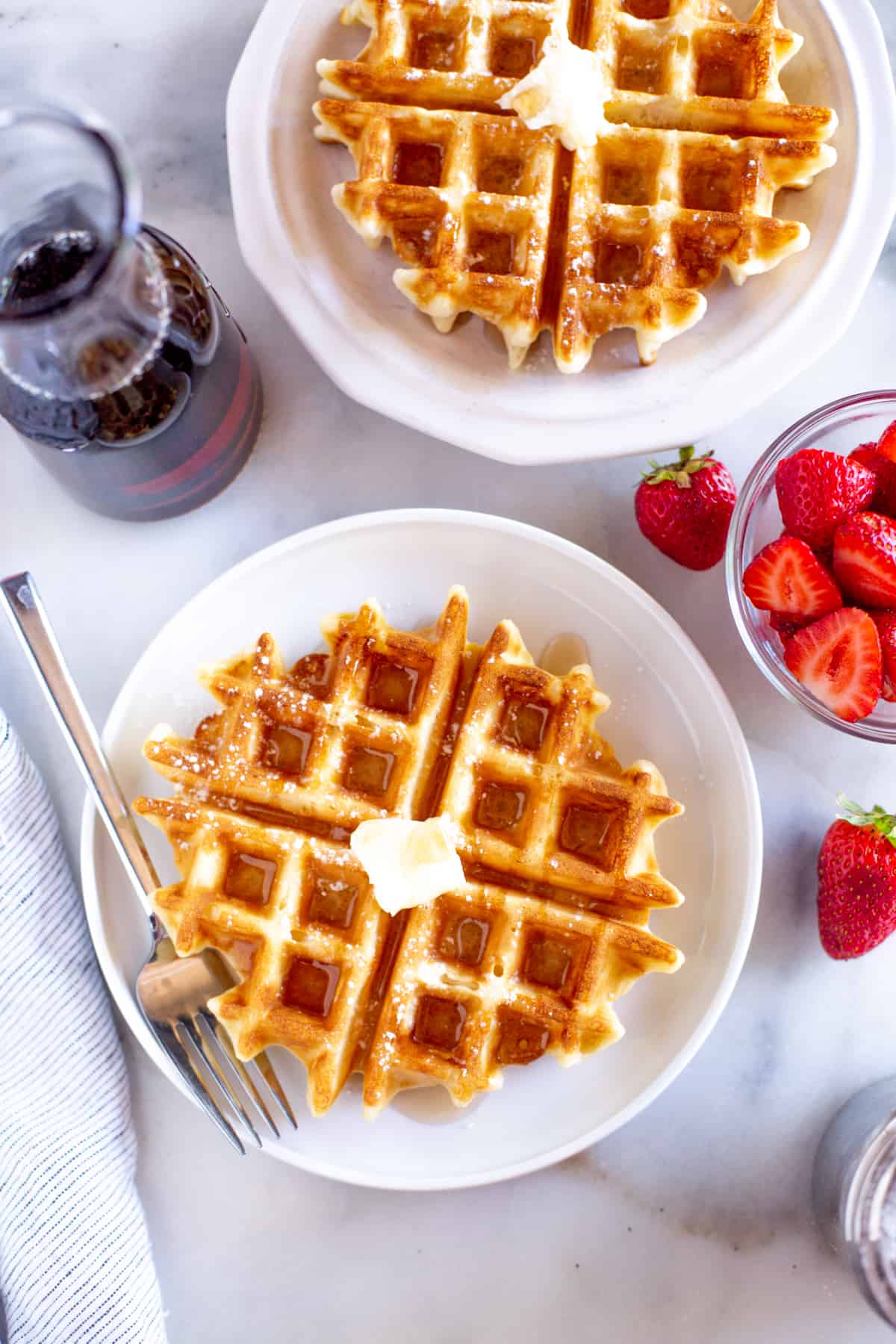
In brand design, form follows function. The deep, oversized grids of the Belgian waffle are not just aesthetic; they are functional assets designed to hold toppings like whipped cream, strawberries, and syrup. This “high-capacity” design turned the waffle from a side dish into a platform for a premium meal experience. In marketing terms, this is “value-added packaging.” The physical structure of the waffle promises the consumer a more indulgent experience than the flat, shallow grids of a standard waffle.
The Leavening Logic: Yeast vs. Baking Powder
From a brand consistency standpoint, the “authentic” Belgian waffle (specifically the Brussels variety) relies on yeast or beaten egg whites for leavening. This creates a light, airy, and crisp texture that is fundamentally different from the cake-like consistency of waffles made with chemical leaveners like baking powder.
This lightness is a key brand pillar. It allows the product to be positioned as “refined” and “sophisticated” rather than “heavy” or “fast-food.” When a brand maintains a specific textural standard, it builds “sensory equity”—the consumer knows exactly what the product will feel like before they even take a bite.
3. Market Positioning: The Premiumization of Breakfast
Why is a Belgian waffle often priced higher than a stack of pancakes or a standard waffle? This is the result of intentional market positioning and “premiumization.”

Creating a “Destination” Meal
The Belgian waffle was marketed as an event. Because of its size and the theater involved in its preparation (often topped with elaborate garnishes), it moved out of the “convenience breakfast” category and into the “brunch destination” category. Brands that can transform a commodity into an “experience” can command higher price points. The Belgian waffle isn’t just fuel; it is a leisure activity.
The Liège Waffle: The “Premium Sub-Brand”
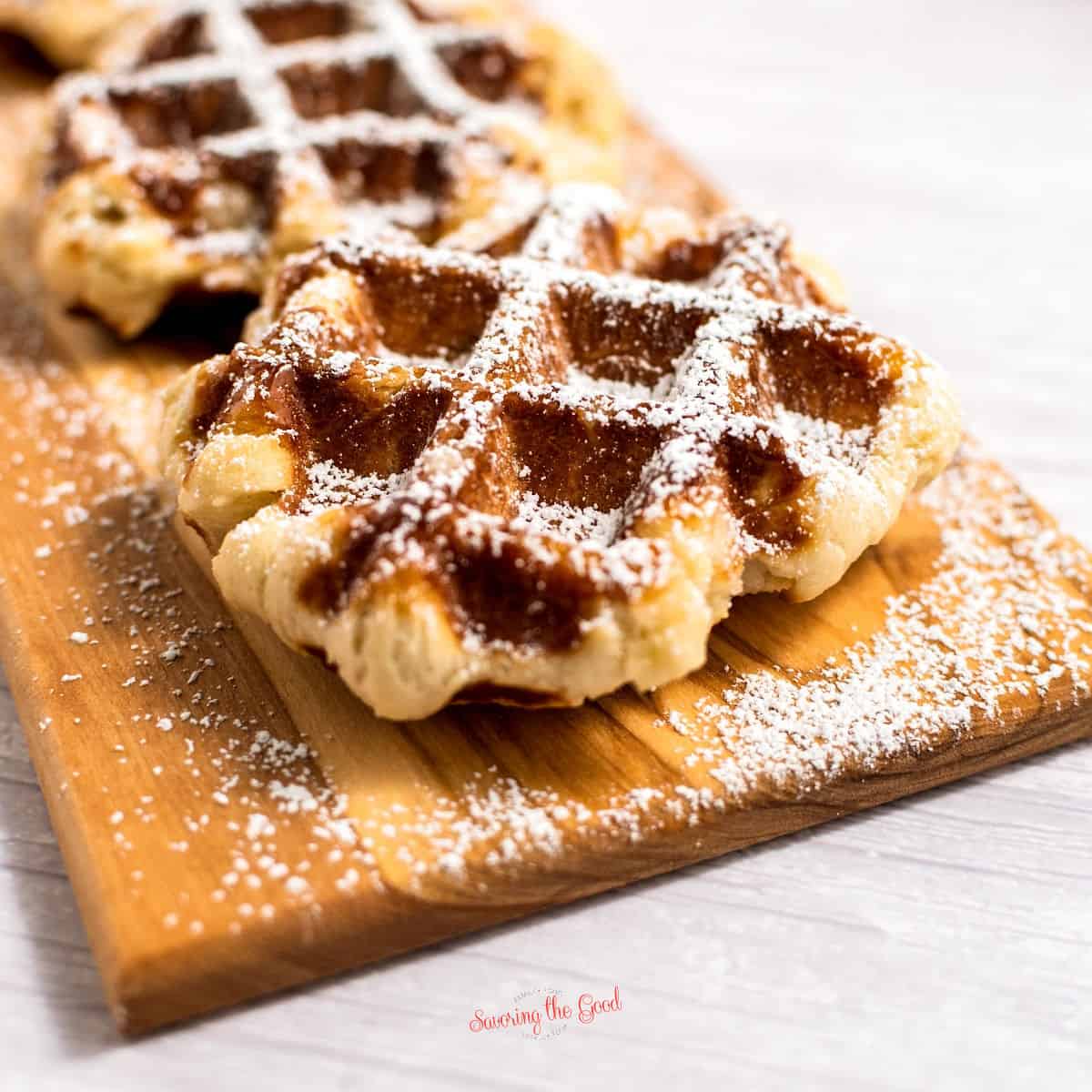
While the Brussels-style Belgian waffle dominates the sit-down restaurant market, the Liège waffle serves as a premium sub-brand in the “on-the-go” sector. Made with a thicker, brioche-like dough and pearl sugar that caramelizes into crunchy nuggets, the Liège waffle offers a different brand promise: indulgence and portability.
In corporate branding terms, the Liège waffle is the “luxury boutique” version of the product. It doesn’t require syrup or toppings; it stands alone as a premium product. This diversification allows the “Belgian Waffle” brand to occupy multiple market segments—from the high-end brunch table to the urban street-food kiosk.
4. The Role of Equipment in Brand Reinforcement
A brand is often only as strong as its delivery system. For the Belgian waffle, the delivery system is the specialized waffle iron. You cannot produce a Belgian waffle on a standard iron; the “hardware” is intrinsic to the brand identity.
Proprietary Standards
Just as Apple controls both its software and hardware to ensure a specific user experience (UX), the Belgian waffle “brand” relies on specific equipment. The deeper grids and higher temperature settings of Belgian waffle makers are essential for achieving the brand’s signature crispness.
For manufacturers like Waring or Breville, “Belgian” is a certification of a specific technical specification. When a consumer buys a “Belgian Waffle Maker,” they are buying into a specific standard of performance. This hardware-software (iron-batter) synergy ensures that the brand remains distinct from “frozen” or “thin” alternatives.
Visual Branding through Impression
The grid pattern of a waffle is its logo. It is one of the few foods that carries its branding “stamped” into the product itself. The larger, bolder squares of the Belgian waffle serve as a visual cue to the consumer that they are about to consume a premium product. In a crowded marketplace, visual distinctiveness is a primary driver of brand recognition.
5. Intellectual Property and the “Belgian” Label
In the world of branding, “Geographical Indications” (GI) are used to protect products like Champagne or Prosciutto di Parma. However, the “Belgian Waffle” lacks this legal protection, making it a “genericized” brand.
The Risk of Dilution
Because any restaurant can call any large waffle a “Belgian waffle,” the brand faces the constant threat of dilution. Many modern “Belgian” waffles are simply standard pancake batter poured into a deep iron, lacking the yeast-leavened authenticity of the original.
For brand purists, this is a “brand-washing” problem. When the label “Belgian” is applied to inferior products, the perceived value of the original brand can drop. This is why high-end culinary brands often seek to educate consumers on what “true” Belgian waffles are—focusing on the ingredients (like pearl sugar) and the process (yeast fermentation) to reclaim the brand’s premium status.
The Global Franchise Model
Despite the lack of legal protection, the “Belgian” brand has been successfully franchised and licensed globally. From Belgian-themed cafes in Tokyo to street carts in New York, the brand communicates a universal language of quality and European tradition. It has become a “global category leader” in the breakfast space, proving that a strong identity can transcend borders even without a central corporate headquarters.
Conclusion: The Lasting Legacy of the Belgian Brand
What makes a waffle a Belgian waffle? It isn’t just the height of the grid or the lightness of the batter. It is a masterclass in Brand Strategy.
By pivoting a name for better market fit, defining a unique physical form, positioning itself as a premium experience, and utilizing specialized “hardware,” the Belgian waffle has secured its place in the global pantry. It is a reminder that even the most traditional products can become global icons through the right combination of identity, quality, and strategic storytelling. Whether it is a light, airy Brussels square or a dense, caramelized Liège pearl, the “Belgian” brand remains the gold standard for what a waffle can—and should—be.
aViewFromTheCave is a participant in the Amazon Services LLC Associates Program, an affiliate advertising program designed to provide a means for sites to earn advertising fees by advertising and linking to Amazon.com. Amazon, the Amazon logo, AmazonSupply, and the AmazonSupply logo are trademarks of Amazon.com, Inc. or its affiliates. As an Amazon Associate we earn affiliate commissions from qualifying purchases.