
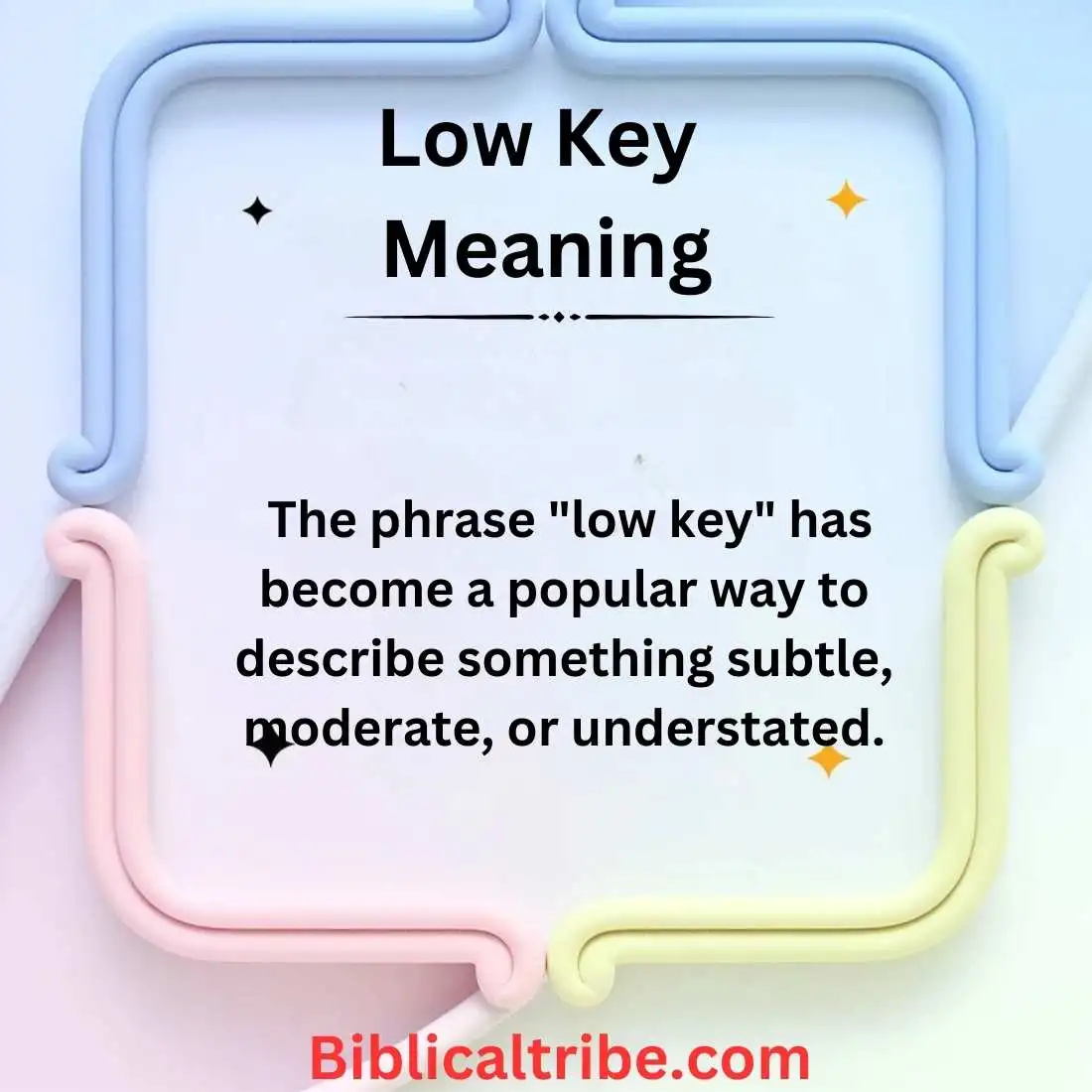
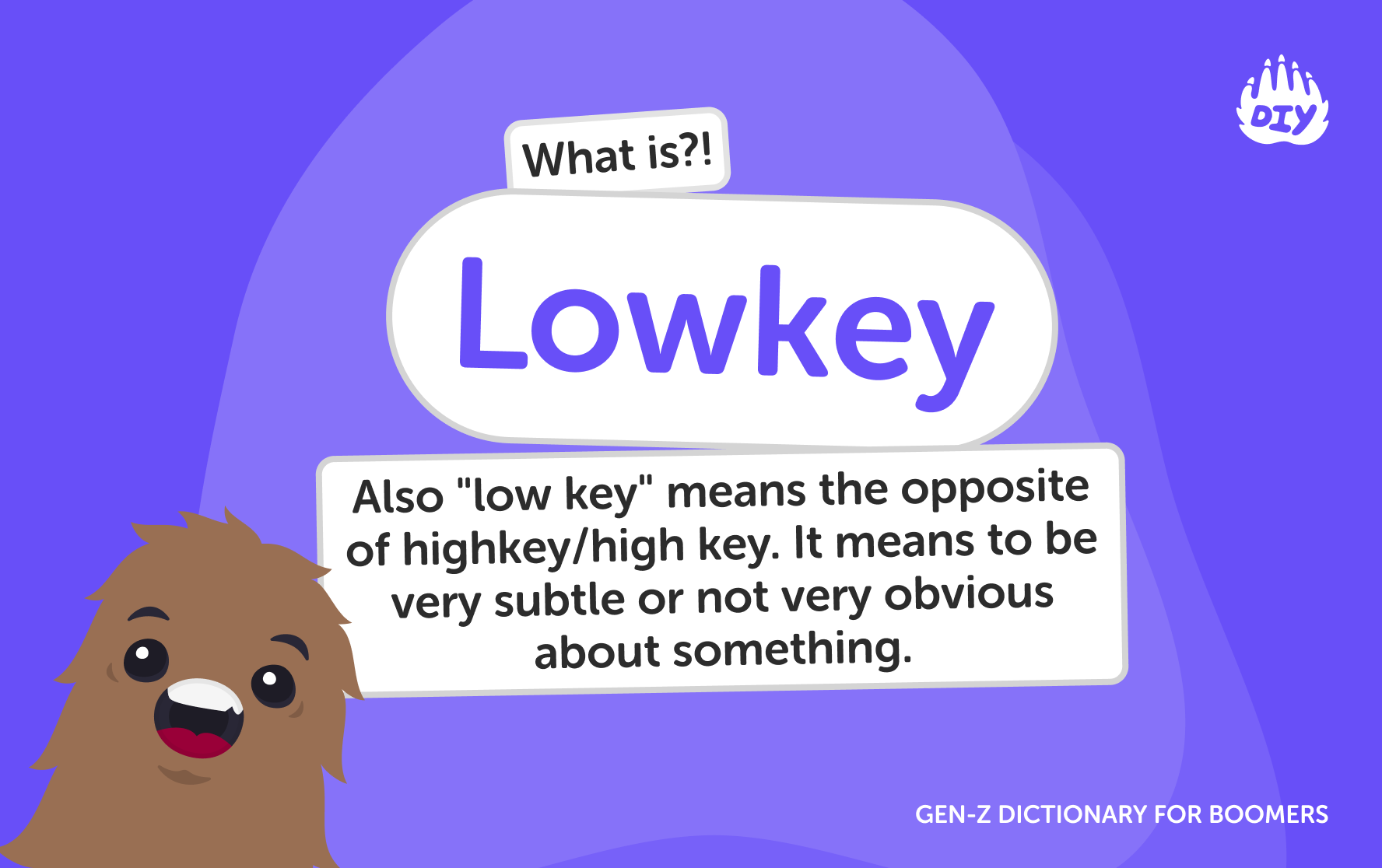
In a world saturated with digital noise, flashing advertisements, and the constant pressure to “go viral,” a quiet revolution has been taking root: the embrace of “low-key.” Once a casual descriptor for something understated or unpretentious, “low-key” has evolved into a potent strategic approach within the realms of personal and corporate branding. It’s a deliberate choice to step back from the performative spectacle, opting instead for authenticity, subtlety, and a genuine connection that resonates far deeper than fleeting hype.
“Low-key” in branding isn’t about being invisible or irrelevant; it’s about being intentionally discerning. It’s about cultivating a presence that speaks volumes through its quiet confidence, its meticulous quality, and its unwavering commitment to core values, rather than through overt self-promotion or ostentatious displays. This article delves into the meaning of “low-key” within brand strategy, exploring its power as a tool for differentiation, trust-building, and lasting impact in an increasingly loud marketplace.
The Evolving Landscape of Attention and Authenticity
The digital age has fundamentally altered how brands, both personal and corporate, compete for attention. While the initial instinct was often to amplify volume and maximize visibility, a growing sense of fatigue with constant bombardment has led to a re-evaluation of what truly captures and sustains audience engagement.
Beyond the Hype: Why Subtlety Resonates
We live in an era of information overload, where every scroll brings a new product, a new influencer, or a new brand vying for a fraction of our precious cognitive real estate. In this environment, hyperbole and exaggerated claims often fall flat, perceived as disingenuous or, worse, desperate. This is where the “low-key” approach finds its strength. By eschewing the clamor, a low-key brand communicates confidence in its intrinsic value. It implies a quiet assurance that its quality or message will speak for itself, attracting those who are seeking substance over superficiality. This subtlety can be a powerful differentiator, signaling a brand that values depth, integrity, and genuine connection above fleeting trends. It’s about creating an atmosphere of discovery rather than demanding attention, fostering a more engaged and loyal audience in the process.
The Backlash Against Over-Promotion
The rise of the “low-key” ethos is, in many ways, a direct response to the prevalent culture of over-promotion. Consumers are increasingly savvy, developing a finely tuned radar for inauthentic marketing tactics and excessive self-aggrandizement. The relentless pursuit of virality or the constant parade of “perfect” personas on social media can lead to cynicism and disengagement. People are yearning for authenticity – for brands and individuals who feel relatable, honest, and grounded. A low-key approach counters this fatigue by presenting an unfiltered, more humble, and often more human face. It suggests that a brand is more focused on delivering value and building genuine relationships than on crafting an idealized image. This shift represents a mature evolution in consumer psychology, where trust is earned through consistent, understated performance rather than through aggressive, one-off campaigns.
“Low-Key” as a Personal Branding Superpower
For individuals navigating their professional and public lives, personal branding is no longer optional. However, the path to a powerful personal brand doesn’t always lie in being the loudest voice in the room. Embracing a “low-key” approach can be remarkably effective, cultivating an aura of professionalism, competence, and intriguing authenticity.
Cultivating a Genuine Digital Presence
In an age where social media profiles often serve as digital résumés, the temptation to curate an impossibly perfect persona is strong. A low-key personal brand, however, resists this urge. It encourages a more genuine, less performative digital presence. This means sharing insights thoughtfully, engaging in meaningful discussions rather than chasing likes, and presenting a balanced view of one’s professional life that includes growth and learning, not just triumphs. It’s about building a reputation for substance rather than just surface-level popularity. This approach fosters trust, as it signals that the individual is confident enough in their true capabilities that they don’t need to constantly broadcast their achievements or project an unrealistic image.
Professionalism Through Understated Confidence
True confidence rarely needs to announce itself with a trumpet fanfare. A low-key professional brand exudes an understated assurance, allowing expertise and accomplishments to shine naturally. This translates into a professional demeanor that prioritizes listening, thoughtful contributions, and collaborative problem-solving over aggressive self-promotion. Instead of constantly highlighting achievements, the low-key professional lets their work, their insights, and the positive impact they have on others speak volumes. This quiet competence can be incredibly appealing to colleagues, clients, and prospective employers, who often value substance and reliability over showmanship. It projects a sense of gravitas and stability, suggesting an individual who is secure in their abilities and focused on meaningful outcomes.
The Allure of Mystery and Depth
Part of the power of being low-key is the subtle allure it creates. In a world where everyone shares everything, holding back just enough can create a sense of intriguing depth. A low-key personal brand doesn’t reveal every thought or every project immediately; instead, it allows for a gradual unfolding of capabilities and perspectives. This isn’t about being secretive, but about being selective and strategic in what is shared, when it’s shared, and how it’s framed. This controlled revelation can make an individual seem more thoughtful, more intentional, and ultimately, more interesting. It invites others to lean in, to discover more, and to engage on a deeper level, fostering stronger, more meaningful professional relationships built on genuine curiosity and respect.
Strategic “Low-Key” for Corporate Identity and Marketing
The principles of “low-key” branding are just as applicable, if not more so, to corporate identities and marketing strategies. For businesses, adopting a low-key approach can be a sophisticated way to build brand equity, differentiate from competitors, and cultivate a deeply loyal customer base.
Crafting a Minimalist Brand Aesthetic
A core manifestation of a low-key corporate brand is often found in its aesthetic. This typically involves a minimalist design philosophy, characterized by clean lines, uncluttered interfaces, understated color palettes, and a focus on functionality and user experience over decorative excess. Think of brands like Apple, Muji, or Everlane, which have built powerful identities around simplicity and quality. This aesthetic isn’t just about looking good; it’s a strategic choice that communicates clarity, efficiency, and a commitment to essential value. It suggests a brand that is confident enough not to rely on flashy visuals, instead allowing the product or service’s inherent quality and thoughtful design to be the primary attraction. A minimalist aesthetic reduces cognitive load for the consumer, making the brand feel more intuitive, sophisticated, and trustworthy.
Understated Marketing and Word-of-Mouth Prowess
“Low-key” marketing is not about doing less marketing; it’s about doing marketing differently. It prioritizes subtlety, value, and authentic engagement over aggressive, interruptive campaigns. This might involve focusing on content marketing that educates and informs, rather than directly sells; investing in exceptional customer service that turns users into advocates; or creating highly targeted, relevant communications that resonate deeply with a niche audience. The goal is to facilitate organic growth and powerful word-of-mouth referrals by consistently delivering an excellent product or service and allowing happy customers to become the brand’s most effective marketers. This approach trusts that a superior offering, paired with genuine customer satisfaction, will organically generate buzz that is far more credible and lasting than any paid advertisement.
Building Trust Through Authenticity, Not Flash
In an era rife with corporate scandals and greenwashing accusations, trust is the most valuable currency for any brand. A low-key corporate strategy is inherently geared towards building this trust by prioritizing authenticity over spectacle. This means transparency in operations, honest communication about product features and limitations, and a genuine commitment to ethical practices and social responsibility. It’s about letting the brand’s actions speak louder than its marketing claims. When a company avoids grandstanding and instead consistently delivers on its promises with quiet integrity, it fosters a profound sense of reliability and credibility. Consumers are more likely to support and advocate for brands they perceive as authentic and trustworthy, creating a resilient brand loyalty that transcends fleeting trends and competitive pressures.
Implementing a “Low-Key” Brand Approach
Embracing a low-key brand isn’t a passive act; it requires intentional strategy, discipline, and a deep understanding of what truly matters to your audience. It’s a commitment to a particular philosophy of engagement and presentation.
Defining Your Core Values and Voice
The foundation of any successful low-key brand lies in a crystal-clear understanding of its core values and unique voice. Without the crutch of flashy campaigns, the brand’s essence must shine through every interaction. What does your brand genuinely stand for? What unique perspective do you bring? How can you communicate this in a way that is true to your identity without resorting to hype? Defining these elements precisely allows for consistent, authentic messaging across all touchpoints, ensuring that even subtle communications carry significant weight and clearly convey the brand’s purpose and personality. This introspection is crucial because a low-key brand’s power emanates from its inner coherence.
Consistency in Communication and Design
The power of a low-key brand is amplified by unwavering consistency. Every piece of content, every visual element, every customer interaction must align with the brand’s understated ethos. This means maintaining a consistent tone of voice—professional, informative, empathetic, never overly aggressive or boastful—across all platforms, from email newsletters to social media posts. Similarly, design elements should adhere to a cohesive minimalist aesthetic, ensuring that the brand is instantly recognizable and always projects a sense of refined quality. Consistency builds familiarity and trust, reinforcing the brand’s identity as reliable and genuine, and making its subtle messages all the more impactful.
Measuring Impact Beyond Vanity Metrics
A low-key approach necessitates a shift in how success is measured. While traditional marketing often focuses on vanity metrics like follower counts or impressions, a low-key strategy prioritizes deeper engagement, conversion quality, and long-term customer loyalty. This means tracking metrics such as repeat purchases, customer lifetime value, referral rates, depth of content engagement (e.g., time spent on page, comments), and qualitative feedback. Success is defined not by the loudest applause, but by the quiet hum of a consistently satisfied, deeply engaged, and loyal community. This focus on meaningful, sustainable growth allows brands to avoid the trap of chasing fleeting trends and instead build a robust, enduring presence.
Conclusion
The concept of “low-key” in branding is far more than a trend; it’s a strategic imperative for individuals and corporations seeking to build authentic, lasting connections in a hyper-stimulated world. By embracing subtlety, prioritizing substance over spectacle, and committing to genuine value, brands can cut through the noise, foster deep trust, and cultivate fiercely loyal communities. Whether through a minimalist aesthetic, understated marketing, or a professional demeanor marked by quiet confidence, a low-key approach proves that true power often resides not in the loudest voice, but in the most resonant, the most authentic, and the most consistently reliable. In a world that often demands attention through volume, the low-key brand earns it through undeniable quality and profound integrity, establishing a compelling and enduring presence that speaks for itself.
aViewFromTheCave is a participant in the Amazon Services LLC Associates Program, an affiliate advertising program designed to provide a means for sites to earn advertising fees by advertising and linking to Amazon.com. Amazon, the Amazon logo, AmazonSupply, and the AmazonSupply logo are trademarks of Amazon.com, Inc. or its affiliates. As an Amazon Associate we earn affiliate commissions from qualifying purchases.