
Driving through fog is one of the most challenging and perilous conditions motorists face. Visibility can drop from miles to mere feet in an instant, transforming familiar routes into a disorienting haze. In such a scenario, the proper use of your vehicle’s lighting system isn’t just a matter of convenience; it’s a critical safety measure that can mean the difference between a safe journey and a serious accident. This article delves into the specifics of what lights to use during fog, exploring the underlying technology, the implications for personal and corporate branding, and the financial wisdom behind informed choices, ensuring you navigate the murky road with confidence.
The Science of Visibility: Understanding Fog and Light Interaction
Before we discuss the “what,” it’s crucial to understand the “why.” Fog isn’t just a pretty atmospheric phenomenon; it’s a dense cloud of microscopic water droplets suspended in the air, each acting like a tiny mirror.
Why Fog is a Driver’s Nemesis
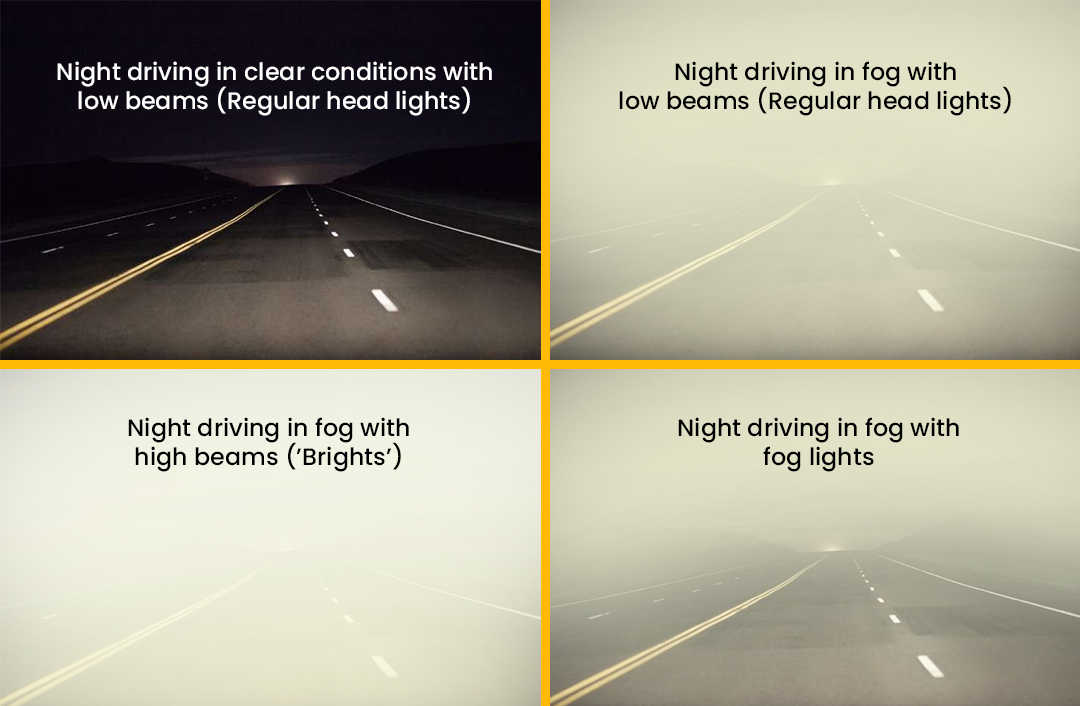
When your vehicle’s headlights cut through fog, their light rays hit these countless water droplets. Instead of continuing straight, the light is scattered and reflected back towards your eyes, creating a blinding glare. This phenomenon, known as backscatter, drastically reduces your forward visibility, making it difficult to discern obstacles, road markings, and other vehicles. Standard high beams, designed to illuminate far distances, exacerbate this backscatter, often making conditions worse rather than better. The challenge, therefore, is to use lighting that minimizes this reflection while maximizing the illumination of the road surface immediately in front of and around your vehicle.
The Right Wavelengths: How Different Lights Behave in Fog
For decades, there’s been a popular belief that yellow or amber lights cut through fog more effectively than white light. The rationale often cited is that yellow light has a longer wavelength and scatters less. While it’s true that shorter wavelengths (like blue and violet) scatter more easily, the actual difference in scattering between white (which contains all visible wavelengths) and yellow light in typical fog conditions is often negligible in terms of practical driving benefit.
Modern automotive lighting technology, particularly with the advent of LEDs, has shifted the focus from color to beam pattern and intensity. What truly matters is a light’s ability to project a wide, low, and flat beam that illuminates the road surface and verges, rather than shooting upwards into the fog droplets. While some drivers still prefer a yellowish tint for comfort and reduced glare perception, contemporary high-intensity white LED fog lights, engineered with precise beam patterns, are highly effective. Their crisp, clear output, combined with the right projection angle, provides superior illumination without excessive backscatter, leveraging cutting-edge Tech advancements in optics and semiconductor lighting.
Essential Lighting Systems for Foggy Conditions: A Deep Dive into Automotive Tech
Understanding your vehicle’s various lighting systems and their specific purposes is paramount. Misusing them can be as dangerous as not using them at all.
Headlights: High Beam vs. Low Beam in Fog
Your vehicle’s headlights are the primary source of forward illumination, but their usage in fog is nuanced.
- Low Beams: These are your go-to in fog. They project a downward and forward beam, illuminating the road directly in front of your vehicle and minimizing the upward scatter that causes glare. Ensure your low beams are clean and properly aligned for maximum effectiveness.
- High Beams: Never use high beams in fog. As discussed, their upward trajectory and intense illumination will reflect off the fog droplets, creating a wall of blinding white light that significantly reduces your visibility and can temporarily blind oncoming drivers. This is a common and dangerous mistake that savvy drivers, aligning with principles of Personal Branding and responsible road conduct, scrupulously avoid.
The Indispensable Fog Lights: Front and Rear
Fog lights are specifically designed for low-visibility conditions and are a crucial piece of Tech in your vehicle’s safety arsenal.
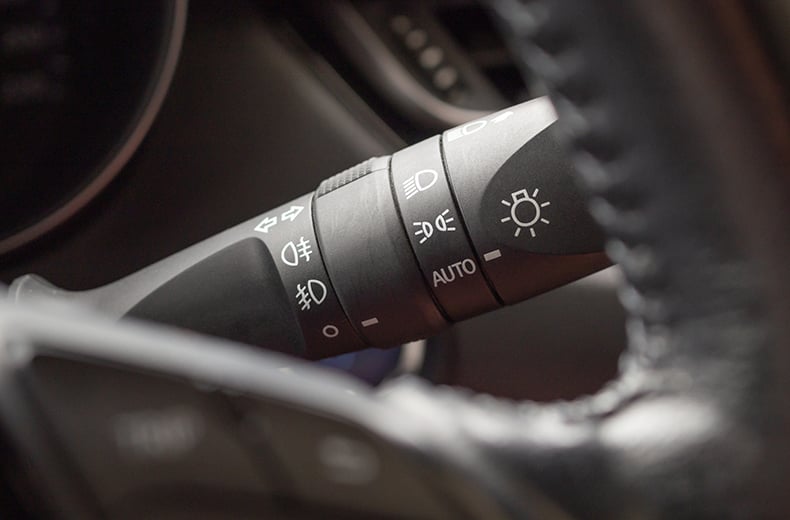
- Front Fog Lights: Positioned low on the vehicle, usually below the headlights, front fog lights emit a wide, flat, and low beam of light. This beam cuts under the fog layer, illuminating the road surface, shoulders, and immediate surroundings without causing significant backscatter. They are incredibly effective at revealing lane markings and the road ahead in dense fog. It’s important to remember that front fog lights are generally meant to supplement low beams, not replace them.
- LED vs. Halogen/HID: Modern vehicles increasingly feature LED fog lights. LEDs offer superior brightness, energy efficiency, and a longer lifespan compared to traditional halogen bulbs. Their compact size also allows for more precise optical engineering, enabling sharper beam cut-offs and more effective light projection in adverse weather. HID (High-Intensity Discharge) lights are also an option, offering strong light output, but LEDs currently lead in terms of efficiency and precision for fog light applications, representing the cutting edge of lighting Technology Trends.
- Rear Fog Lights: Equally important but often overlooked, rear fog lights are brighter than standard taillights and are designed to make your vehicle more visible to drivers approaching from behind in thick fog. Most commonly, there’s a single rear fog light on the driver’s side (or both sides in some regions), positioned at the same height as the taillights. Their intense red light cuts through the fog to alert following drivers to your presence, preventing rear-end collisions. However, they should only be used in genuine fog or severely reduced visibility, as they can be blinding in clear conditions, affecting other drivers and reflecting poorly on your Corporate Identity if you’re driving a company vehicle.
DRLs, Hazard Lights, and Other Indicators
- Daytime Running Lights (DRLs): While DRLs enhance visibility during daylight hours, they are insufficient for fog. Many DRLs only illuminate the front of the vehicle and are not bright enough, nor do they have the correct beam pattern, to be effective in dense fog. Relying solely on DRLs in fog is dangerous.
- Hazard Lights (Emergency Flashers): Use hazard lights sparingly in fog, primarily if your vehicle is stopped or moving extremely slowly in a dangerous location. Continuously driving with hazard lights on can confuse other drivers, as it obscures your indicators and makes it difficult to ascertain your intentions or direction of travel.
- Turn Signals: Always use your turn signals, even in fog. Their distinct flashing pattern is crucial for communicating your intentions to other drivers, even if visibility is poor.
Beyond the Bulb: Integrating Safety, Brand, and Financial Wisdom

The topic of vehicle lighting extends far beyond the technical specifications of a bulb. It intertwines with the broader aspects of safety, personal responsibility, effective branding, and prudent financial management.
Smart Lighting & Automotive Innovation (Tech Focus)
The automotive industry is constantly evolving, and lighting technology is no exception. We are moving towards “smart” lighting systems that go beyond simple on/off switches:
- Adaptive Driving Beam (ADB) / Matrix LED Headlights: While primarily for headlights, this Tech can influence fog light integration. These systems use cameras and sensors to detect oncoming traffic and preceding vehicles, dynamically adjusting the beam pattern to provide maximum illumination without glaring other drivers. In the future, such systems might incorporate real-time fog detection to automatically optimize fog light activation and intensity.
- AI-Driven Adjustments: Imagine a car’s AI Tools using predictive weather analytics and real-time sensor data to anticipate fog pockets and automatically switch to appropriate lighting settings. This level of automation, combined with GPS integration, could provide early warnings and proactive lighting adjustments, enhancing safety through intelligent Software solutions.
- Connected Car Features: Future vehicles might communicate fog conditions to each other, creating a network effect that alerts all drivers in an area to reduced visibility, reinforcing the need for specific lighting. This plays into the broader theme of Digital Security as these systems become more interconnected.
- Gadgets: For older vehicles, aftermarket smart fog light kits or advanced diagnostic Gadgets that monitor lighting performance can offer a bridge to newer tech, though always ensure compatibility and professional installation.
The Brand of Safety: Your Reputation on the Road (Brand Focus)
How you equip and operate your vehicle, particularly regarding safety features like lighting, reflects not only on you as an individual but can also impact a larger Corporate Identity.
- Personal Branding: Driving safely and responsibly in fog, including correct light usage, projects an image of competence, thoughtfulness, and consideration for others. Conversely, driving with high beams on in fog or neglecting to use fog lights when necessary can damage your Personal Branding on the road, marking you as careless or uninformed. This also extends to the choice of aftermarket lights; opting for reputable, quality brands over cheap, uncertified options demonstrates a commitment to safety and quality.
- Corporate Identity & Fleet Management: For businesses operating vehicle fleets, adherence to proper lighting protocols in adverse weather is crucial for Corporate Identity and Reputation. A company known for safety-conscious drivers and well-maintained vehicles builds trust and reliability. Conversely, accidents due to poor visibility, even if minor, can tarnish a brand’s image, lead to negative media, and significantly impact its Reputation. Investing in vehicles with advanced lighting systems and providing driver training on their correct usage is a key part of responsible fleet Brand Strategy.
- Marketing & Design: Automotive brands often highlight their advanced lighting technology as a core safety feature and a differentiator in their Marketing. The distinctive Design of modern LED light signatures also plays a role in a brand’s aesthetic appeal, blending form and function to subtly communicate quality and technological prowess.
The Financial Imperative: Investing in Visibility (Money Focus)
Beyond safety and reputation, the decision around vehicle lighting in fog has direct Money implications for drivers and businesses alike.
- Personal Finance:
- Cost of Fines: Misusing lights (e.g., driving with only DRLs in fog, or using rear fog lights in clear conditions) can result in fines, which are an avoidable expense.
- Insurance Implications: Accidents caused by poor visibility due to improper lighting could lead to higher insurance premiums, increased deductibles, and even claim denials if negligence is proven. Investing in high-quality, effective fog lights can be seen as a preventative Investment in safety, potentially saving significant costs in the long run.
- Fuel Efficiency: While minimal, some older, less efficient lighting systems consume more power, indirectly impacting fuel efficiency. Modern LED lights are highly efficient, contributing to minor Cost Savings over the vehicle’s lifetime.
- Business Finance: For companies, investing in vehicles with superior lighting systems and ensuring drivers are trained in their use is a calculated Business Finance decision. Reduced accident rates mean lower insurance premiums, fewer vehicle repair costs, less downtime, and improved logistics. It’s an investment in operational efficiency and risk management. Furthermore, the selection of durable, reliable lighting components from reputable brands (often reviewed through a Tech lens) minimizes maintenance costs and vehicle downtime, contributing to overall profitability. While not directly “Online Income” or “Side Hustles,” understanding these financial levers supports wise purchasing and operational decisions for any vehicle owner or fleet manager.
Best Practices for Driving in Fog: A Comprehensive Guide
Knowing what lights to use is only half the battle; knowing how and when to use them is equally vital.
When to Use Which Light
- Low Beams + Front Fog Lights: This is your primary combination for driving in dense fog. It provides the best forward and peripheral illumination without causing excessive glare.
- Rear Fog Light (if equipped): Activate your rear fog light only when visibility is severely reduced (typically below 100-200 meters, though local laws may vary). Remember to switch it off as soon as visibility improves to avoid dazzling drivers behind you.
- Avoid High Beams: Reiterate this point – they are counterproductive and dangerous in fog.
- No DRLs Only: DRLs are not a substitute for proper headlights and fog lights in low visibility.
Legalities and Local Regulations
Lighting laws vary significantly by region and country. In some places, fog lights are mandatory equipment, while in others, their use is strictly regulated to specific visibility conditions. Familiarize yourself with your local traffic laws regarding fog light usage to avoid fines and ensure compliance. This reinforces the Money aspect of avoiding unnecessary expenses.
Maintenance and Upgrades
- Cleanliness: Ensure all light lenses – headlights, fog lights, taillights, and indicators – are clean. Dirt, grime, and road salt can significantly reduce light output and effectiveness.
- Alignment: Periodically check and adjust the alignment of your headlights and fog lights. Improperly aimed lights can blind oncoming drivers or fail to illuminate the road effectively.
- Bulb Health: Replace dim or burnt-out bulbs promptly. For LED systems, while highly durable, ensure any aftermarket replacements meet safety standards and are compatible with your vehicle’s electrical system, often detailed in Tech Reviews and Tutorials.
- Consider Quality Aftermarket Solutions: If your vehicle lacks effective fog lights or if its existing lights are underperforming, consider upgrading. Research reputable brands that offer high-quality, precisely engineered aftermarket fog lights. Look for products that comply with industry standards and come with clear installation instructions, perhaps even seeking professional installation to ensure correct wiring and alignment. This is an Investment in your safety and the longevity of your vehicle’s electrical system.
Conclusion
Navigating through fog demands a combination of caution, skill, and, critically, the correct use of your vehicle’s lighting systems. Understanding the science behind light interaction with fog, leveraging the latest in automotive Tech like advanced LED fog lights and smart lighting systems, and adhering to best practices are not just about compliance; they are about proactive safety.
Beyond the immediate technicalities, your choices reflect on your Personal Branding as a responsible driver and, for businesses, underscore Corporate Identity and Reputation. These decisions also have direct Financial implications, from avoiding fines to preventing costly accidents and potentially reducing insurance premiums.
By making informed choices about the lights you use during fog, maintaining your vehicle’s lighting systems, and understanding the overarching impact of these decisions, you empower yourself to drive with greater confidence and safety, transforming a daunting journey into a manageable passage. In the face of nature’s challenges, knowledge and preparedness, supported by intelligent technology and sound judgment, are your most powerful allies.
aViewFromTheCave is a participant in the Amazon Services LLC Associates Program, an affiliate advertising program designed to provide a means for sites to earn advertising fees by advertising and linking to Amazon.com. Amazon, the Amazon logo, AmazonSupply, and the AmazonSupply logo are trademarks of Amazon.com, Inc. or its affiliates. As an Amazon Associate we earn affiliate commissions from qualifying purchases.